


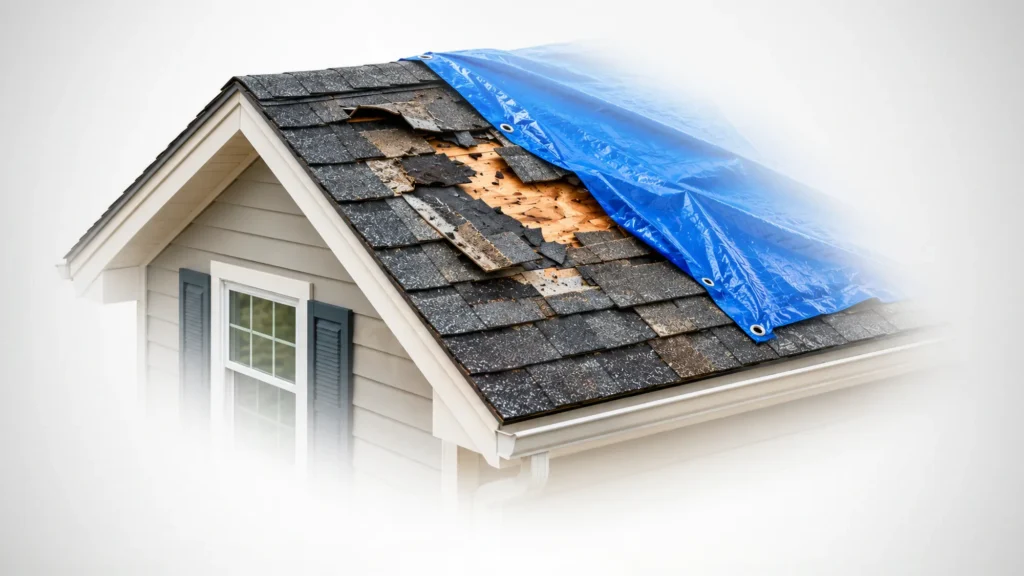
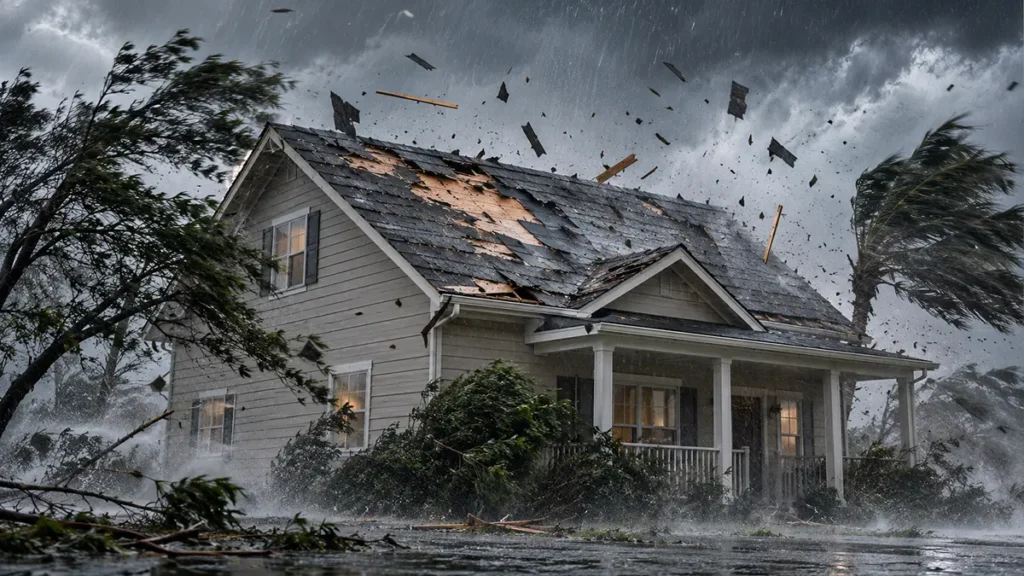
Severe weather can turn a reliable roof into a serious liability in a matter of minutes. High winds, torrential rainfall, hail, and airborne debris can compromise roofing materials, expose vulnerable structural components, and create openings for water to enter a property. For homeowners and business owners, the aftermath often brings uncertainty about the extent of the damage, the urgency of repairs, and the potential financial consequences.
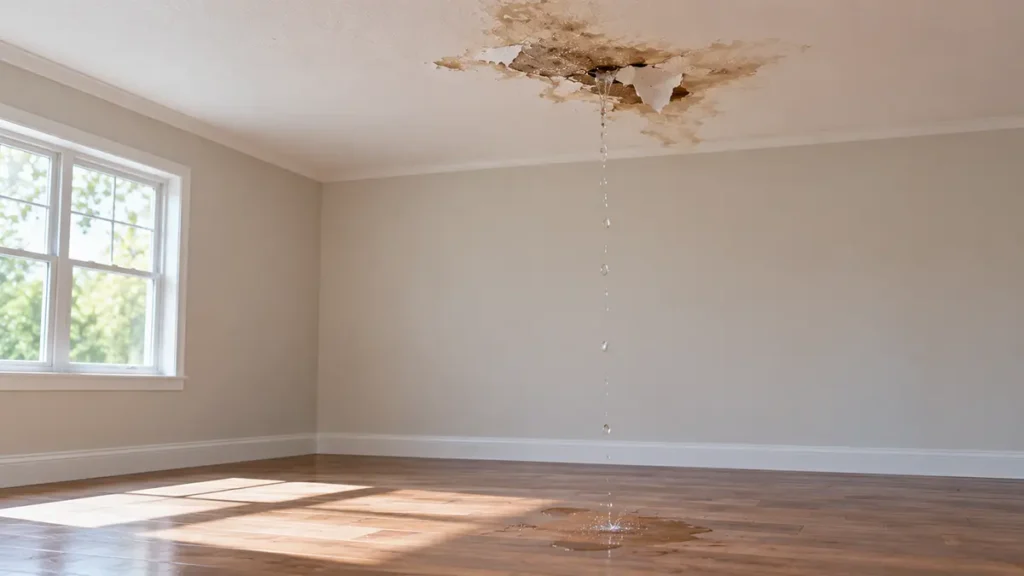
What initially appears to be a minor roofing problem can develop into significant interior damage if water infiltration continues unchecked. Understanding how to respond during the first hours and days after a storm is essential to protecting a building and controlling restoration costs.
Emergency roof repair involves more than replacing damaged shingles or sealing a visible leak. It requires a careful sequence of safety precautions, damage assessments, temporary protective measures, and decisions about permanent restoration. The speed and quality of these early actions can influence the extent of secondary damage and the effectiveness of an eventual insurance claim.
Property owners who understand the process are better positioned to distinguish urgent threats from less immediate concerns. A structured response also helps prevent rushed decisions that could result in unnecessary expenses or inadequate repairs.
Recognizing the Warning Signs of Storm-Related Roof Damage
Storm damage is not always immediately visible, particularly when the affected areas are located on elevated or difficult-to-access sections of a roof. Strong winds can loosen shingles, lift flashing, and weaken fasteners without completely removing roofing materials. Hail can fracture asphalt shingles, dent metal roofing, and damage protective coatings that prevent moisture intrusion.
Falling branches and wind-driven debris may puncture roofing surfaces or create structural stress that is difficult to identify from ground level. Even when a roof appears largely intact, hidden vulnerabilities can allow water to enter during subsequent rainfall.
Inside a building, the first signs of roof damage may appear as discolored ceilings, damp insulation, peeling paint, or water stains spreading along interior walls. Moisture can travel along rafters, decking, and other structural components before becoming visible, meaning the location of an indoor leak does not necessarily identify the original roof opening. A musty odor in an attic or unexplained dampness around light fixtures may indicate water intrusion that requires further investigation.
In more serious cases, sagging ceilings or visibly distorted rooflines can suggest significant water accumulation or structural deterioration. These warning signs should be treated as potential indicators of a broader roofing problem rather than isolated cosmetic defects.
The type and severity of damage frequently depend on the storm’s characteristics and the roof’s condition before the event. Older roofing systems may be more vulnerable to wind uplift because adhesives, sealants, and fastening components can deteriorate over time. Roofs with existing drainage problems may experience extensive water accumulation during prolonged rainfall, particularly where gutters or internal drains become obstructed.
Coastal properties face additional exposure to wind-driven rain, which can penetrate small openings that might remain dry under ordinary weather conditions. Recognizing these different damage mechanisms helps property owners understand why a professional assessment may be necessary even when the most obvious storm damage appears relatively minor.
Establishing Safety and Arranging Emergency Roof Repairs
The immediate priority following a severe storm is protecting people from conditions that could cause injury. In coastal communities, where seasonal storms can bring powerful winds, prolonged rainfall, and airborne debris, roofing damage may create hazards that remain long after the weather has cleared. Cities along Florida’s Atlantic coast, including Jacksonville, St. Augustine, Melbourne, Stuart, and Palm Beach, frequently face these conditions, making a cautious approach to post-storm inspections especially important.
Standing water near electrical equipment, fallen power lines, unstable trees, and loose roofing materials can create additional risks around residential and commercial properties. Climbing onto a damaged roof is particularly dangerous because weakened decking, wet surfaces, and displaced materials may no longer provide reliable support. Any preliminary inspection should therefore be limited to safe observations from the ground until qualified professionals can assess the property.
Once immediate hazards have been addressed, the next step is contacting a qualified roofing contractor who can assess the damage and determine whether temporary intervention is necessary. Emergency work may include securing exposed sections, installing protective coverings, removing hazardous debris, and preventing further water infiltration. In areas where severe storms can affect entire neighborhoods simultaneously, the availability of experienced crews, specialized equipment, and roofing materials often determines how quickly properties can be stabilized.
Contractors with an established regional presence may be better positioned to respond to these demands, particularly when transportation routes are disrupted or demand for repairs increases sharply. One example is Whiting Roofing, which provides emergency roof repair services across Florida’s eastern communities, from Palm Beach to Jacksonville, drawing on more than 75 years of combined expertise, licensed and insured roofers, in-house crews, and company-owned equipment. Its access to materials, cranes, and hurricane-proven roofing systems reflects the operational capabilities that can become especially valuable following widespread storm damage.
The initial conversation with a roofing professional should establish the nature of the damage, whether water is actively entering the building, and whether any areas appear structurally unstable. Providing photographs taken from safe locations can help a contractor understand the situation before arriving, although images cannot replace a physical assessment. Property owners should also ask whether the proposed response involves temporary stabilization or permanent repairs, since these services address different stages of recovery.
In regions exposed to recurring tropical weather, this distinction becomes particularly important because temporary protective measures may need to withstand additional rainfall or strong winds before permanent restoration can begin. A temporary repair may reduce immediate damage without resolving the underlying weakness that allowed the roof to fail. Clear communication at this stage helps establish realistic expectations about the scope of emergency work, response priorities, and the additional inspections needed to restore the roofing system safely.
Documenting Damage and Protecting the Property From Further Loss
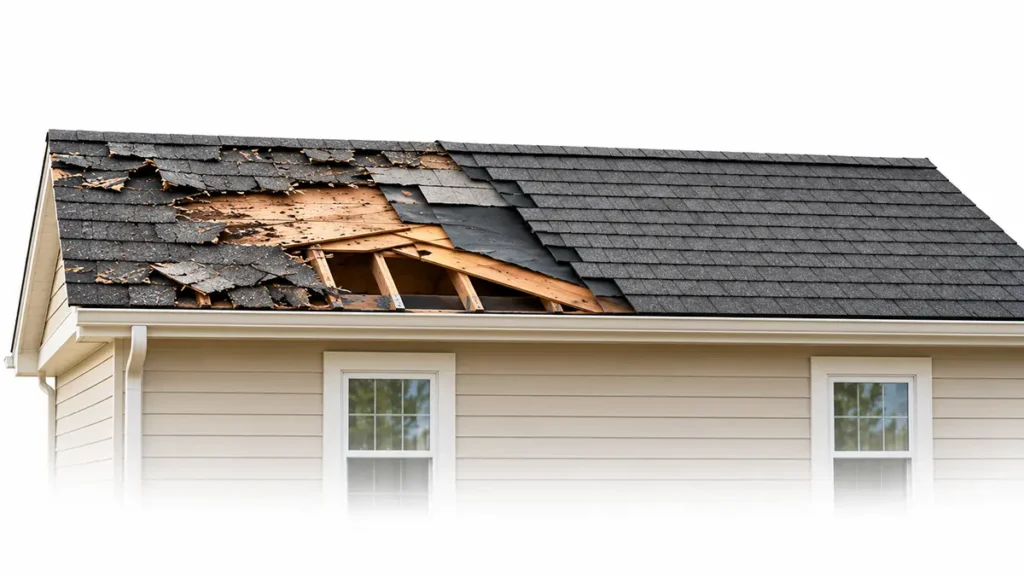
Thorough documentation is one of the most important administrative steps following a damaging storm. Before repairs alter the appearance of affected areas, property owners should photograph visible roof damage from safe vantage points, along with damaged ceilings, walls, flooring, and personal belongings. Videos can provide useful context by showing the relationship between interior leaks and surrounding conditions, particularly when water is actively entering the building.
Written notes should record when the storm occurred, when damage was discovered, and what immediate protective actions were taken. This information can support discussions with roofing contractors, insurance adjusters, and restoration specialists if questions arise about the source or extent of the damage.
Property owners also have a practical interest in preventing additional losses while waiting for professional repairs. If it is safe to do so, furniture, electronics, documents, and other valuable belongings should be moved away from active leaks or covered with suitable protective materials. Containers may help collect limited amounts of dripping water, while towels or absorbent materials can reduce moisture spread across hard flooring.
Water intrusion near electrical fixtures or wiring requires particular caution, and affected areas should not be approached or handled when electrical safety is uncertain. When ceilings appear to be sagging or structural components show signs of instability, occupants should leave the affected area and seek qualified assistance rather than attempting makeshift repairs.
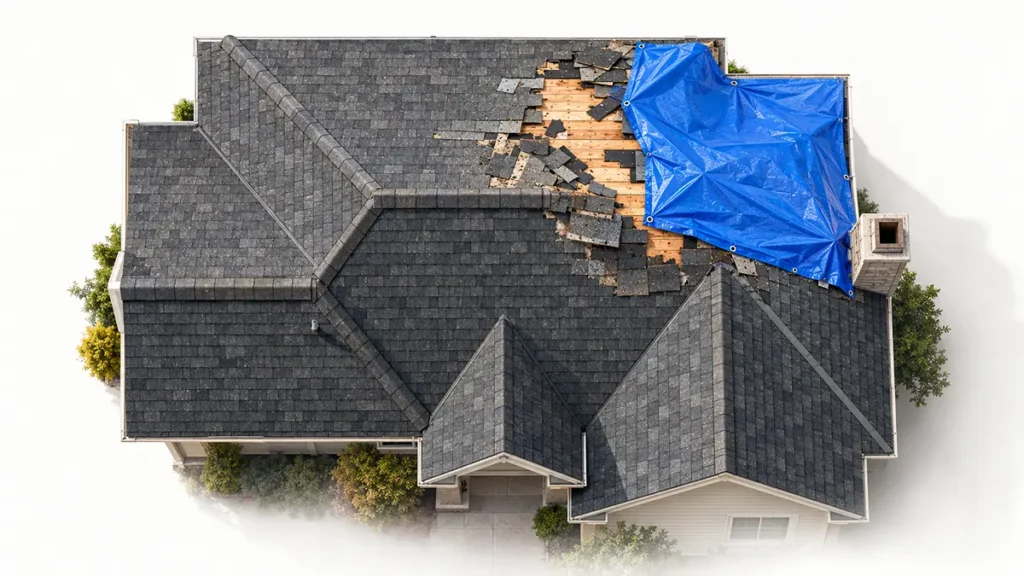
Temporary roof protection can be an important part of limiting secondary damage, but the installation method matters. Professional crews may use reinforced tarpaulins, temporary waterproof coverings, or other stabilization techniques suited to the roofing system and the nature of the opening. Improperly secured materials can detach during renewed wind activity, potentially exposing the property to additional damage or creating hazards for people nearby.
Temporary coverings can also trap moisture or damage intact roofing materials if installed incorrectly. Property owners should retain invoices and records for reasonable emergency mitigation expenses, since such documentation may be relevant to an insurance claim depending on the policy’s terms and applicable requirements.
Understanding the Professional Roof Inspection and Repair Assessment
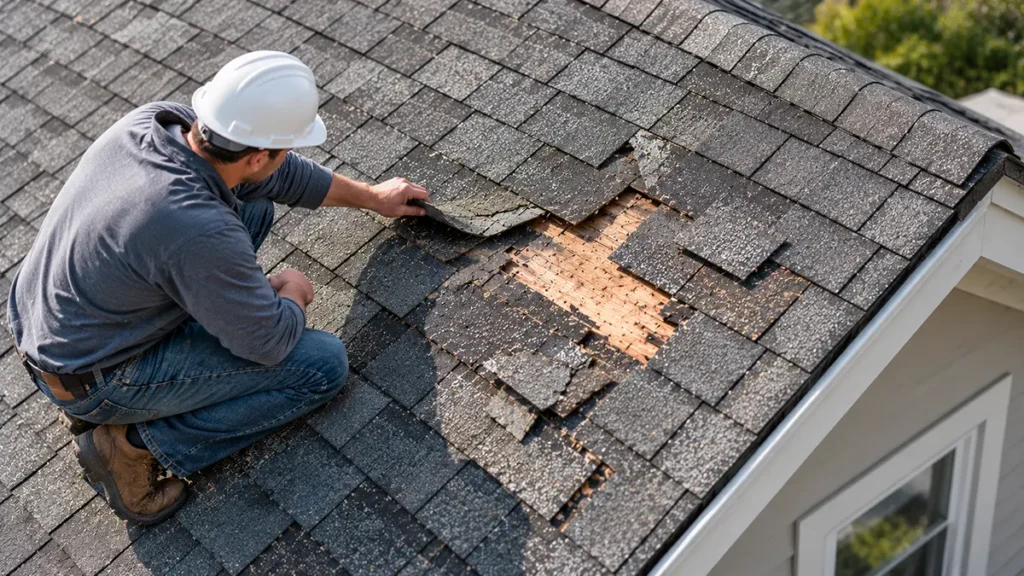
A professional roof inspection is intended to determine not only what was damaged but also how the damage affects the roofing system as a whole. Contractors typically examine visible roofing materials, flashing, roof penetrations, drainage components, and the condition of accessible structural elements. Particular attention may be paid to valleys, roof edges, chimneys, skylights, ventilation openings, and other areas where changes in material or geometry can create vulnerabilities.
Inspectors may also review accessible attic spaces for signs of moisture, staining, deteriorated decking, or compromised insulation. The resulting assessment helps distinguish localized damage from conditions that could require broader restoration.
Storm-related defects can be more complicated than they initially appear because several roofing components work together to prevent water intrusion. Replacing a missing shingle, for example, may not resolve a leak if the underlying waterproofing membrane or adjacent flashing has also been compromised. Similarly, hail impacts may affect a roof’s protective surface without producing immediate interior leakage, potentially creating vulnerabilities that become more consequential over time.
On commercial buildings, damage to seams, membrane attachments, rooftop equipment, or drainage systems can influence large sections of the roof even when punctures appear limited. A thorough inspection evaluates these interconnected risks rather than focusing exclusively on the most obvious damage.
The inspection findings should inform a written scope of work that identifies recommended repairs, materials, estimated costs, and any conditions requiring further investigation. Contractors may classify certain actions as urgent stabilization measures while scheduling more extensive repairs after the property has been secured. When damage extends to structural framing, electrical systems, or other specialized building components, additional licensed professionals may need to participate in the assessment.
Property owners should request clarification about any proposed replacement of materials that appear undamaged, as well as the potential consequences of choosing a narrower repair. A clear explanation of the findings makes it easier to compare proposals, understand repair priorities, and make informed decisions about the building’s long-term performance.
Navigating Insurance Claims and the Financial Impact of Roof Damage
Insurance coverage is often a major consideration after storm damage, particularly when repairs involve extensive roofing materials or interior restoration. Homeowners and commercial property owners should review their policies to understand applicable deductibles, covered causes of loss, reporting requirements, and exclusions. Wind, hail, and hurricane-related losses may be subject to different provisions depending on the insurer, location, and policy type.
Some policies include separate hurricane or named-storm deductibles, which can materially change the amount a policyholder must pay before insurance contributes to covered repairs. Because insurance terms vary, coverage should not be assumed solely because a roofing problem appeared after severe weather.
The claims process generally begins with notifying the insurer and providing the available documentation. An insurance adjuster may inspect the property, assess reported damage, and prepare an estimate based on the policy’s coverage provisions. Roofing contractors may produce their own assessments identifying construction requirements, material quantities, and repair methods, which can differ from an insurer’s initial estimate.
These differences do not automatically indicate that either assessment is incorrect, since hidden damage, pricing methods, and the scope of necessary work can affect the calculations. Property owners should preserve written correspondence, inspection reports, photographs, and receipts while requesting explanations for significant discrepancies between estimates.
Financial decisions should also account for the difference between repairing storm damage and addressing unrelated deterioration. Insurance may cover qualifying sudden and accidental damage while excluding ordinary wear, deferred maintenance, or preexisting defects, subject to the policy’s language. A roof that was already nearing the end of its service life may require work beyond the damage directly attributed to the storm, creating additional out-of-pocket costs.
Property owners should obtain written estimates that distinguish essential repairs from optional improvements and should be cautious about contractors promising specific insurance outcomes before coverage has been determined. In Florida, insurance claims and roofing contracts also operate within state-specific legal requirements, making it important to confirm current rules and seek guidance from qualified insurance or legal professionals when disputes arise.
Moving From Temporary Protection to Permanent Roof Restoration
Emergency intervention is only the first stage of restoring a storm-damaged roof to dependable service. Temporary coverings and stabilization measures are designed to reduce immediate exposure, but they generally are not substitutes for permanent repairs using compatible roofing materials and appropriate installation practices. Once the full extent of damage is understood, contractors can determine whether localized repairs are sufficient or whether more extensive replacement is warranted.
This decision may depend on the roofing system’s age, the availability of matching materials, the condition of the substrate, and the distribution of storm damage across the roof. The goal is to restore a coherent protective system rather than merely conceal visible evidence of the event.
Permanent restoration should account for the building’s exposure to future weather events as well as its current structural condition. In hurricane-prone regions, fastening methods, roof-edge details, underlayment selection, and installation practices can influence resistance to wind uplift and wind-driven rain. Applicable building codes and permitting requirements may establish minimum standards for repair or replacement, particularly when work affects substantial portions of a roof.
Material compatibility is equally important because combining unsuitable components can create premature deterioration, drainage problems, or weak points at roof transitions. A qualified contractor should explain how the proposed work addresses the original failure and whether additional improvements are justified by the property’s exposure and condition.
The completion of repairs should include a final review of workmanship, drainage performance, and any remaining signs of interior moisture damage. Property owners should request applicable warranty information, permits, inspection records, and documentation identifying the materials installed. Following a major storm, a subsequent inspection after the next significant rainfall may reveal issues that were not apparent when repairs were completed under dry conditions.
Final Thoughts
Establishing a routine maintenance schedule, keeping gutters and drainage systems clear, and monitoring vulnerable roof areas can reduce the likelihood that minor defects will develop into major problems. The broader lesson of storm recovery is that effective roof protection depends on timely decisions throughout the process, from the first safety assessment to the final verification of a properly restored roofing system.
Disclaimer: This article is for general informational purposes only and should not be considered professional roofing, structural, insurance, or legal advice. Storm damage assessments and repairs should be handled by qualified professionals. Insurance coverage and applicable regulations vary by location and policy. Always consult licensed contractors, insurance providers, or other relevant professionals before making decisions.