



Finding one cockroach can ruin your day. But finding many can feel like a nightmare. These pests don’t just make your home feel dirty. They carry germs, leave behind droppings, and spread fast.
If you’re seeing roaches more often, it’s not something to ignore. A full-blown infestation can get out of hand quickly.
Store-bought sprays and traps may work for a few days, but they rarely address the underlying problem. If you want lasting relief, it’s time to bring in the experts. Keep reading to learn what professional solutions can do and why they work when nothing else does.


Why Are Cockroaches Hard to Control Alone?
Roaches are not just dirty. They are smart, fast, and very good at hiding. They come out at night when the lights are off. During the day, they stay in cracks, under floors, and behind walls. You might not see all of them, but they’re there.
They don’t need much to survive. A few crumbs, a damp spot, or a dark corner is enough. Some species can go weeks without food and still live. That makes them hard to get rid of without the right tools. Even if you kill the ones you see, many more could be hiding nearby. Roaches lay eggs in hidden spots. One egg case can hold dozens of young.
These new pests grow up fast and start the cycle again. That’s why sprays and traps often fail. They only treat the surface. They don’t reach the eggs or stop new roaches from moving in. If you miss even a few, the problem starts all over again.
The First Step: Professional Inspection
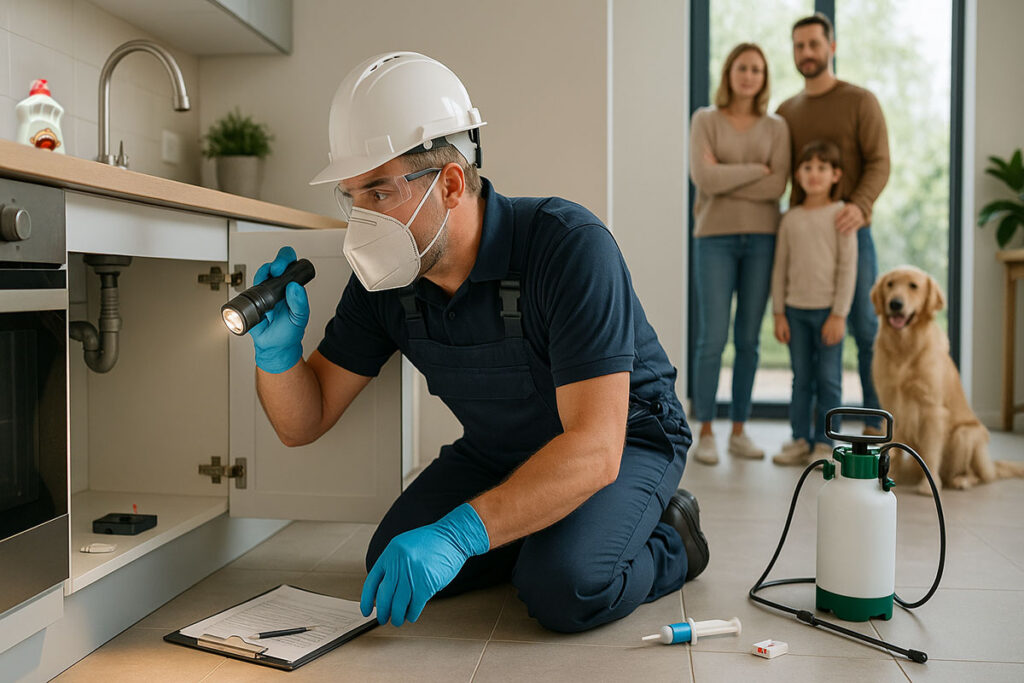
Before any treatment begins, a good pest control team will look closely at your home. They check every room, inside and out. They know where roaches hide. That includes under sinks, behind fridges, in vents, and near garbage. They also look for signs you might not notice, like smear marks, egg casings, or unusual smells.
The goal is to understand the full size of the problem. Once they know what they’re dealing with, they can plan the best way to treat it. The inspection also helps find out which type of roach you have. Some respond better to certain methods.
Others may be more resistant. A trained technician will know the difference and adjust the plan to fit. This first step is important. Without it, even the best treatment might miss the mark.
How Do Professionals Attack the Problem?
A pest exterminator knows that one method is not enough. That’s why professionals often use a mix of treatments. These can include sprays, gels, baits, dusts, and traps. The products they use are stronger and last longer than store products.
They also know how to place them where they will do the most good. That might be deep in walls, under appliances, or near entry points. Some treatments work fast, killing roaches on contact. Others take time, allowing the poison to spread from one roach to another.
This is helpful when the nest is hard to reach. Professionals may also seal entry points, close up cracks, and give advice on cleaning and storage. Their goal is not just to kill the bugs but to make sure they don’t come back.
Follow-Up Visits Matter
One visit is not always enough. Roaches breed fast. Even after treatment, some eggs may still hatch.
That’s why many pest control plans include return visits. These follow-ups help catch any new activity. They also make sure the treatments are still working. If needed, the team can make changes and try other methods.
During follow-ups, the technician might also show you signs to watch for. That way, you can spot problems early next time. A good team wants you to feel safe and in control again. That means keeping up the fight until every last roach is gone.
Safe for Your Family and Pets
Many people worry about using chemicals in their homes. But professionals take safety seriously. They know how to apply products in ways that keep kids and pets out of harm’s way. Some treatments dry fast or are placed in sealed areas.
Others use baits that only attract roaches. The team will also give you clear steps to follow before and after each visit. That might mean staying out of the treated room for a while or storing food in closed bins.
If you prefer less chemical use, some companies also offer green or low-impact options. These still work well but use safer ingredients. No matter the method, a trained technician will always focus on keeping your space safe and clean.
Why Professional Help Is Worth It?
Trying to fix a severe infestation on your own is exhausting. You spend money on products, you clean day after day, you block holes and move furniture. Still, the roaches come back.
That’s because home treatments don’t reach deep enough. They miss the nests, the eggs, and the hidden entry points.
Professionals bring training, tools, and a clear plan. They don’t guess-they know. They fix the root of the problem, not just the signs. That saves you time, money, and stress. You get peace of mind knowing the job is done right. You also get support if the roaches return. That kind of help is hard to find on your own.
Prevention After Treatment
Once the roaches are gone, your work is not over. Professionals often give tips to stop new pests from moving in. That includes fixing leaks, storing food in sealed containers, and cleaning often. You may also be asked to block entry holes or keep trash covered. These small steps make a big difference.
Say Goodbye to Roaches for Good
Cockroach infestations are more than just a nuisance. They can harm your health, comfort, and peace of mind. When the problem gets out of hand, don’t fight it alone. Professional solutions go deeper than sprays and traps. They reach the hidden places, break the breeding cycle, and help you stay roach-free for the long term.
With the right team on your side, you can reclaim your home and breathe easy again. Act fast. Get help. Say goodbye to roaches and hello to peace. Expand your knowledge and check out more posts on our blog!
Disclaimer: This article is for general informational purposes only and may include references to professional pest control services. Any mention of third-party companies or providers does not constitute an endorsement. If this article contains paid or promotional content, such relationships are disclosed following applicable advertising standards.