



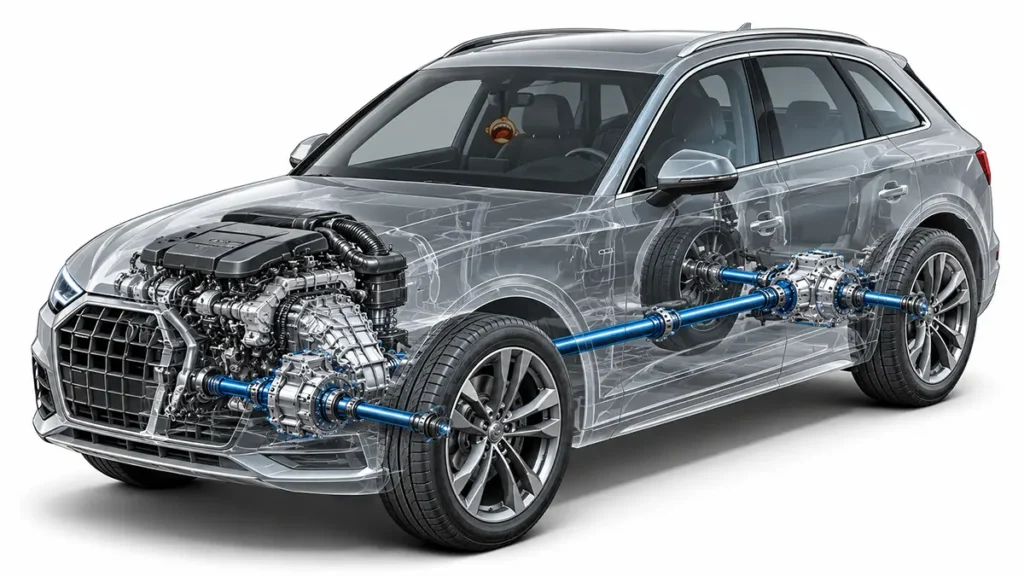
Audi all-wheel-drive systems need regular drivetrain inspections because their performance depends on several connected components working together. Parts such as the differentials, driveshafts, axles, transfer case, and related fluid systems help distribute power between the wheels. Wear, leaks, or mechanical damage in any of these areas can affect traction, handling, and overall driving performance.

Dallas, located in north-central Texas, is part of the Dallas–Fort Worth metropolitan area. Major highways such as I-35E, I-30, and I-635 connect the city with nearby communities, including Plano, Irving, and Richardson.
Frequent highway travel and city commuting can place different demands on all-wheel-drive systems. Audi independent service in Dallas can help owners arrange drivetrain inspections and identify potential wear before it affects vehicle performance.
How Audi All-Wheel-Drive Systems Work
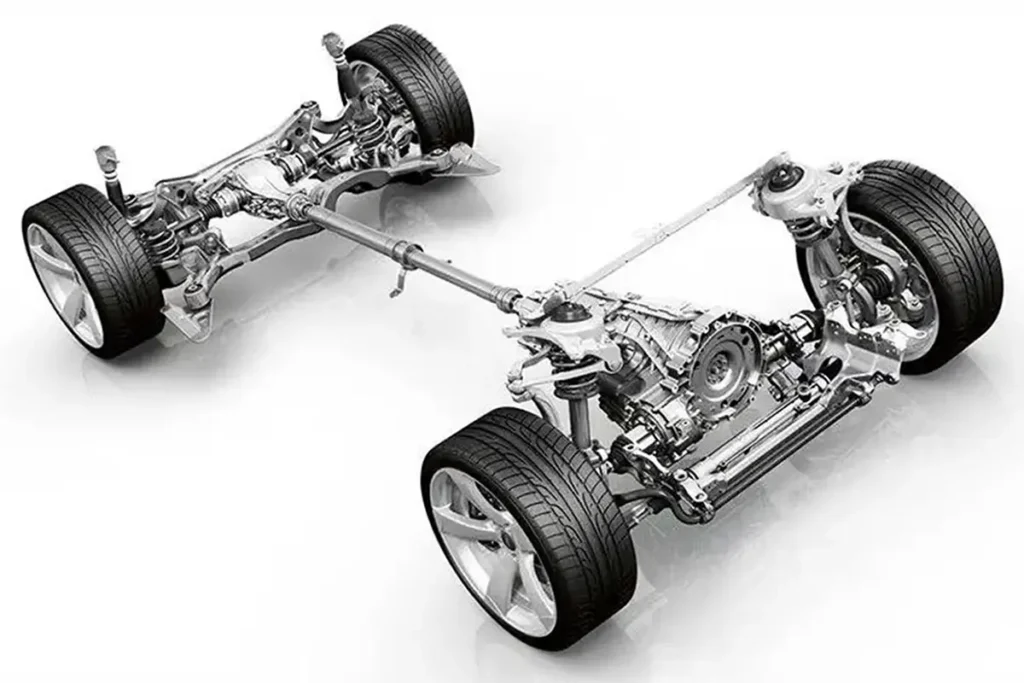
Audi’s quattro all-wheel-drive technology is designed to distribute engine power across the wheels to improve traction and stability. Depending on the model and drivetrain design, the system uses different mechanical and electronic components to manage power distribution.
Because these parts operate together, a problem in one area can affect the performance of the entire system. Regular inspections help identify developing issues before they lead to more extensive repairs.
Drivetrain Components That Need Attention
Differentials
Differentials help manage differences in wheel speed while distributing power. Their internal gears and bearings experience regular mechanical stress.
Low or contaminated differential fluid can increase friction and contribute to premature wear. During an inspection, technicians may check fluid condition, look for leaks, and listen for unusual noises.
Driveshafts and CV Joints
Driveshafts transfer power through the drivetrain, while constant velocity joints allow the wheels to move and turn without interrupting power delivery. Damaged joints or worn driveshaft components may cause clicking sounds, vibration, or clunking during acceleration.
Checking protective CV boots is also important because a torn boot can allow grease to escape and dirt to enter the joint.
Transfer Case and Related Components
Depending on the model, the transfer case distributes power between axles. Fluid leaks, unusual noises, or poor fluid condition may indicate problems requiring inspection.
Following the maintenance requirements for the specific model helps protect these components.

Warning Signs of Drivetrain Problems
Audi owners should pay attention to changes in vehicle behavior. Common warning signs include:
- Vibration during acceleration: A worn driveshaft, CV joint, or related component may cause shaking.
- Unusual noises: Whining, grinding, or clunking sounds can point to mechanical wear.
- Fluid leaks: Puddles or residue near drivetrain components may indicate damaged seals or gaskets.
- Changes in handling: Unexpected differences in traction or vehicle response may require an inspection.
- Dashboard warnings: Electronic drivetrain or stability warnings should be checked rather than ignored.
These symptoms do not always mean the all-wheel-drive system itself has failed. A proper diagnosis is necessary to identify the source.
Why Regular Drivetrain Inspections Matter
Routine inspections help technicians identify worn components, fluid leaks, damaged boots, and other issues before they affect additional parts. They also provide an opportunity to check whether maintenance is due under the vehicle’s service schedule.
Owners researching for Audi independent service in Dallas should consider technicians who understand the specific quattro system fitted to their vehicle. Audi models can use different drivetrain designs, so inspection and maintenance procedures should match the model and year.
Practical Tips to Protect Your Audi Drivetrain
- Follow the service schedule: Use the maintenance intervals recommended for your specific Audi model.
- Address unusual noises early: Do not wait for vibration or grinding to become severe.
- Check for leaks: Have fluid leaks inspected before low fluid levels cause further wear.
- Use the correct fluids: Drivetrain components require fluids that meet the vehicle’s specifications.
- Arrange inspections after symptoms appear: Changes in acceleration, handling, or traction deserve professional attention.
Key Summary
- Audi all-wheel-drive systems rely on several connected drivetrain components.
- Differentials, driveshafts, CV joints, and related systems need periodic inspection.
- Vibrations, unusual noises, and fluid leaks can indicate developing problems.
- Maintenance requirements vary by Audi model and drivetrain design.
- Regular inspections can help identify wear before it causes more extensive damage.
Disclaimer: This article is for general informational purposes only and should not be considered a substitute for professional automotive advice, diagnosis, or servicing. Maintenance requirements and procedures may vary depending on the vehicle’s model, year, and drivetrain configuration. Always refer to the manufacturer’s recommendations and consult a qualified automotive technician for vehicle-specific concerns.