


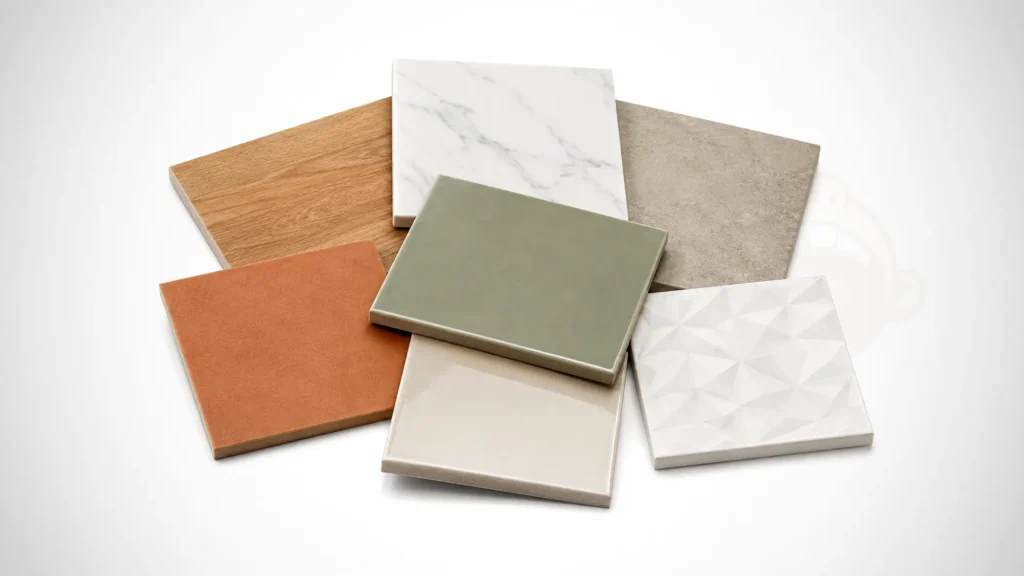
Ceramic Tiles have become a cornerstone in modern interior design, offering versatility, durability, and aesthetic appeal. Whether you’re renovating your kitchen, updating your bathroom, or reimagining your living space, Ceramic Tiles can transform an area from mundane to magnificent.
This guide aims to explore the multifaceted role Ceramic Tiles play in contemporary design, how to choose the perfect tile for each room, and tips for maintaining their timeless beauty. From understanding surface material specifications to creating a cohesive mood board, this article will equip you with the insights necessary to enhance your home with Ceramic Tiles.
Ceramic Tiles as a Key Element in Modern Interior Design


Ceramic Tiles are not just functional; they are a vital component of modern interior design. These tiles offer endless possibilities due to their wide range of colors, shapes, and finishes. In the design process, tools like CAD software are often used to visualize how Ceramic Tiles will fit into a space, ensuring that the final result aligns with the overall aesthetic vision. The durability of Ceramic Tiles also makes them a popular choice for high-traffic areas, providing long-lasting beauty and utility.
Moreover, Ceramic Tiles can contribute to achieving LEED certification for sustainable building projects. They are often made from natural materials and can be sourced locally, reducing the environmental footprint. This makes Ceramic Tiles an attractive option for eco-conscious homeowners looking to incorporate sustainable materials into their designs.
With their ability to emulate other materials like wood or stone, Ceramic Tiles allow for creative expression without sacrificing functionality. They play a crucial role in the Ceramic Tiles collection, offering an array of options for designers who aim to blend style with sustainability.
Choosing the Right Ceramic Tile for Different Spaces

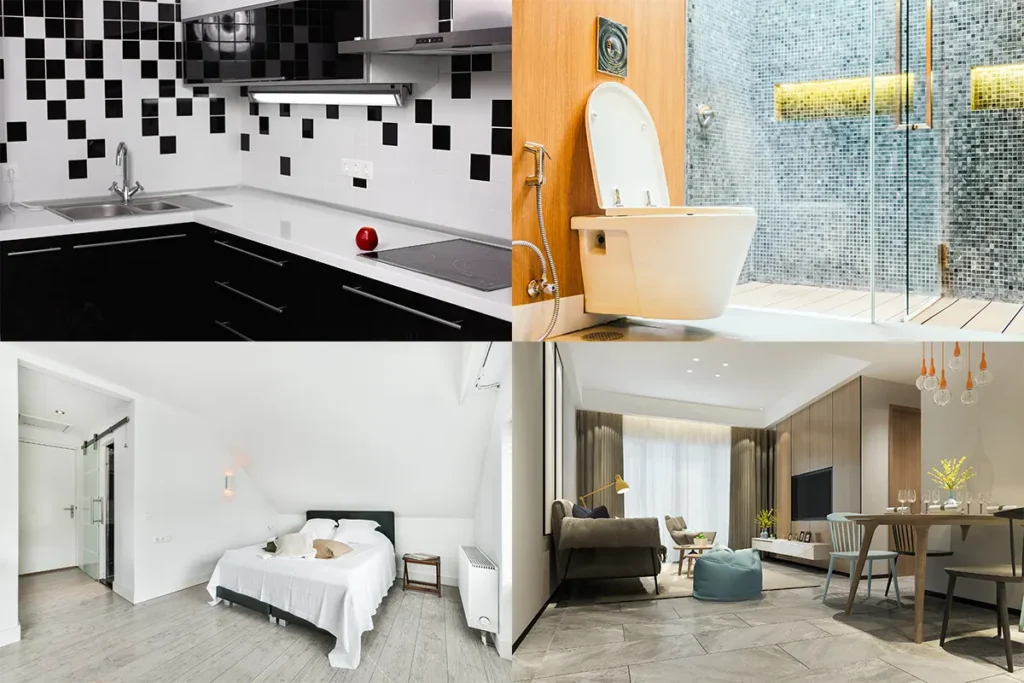
Selecting the appropriate ceramic tile for each room involves careful consideration of both aesthetic and practical factors. For instance, bathroom tiles should prioritize slip resistance and moisture resistance. The surface material specification becomes essential in these wet environments to prevent accidents and ensure longevity. In contrast, kitchen tiles might focus more on heat resistance and ease of cleaning.
Space planning is another critical aspect when choosing Ceramic Tiles. Large tiles can make a small room appear more spacious, while smaller tiles can add intricate detail to larger areas. The choice of grout color can also significantly affect the overall look, either blending in for a seamless appearance or contrasting for a more striking visual.
Recent trends show a growing preference for using Ceramic Tiles in unconventional spaces, such as living rooms and bedrooms, where they can become a focal point of the design. The versatility of Ceramic Tiles allows them to adapt to various styles, from minimalist to eclectic, making them a valuable asset in any interior designer’s toolkit.
Incorporating Color and Texture with Ceramic Tiles
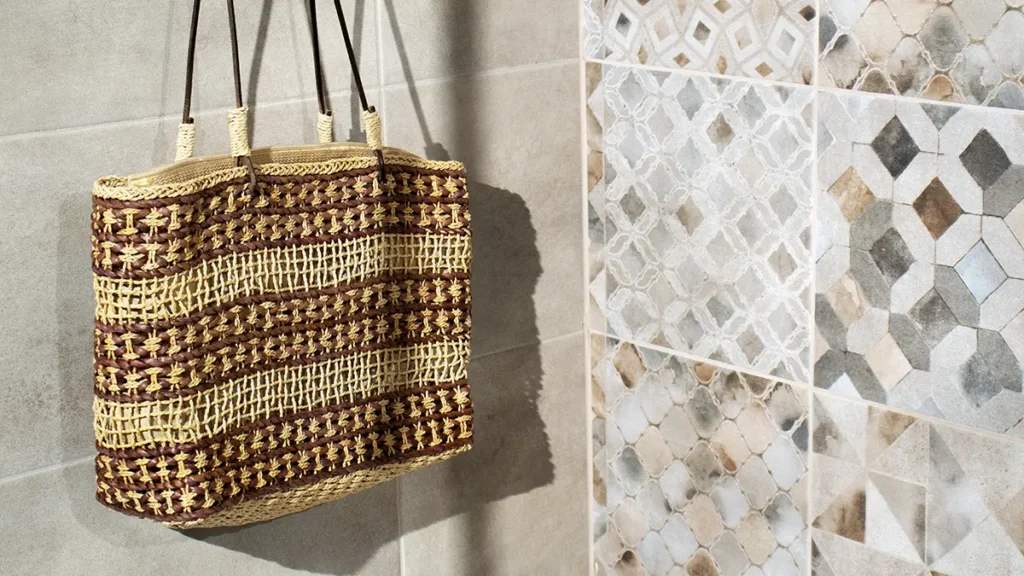
The use of color and texture in Ceramic Tiles can dramatically influence the ambiance of a room. Designers often use a mood board to experiment with different color palettes and textures before making a final decision. The color rendering of Ceramic Tiles can vary under different lighting conditions, so it’s essential to view samples in the actual space where they will be installed.
Textured Ceramic Tiles can add depth and character to a room, creating visual interest and breaking up monotony. For instance, three-dimensional tiles can create dynamic wall features that draw the eye and add a layer of sophistication. Incorporating various textures can also enhance a room’s acoustical treatment, particularly in open-plan spaces where noise reduction is a priority.
Color and texture should be balanced with other elements in the room, such as furniture and fixtures. FF&E (furniture, fixtures, and equipment) coordination is crucial to ensure that the Ceramic Tiles complement the overall design scheme, creating a harmonious and inviting environment.
Caring for and Maintaining Your Ceramic Tile Installations
Proper maintenance is key to preserving the beauty and functionality of ceramic tile installations. Routine cleaning with mild detergent and water is usually sufficient for most surfaces. However, it’s important to consult the manufacturer’s guidelines for specific cleaning recommendations, especially for textured or glazed tiles.
Regular inspection for damage is also advised, as cracked or chipped tiles can compromise the installation’s integrity and lead to larger issues if left unaddressed. A punch list, which is a checklist of tasks to complete before finalizing a project, often includes a thorough examination of tile installations to ensure all tiles are in pristine condition.
Subcontractor coordination is essential when repairs are necessary, as professional installation and repair can prevent further damage and ensure a seamless finish. With proper care and attention, Ceramic Tiles can remain a stunning feature in your home for years to come.
Conclusion

Ceramic Tiles offer a unique combination of beauty, durability, and versatility, making them an invaluable component of modern interior design. By understanding their role in space planning, color and texture integration, and maintenance, homeowners can maximize the impact of Ceramic Tiles in their spaces. This essential design guide provides the insights needed to effectively incorporate Ceramic Tiles into any home improvement project, ensuring a stylish and functional environment. For those looking to enhance their interiors with these versatile tiles, the possibilities are endless.
Disclaimer: This article is intended for informational purposes only and should not be considered professional interior design, construction, or purchasing advice. Product specifications, performance, installation requirements, and maintenance recommendations may vary by manufacturer and application. Any companies, products, or services mentioned are provided for informational purposes only and do not constitute endorsement.