


A child who is not fed breakfast rarely tells anyone. It shows, maybe, in the middle of the second period as a short outburst, or as a visit to the nurse’s office, which has nothing to do with illness. In 2024, about one in five households with children experienced food insecurity, and no organization alone can assist each one of them.
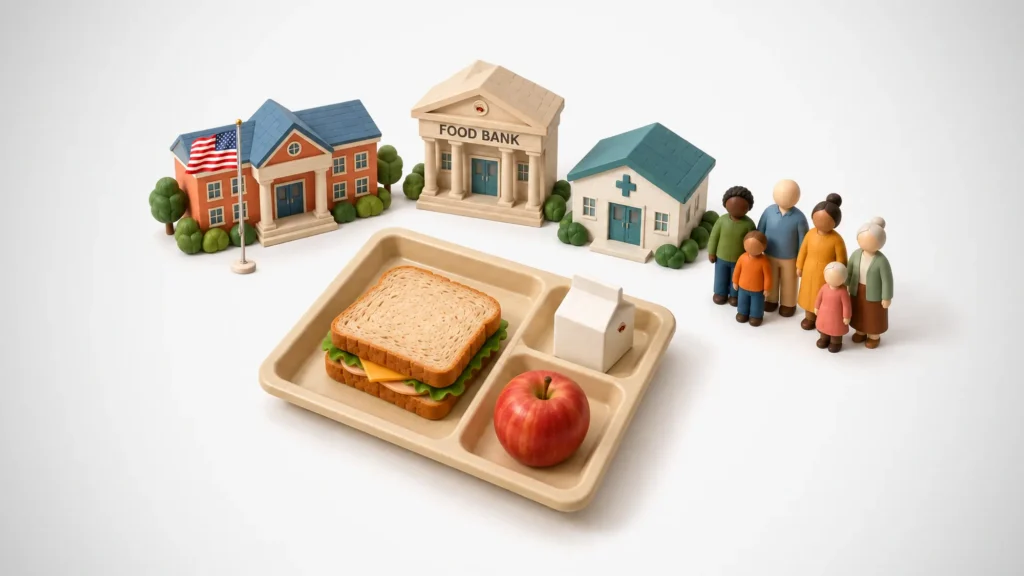
This grave issue regarding the reach of help illustrates why collaborations are so important. National organizations like No Kid Hungry, schools, clinics, food banks, and religious organizations serve different segments of the same population. Now, read on as the post examines how those connections fill in gaps that would be missed by any one organization acting alone.


Hunger Is Never Manifested as a Singular Problem
Rarely do groceries run out on their own. Since food bends more easily than a lease, a household that is behind on rent or a car payment reduces their food budget first. Something gives when child care and medical expenses put pressure on the other side.
One handout addresses one symptom while leaving the others unaddressed. A caseworker could overlook the eviction notice beneath the empty pantry. A family is connected to a housing specialist, a nurse, and a food coordinator through genuine partnerships, so what one visit misses is caught by that combo.
Schools Sit at the Center of the Network
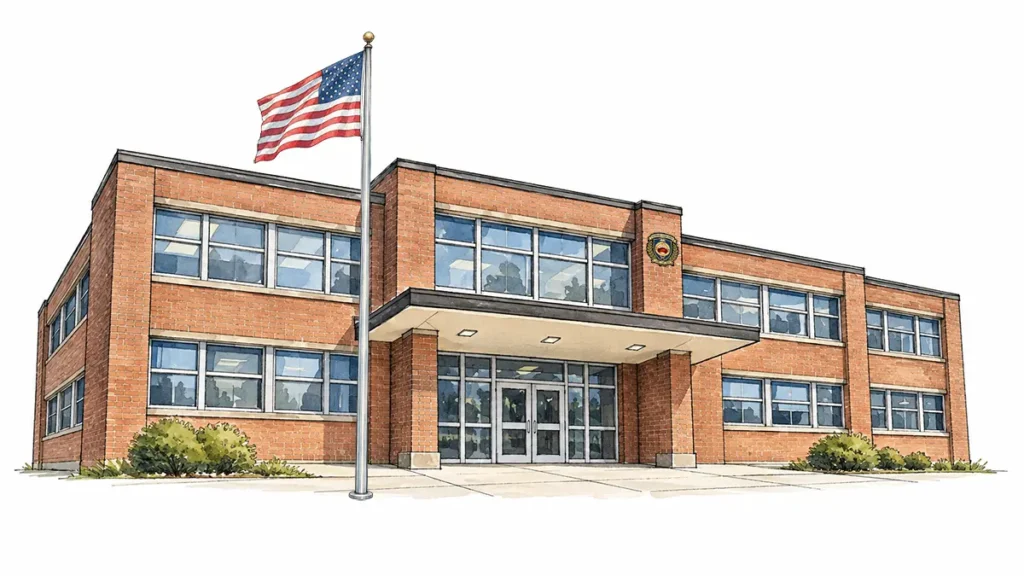
Every day, no other institution has access to as many kids as schools. Kids who might only eat one real meal a day can have breakfast and lunch. Participation increases in districts that offer breakfast after the first bell since no one is required to arrive early or form a separate line. Students who take an extra fruit for later can also be observed by cafeteria personnel.
High-poverty schools are allowed to feed everyone with no application because of community eligibility. Besides, adoption rates continue to rise, and families no longer have to deal with any paperwork. Districts can run the figures and make the move with the assistance of local NGOs.
Health Care Providers Catch What Schools Miss

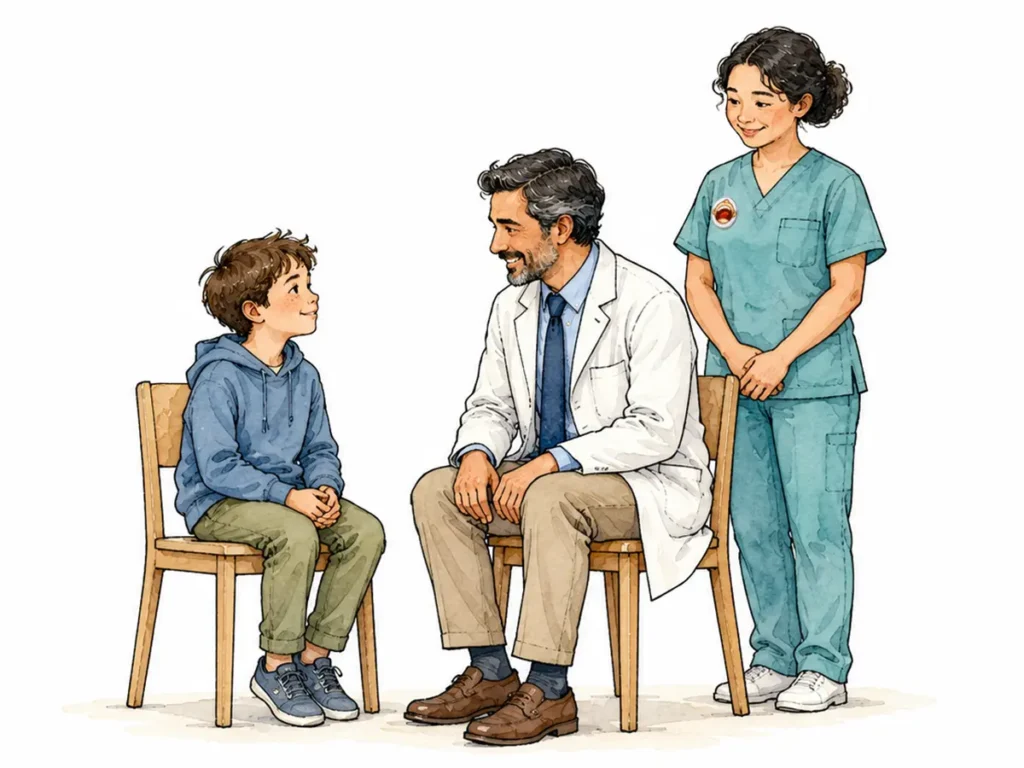
Outside of the school year, pediatric clinics can reach newborns, toddlers, and teenagers. During a regular visit, a two-question screen can identify a struggling household in less than a minute. Families are then referred to benefit programs by doctors in the same manner as they are referred to specialists. A screen built into the intake form costs the practice nothing.
Only a partner on the other end can use those referrals. Follow-through rates increase for clinics that establish a direct line to a nearby food agency. Nevertheless, a warm handoff does far more than a phone number on paper.
Food Banks Gain Reach Through Local Partners
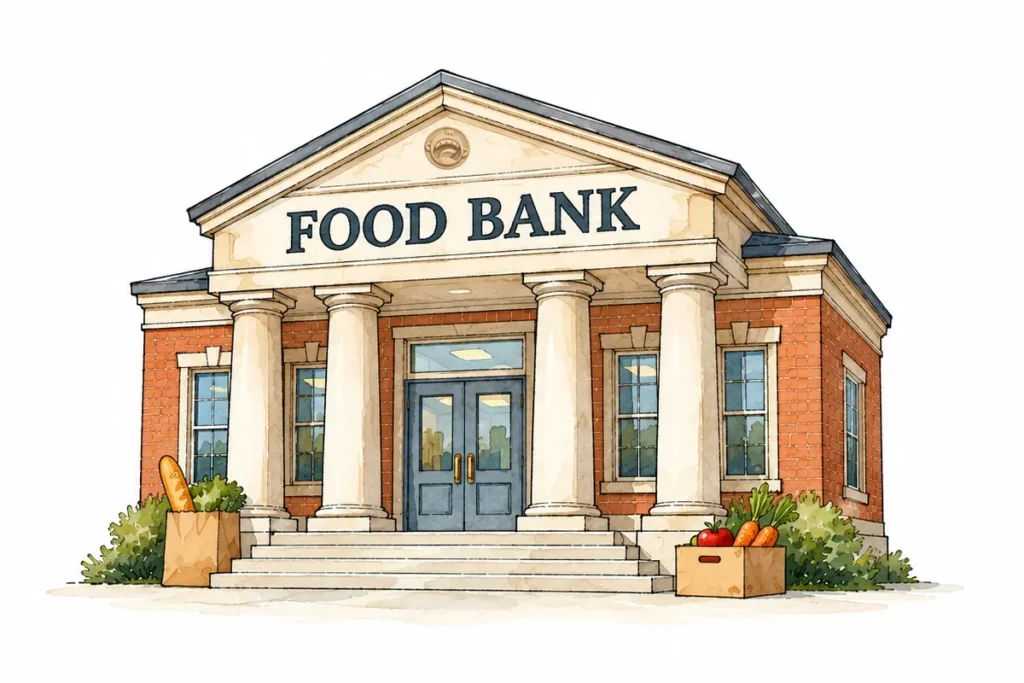
A local food bank already has real purchasing power, trucks, and warehouse space. What it lacks is a presence on every block. That presence is provided by housing complexes, churches, barbershops, and libraries.
The stigma that keeps families away is eliminated through distribution via reliable local websites. A familiar figure can offer a bag to a parent who stays away from a downtown pantry. Logistics are transformed into real meals with partnerships. Likewise, restaurant groups and grocery chains contribute money, drivers, and donated goods.
Shared Data Replaces Guesswork
Information-sharing groups cease duplicating each other’s work. Benefit rolls, clinic screens, and school enrollment records all contain fragments of the map. Overlaid, they display which neighborhoods have three programs on one corner and which ones are vacant.
The extent to which this can be done is restricted by privacy laws, and that restriction is justified. Delivery hours and site placement are still determined by aggregate numbers. Compared to coalitions that exchange notes once a year, those that meet weekly to discuss shared data advance more quickly.
National Campaigns Give Local Groups a Playbook
Many qualifying families never seek government assistance at all. Campaigns have been developed by national NGOs to close that gap, and some of them offer free hotlines that direct a home to the appropriate service. Others publish research that local activists bring to statehouse sessions, train school personnel, and provide funds. Since government food aid was drastically reduced in 2025, many now substantially invest in activism.
Additionally, groups like No Kid Hungry provide tiny organizations with a tried-and-true model that they seldom have. A breakfast cart design that was successful two thousand miles away can be replicated in a rural area of one state. As such, years of trial and error are avoided with shared playbooks.
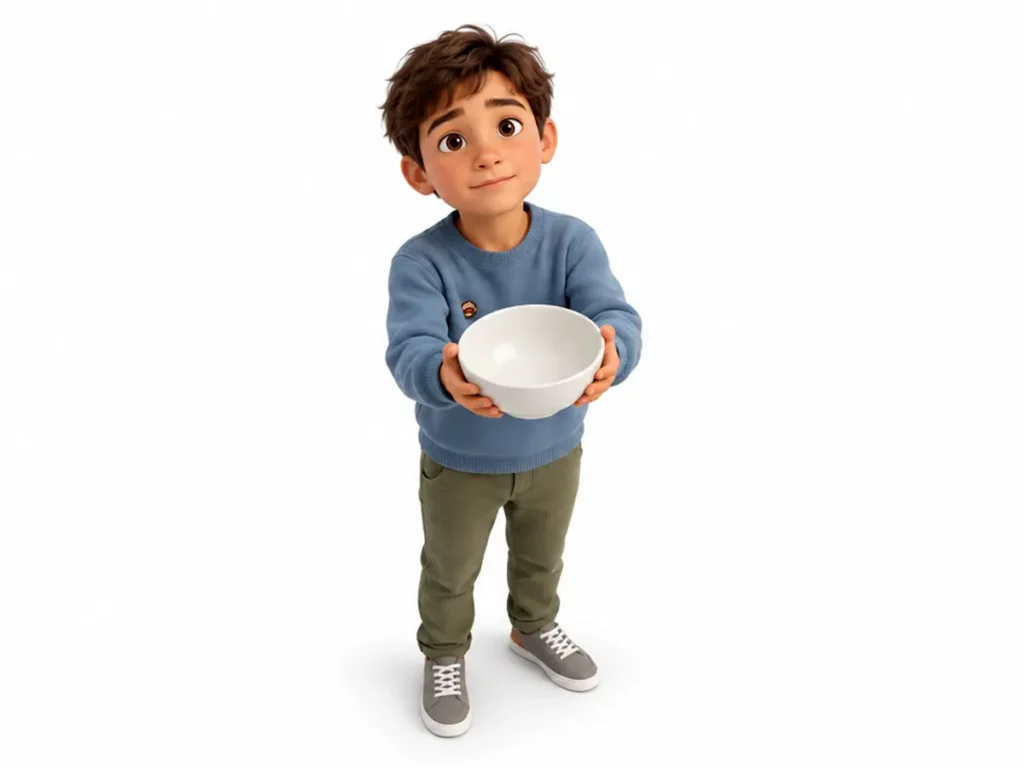
Coordination is more effective in reducing childhood hunger than any one program alone. The child is caught by a school, the sibling by a clinic, and the shelves are kept supplied behind them by a food bank. The models, funding, and research that enable small groups to outperform their peers are provided by national campaigns. Families that have never been discussed by local groups are typically the ones who fall through the cracks. The expense of fixing that is much lower than most people think.
Disclaimer: This article is intended for general informational purposes only. Information regarding food assistance, healthcare screening, government benefits, and community programs may vary by location and eligibility requirements and may change over time. Any organizations, programs, or services mentioned are provided for reference only and do not constitute endorsement. Readers seeking assistance should consult the relevant local agencies or qualified professionals for current information and guidance.