


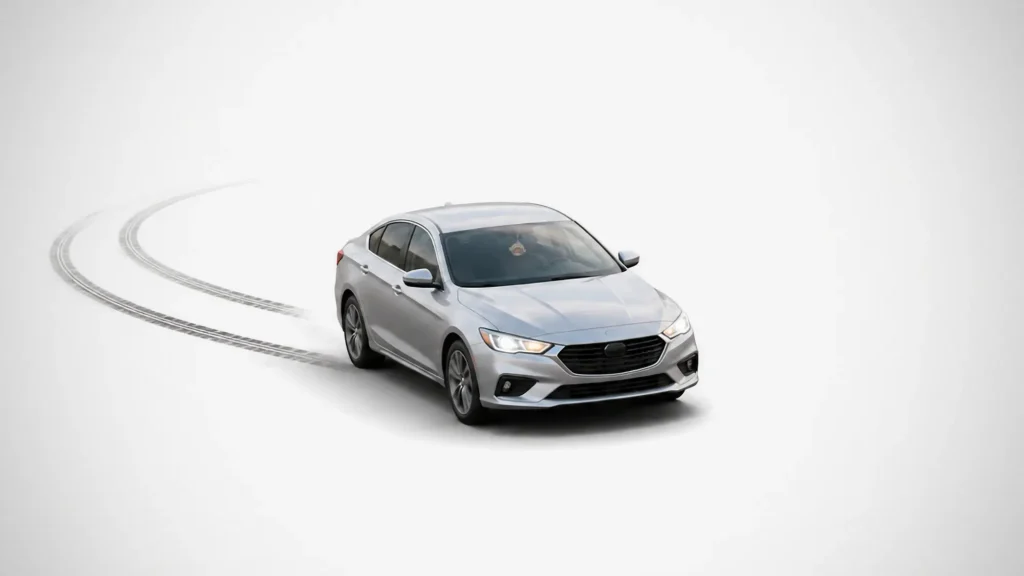
A hit-and-run accident does not always involve two vehicles making contact. A driver may swerve to avoid another vehicle that suddenly enters their lane, lose control, and crash without ever touching the vehicle that caused the danger. These situations can still raise questions about fault and insurance coverage, but proving what happened is often more difficult.
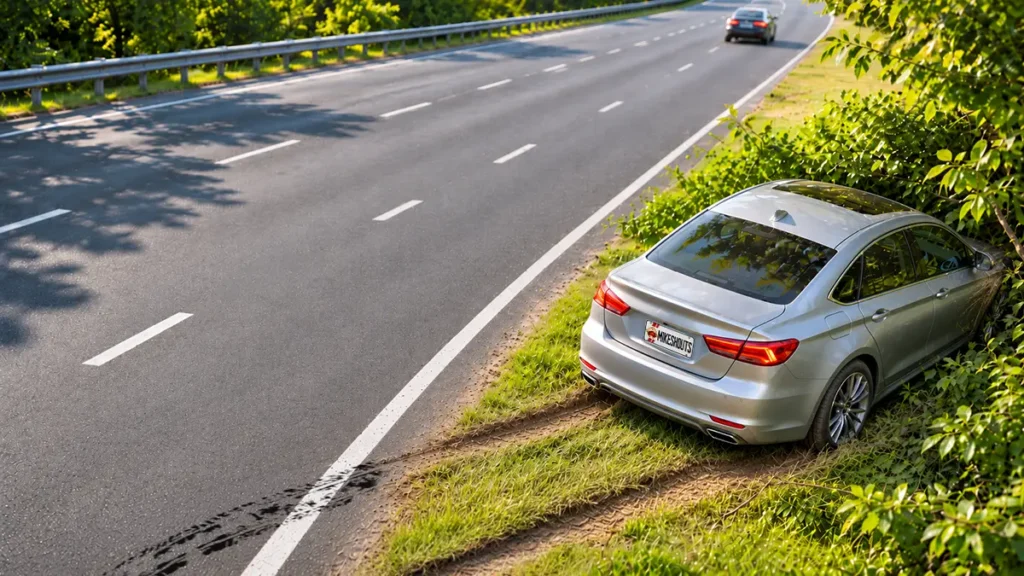
Albuquerque’s road network includes busy intersections, highways, and neighborhood streets where sudden lane changes or unsafe driving can force other motorists to react quickly. When a collision occurs without physical contact, working with a personal injury lawyer in Albuquerque, NM may help identify the evidence needed to explain how another driver’s conduct contributed to the crash.
Why No-Contact Collisions Are Harder to Prove
In a typical rear-end collision, vehicle damage may help show how the vehicles interacted. A no-contact accident has no such physical connection between the vehicles, which means investigators often have to rely more heavily on other evidence.
The injured driver may need to establish that:
- Another vehicle was present and acted negligently.
- The other driver’s conduct created an immediate hazard.
- The injured person reacted reasonably to avoid a collision.
- The evasive action directly contributed to the resulting crash.
- The other driver left without providing the required information or assistance.
For example, a vehicle may cut across several lanes and force a motorcyclist to swerve into a barrier. The absence of contact does not automatically eliminate the possibility of a claim, but the sequence of events must be supported by credible evidence.
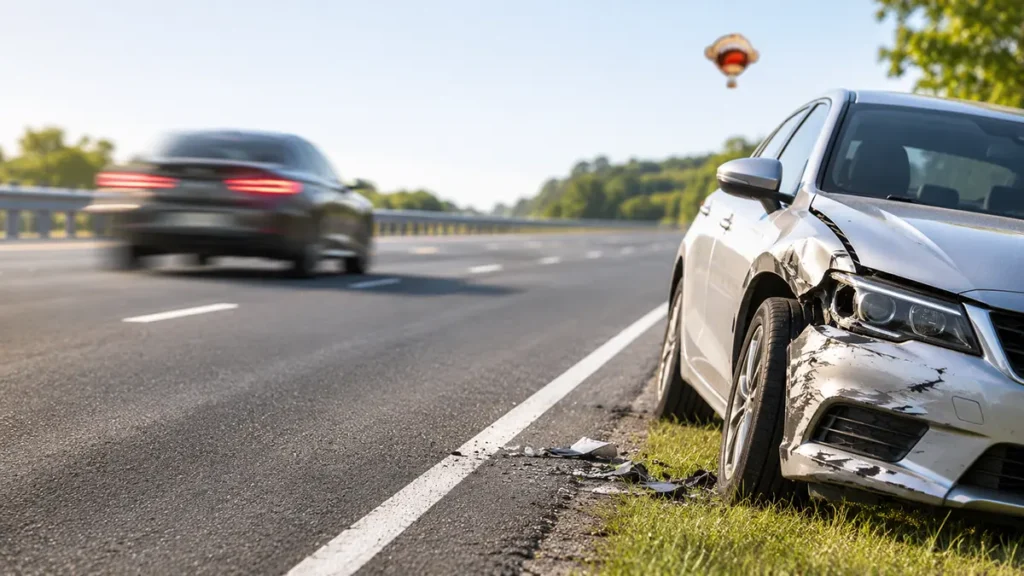
How New Mexico Law May Apply
New Mexico’s hit-and-run requirements are addressed in state traffic laws, including NMSA § 66-7-201, which concerns accidents involving injury or death, and NMSA § 66-7-202, which addresses accidents involving damage to a vehicle. Insurance claims involving uninsured motorists are governed by separate provisions, including NMSA § 66-5-301.
The distinction matters because a traffic-law violation and an insurance claim do not always involve identical requirements. The circumstances of the crash, the applicable policy language, and the evidence identifying the fleeing driver can all affect the outcome.
Evidence Becomes Especially Important
Without vehicle contact, the injured person may have to build a detailed timeline from several sources. Useful evidence can include:
- Witness accounts: People who saw the other vehicle’s movements may help establish what happened immediately before the crash.
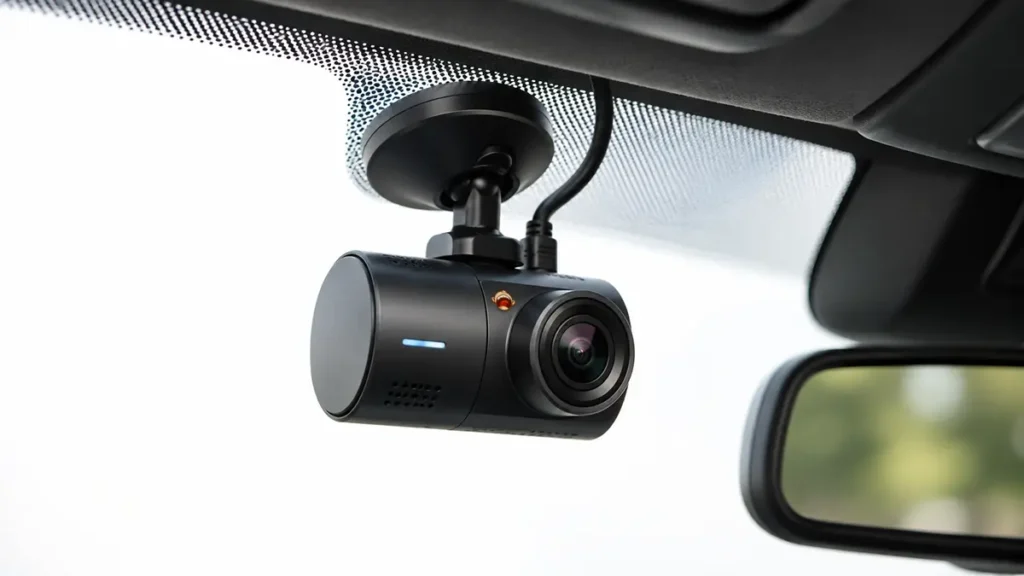
- Dashcam footage: Video can show the other vehicle’s position, speed, and actions, even if its license plate is not immediately readable.
- Nearby surveillance: Traffic cameras, business security systems, and residential cameras may capture part of the incident.
- Vehicle data: Event data recorders may provide information about braking, speed, or steering before impact.
- Physical evidence: Skid marks, debris, road damage, and the final position of the vehicle may help reconstruct the driver’s evasive action.
Reporting the incident promptly can improve the chances of locating useful footage before it is overwritten.
What If the Other Driver Cannot Be Identified?
If the driver leaves and cannot be located, uninsured motorist coverage may become relevant. New Mexico law requires insurers to offer uninsured motorist coverage, subject to applicable statutory requirements and policy terms.
Whether a no-contact collision qualifies under a particular policy can depend on the policy language and the governing law. It is important not to assume that every policy requires physical contact or that every no-contact event automatically qualifies. The insured person may still need to establish that an unidentified vehicle caused the accident.
Avoid Making Assumptions at the Scene
After a sudden crash, people may describe the event differently because they experienced it from different positions. Avoid guessing about the other driver’s speed or intentions. Record what you actually observed, including the vehicle’s color, direction, approximate location, and any identifying details.
Pro Tip: Write down your recollection as soon as possible. Small details, such as the lane the other vehicle occupied or the direction it traveled, can become harder to remember over time.
Frequently Asked Questions
Can a hit-and-run claim exist without vehicle contact?
It may be possible, depending on the facts, state law, and insurance policy. Evidence must connect the other driver’s actions to the crash.
What if there were no witnesses?
Dashcam recordings, traffic cameras, vehicle data, and physical evidence may still help establish the sequence of events.
Does an unidentified driver automatically mean an uninsured motorist claim will be accepted?
No. The insurer may investigate whether the incident meets the applicable legal and policy requirements.
Key Takeaways
- A hit-and-run incident can involve an evasive crash without direct vehicle contact.
- Proving the other driver’s presence and conduct may be more challenging.
- Video, witness statements, and crash reconstruction evidence can help.
- New Mexico law and the insurance policy determine whether uninsured motorist coverage applies.
- Prompt reporting can help preserve evidence and identify the fleeing driver.
Disclaimer: This article is for general informational purposes only and does not constitute legal advice. Laws and insurance coverage requirements may vary depending on individual circumstances and policy terms. Readers should consult a qualified attorney for advice regarding their specific situation.