


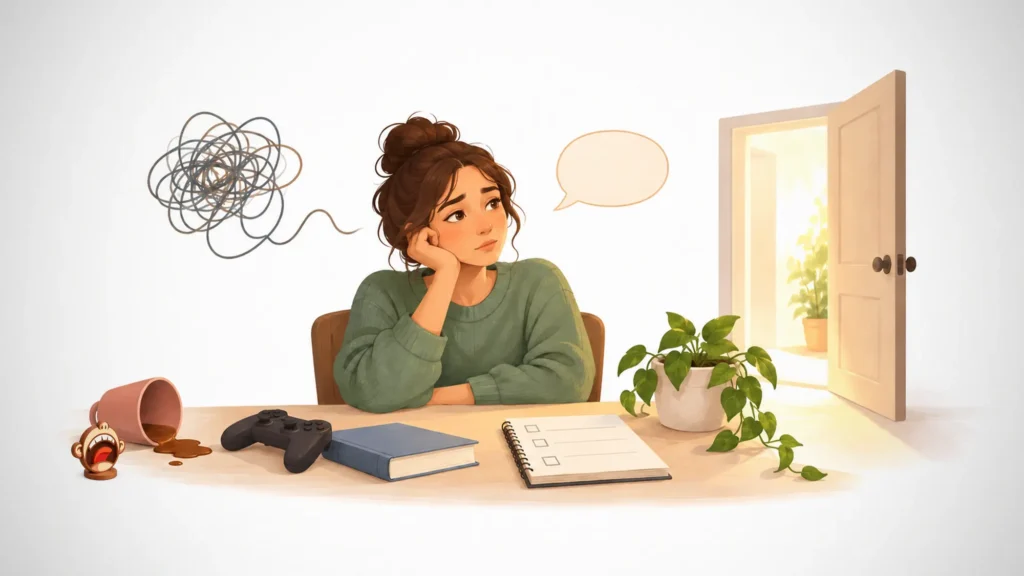
It is easy to convince yourself that you are just tired, busy, or going through a rough patch. You keep getting on with work, answering messages, meeting responsibilities, and telling yourself things will probably feel easier soon. Sometimes they do. Other times, those feelings stick around and gradually start affecting more areas of your life.
Recognizing that your mental health needs attention does not mean waiting until you reach breaking point. Often, the earlier you notice that something feels off, the easier it can be to start making changes and finding the right support.
1. Your Emotions Are Becoming Harder To Manage

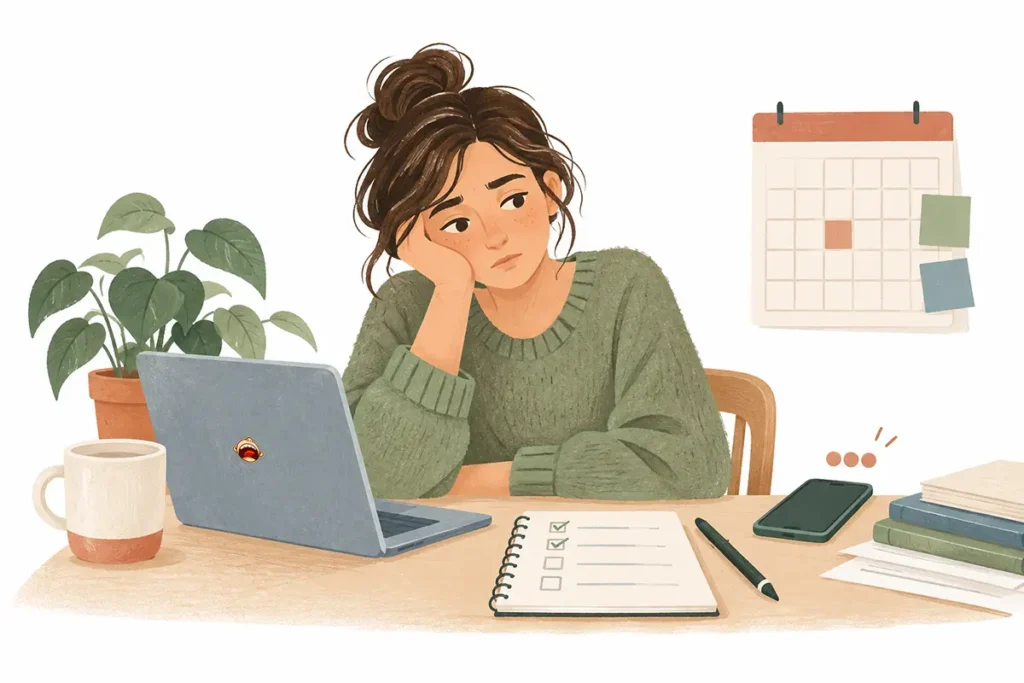
Everyone experiences difficult emotions, but pay attention if sadness, anxiety, frustration, or anger regularly feels overwhelming. You may find yourself becoming upset about things that would not normally bother you or struggling to calm down once emotions take over.
When your emotional reactions begin affecting relationships, work, or your ability to enjoy everyday life, it may be worth exploring what is behind them rather than continually trying to suppress them.
2. Your Coping Mechanisms Are Becoming Unhealthy
The ways you respond to stress can reveal a lot about your mental well-being. You might start withdrawing from other people, relying heavily on alcohol, spending impulsively, exercising excessively, or developing increasingly complicated behaviors around food.
If food, eating, exercise, or body image has become a major source of distress, specialized support may be appropriate. For example, exploring options for eating disorder treatment in Dallas can help someone understand what professional treatment involves and what forms of support may be available for their individual circumstances.
3. You No Longer Enjoy Things You Usually Love

Maybe weekends used to mean meeting friends, going to the gym, cooking, gaming, or spending time outdoors. If those activities suddenly feel like effort, or you simply cannot find much enjoyment in them anymore, take notice.
Losing interest in hobbies and relationships can happen for many reasons, including prolonged stress and low mood. Rather than assuming you have simply become lazy or unmotivated, consider whether your mental health could be playing a role.
4. Everyday Tasks Feel Surprisingly Difficult
Mental health can affect much more than your mood. When you are struggling, ordinary responsibilities can suddenly feel enormous. You might procrastinate over basic tasks, struggle to concentrate at work, forget appointments, avoid messages, or feel exhausted by decisions that once seemed simple. If everyday life consistently feels harder to manage, reaching out for support could help you identify what is contributing to that feeling.
5. You Keep Telling Yourself You Should Ask For Help

Sometimes the clearest sign is the thought you keep pushing away. If you have repeatedly wondered whether you should speak to a therapist, counselor, doctor, or another professional, that thought itself is worth paying attention to.
You do not have to wait until things reach crisis point before asking for help. Taking control of your mental health can begin with something small, whether that is talking honestly with someone you trust, arranging a professional consultation, or simply admitting that the way you currently feel is not how you want to continue feeling.
Disclaimer: This article is intended for general informational purposes only and should not be considered medical or mental health advice, diagnosis, or treatment. Mental health experiences and treatment needs vary from person to person. Anyone experiencing persistent or concerning symptoms should seek guidance from a qualified healthcare or mental health professional. Any treatment centers, programs, products, or services mentioned are provided for reference only and do not constitute endorsement.