


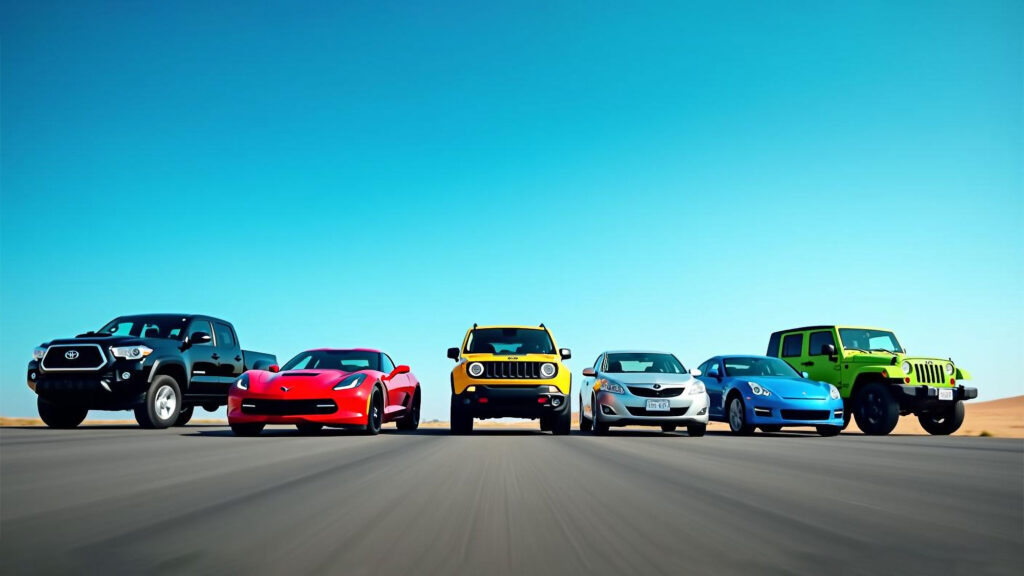
Car insurance rates are influenced by various factors, such as your driving history, age, location, and credit score. However, a frequently ignored aspect is the kind of vehicle you possess.
Whether you realize it or not, your car can significantly impact the amount you pay for your insurance premiums. Thus, whether you’re exploring options for a new vehicle or interested in comparing your current car to others available, here’s essential information on how your vehicle selection affects your insurance premiums.


Specific Car Types and Their Impact on Rates
Not all cars are created equal in the eyes of insurance companies. Some vehicles are inherently more expensive to insure due to factors like repair costs, safety ratings, and likelihood of theft. On the flip side, cars with the cheapest insurance rates tend to be those that are safe, reliable, and inexpensive to repair. For example, sedans and minivans often come with lower insurance premiums compared to sports cars or luxury vehicles. Why? Because they’re less likely to be involved in high-speed accidents or targeted by thieves.
For instance, think about the Honda CR-V or Subaru Outback. These vehicles are favored by insurance firms due to their excellent safety options, durability, and reasonable price. On the other hand, a luxurious sports car such as the Chevrolet Corvette or a high-end model like the BMW M5 will likely incur higher insurance costs. These cars require higher expenses for repairs or replacements, and they are also statistically more prone to aggressive driving, which raises the likelihood of accidents.
Safety Features Matter
A primary reason some vehicles have lower insurance rates is their safety features. Cars equipped with advanced safety features like automatic emergency braking, lane-keeping assistance, and adaptive cruise control typically have lower insurance costs. This is because of the reduced likelihood of accidents, resulting in generally lower premiums charged by insurers. Consequently, while looking for new cars, it is beneficial to think about models with these characteristics that not only enhance driver safety but can also help them save money.
Cars that are highly rated for safety by organizations such as the Insurance Institute for Highway Safety (IIHS), National Highway Traffic Safety Administration (NHTSA), and Insurance Bureau of Canada (IBC) usually have cheaper insurance prices in both the U.S. and Canada. These evaluations apply crash tests to assess; vehicles showing exceptional performance often result in insurers seeing them as less risky, resulting in affordable premiums.
Repair Costs and Availability
The cost of repairing or replacing a vehicle post-accident significantly influences car insurance rates. Luxury vehicles and high-performance sports cars, with their expensive parts and specialized components, command higher premiums. For example, a luxury sedan—boasting custom engineering and imported materials—necessitates specialized labor and pricy parts for repairs, thereby escalating claim costs for insurers. The policyholder bears this increased financial risk through higher premiums.
Standard sedans or compact cars—equipped with readily accessible and affordable parts—yield lower repair costs. Insurers, consequently, deem these vehicles less risky to insure due to their faster and cheaper reparability; a boon for drivers aiming to maintain manageable insurance rates.
Furthermore, cars sporting simpler designs and fewer high-tech features tend to avoid exorbitant repair bills. This reduction, as a result, mitigates their premium impact.
Frequent repairs, a factor implicating premium costs, diminish with the choice of reliable and durable car models. Selecting a car renowned for its minimal maintenance requirements—therefore, strategically minimizes insurance expenses over time.
Theft Rates and Popularity
Nobody desires to have their vehicle taken, yet the prevalence of thefts can influence insurance rates. Vehicles that are often sought by thieves are viewed as higher risks, resulting in increased premiums. The National Insurance Crime Bureau (NICB) reports that more than 1 million vehicles were taken in the U.S. in 2022, representing a 7% rise compared to the year before. Likewise, from 2021 to 2023, vehicle thefts in Canada rose by roughly 48% in Ontario and 58% in Quebec. This increase in thefts has led insurers to change their rates, particularly for high-risk vehicles.
Ford F-150 trucks, specifically, are vulnerable to theft because of their elevated resale value and the demand for their components. Additionally, specific luxury and sports vehicles are also more prone to being stolen. Conversely, vehicles that experience reduced theft rates usually incur lower insurance expenses; this accounts for why models like the Subaru Outback or Honda CR-V frequently face lesser theft. If theft concerns are paramount for you, then be sure to look into the theft rates for any car before purchasing it.
Age and Mileage
Although the kind of car you own is a significant factor, its age and mileage also contribute to assessing insurance costs. Older vehicles with high mileage typically have lower insurance costs since they are less valuable and more affordable to replace. Nonetheless, this is not always true; if your older vehicle doesn’t have modern safety features or frequently experiences breakdowns, you could end up spending more over time.
On the other hand, insurance costs for newer cars can be high due to their increased value and repair costs. Even so, if a new car is equipped with advanced safety features it may offset some of these expenses. It’s a fine line, and getting an idea of how age and mileage influence your charges could help you make better choices.

Conclusion
To find a car that suits both your lifestyle and financial situation, it is not just about liking something; it’s also important to comprehend how this choice will affect the cost of insurance. Elements like safety features, repair expenses, theft frequency, and type of vehicle are all essential factors when you make this big decision. If saving money is your goal, choosing cars with low insurance rates such as dependable sedans or SUVs with high safety scores can be very beneficial.
Finally, the type of vehicle you drive has a clear effect on how much the insurance cost will be. If you do your research and consider these factors, it can assist in making a smart decision that keeps both yourself content and your money safe. Therefore, when buying a new car next time, remember: the car you always wanted may carry an expensive insurance premium. Choose wisely!
Disclaimer: This article is for informational purposes only and should not be considered financial or insurance advice. Insurance rates vary based on multiple factors, including personal driving history, location, and individual insurance provider policies. Always consult with a licensed insurance professional to obtain personalized advice and accurate rate estimates before making decisions about vehicle purchases or insurance coverage. The authors and publishers are not responsible for any financial or insurance-related outcomes resulting from actions taken based on this article.