


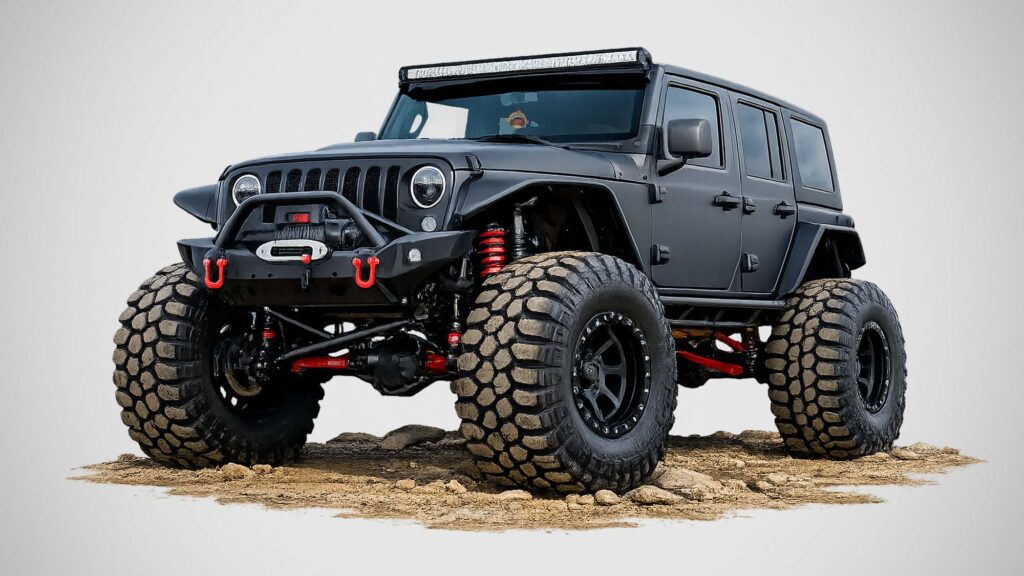
Upgrading your Jeep or truck with larger tires and suspension modifications opens the door to better off-road capability, improved ground clearance, and a more aggressive stance. But bigger tires bring more than just visual impact—they come with real mechanical and performance implications you can’t afford to overlook.

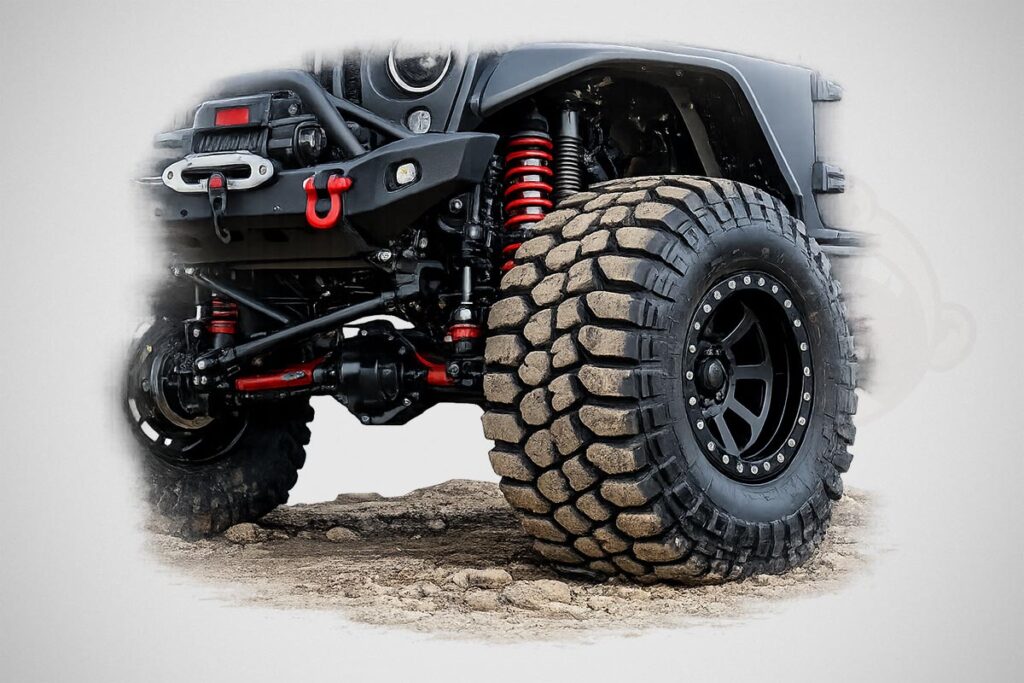
Whether you’re considering 33 inch off road tires or stepping up to 35s, it’s critical to understand how these changes affect clearance, articulation, braking, and overall drivability. Done right, your build will be powerful, reliable, and trail-ready. Done wrong, it could compromise safety and performance both on and off the road.
Here are five essential things you need to know before running larger tires with suspension mods.
Clearance and Articulation Considerations
One of the most immediate concerns when installing larger tires is clearance—not just in your fender wells, but throughout the entire suspension cycle.
When you increase tire diameter, you risk tire rub during full suspension compression, especially under load or during articulation on the trail. This can damage body panels, fenders, or even critical suspension components.
Here’s how to address it:
- Lift height must match tire size: For 33-inch off-road tires, a modest 2–2.5″ lift is often sufficient. For 35 tires, you’ll likely need 3.5″ or more, depending on the vehicle.
- Wheel backspacing and offset: These determine how far your tires sit from the suspension and body. Improper backspacing can cause rubbing, especially during turns or articulation.
- Trimming may be necessary: In some cases, even with the right lift, you may need to trim fender liners or bump stops to prevent contact during full flex.
Suspension upgrades like long-arm kits or adjustable control arms also help improve articulation, ensuring your larger tires can move freely without binding or contact.
Pairing your tires with correctly sized and durable Jeep rims is equally important. The right rims will ensure proper bead seating, help with clearance, and support the weight and stress of off-road driving.

Brake Performance and Stopping Distance
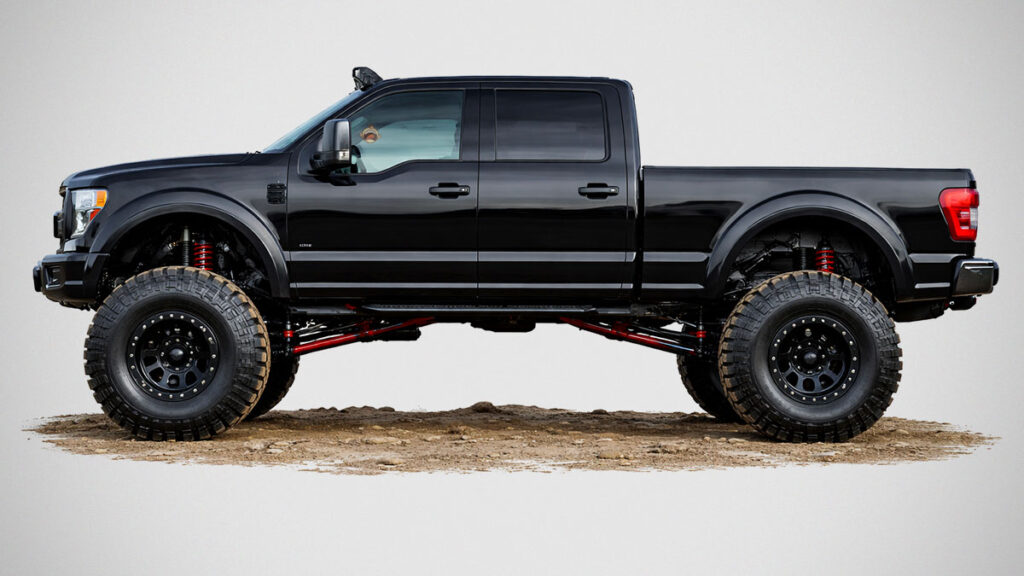
While larger tires improve traction and trail performance, they also increase rotational mass, which puts more strain on your braking system. Many drivers forget to account for the effect of larger tires on stopping distance—a potentially dangerous oversight.
Here’s what happens:
- Heavier tires take longer to stop because they require more braking force
- The leverage effect of a taller tire means your brakes have to work harder to slow it down
- Stock brake pads and rotors can overheat or fade when under increased demand
To maintain safe and predictable braking performance, consider:
- Upgrading to larger rotors and multi-piston calipers
- Installing high-friction brake pads designed for off-road and oversized tire applications
- Regularly inspecting your brake system, especially after long trail days or heavy loads
If you’re running 35 tires, these upgrades aren’t optional—they’re essential. Your braking system must match your rig’s increased size and weight to ensure performance and safety on any terrain.
Final Thoughts: Balance Size with Performance
Upgrading to 33-inch off-road tires or 35 tires can dramatically improve your off-road capability—but only if you make the right supporting modifications. Bigger isn’t always better unless your suspension, brakes, and wheels are up to the task.
From clearance to articulation to stopping power, every part of your build plays a role. Oversized tires demand more from your suspension and braking systems, and a lack of planning can lead to performance issues or damage on the trail.
Start with a well-matched lift kit, make sure you’re running the correct Jeep rims, and don’t neglect the importance of brake upgrades. With the right components and proper setup, your rig will be ready to handle anything the trail (or the road) throws your way.
Disclaimer: This article is intended for general informational purposes only and does not constitute professional mechanical or safety advice. Vehicle modifications may affect warranty, legality, and road safety. Always consult with certified mechanics or automotive specialists before making changes to your vehicle’s suspension, tire size, or braking system.