


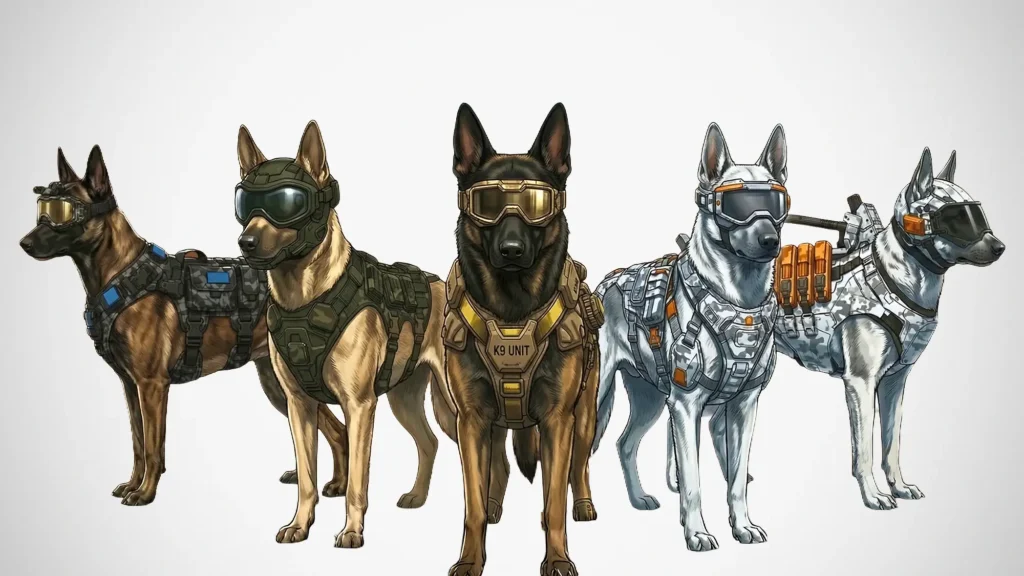
Armed conflict is cruel enough without dragging more dogs into it. But while some countries pursue robot dogs, Warhound has launched with US$200 million to “rebuild America’s military working dog supply.” So, yeah, real dogs.
Military working dogs are nothing new. What turns heads here is how Warhound, conceived by American technology entrepreneurs Ben Lamm and Palmer Luckey, plans to use advanced genetics and defense technology to enhance them. Hmmm, why did the image of Cerberus just pop into my head?
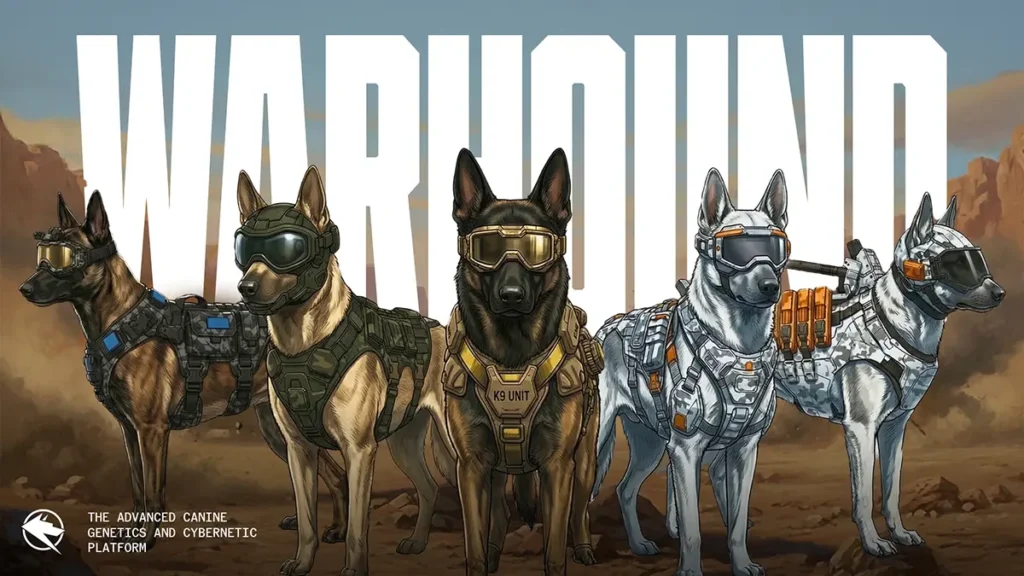
Before anyone starts counting heads, the announcement concerns genetics, cloning, training, and wearable technology. No three-headed dogs were announced. One mouth to feed remains the arrangement.
The Texas-based company emerged from stealth with that US$200 million seed round and former Marine and intelligence official David Spirk as CEO. Its intended customers include the U.S. military, law enforcement, and emergency responders.
According to Warhound, more than 80 percent of America’s military working dogs currently come from Europe, and fewer than half of the dogs procured ultimately qualify for service after the acquisition-and-training process. That is the supply problem it wants to address.
Colossal Biosciences supplies the genetics, cloning, and animal-biology technology. Warhound plans to preserve genetic material from top-performing working dogs through secure biobanking, then combine cloning and genetic enhancements with training and animal care. The stated goal is healthier dogs with suitable working characteristics and a better chance of completing training. Cloning, incidentally, does not mean a puppy arrives knowing how to detect explosives. The training remains part of the deal.
Anduril handles the technology side, supplying what the companies call cybernetic “Augments,” software, and situational-awareness capabilities. The announcement mentions eye and ear protection and Eagle Eye technology, although it doesn’t spell out the complete equipment package. So, hold the mental image of a German Shepherd with a built-in targeting display.
There is an animal-welfare component, too. Warhound says American Humane Society will certify its training programs and support retirement arrangements, including reunification with former handlers and adoption. The company also intends to make therapies and technologies developed through the program available beyond working dogs.
Whether any of that makes you more comfortable with sending animals into dangerous situations is another question. Warhound argues that, while dogs continue doing these jobs, their breeding, equipment, care, and retirement should get an upgrade. Why do I have the feeling that people will take to the streets to oppose this?
Images: Warhound.