Augmental’s MouthPad Turns the Tongue Into a Computer Mouse
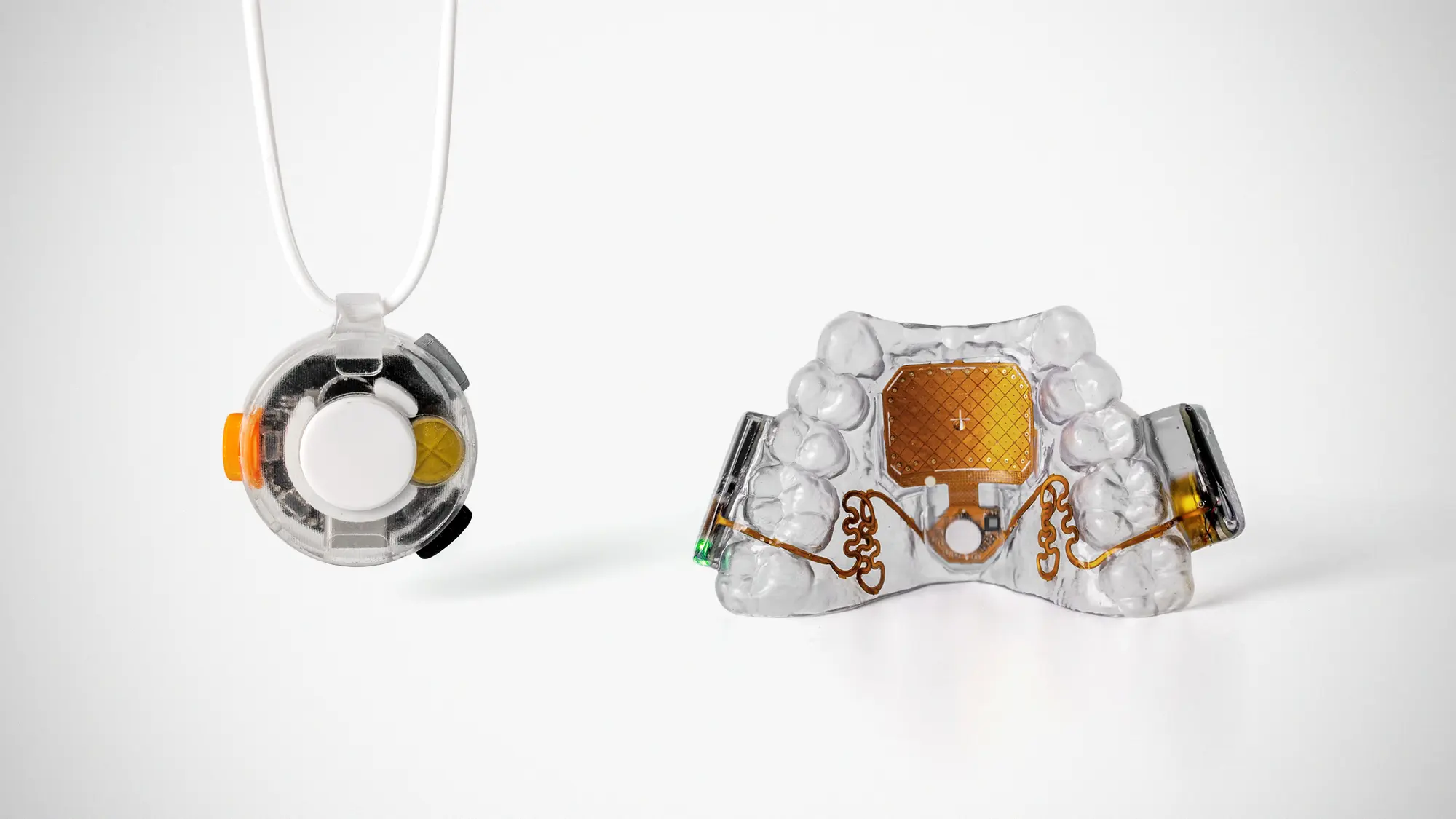
The custom-fitted MouthPad enables cursor control using tongue movements, while VOX turns quiet speech into text—and the pair may eventually enable silent communication.

The custom-fitted MouthPad enables cursor control using tongue movements, while VOX turns quiet speech into text—and the pair may eventually enable silent communication.

Spinning at up to 25 times per second, Northwestern University’s Phantom Twist turns itself into a ghostly smudge that is remarkably difficult to see.

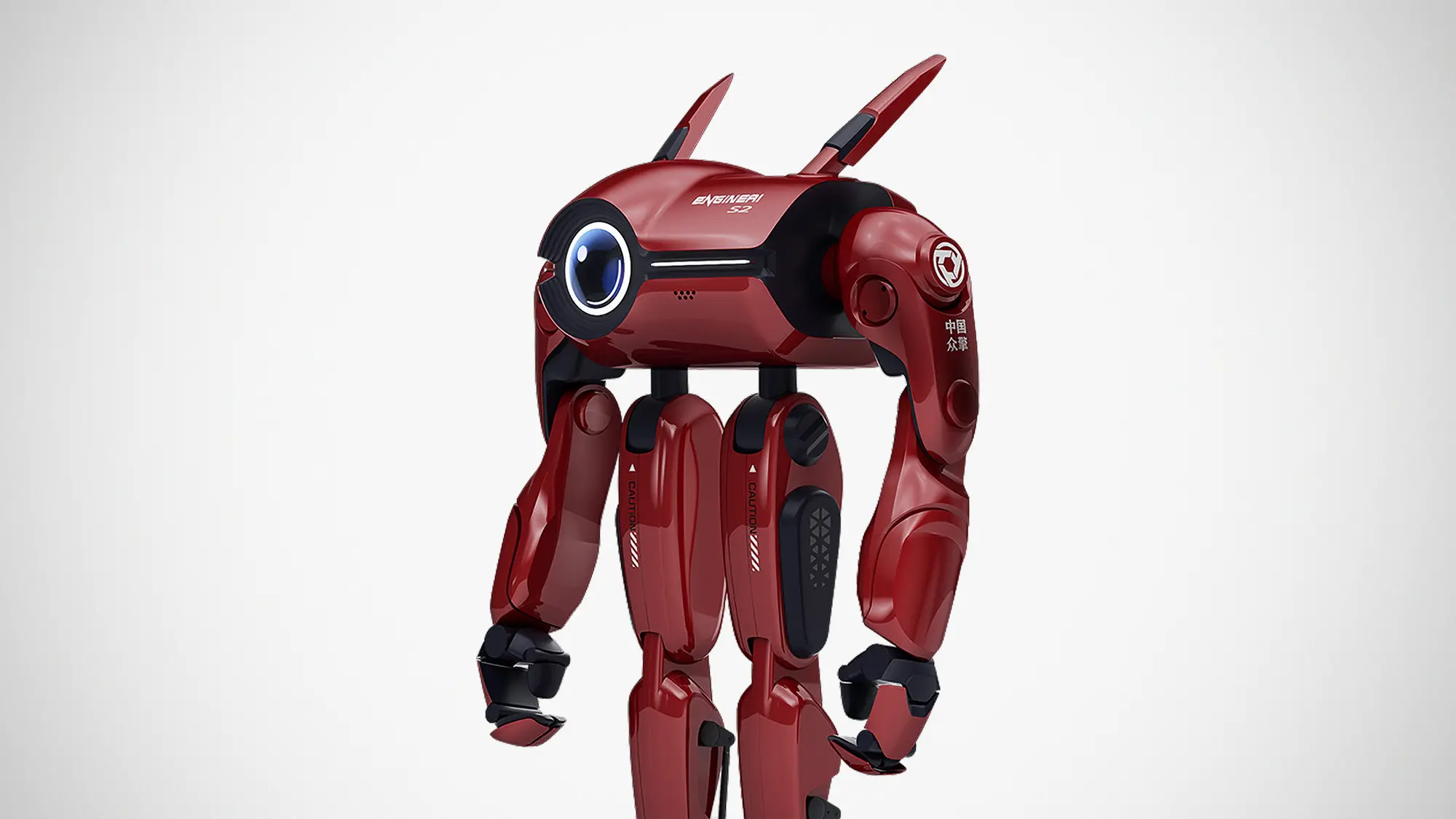
Unlike most AI contests, the Shenzhi Cup pushes teams through live technical evaluations, robotics challenges, and real-world verification before the winners take the stage at WAIC 2026.

The future has officially arrived. UBTECH’s consumer humanoid robot can walk, talk, recognize emotions, remember your preferences, and even give you a hug—though don’t expect it to fold your laundry just yet.

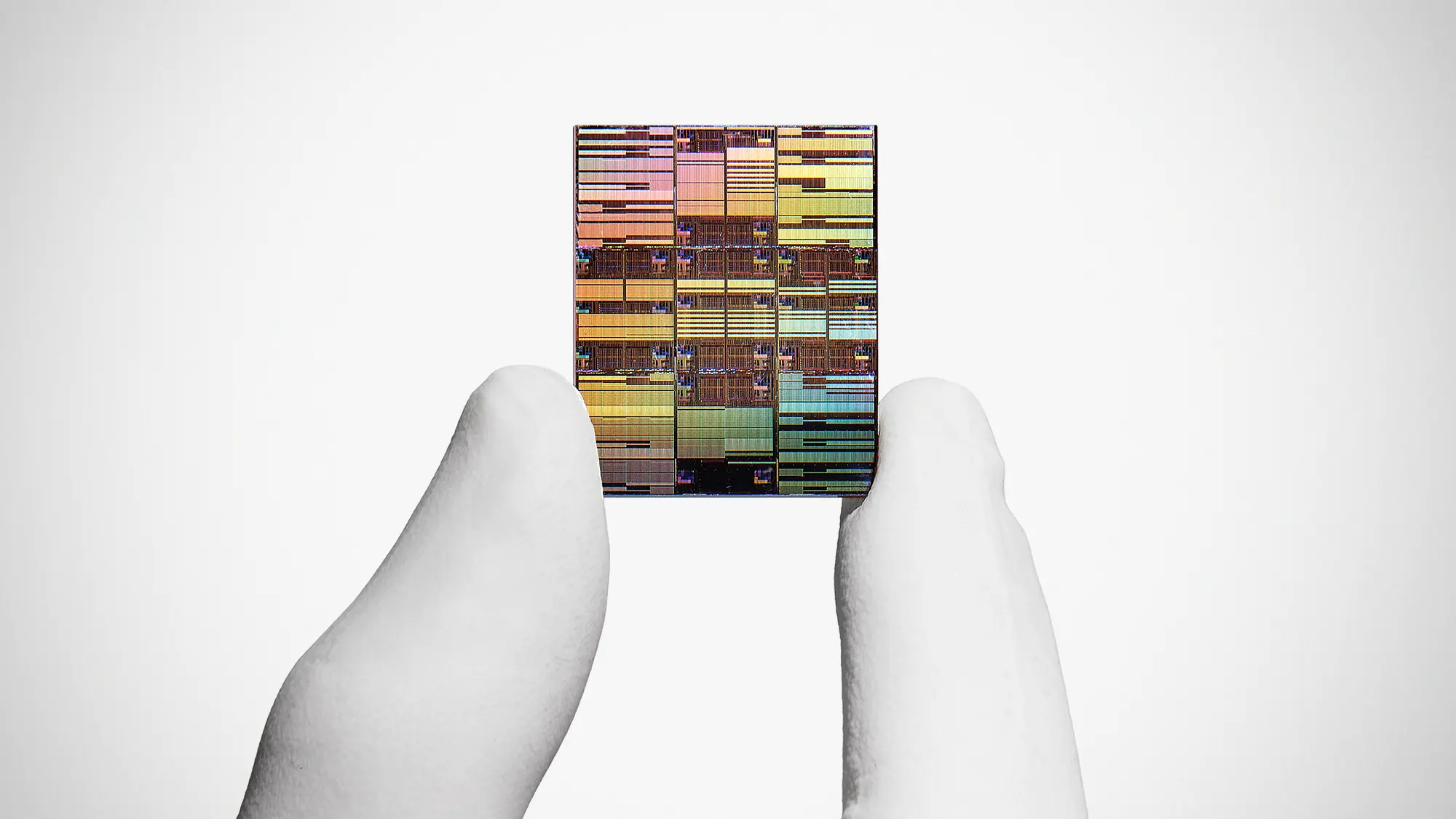
IBM has achieved a major semiconductor milestone with the world’s first 0.7 nm chip technology. Powered by its new Nanostack 3D architecture, the breakthrough packs nearly 100 billion transistors onto a fingernail-sized chip and could shape computing for the next decade.

Forget humanoid robots that spend half their time trying not to fall over. Genesis AI’s Eno rolls in on wheels instead, proving that practical engineering may matter more than looking human. Equipped with dexterous robotic hands and powered by the GENE foundation model, Eno was built to work—not to win a robot beauty pageant.

The Diver-X ContactGlove3 Pro captures fingertip movements with sub-millimetre precision using EMF tracking, giving robotics researchers and developers a powerful new tool for teleoperation, imitation learning, and AI training.

Your first laser engraver helped launch your business, but success can quickly expose its limits. If you’re turning down orders, spending more time troubleshooting than creating, or eyeing higher-margin work, it may be time to invest in a machine built for commercial production.

Forget wrestling with charging cables. Xiaomi’s EV Home Charging Robotic Arm can automatically connect to a parked EV, start charging, and unplug itself when the job is done.

SuperBrain 1 from Estonian startup 7Sense uses AI and haptic feedback to help blind and visually impaired users understand their surroundings. The hardware exists and the science behind sensory substitution is well established, though bold claims and dramatic videos deserve healthy skepticism.

From sourcing candidates and screening resumes to scheduling interviews and tracking KPIs, this guide shows how small businesses can use a recruitment virtual assistant to streamline hiring without giving up control.