


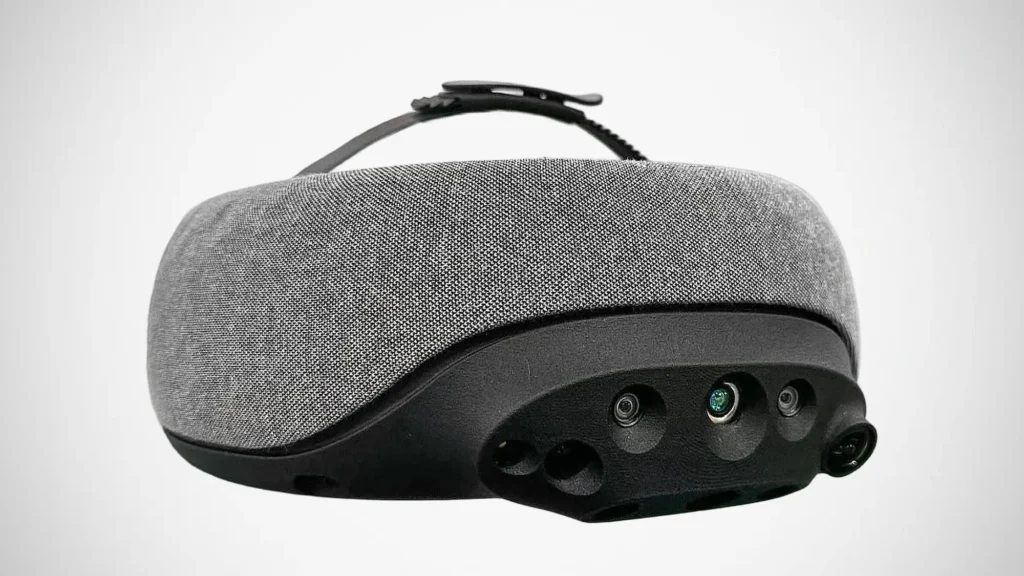
Every now and then, a gadget comes along that sounds like it was pulled straight out of a science fiction movie. SuperBrain 1 from Estonian startup 7Sense is one such device. Depending on who you ask, it is either a revolutionary breakthrough or something that deserves a healthy dose of skepticism. The truth probably lies somewhere in between.
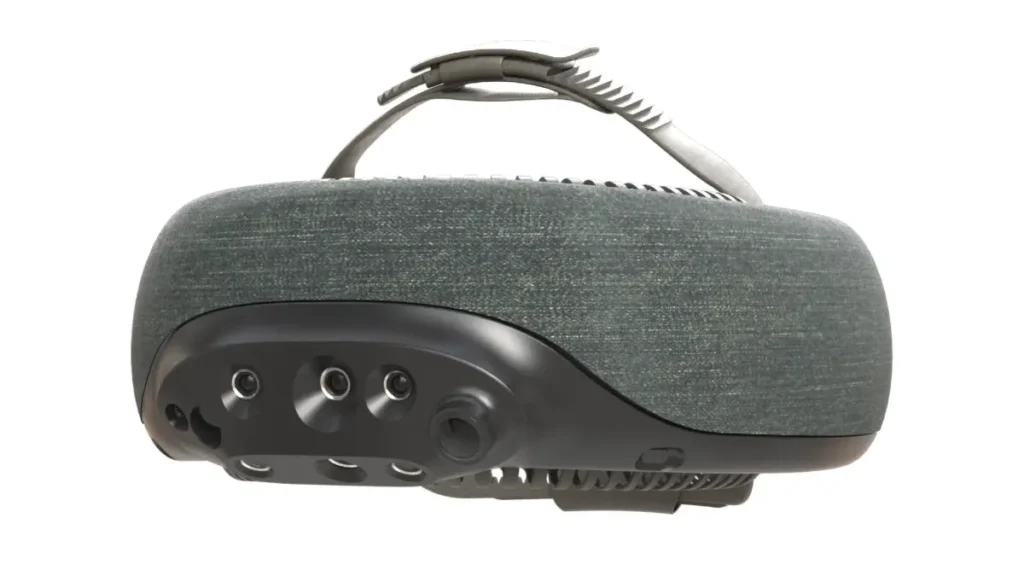
SuperBrain 1 is an assistive device designed for blind and visually impaired users. Instead of attempting to restore sight, it uses cameras and artificial intelligence to interpret the surrounding environment and convey information to the wearer through haptic feedback on the forehead. 7Sense calls the technology “Telehaptic Vision.”
The concept itself is not new. Researchers have been exploring sensory substitution for decades. The idea is that the brain can learn to interpret information received through touch, hearing, or other senses to compensate for missing visual input. BrainPort, which converts camera images into electrical stimulation on the tongue, is perhaps one of the better-known examples.
According to 7Sense, SuperBrain 1 can help users identify objects, recognize obstacles, and better understand their surroundings. Promotional videos even show users navigating spaces with remarkable confidence.
That said, if the internet has taught us anything, it is that a dramatic video does not equal scientific consensus. Independent studies and real-world user experiences appear to be limited, and claims that sound suspiciously close to “seeing again” should probably be approached with caution. Learning to interpret haptic information is unlikely to be as effortless as some videos might suggest.
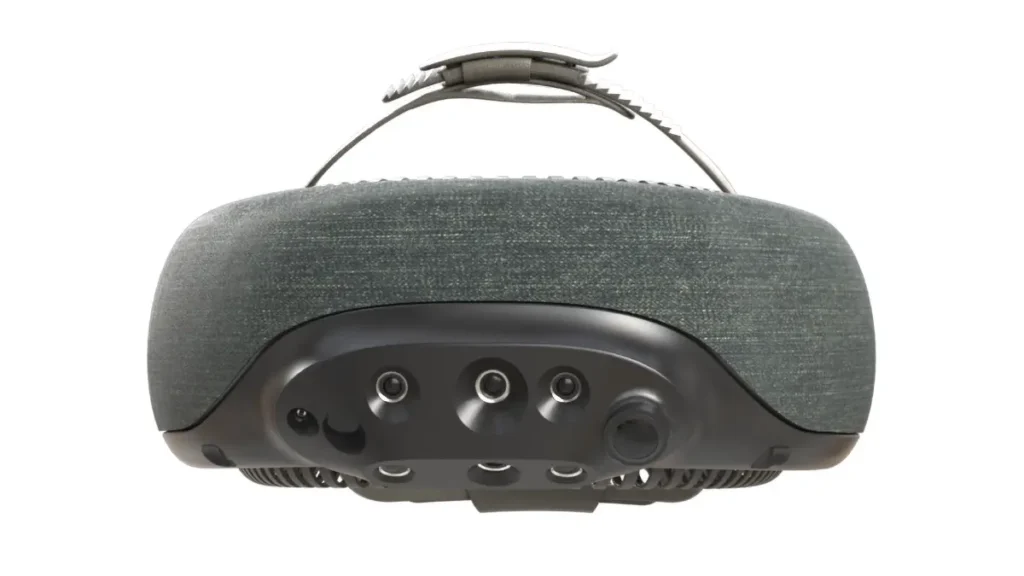
None of this means SuperBrain 1 is fake. The company is real, the hardware exists, and the science behind sensory substitution is well established. Whether SuperBrain 1 ultimately proves to be life-changing, moderately helpful, or merely a fascinating experiment remains to be seen.
Still, one cannot deny that the idea of teaching the brain new tricks is pretty remarkable. Even if the future turns out to be less miraculous than the marketing videos, it is hard not to be intrigued. Speaking of intrigue, for something that is already on the market, SuperBrain 1 surprisingly lacks independent reviews and hands-on videos.
So, yes, SuperBrain 1 is a real product you can buy. It is available in two versions: SuperBrain 1 and SuperBrain Lite. The former sells for a cool €9,000 (~US$10,282) while the latter is lighter on your wallet at €5,499 (~US$6,282). The key differences between the two are the lack of a thermal camera and support for third-party development for the Lite version.


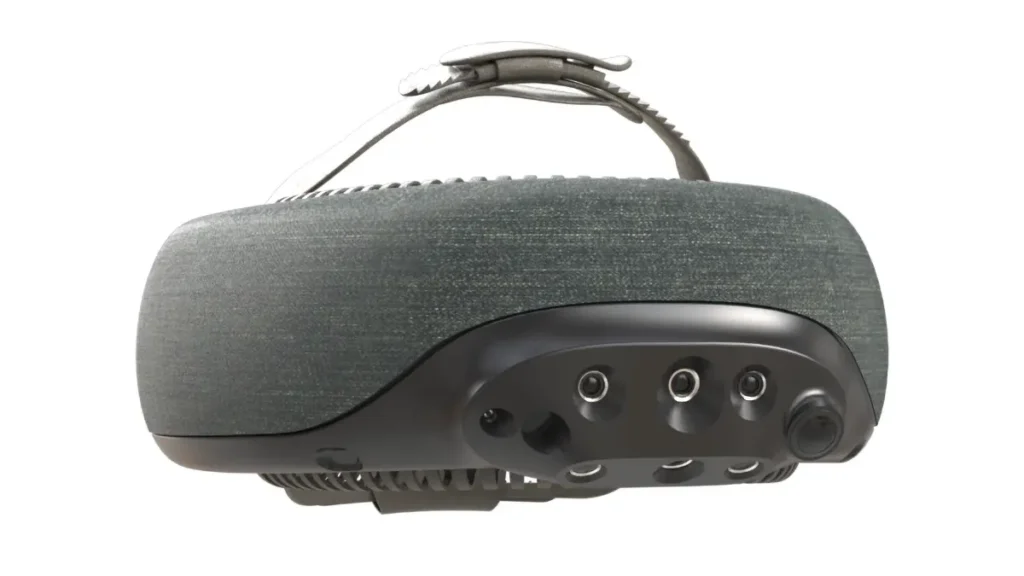




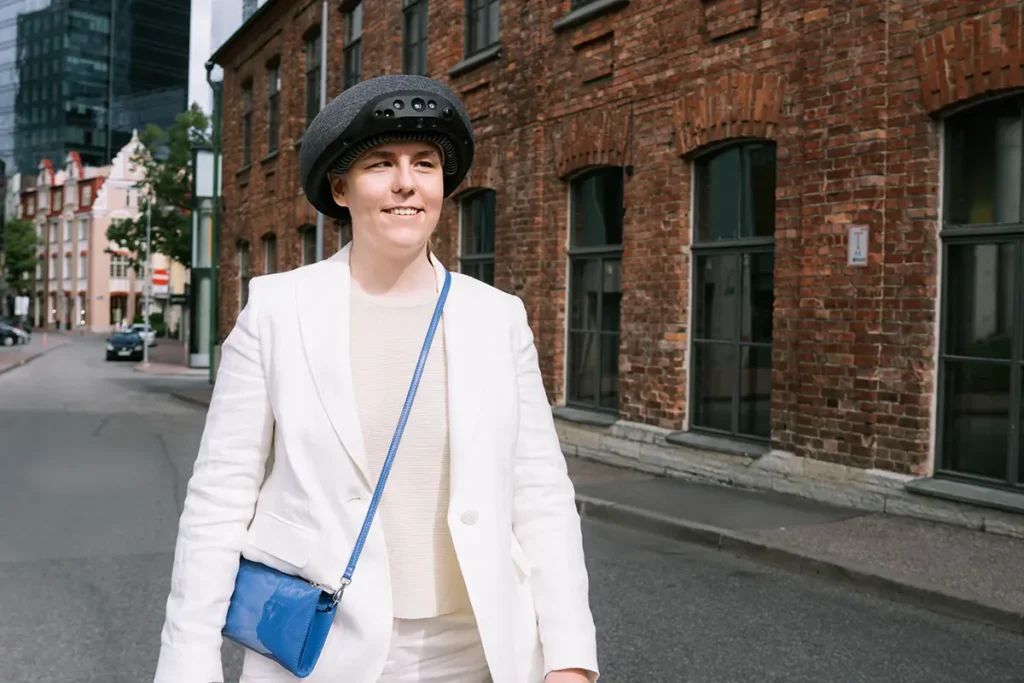
Images: 7Sense.