


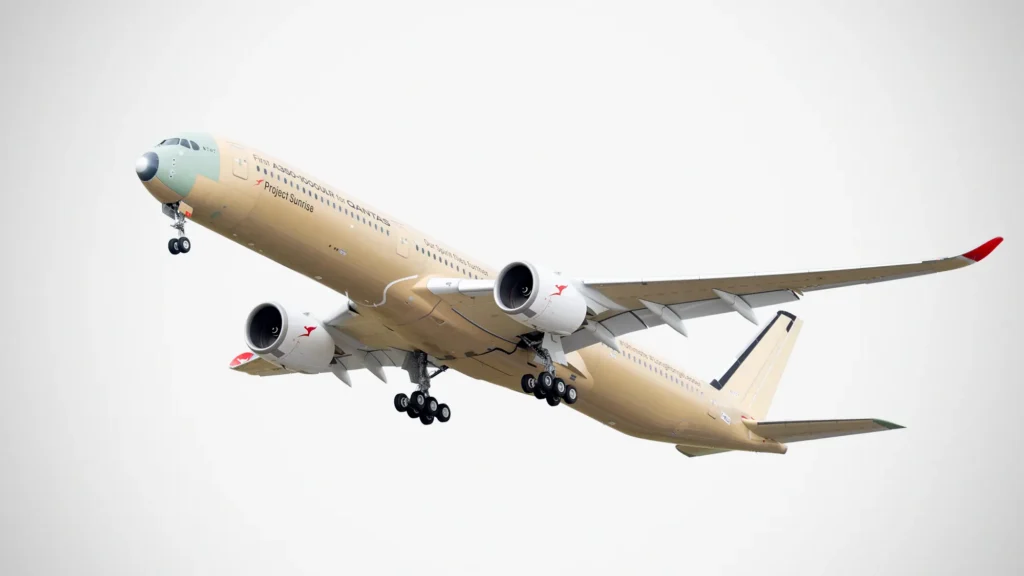
Just when you thought airlines had squeezed every last nautical mile out of modern airliners, Airbus turned up with a new record holder. Meet the Airbus A350-1000ULR (Ultra Long Range), an aircraft built to make layovers feel increasingly unnecessary—and for those thrilled about being in the skies, inside a tin can for an extended period of time.
The first A350-1000ULR, known as MSN 707, has officially taken to the skies, completing its maiden flight from Toulouse, France. The three-hour-and-43-minute test flight reached just over 41,000 feet, kicking off a two-month certification campaign before the aircraft eventually joins Qantas’ ambitious Project Sunrise. The milestone also comes as Airbus continues to pull ahead in one corner of the ultra-long-haul race, with Boeing’s long-delayed 777X still working its way through certification.
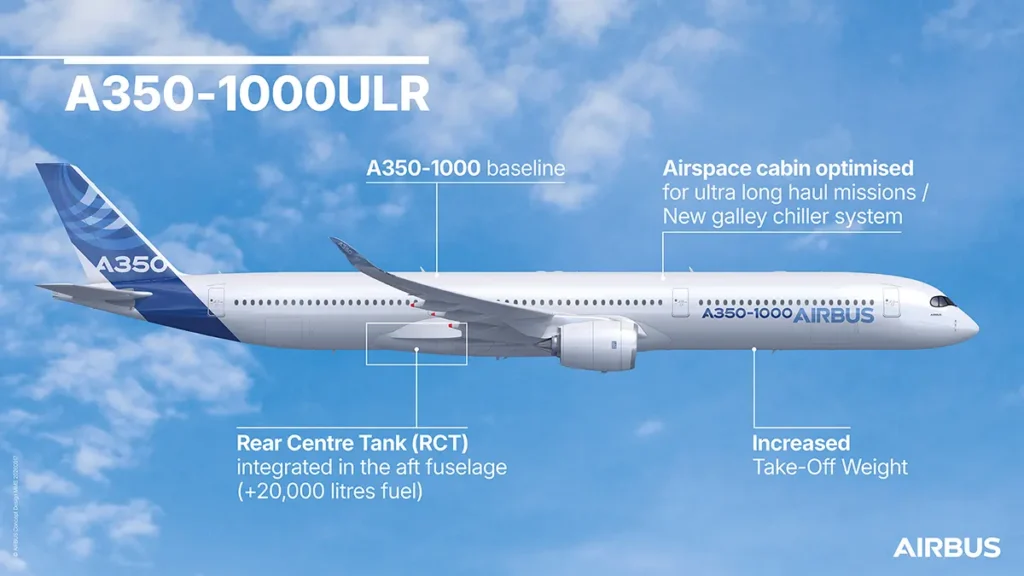
So, what makes this widebody so special? For starters, Airbus calls it the world’s longest-range passenger aircraft. Thanks to an additional rear centre fuel tank integrated into the airframe, the A350-1000ULR stretches its range by roughly 1,000 nautical miles over the standard A350-1000. That gives it the legs to cover almost 10,000 nautical miles, or around 11,500 miles (18,500 km), with flight times approaching 22 hours. Yes, that’s nearly an entire day in the air.
The aircraft is destined for Qantas, which ordered 12 examples to finally make its long-promised non-stop Sydney-London and Sydney-New York services a reality. Those marathon flights have been part of Project Sunrise for years, and MSN 707 is now leading the charge toward certification.
Of course, surviving a 22-hour flight takes more than extra fuel. Qantas has configured its A350-1000ULRs with just 238 seats—far fewer than a typical A350-1000—to give passengers more space. The cabin will also feature First Suites, Business Suites, Premium Economy, a dedicated Wellbeing Zone for stretching, and lighting designed to help reduce jet lag. Apparently, walking laps around the cabin now counts as part of the travel experience.
Airbus still has months of testing ahead before the aircraft enters service, but one thing is already clear: the race to fly farther without stopping has entered a new chapter. The next time someone complains about a long-haul flight, just remind them that somewhere in the near future, people will willingly spend almost 22 hours in the same seat just to avoid changing planes.

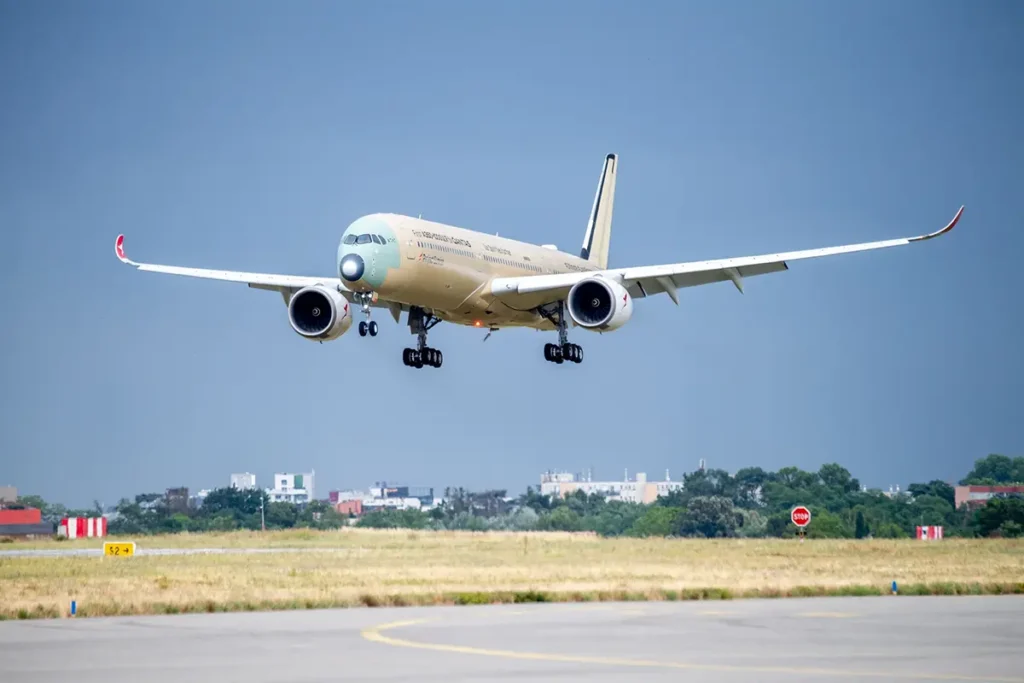
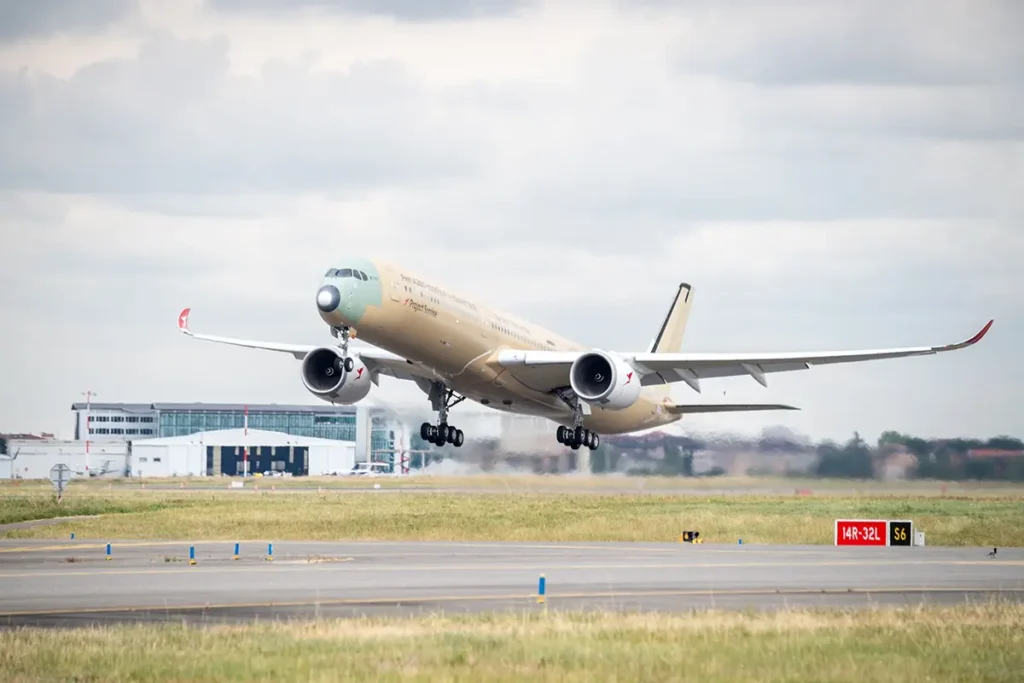
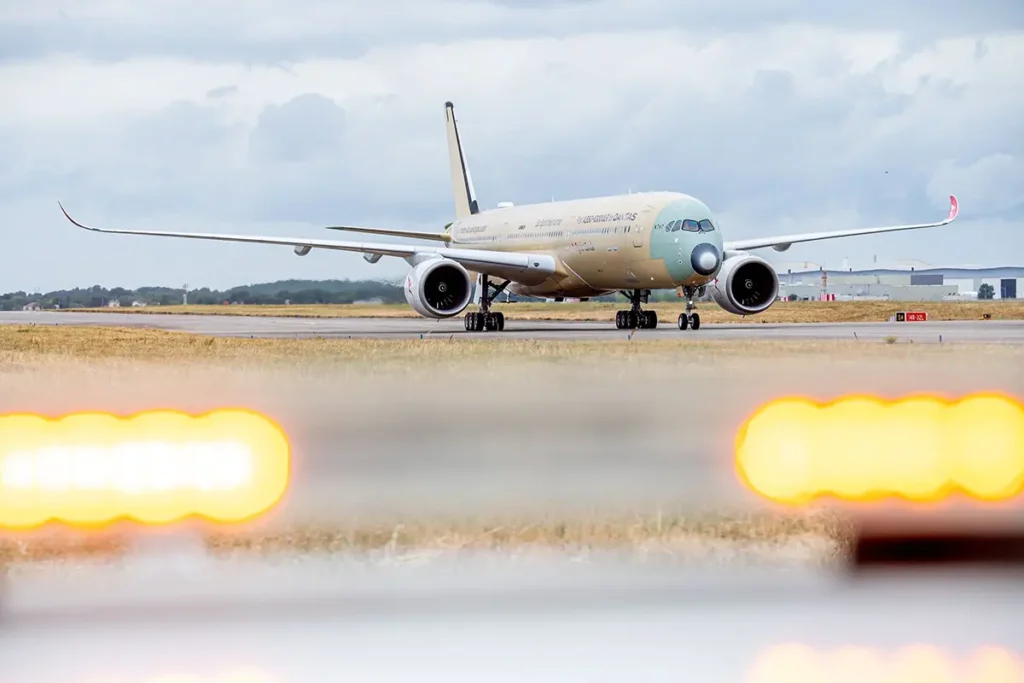
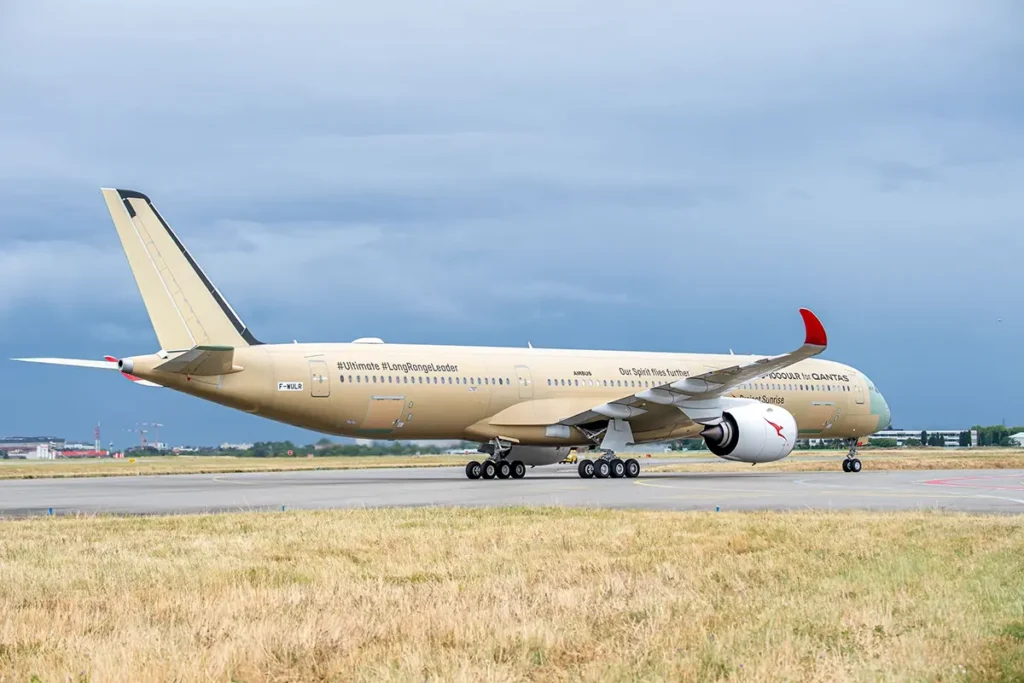
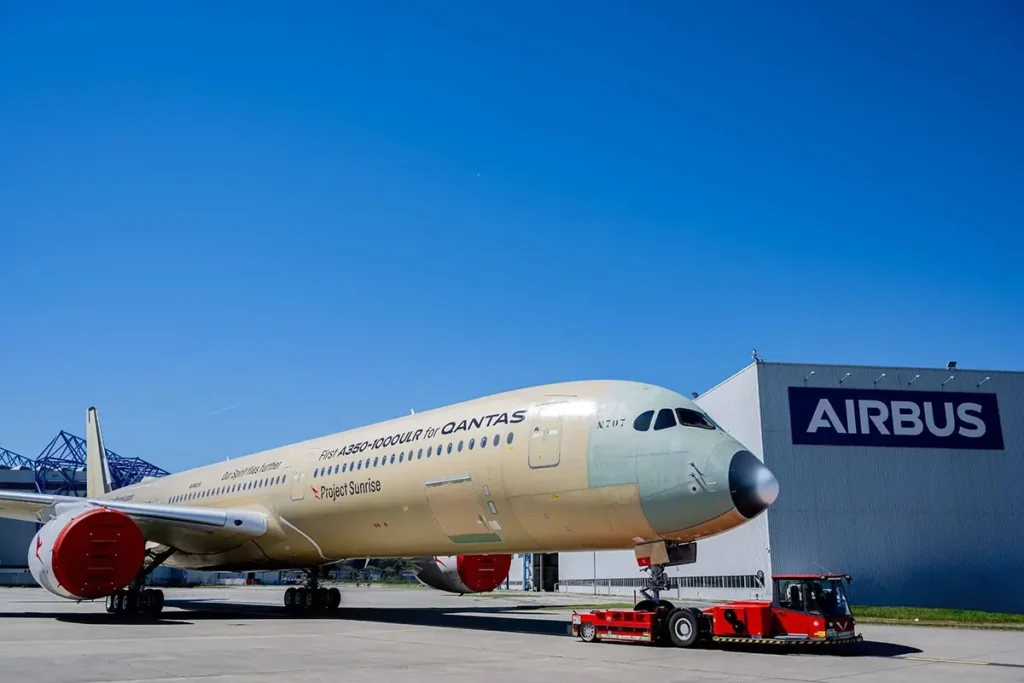
Image: Airbus.