


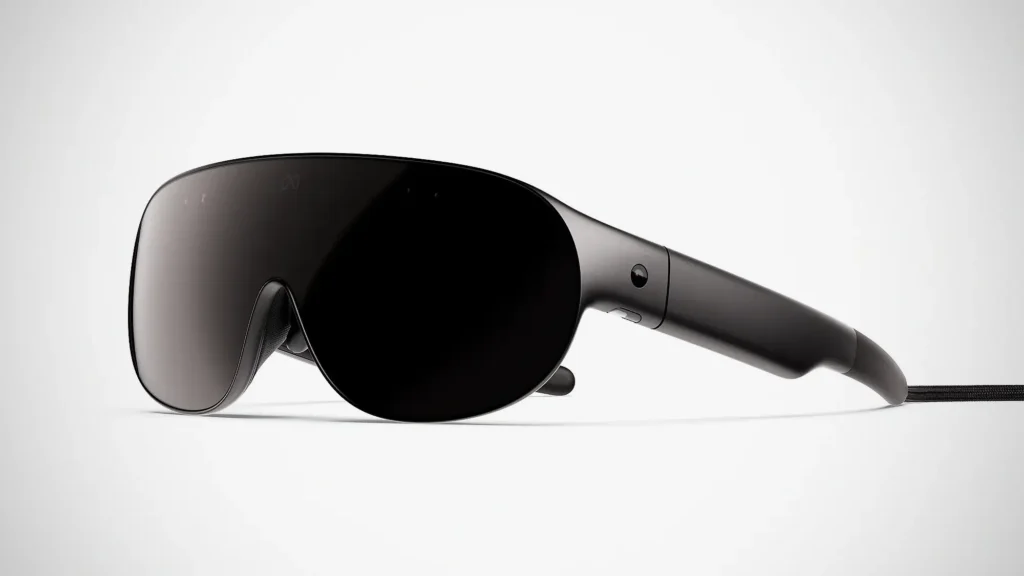
The mention of VR headsets conjures up the image of a snorkeling-mask-like contraption that is chunky, probably ugly as hell, and weighs a ton. That is probably still true today. But those are VR headsets, not VR glasses like the new Meta VR Glasses.
Meta’s ambitions in wearable audio and visual technology have expanded beyond “regular” VR headsets, AR glasses, and smart glasses. Whenever Meta announces something like this, I wonder, “Is it really profitable? Or is it just burning money to become the top player in an arena that not many people care about?”

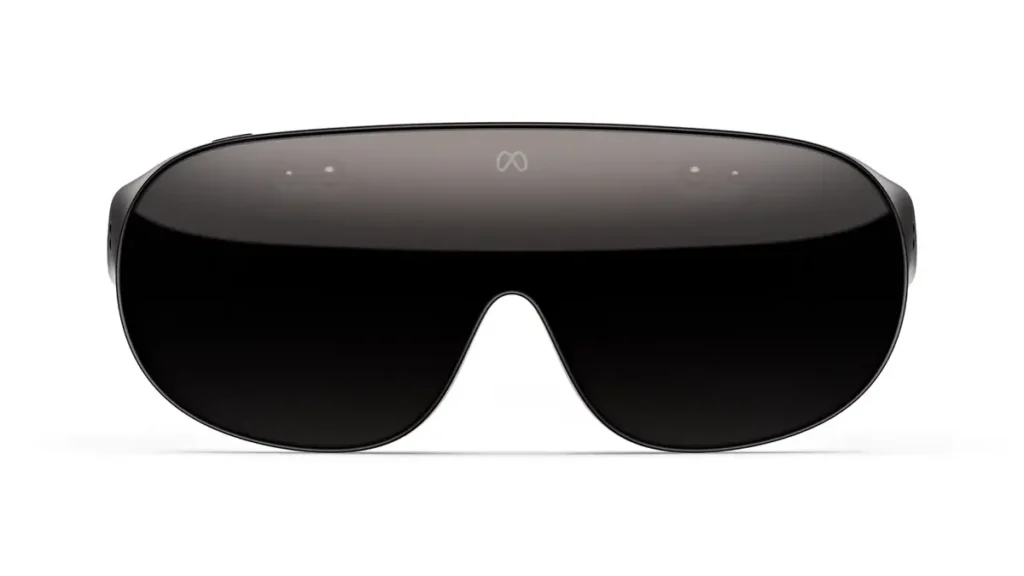
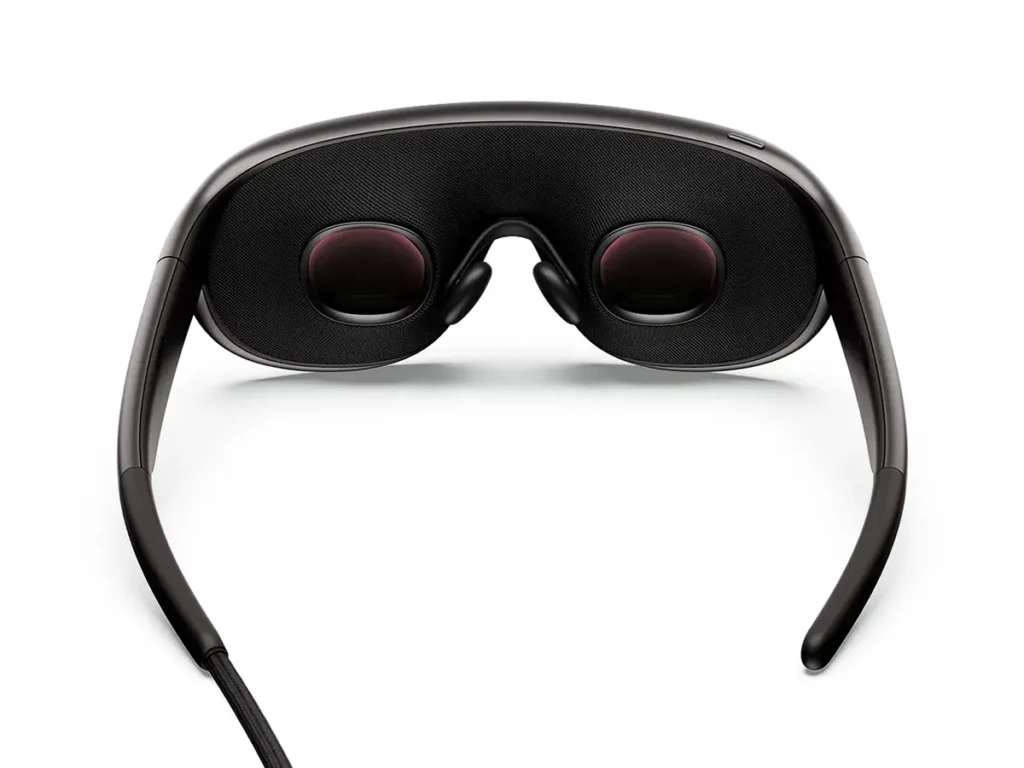
However, unlike products such as Orion, the Ray-Ban smart glasses, and the Quest series of VR headsets, I am genuinely intrigued by the Meta VR Glasses. For starters, they really do look like a regular pair of sunglasses—which they are not, since the lenses are not see-through like those on AR glasses—with a design that Porsche Design would probably approve of.
Billed as Meta’s most advanced device yet, the glasses are designed for both entertainment and work. The difference between them and a headset is apparent. The Meta VR Glasses are made to be worn for hours, thanks in part to their extremely low weight of just 100 g (3.5 oz).
The breakthrough glasses form factor allows this regular-eyewear-looking gadget to do away with straps and heavy hardware. Meanwhile, the open sides and passthrough camera keep you aware of your surroundings—assuming you have not been sucked into an immersive IMAX title and drowned out the world with Dolby Atmos audio.
Theoretically, you should be able to watch a full movie or work privately on a long flight without missing the all-important “Sir/Mdm, chicken or fish?” when the flight attendant comes by serving meals.
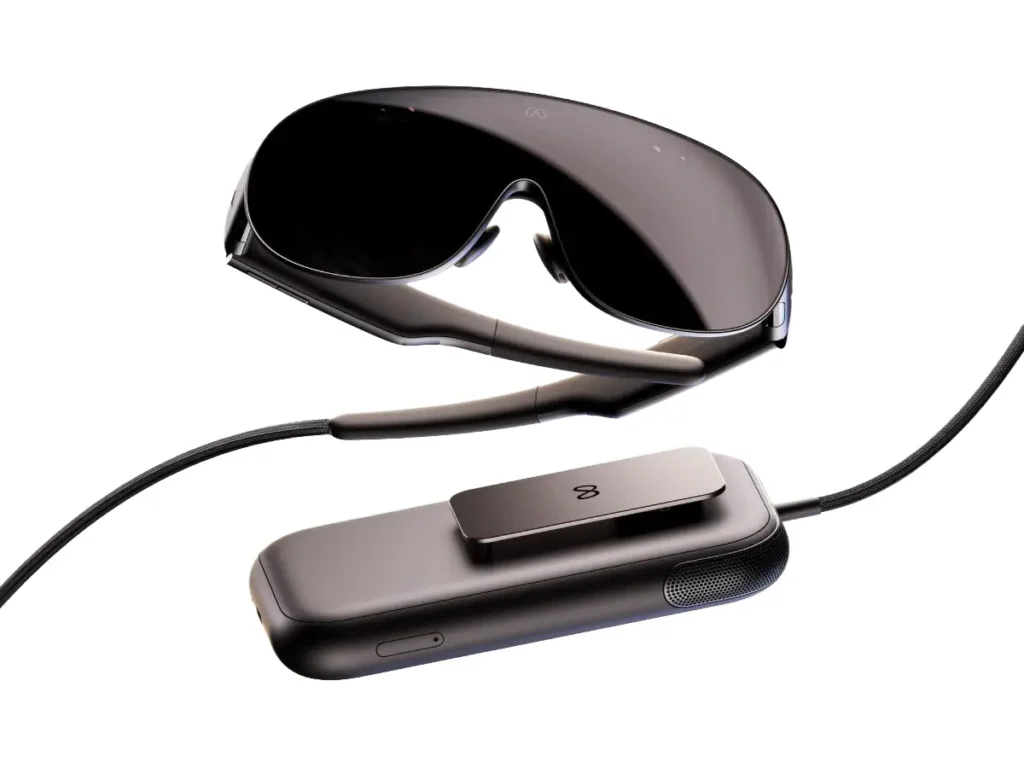
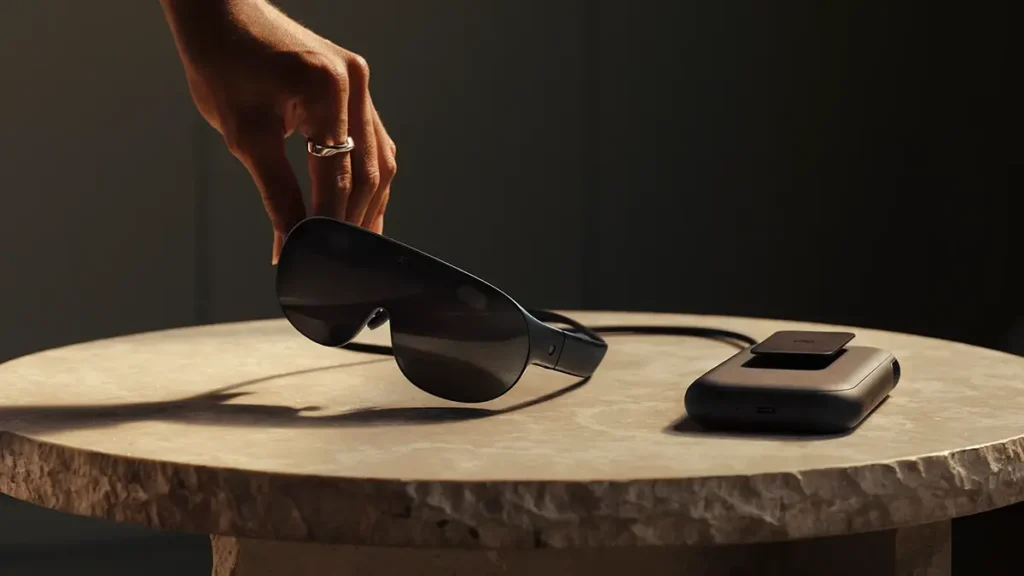
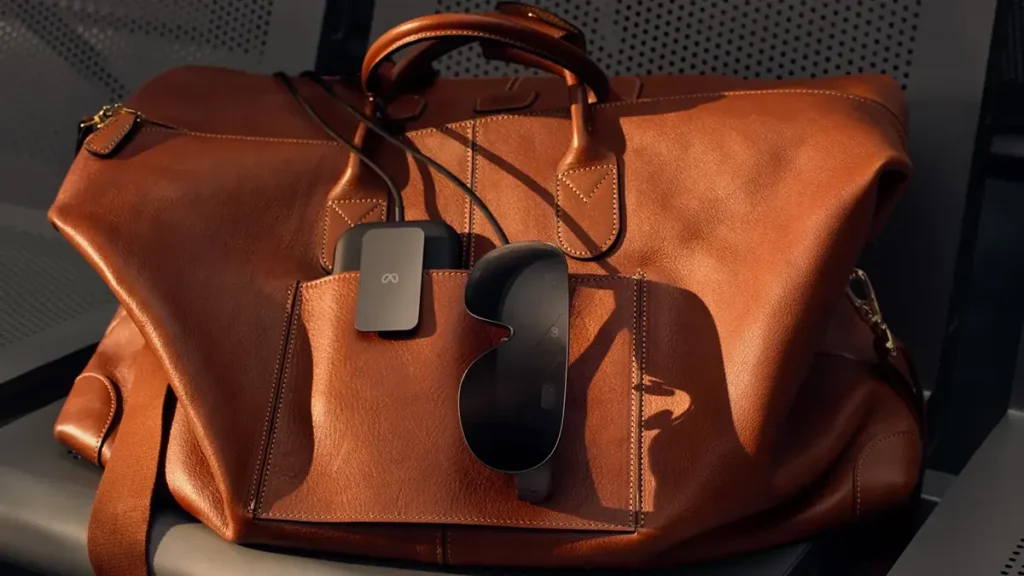
At 100 g, the glasses are five times lighter than the Meta Quest 3, but to achieve this, Meta kind of “cheated.” It split the system into two parts. There are the VR Glasses, which handle the sensors and display, and an external pack, a.k.a. the puck, where the heavy lifting happens.
The puck is home to a Qualcomm Snapdragon Reality Elite system-on-chip that handles processing and graphics, alongside 128 GB of built-in storage, expandable by up to 1 TB via a microSD card, which is not included. It also contains the battery, which offers up to three hours of continuous high-resolution media playback or work use and supports 45 W fast charging.

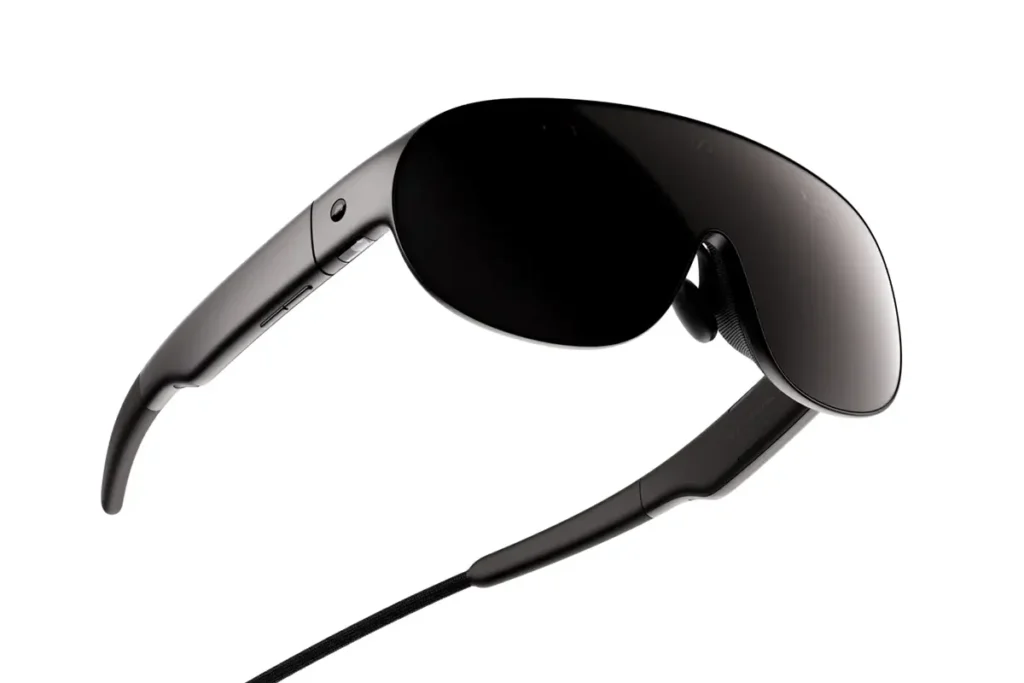
Finally, there are cooling components to take the heat off the hardworking hardware. Despite all this, the puck is surprisingly light at 300 g (10.6 oz). Connecting the two parts is an optical tether, allowing the puck to clip onto a pocket or bag.
Obviously, the risk of snagging is present, but you probably are not going to walk around wearing this or do anything too physical, so I guess it is minimal. But as a qualified risk assessor, I would mark it down as a possible risk.
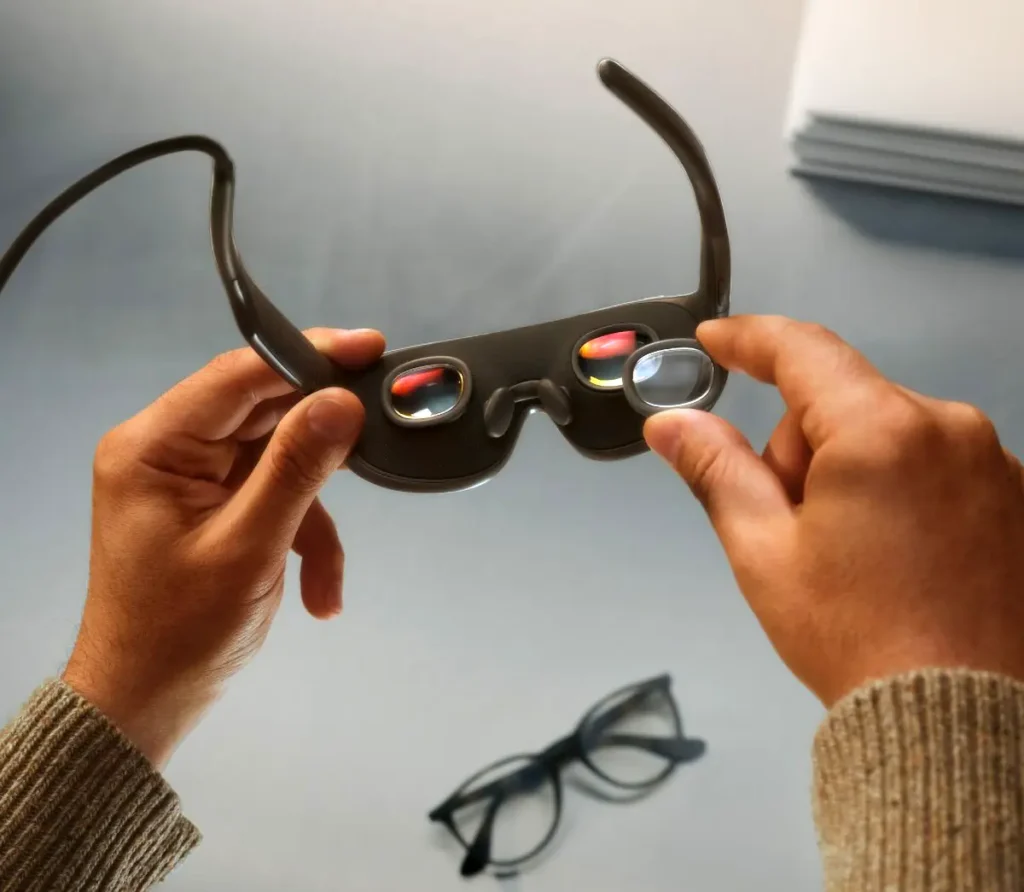
The display is one of the highlights of this new wearable hardware. It features a 5K Infinite Display built around micro-OLED panels, with 37 pixels per degree promising “stunning clarity and detail—great for text legibility.”
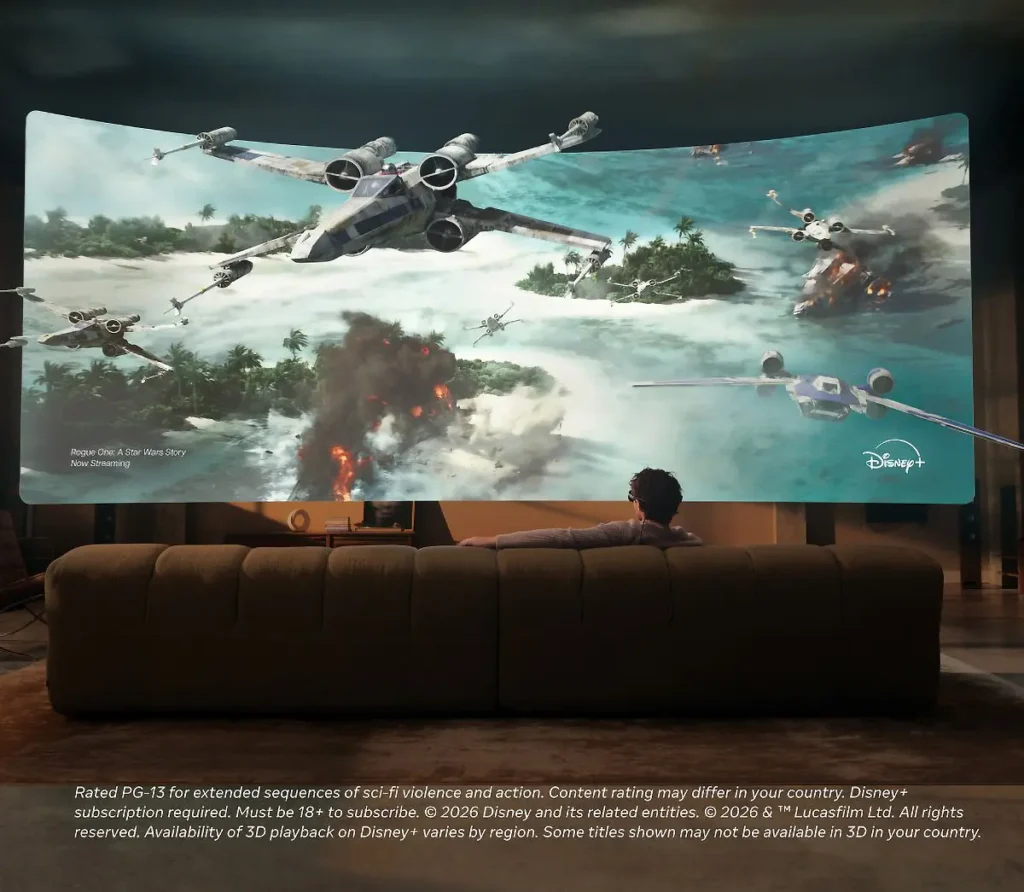
Specially developed ultra-compact pancake lenses help Meta squeeze cinema-grade visuals into something resembling sunglasses. Dolby Vision provides the vivid colors, deep contrast, and fine details, while Dolby Atmos spatial audio is integrated directly into the frames. Basically, it is a personal cinema that nobody else can complain is blocking the television.
Meta AI is integrated directly into the operating system. You can speak to the glasses or use eye tracking and natural hand gestures to launch a movie, open an app, reposition windows, or search for something. No controllers are required, which is great news for anyone who does not want to wave two plastic handles around on an airplane.
The Meta VR Glasses are also the first IMAX Enhanced-certified VR device. They can present selected films in IMAX’s expanded aspect ratio at home, presumably without the person behind you kicking your seat.
Starting in November, Disney+ subscribers in selected countries can stream 3D titles such as Marvel’s The Avengers and Black Panther. Themed viewing environments include Tatooine, Avengers Tower, and the Scare Floor, allowing the imaginary cinema around you to match whatever is playing.
The Disney Immersive Cinema by ILM app goes further with VR Enhanced editions of movies such as Avengers: Infinity War and Star Wars: A New Hope. These experiences combine immersive environments, dynamic effects, 3D visuals, and spatial audio to make the scene extend beyond the virtual screen.
Meta is also working with Prime Video, YouTube, DirecTV, AMC+, Crunchyroll, Plex, ESPN, Tubi, Peacock, HBO Max, and Paramount+. Thousands of titles are promised internationally by launch, including 3D movies from Lionsgate. A partnership with James Cameron and Lightstorm Vision will also bring previously flat blockbusters into 3D in 2027.
Sports fans can expect front-row-style viewing with 8K streaming and 180-degree perspectives. Meta says more than 100 immersive live U.S. sporting events will be offered each year through partners including ESPN, MLB, NBC Sports, TNT Sports, and UFC. The seat may be virtual, but at least nobody seven feet tall can stand directly in front of you.
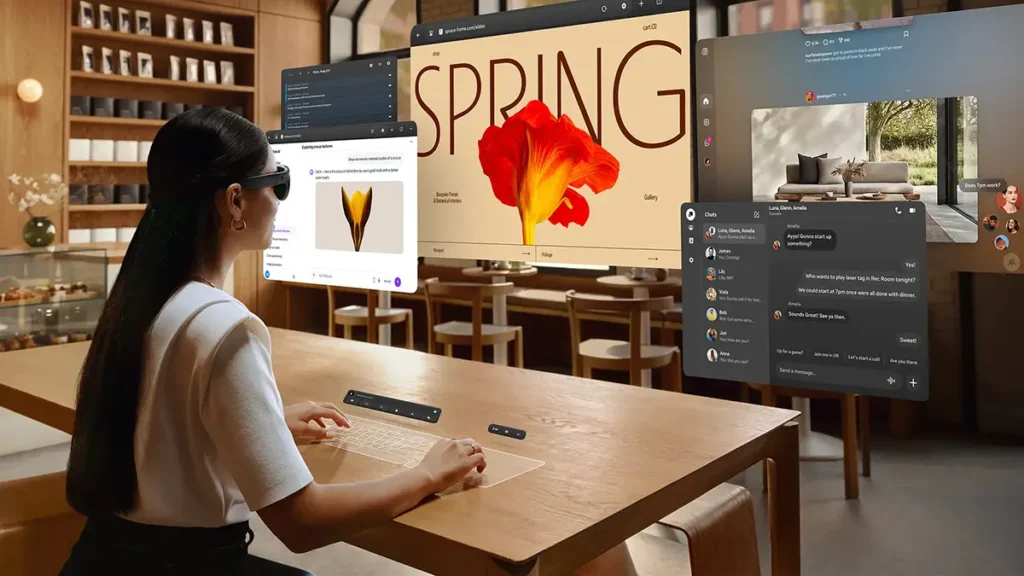
Entertainment aside, the Meta VR Glasses also function as a private workspace. You can create one enormous virtual display or several screens and arrange them around you. Full-color passthrough allows you to continue seeing your desk, phone, and surroundings.
More interestingly, any flat surface can become a keyboard and touchpad, eliminating the need to carry additional hardware. How comfortable it will be to type an entire article by tapping on an unmarked airline tray table remains to be seen, but at least the person beside you cannot read what you are writing.
Gaming has not been forgotten. More than 75 games available at launch will work entirely with hand gestures. Xbox Cloud Gaming support opens the door to hundreds more, although conventional games will presumably remain happier with a controller.
Then there is hologram calling. The system creates a photorealistic digital version of you, complete with real-time expressions and reactions. Other Meta VR Glasses users will see the hologram positioned in front of them, with spatial audio placing your voice at the corresponding location. People joining from a phone or computer will instead see your holographic self on their regular display.
Meta says the technology works across calling platforms, including WhatsApp and Zoom. Whether your coworkers are ready to attend meetings with a photorealistic virtual version of you is another matter.
The Meta VR Glasses will go on sale in spring 2027 for US$1,299.99. It is not cheap, and the three-hour battery means the puck may require a refill before some directors have finished telling their stories. Still, the form factor is genuinely intriguing. Meta has managed to shrink a cinema, sports seat, gaming system, and private office into something that almost looks like ordinary eyewear—as long as nobody notices the cable running into your pocket.




Images: Meta.