


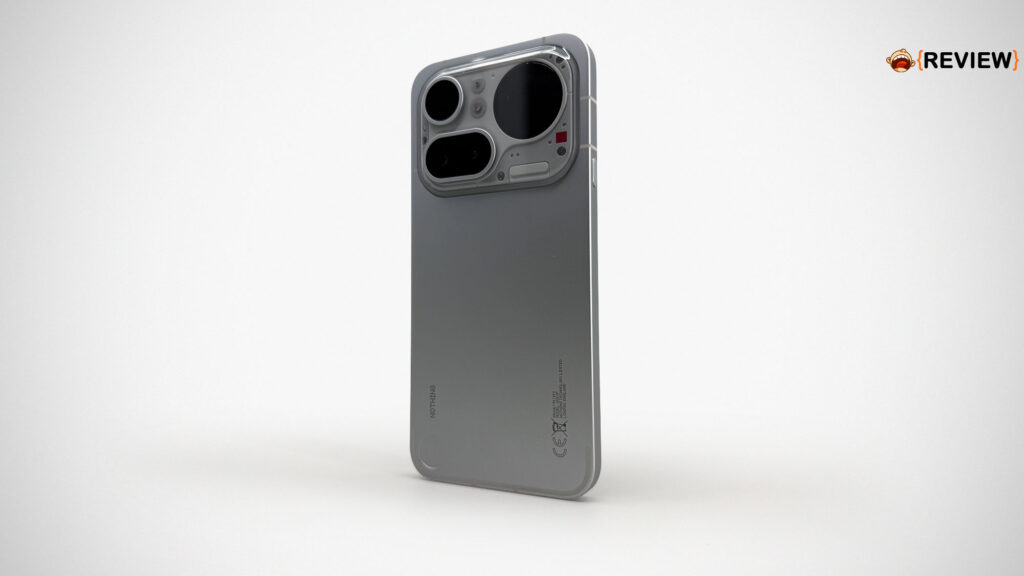
The Nothing Phone (4a) Pro is my most tested phone yet, so much so that it blurs the line between my daily driver and my secondary phone. I may not have reviewed many phones, but rest assured that my experience with phones goes back as far as the Ericsson days. Anyhoo, why did it not become my daily driver? Well, it kind of is. I check everything from social media notifications and emails to using AI, surfing the web, and gaming on this phone. Basically, everything most regular users would do, except for banking. It’s a hassle to switch those.

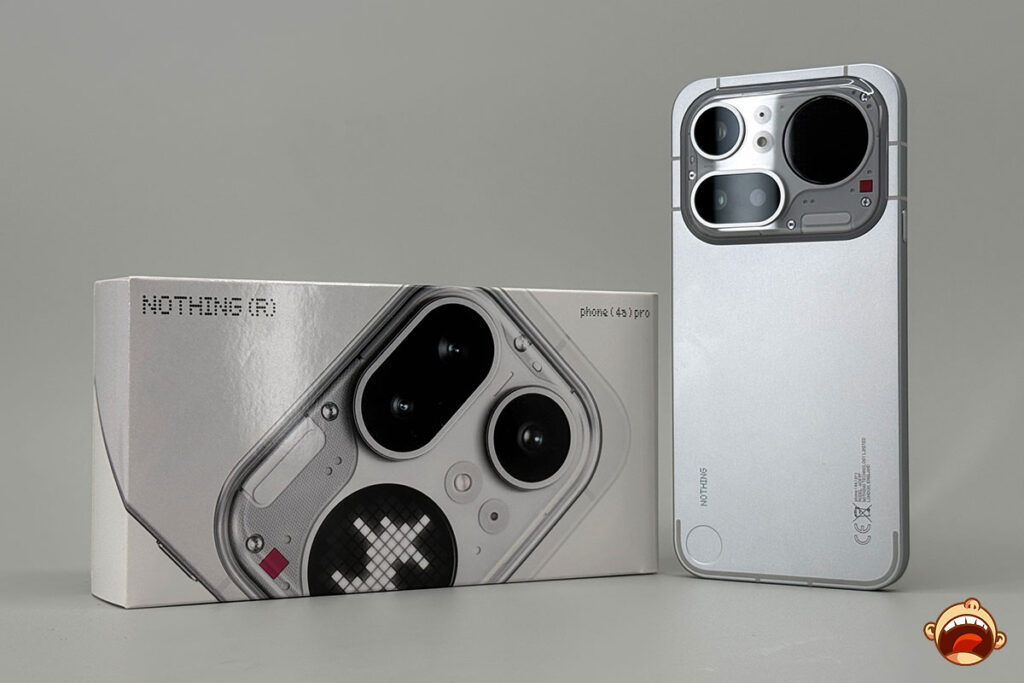
Over the last month, the (4a) Pro has had my unequivocal attention. I have sometimes clocked as much as 9 hours of screen-on time a day. The usage has been pretty intensive. But before we get to the details, here’s a quick rundown of the key specs:
- Display: 6.83-inch Flexible AMOLED, 1260 × 2800 resolution, 144 Hz refresh rate, 5,000 nits peak brightness, 1,600 nits outdoor brightness
- Processor: Qualcomm Snapdragon 7 Gen 4
- GPU: Adreno 722
- NPU: Qualcomm Hexagon NPU
- Memory: LPDDR5X, UFS 3.1
- Image Signal Processor: Qualcomm Spectra Image Signal Processor
- Rear Cameras:
- 50 MP main camera (OIS)
- 50 MP periscope telephoto (3.5× optical zoom, 7× in-sensor zoom, 140× ultra zoom) (OIS)
- 8 MP ultra-wide
- Front Camera: 32 MP
- Battery: 5,080 mAh
- Charging: 50 W wired fast charging, 7.5 W reverse wired charging
- Operating System: Nothing OS 4.1 (Android 16)
- Security: Optical in-display fingerprint sensor
- Audio: 2 high-definition mics, dual stereo speakers
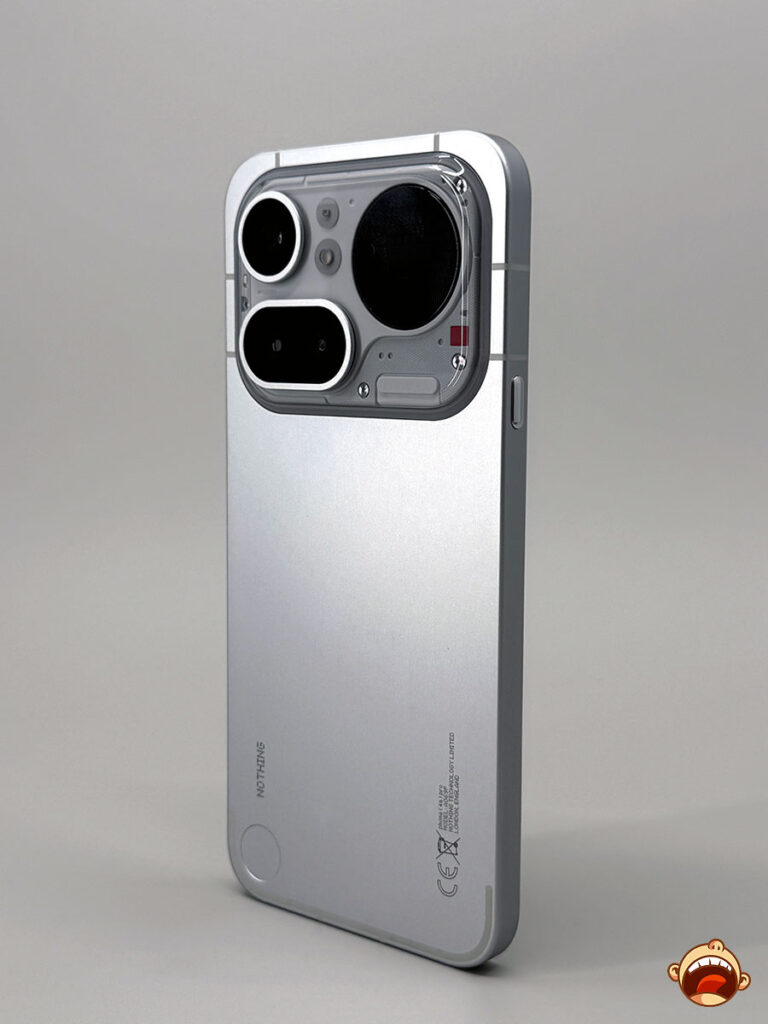
- Build: Aircraft-grade aluminum unibody build with Glyph Matrix on a transparent-design camera bump
- Protection: IP65 dust and water resistance, tested for water immersion up to 25 cm for up to 20 minutes • Glass: Corning Gorilla Glass 7i
- Connectivity: Dual SIM (nano), eSIM support, 2G GSM/3G WCDMA, 4G LTE, 5G NR, Wi‑Fi 6, Bluetooth 5.4, NFC, GPS
- Dimensions: 163.6 × 76.6 × 7.9 mm
- Weight: 210 g

Jump to:
- Design & Build
- Cameras
- Performance
- The OS
- The fingerprint Sensor
- Speakers, Connectivity, and Calls
- Battery Life
- The display
- The Hesitation
- Final Thoughts
- Where to Buy
A design that strikes a balance between geekiness and classic, formal sophistication
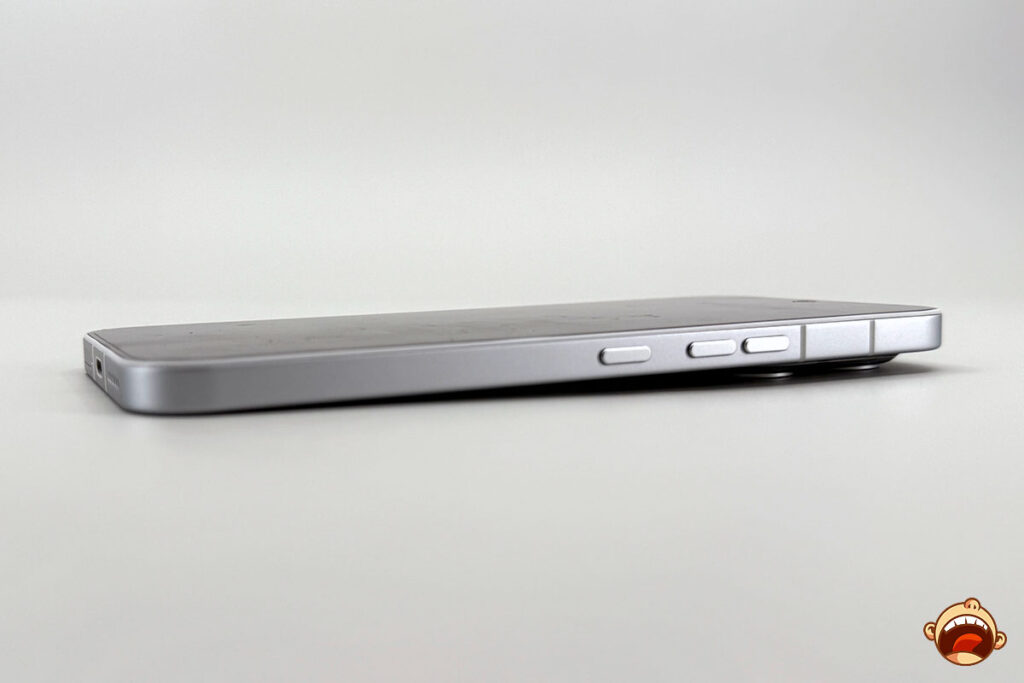
For the first time, Nothing employs a less transparent design. It is a bold move considering that, over the years, a transparent-back phone has become synonymous with Nothing Phone. OK, maybe Redmagic too, but anyway, the unit provided to me is silver, which incidentally exudes a sense of futuristic sophistication with the transparent-design camera bump that occupies about 30 percent of the device on the top, much like the iPhone 17 Pro series. But its aluminum construction means the need for antenna bands, made popular on phones since the iPhone 4.
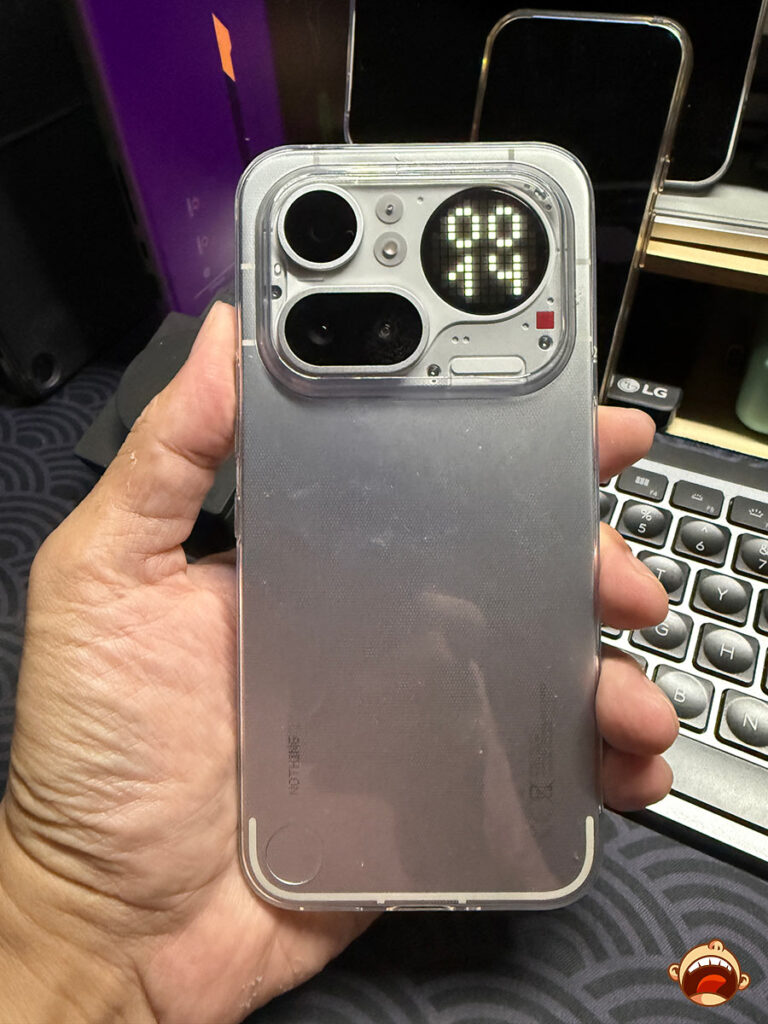
The Glyph Interface here is less restrained than the Phone (4a), and similarly, it can feel gimmicky… well, I want to say “at first,” but after being with Nothing Phone for a couple of months now, I’d say I can live without it. It is nice to have, but for my daily use, it is just a convenient clock. But God forbid anyone suggests Nothing do away with it. The Glyph, no matter how little some use it, is a mark of Nothing. There’s no harm in it being there, and I did use it occasionally, though not as much as the promotional materials suggest. I am not going to pretend that I was excited. Well, it kind of did excite me for a while. The most important thing is the usability, which I think this device excels at.
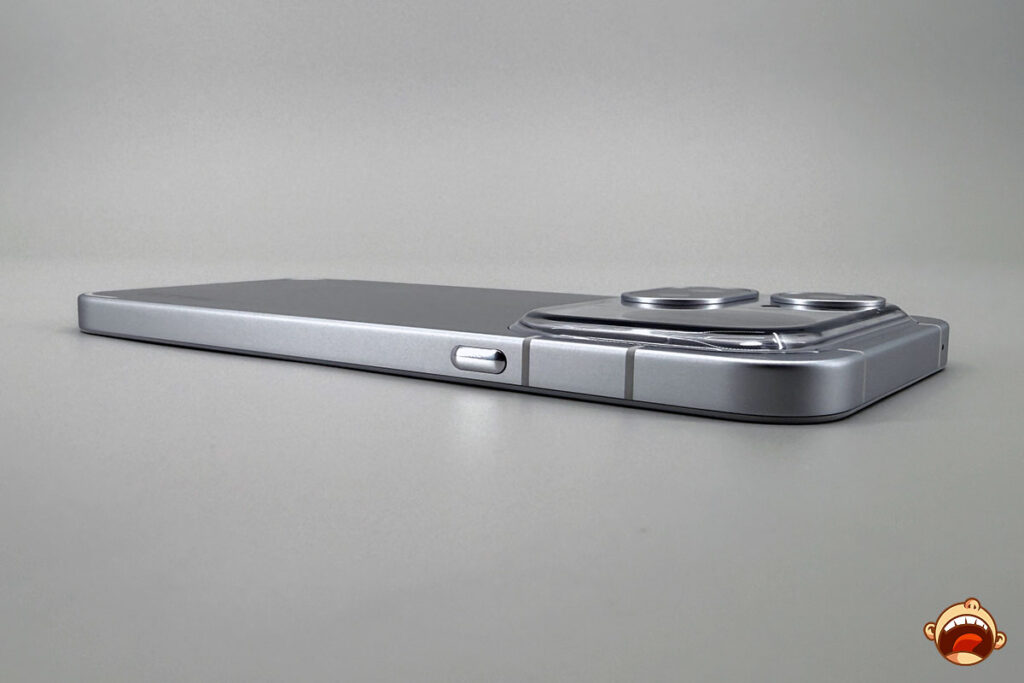
Anyhoo, like the (4a), it also has the red recording indicator, but somehow, it feels a bit less in sync with the rest of the design. It feels like it was randomly placed at the 4 o’clock position, whereas it “flows” naturally on the (4a) and is more aligned with its geeky aesthetic. I guess it helps break the monotony of the geeky section on the back. However, its practical use—and also the vibe, i.e., the pro recording tool feel—is unmistakable.
The build is good, though not the best, TBH. The top-right corner of my unit does have an issue if you scrutinize hard enough. The bezel material between the screen and the frame appears to have a very minor—maybe nano-sized—gap. As I said, you have to look really hard, like a nasty Scrooge, to notice it. Then there are the antenna bands around the frame and on the back at the edges, which are not for everyone. Personally, I thought they subtly exuded geekiness in place of the less transparent back. On the silver model, these bands do feel a little pronounced and may not appeal to everyone. I thought they looked kind of cool.
Excellent cameras that work best in daylight and are great in low light
The camera system is identical at a glance. But that’s only on paper. In reality, the Pro uses a Sony sensor instead of the (4a)’s Samsung sensor. The improvements are quite obvious if you are into mobile photography. It performs better in low light, has better dynamic range, and overall offers cleaner images.

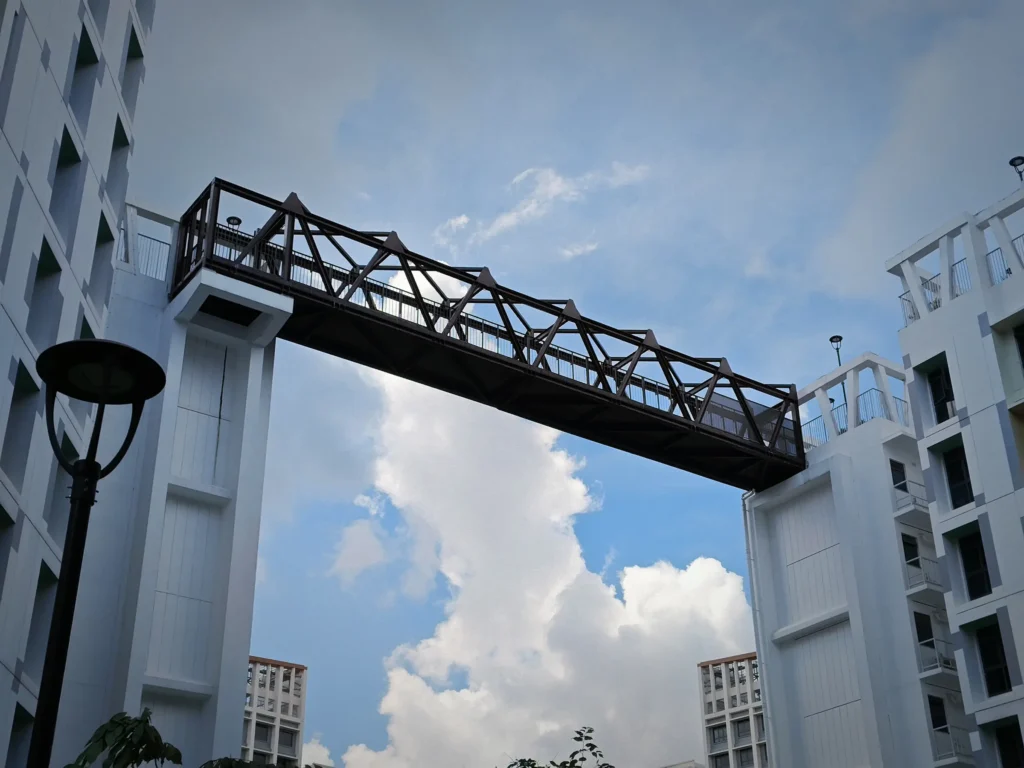
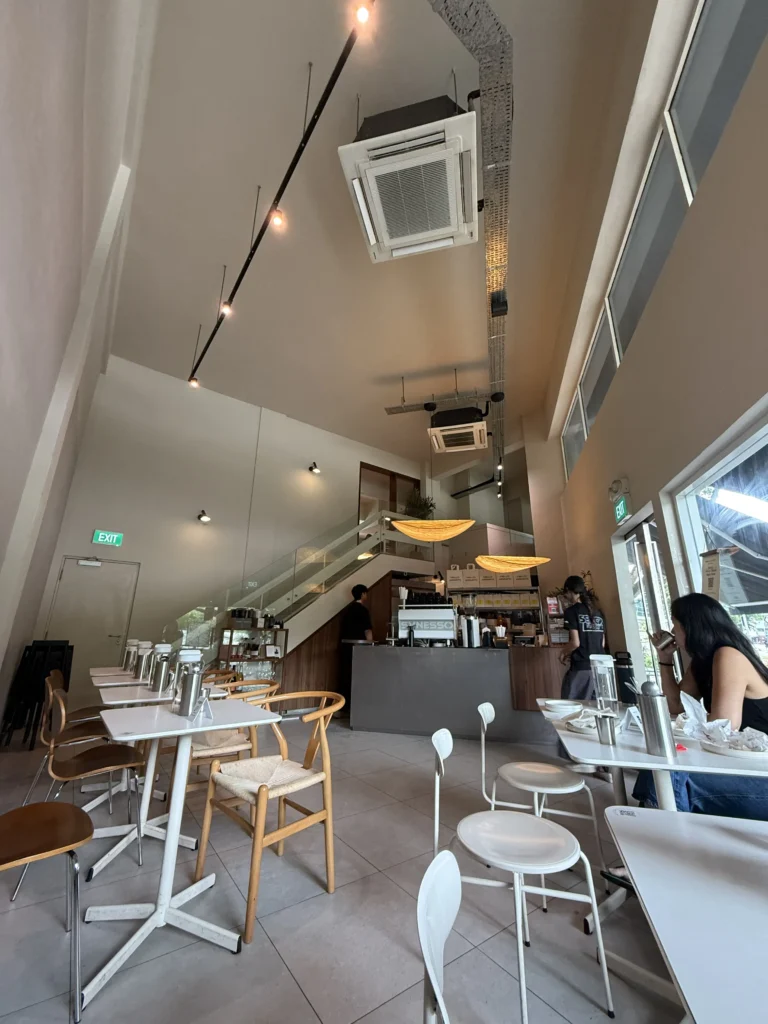
I’d be lying if I said I was not impressed by its imaging capability, but while it does perform better in low light over the (4a), it is, IMHO, a different flavor. In a fusion Japanese restaurant with dimmer-than-usual lighting, the sandwich image taken on the iPhone 16 Pro is clearly brighter, and while the ones taken by the (4a) Pro look more “menu-like,” they could do with some brightness enhancement.
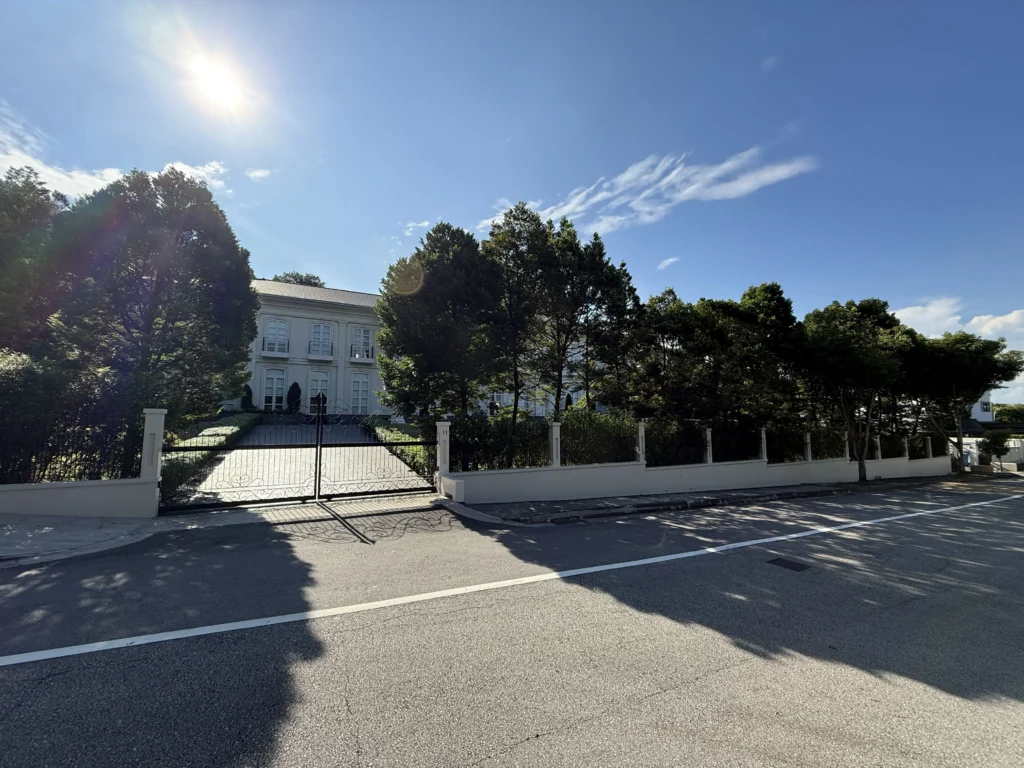
Interestingly, though, it takes great, fairly clean images at night. When it comes to outdoor photography under the sun, man, this thing is solid. I did not focus much on zoom this time. I did briefly give it a go, and it is pretty much like the (4a). The 140× ultra zoom, well, it’s not the best, like some Chinese phones with super zoom.
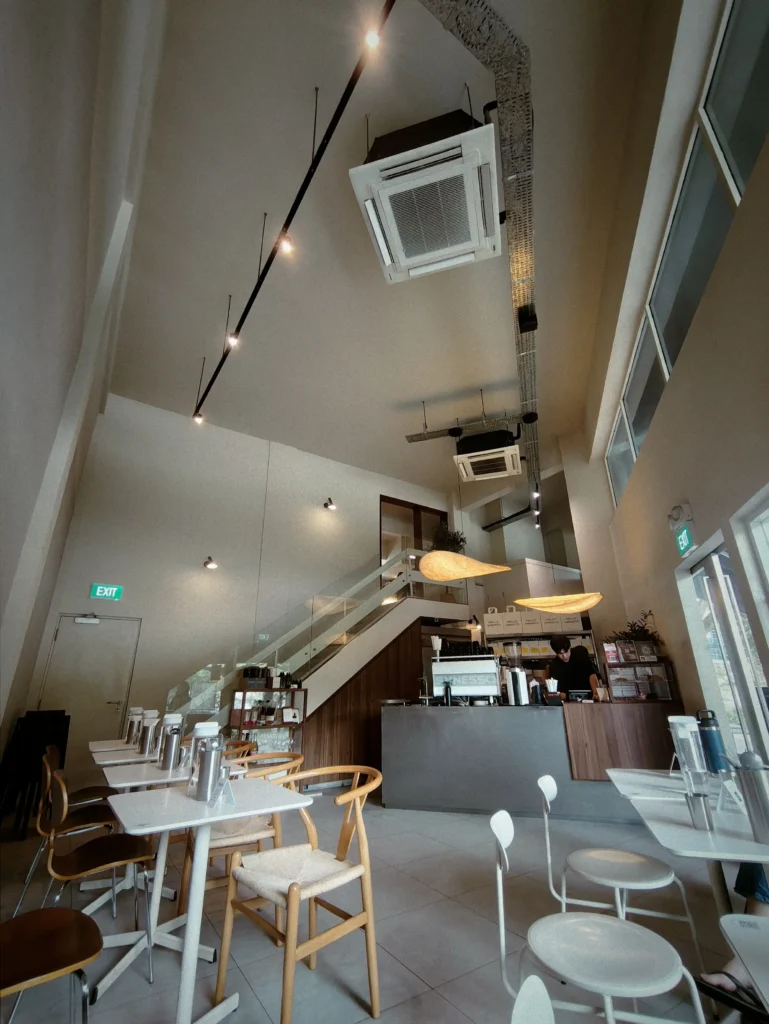
Here are more photos for your reference:
Low-light photos:


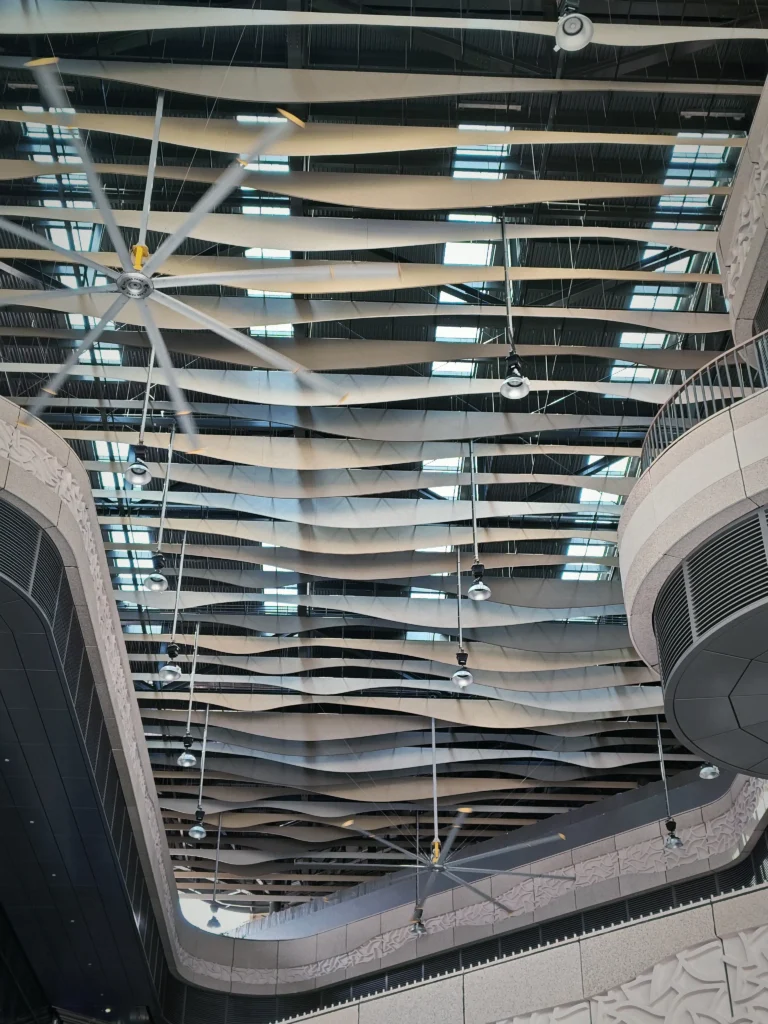
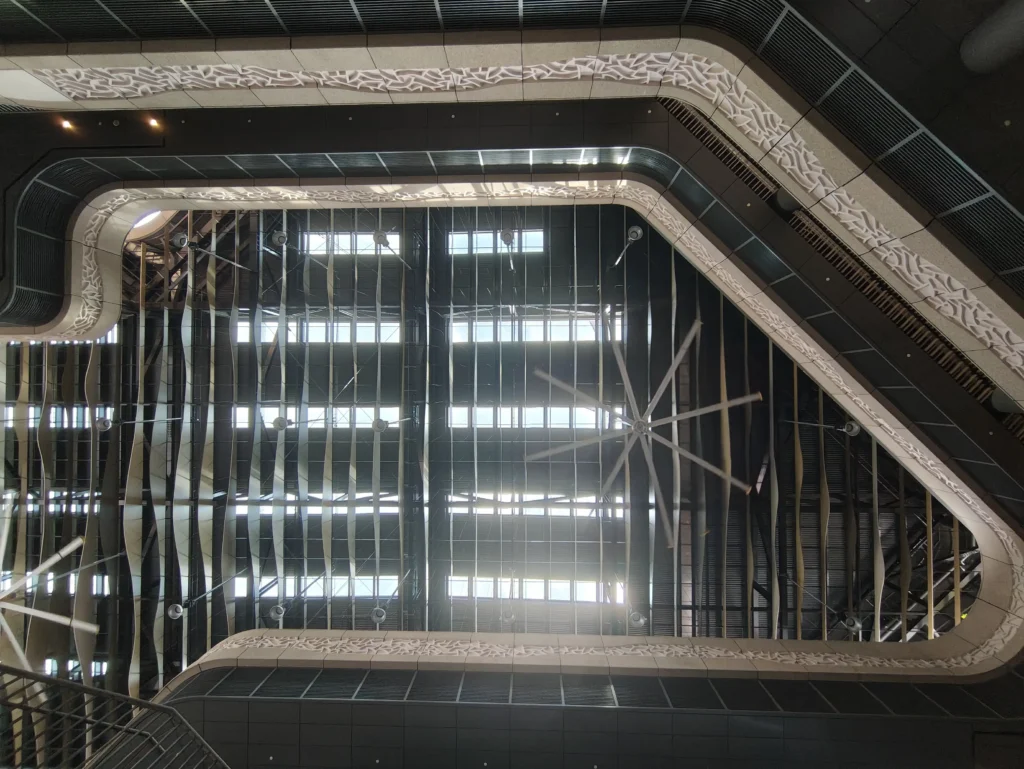
Nothing Phone (4a) Pro vs. iPhone 16 Pro



Even smoother performance
The Snapdragon 7 Gen 4 may differ little in naming from the Snapdragon 7s Gen 4, but man, it is a world of difference. Apps launch quickly on this device, and thanks in part to the polished OS, scrolling is smooth, and it moves with responsiveness that really does make the phone feel more premium than it is.
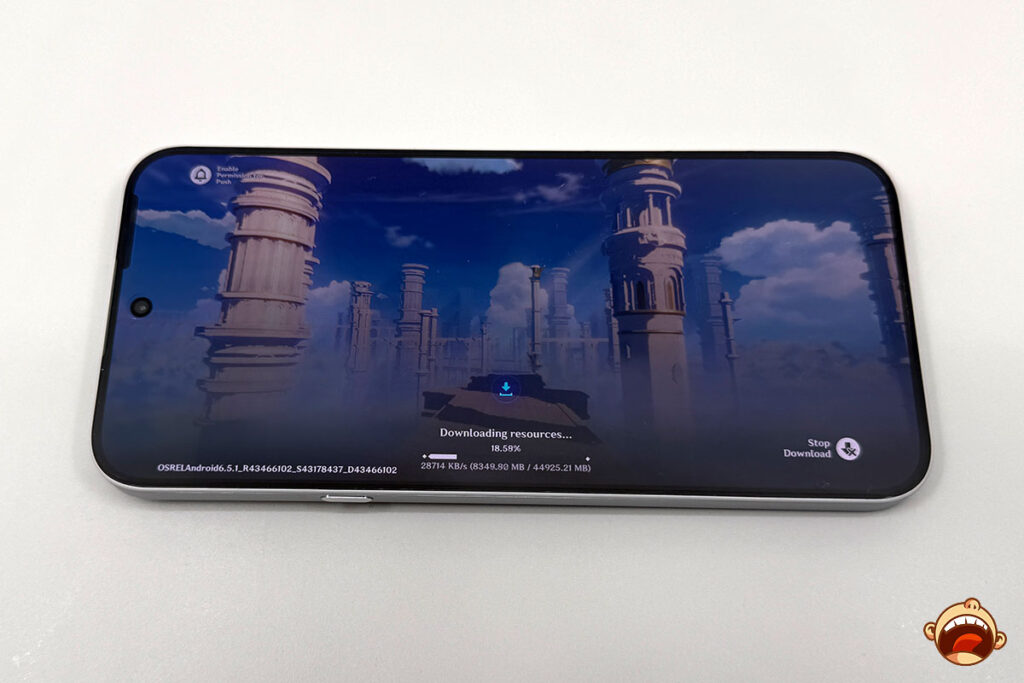
Moreover, the device handles opening multiple apps with ease, and the GPU is more than adequate for handling Genshin Impact for hours on end. It didn’t even bat an eyelid and never got hot. I guess the up-to-50% GPU performance increase shows here. Though it still cannot go on high-quality settings in Genshin Impact, it does not impede the visual experience. I can still see pretty far off, spotting details like Ley Lines in the distance, and even the elusive Seelie.
Anyhoo, the game runs at medium graphics at 30 frames per second. It cannot go any higher like the (4a)—at least not recommended by the game anyway. Overall, the experience is great. I mean, what’s to complain about with stable and predictable gaming performance, right?
Interestingly, when I first installed Genshin Impact, it required downloading a bunch of data, but it did not get hot like the (4a). Perhaps the aluminum is getting the heat out faster? Perhaps. The performance is partly due to the use of faster memory (LPDDR5X). I imagine it could be even better if paired with faster storage like UFS 4.1. Then again, the phone wouldn’t be at this price point.
Nothing OS: It is as smooth as it can be
We have said what needed to be said about Nothing OS, so there’s no need to revisit my experience in detail. But with an even more capable SoC, the experience is definitely better. And no, I did not ditch it for Niagara Launcher.
And then there’s the fingerprint sensor
Again, it may be an optical fingerprint sensor, but it has never failed me once. As mentioned previously, I experienced failed detection on some devices, including the Pixel 10, but this one is as reliable as it can get. I don’t know how Nothing did it, but it is an understated plus point.
Speakers, connectivity, and call quality
Like the (4a), the speaker is LOUD. But I did notice something. Each increment increases the volume by a lot. It may not be noticeable in a loud environment, but in the dead of the night, it can be alarming. Like, there’s no in-between. Perhaps a future software update can work on this?
The sound is loud, clear, and not distorted when booming, but I see no reason anyone needs to go full blast on a smartphone. That’s just an observation. That also helps in gaming, even for games that suggest it’s better to wear headphones. But probably not PUBG Mobile or Fortnite.
Haptics are fair, like the (4a). Nothing to shout about really.
Battery life… well, about that…
It’s not bad, but not great either. To be fair, I set it to charge only to 80% in the name of protecting the battery, but I game a lot on this phone and, as I have said, I use it as any regular user would with a smartphone.
I take pictures, watch videos on Chinese TikTok and WeChat, surf Weibo, browse YouTube, and go on Google. All those, in addition to playing Genshin Impact for hours on end and doing my obligations on Kingshot. Usually by midday, it’s at 50% or less.
Obviously, I don’t do all those things in half a day. Those are spread throughout the day. But as far as idle time goes, it will not shock you with sudden power drops due to notifications, and I do have quite a lot of them each day, by the way.
I find the battery life enough, though not as great as it is on the (4a). Of course, that’s based on my usage. At the time of this review, I have had 9 hours and 36 minutes of screen-on time since the last full charge.
By iPhone standards, this is more than excellent. But in the world of Android, this is kind of the norm. So I guess it is good.
This phone has been charged 28 times since April 23. Battery health is still at 100%, and it should be. If not, that would be alarming. 😅
Charging using the same Anker USB charger takes around 40 minutes or less to get it from almost zero to 80%. And no, I never experienced any heating during charging.
The display is almost perfect except…
The 144 Hz display is a joy when it comes to going devil speed on scrolling. It is bliss! And so is gaming. It is buttery smooth, minus the oiliness. The colors are brilliant, as expected, but it does have a problem.
Under the sun, it is not very good. Under the bright afternoon sun, the screen becomes washed out, which is a bummer. This hinders framing images when taking photos in bright daylight, which is where the camera does best.
The only hesitation… well, none
In my previous review, I was just getting used to the size, and that became my hesitation. But over a month later, I am accustomed to the size, so that is no longer a hesitation.
I would say it is the perfect phone for my use. But there’s one thing about it for gaming—and the same applies to the (4a), and most of today’s smartphones: the corner radius. The high R value can sometimes impede the gaming experience, and in some instances, even the video experience for web-based videos.
A quick note about the review unit
Nothing provided the Phone (4a) Pro for review, but all impressions here come from my own hands-on experience over the month.
Final thoughts… what mid-range phone?
Not going to lie. After a month with this device, it is hard to distinguish what a flagship is anymore. The Snapdragon 7 Gen 4 and the faster memory do not make the experience feel any less than a flagship.
The SoC and the overall setup make this phone perfect for most users who do not want to spend more on a phone. So would I change anything? I would not.
I did think that having these specs with an aesthetic more like the (4a) would be nice. Then again, the aluminum frame might be contributing to the performance, too, like quicker heat dissipation. That may be a small but no less important feature.
I think going with aluminum without the fancy transparent design also allows it to be thinner, which makes handling it a joy and makes it feel lighter than it really is.
The Pros and Cons in my opinion
Pros 👍
- Good CPU and GPU performance
- Lightweight and thin
- Strong daylight camera performance
- Good low-light performance
- Useful built-in photo/video filters
- Fast, reliable fingerprint sensor
- Good heat performance
Cons 👎
- Ultra-wide camera is not the best, IMHO
- Outdoor display brightness could be better
- Glyph Matrix feels a bit gimmicky to me
- Quality control could be better
Where to buy?
If you are sold, you can pick up the new Nothing Phone (4a) Pro from us.nothing.tech from US$499, or 749 SGD, at Nothing’s Singapore store. Folks, in SG can also find it on Amazon.sg for 698 SGD.
Disclosure: This article may include references or links to products or services for which we may earn a commission—at no additional cost to you—if a purchase is made. All recommendations reflect our genuine editorial opinions and are not influenced by compensation.
Bonus: a little bit about my “experience” with phones…
My history with cell phones dates back to the Ericsson days (I believe it was a GF788), and the Palm Treo was my first-ever smartphone. Prior to it, I had a bunch of PDAs.
My first-ever keyboard-free smartphone was the O2 mini. I even had the opportunity to fiddle with a working Motorola DynaTAC 8000 series (nicknamed Motorola King here), and its lighter sequel, nicknamed Motorola Queen.
The point is: I love phones. I must have owned almost a hundred models by this point.
Image: Mike for Mikeshouts.