


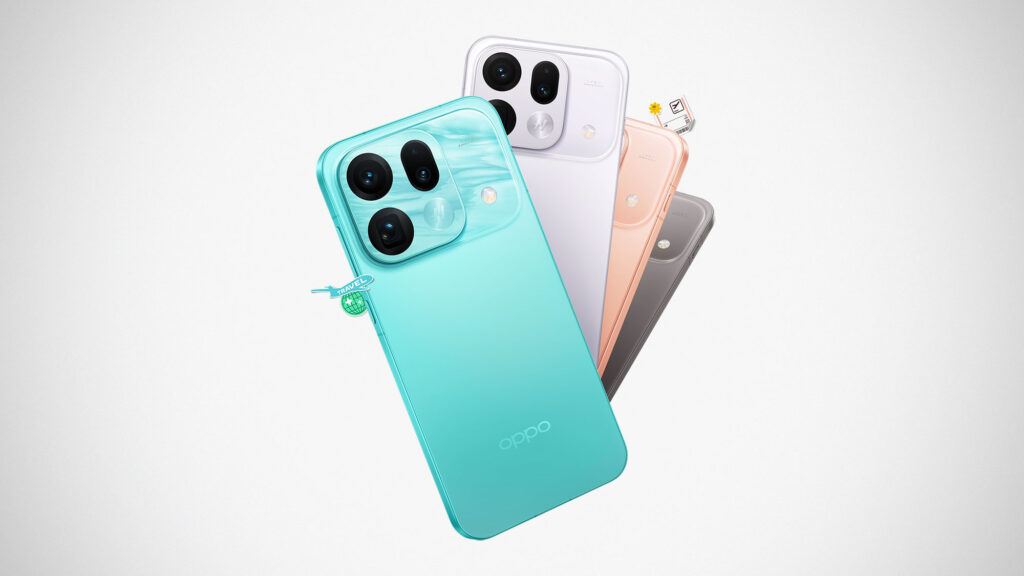
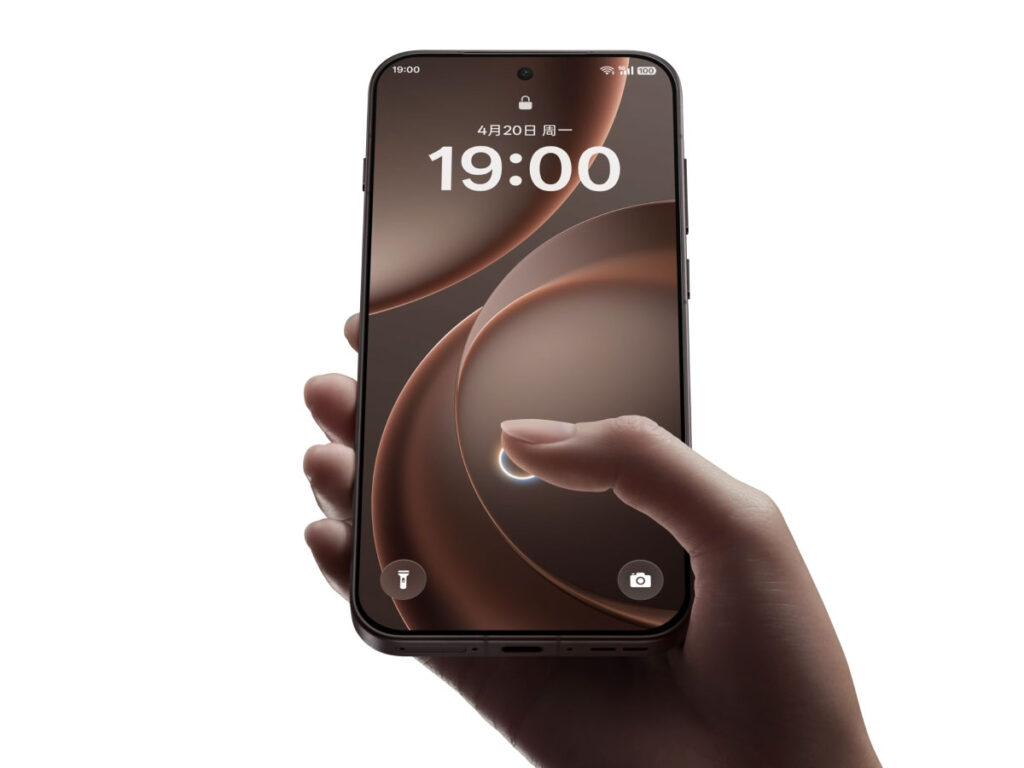
The smartphone industry has spent the last few years convincing everyone that “Ultra” must also mean “the size of a brick.” Not Oppo, though. The Chinese smartphone maker must have looked at the situation and decided that maybe some people would still like to feel their fingers after holding a phone for 20 minutes. Enter the new Oppo Find X9s Pro, a compact flagship that is somehow packing dual 200 MP Hasselblad cameras, a massive 7,025 mAh battery, and a 6.3-inch display with absurdly narrow 1.1 mm bezels all around.

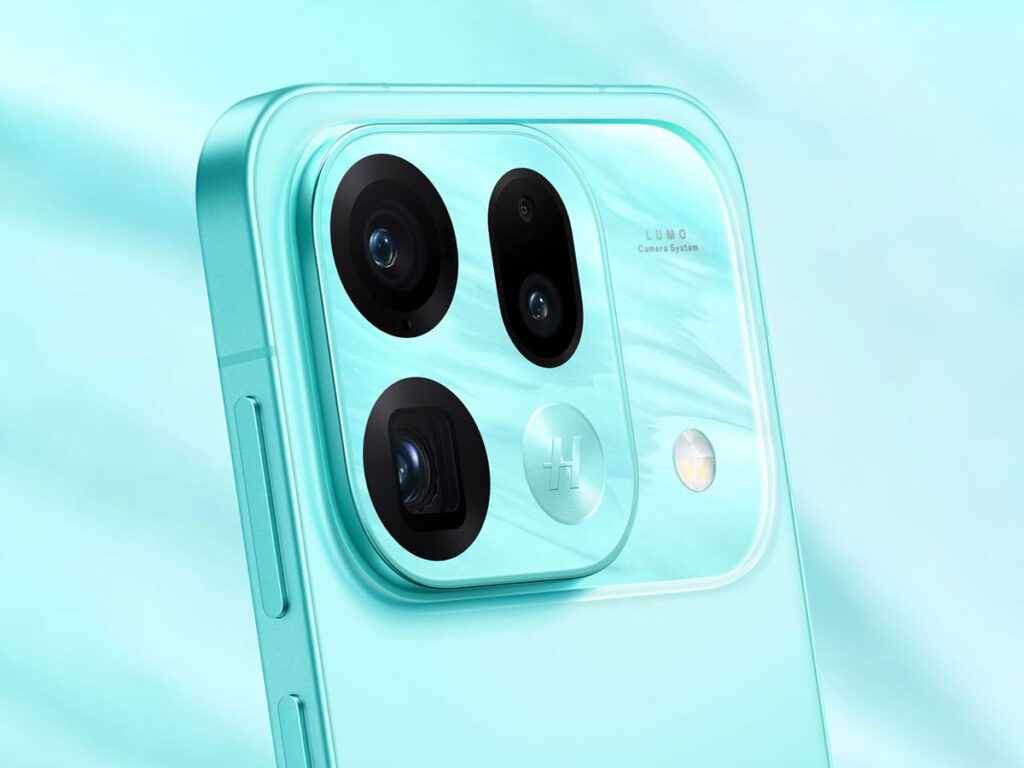
Billed as the ultimate travel camera phone, this follow-up to the Find X8 Series is built around what Oppo calls a Hasselblad Dual 200 MP Ultra-Clear Imaging System. That setup includes a 200 MP Hasselblad large-sensor ultra-clear main camera with a 23 mm focal length, 1/1.4-inch sensor, and F1.6 aperture, alongside a 200 MP Hasselblad large-sensor ultra-clear telephoto camera featuring a 65 mm portrait focal length, a 1/1.56-inch sensor, and F2.6 aperture. The telephoto unit is also a periscope-style optical zoom camera co-developed with Hasselblad, which sounds considerably more expensive than whatever most of us are doing with our lives.
Backing the camera hardware is the Second-Generation Danxia Color Restoration Lens, equipped with 2.4 μm ultra-large spectral pixels, 24-channel spectral sampling, and a claimed 43% increase in sensing efficiency. Add HNCS certification and Hasselblad Natural Color Calibration into the equation, and Oppo is making a very strong case for more accurate colors and more natural-looking shots. The system also supports 15EV ultra-high dynamic range across photos, Live Photos, and video, helping the phone deal with difficult lighting conditions without turning highlights into glowing portals.
Fun fact: Danxia, which literally translates to Rosy Clouds or Red Clouds, is an Oppo proprietary color science/auxiliary sensor named after the Danxia landform, the colorful red sandstone mountains in China, like Zhangye Danxia. Zhangye (张掖) is a city in Gansu (甘肃) province, btw.
The rest of the imaging setup is no slouch either. There is a 50 MP ultra-wide camera with a 15 mm focal length, F2.0 aperture, and a 120-degree field of view for dramatic landscapes and architecture shots. The Adaptive Zoom Flash intelligently adjusts brightness according to focal length, while the LUMO Flash Portrait Algorithm aims to recreate that retro CCD flash-camera aesthetic currently dominating social media feeds and probably half your Instagram explore page.


One of the more unusual features is 4K 3D Live Photos. Besides capturing ultra-clear motion photos, the phone can automatically generate triple-frame compositions and optimized collages for portraits, pets, buildings, and more. It is the kind of feature tailor-made for travel content creators who enjoy making their holiday photos look slightly more cinematic than the actual vacation itself. Not going to lie, I kinda sold by this photography gimmick.
Speaking of cinematic, the Find X9s Pro supports 8K ultra-clear cinema-grade video recording and professional-style film looks straight out of a camera, reducing the need for heavy color grading later (that’s totally jam!). There are also nine built-in Master Mode native film profiles for users who enjoy giving their photos a more classic camera-inspired character without spending hours tweaking sliders.
Outside of imaging, the phone continues the “small phone with oversized ambitions” theme. The 6.3-inch display uses a next-generation 1nit eye-comfort panel with low-light eye protection across all scenarios and certifications from ten eye-care authorities. Oppo is also pushing gaming credentials hard this time around. The new Tidal Engine works alongside the MediaTek Dimensity 9500 to maintain ultra-smooth 144Hz gaming performance, which should please anyone who believes frame drops are a personal attack.
Battery life may end up being one of the biggest surprises here. The Find X9s Pro squeezes a 7,025 mAh (!) Glacier Battery into its compact body while supporting 80 W SUPERVOOC wired charging and 50 W wireless flash charging. Compact phones are usually associated with battery anxiety. This one defies convention altogether.

Then there is ColorOS 16, which arrives loaded with Oppo’s latest AI features. The new Lock Screen Island acts as a live activity hub, while AI Travel Collection helps organize travel-related information. AI Menu Translation may also save travelers from accidentally ordering something terrifying at 2 AM in a foreign country.
Meanwhile, Oppo AI introduces dedicated hardware controls with “Left to Remember, Right to Ask.” The left button quickly saves information like receipts, pickup codes, and camera settings, while the right button activates AI Screen Assistant for contextual on-screen queries and multi-turn conversations.
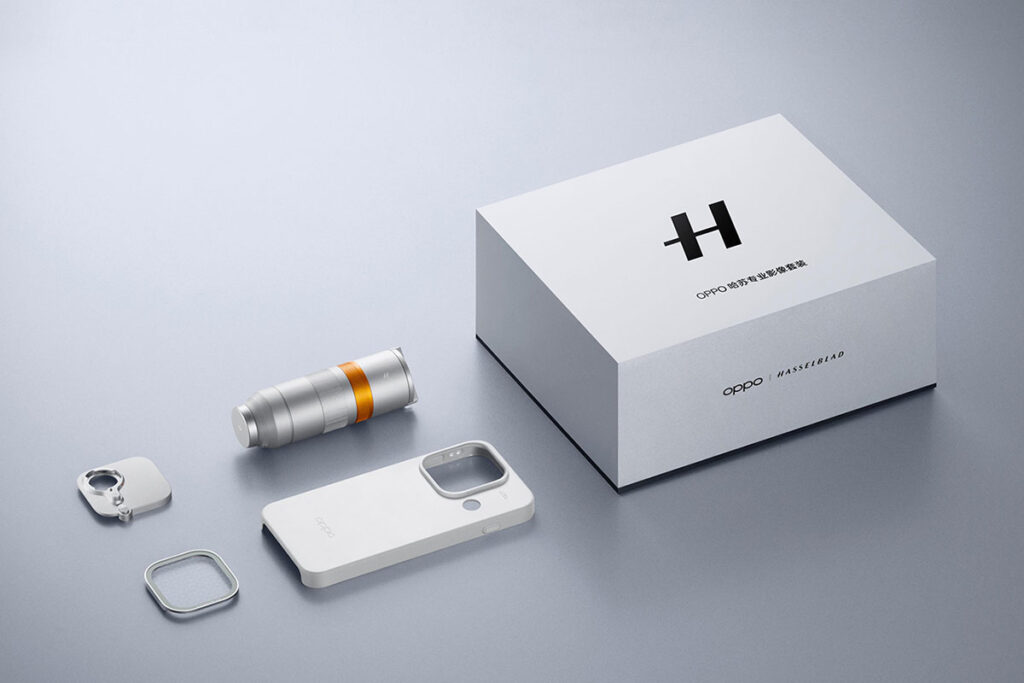
For photography enthusiasts who still think smartphones should behave a little more like actual cameras, Oppo is also offering an optional Hasselblad Professional Photography Kit. The accessory package includes a professional telephoto converter, an eight-point star filter, a protective case, and an adapter ring, turning the Find X9s Pro into something that edges dangerously close to mirrorless camera territory.
The Oppo Find X9s Pro is shaping up to be one of the more interesting flagship phones of the year. Not because it folds, rolls, or projects holograms onto the ceiling—it does none of those, but because it takes the increasingly rare idea of a compact flagship and stuffs it with genuinely serious hardware. Seriously, I still cannot fathom how a device this small can pack not one but two 200 MP sensors, and one of them a periscope system.
The Oppo Find X9s Pro has been launched in China in four colors (Riding Breeze Green, Free White, Vitality Orange, and Natural Titanium—which is more like gunmetal, really), and four configurations (12+256, 12+512, 16+512, and 16+1TB), with a starting price of 5,299 yuan [CH] (around US$779, at the time of this post).

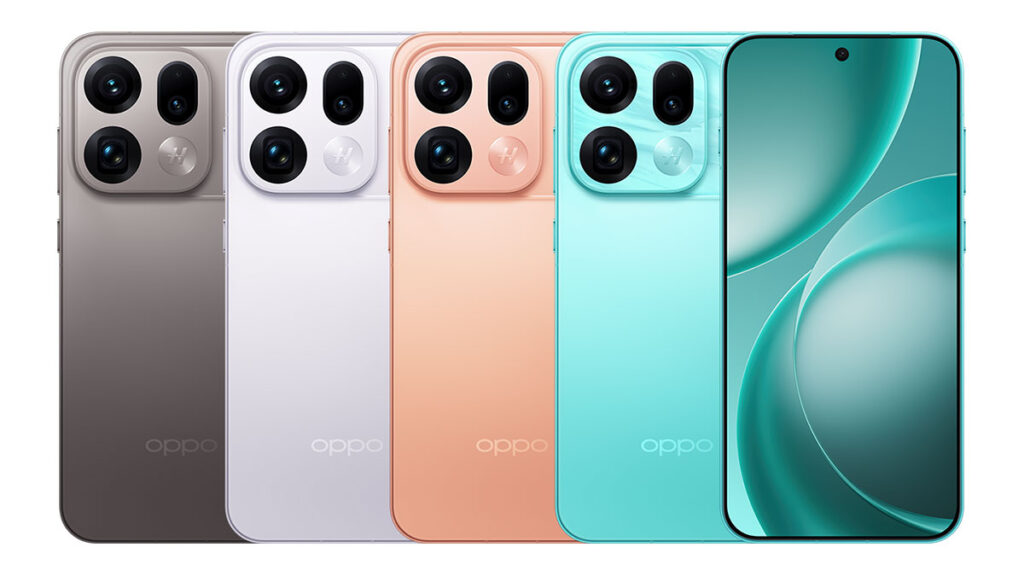

Images: Oppo [CH].