


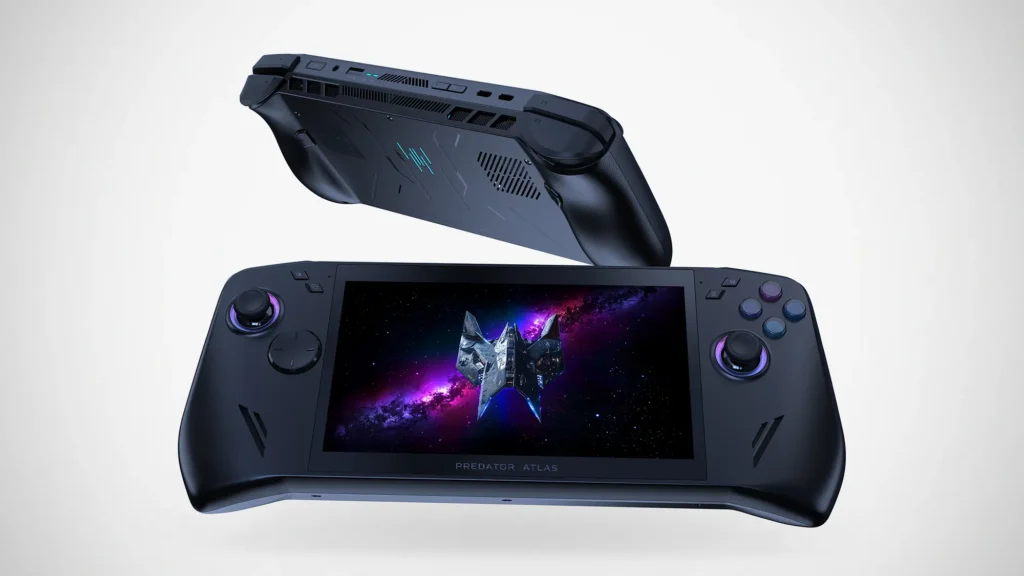
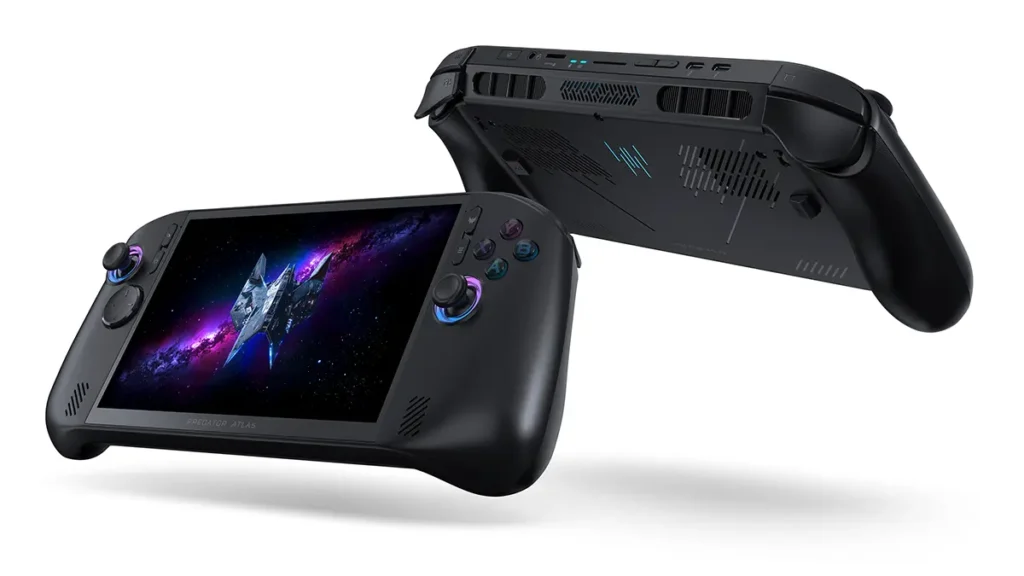
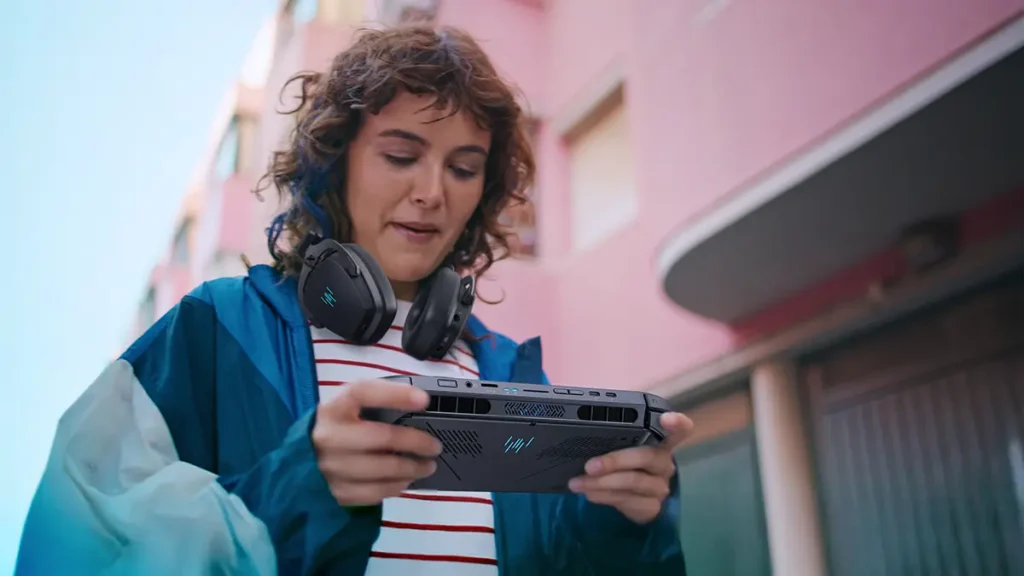
Taking your PC games out of the house used to mean bringing a laptop. Acer would rather you leave the keyboard behind. Its Predator Atlas 8 debuted at Computex in May, followed by the smaller Predator Atlas 7 at IFA in September. Small hands, big hands, everyone gets a Predator. Your pockets may have other opinions, though.

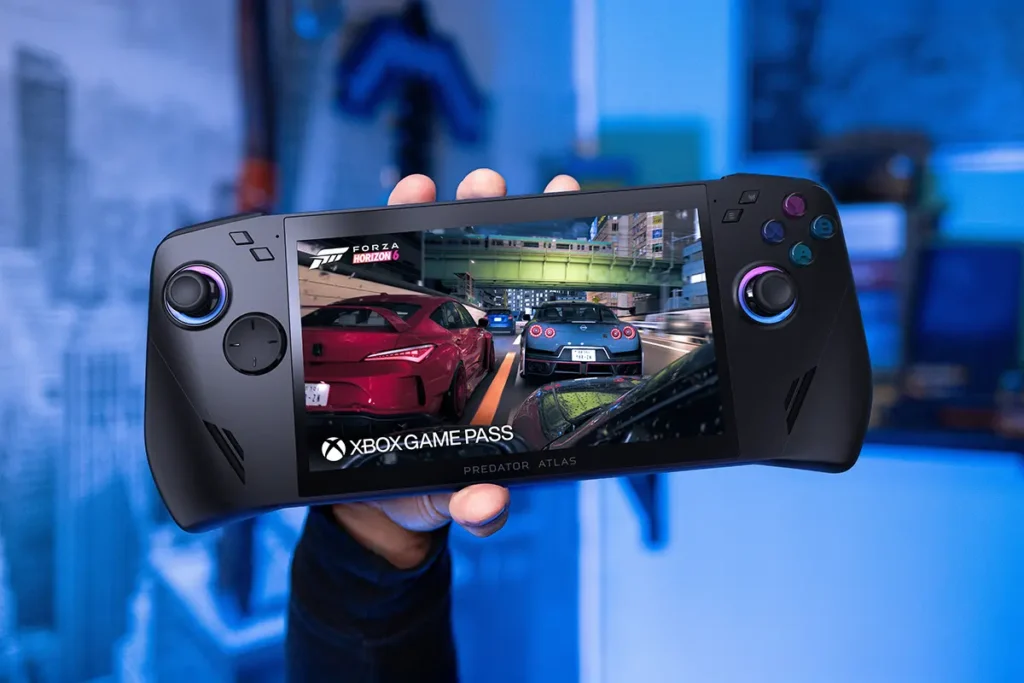
The numbers refer to their touchscreen sizes. The Atlas 7 has a 7-inch, 1920 × 1080 display in familiar 16:9 proportions, while the Atlas 8 stretches to an 8-inch, 1920 × 1200 panel with a taller 16:10 aspect ratio. Both offer 120 Hz refresh rates, variable refresh rate support, and 500-nit brightness, with Gorilla Glass Victus and DXC treatment helping with scratches and glare.
Going smaller doesn’t mean taking the budget route. Both pack up to an Intel Arc G3 Extreme processor, Arc B390 graphics, 24 GB of LPDDR5x memory, and a 1 TB PCIe Gen4 SSD. They run Windows 11, so your handheld gaming ambitions come with the familiar company of Windows.
Cooling duties fall to two fans, including a metal Predator AeroBlade fan with 89 blades just 0.1 mm thick. Both also offer batteries up to 80 Wh. With that battery, the Atlas 7 weighs under 750 g (1.65 lb), versus under 810 g (1.79 lb) for the Atlas 8. Portable, yes. Something you forget you’re holding, probably not.
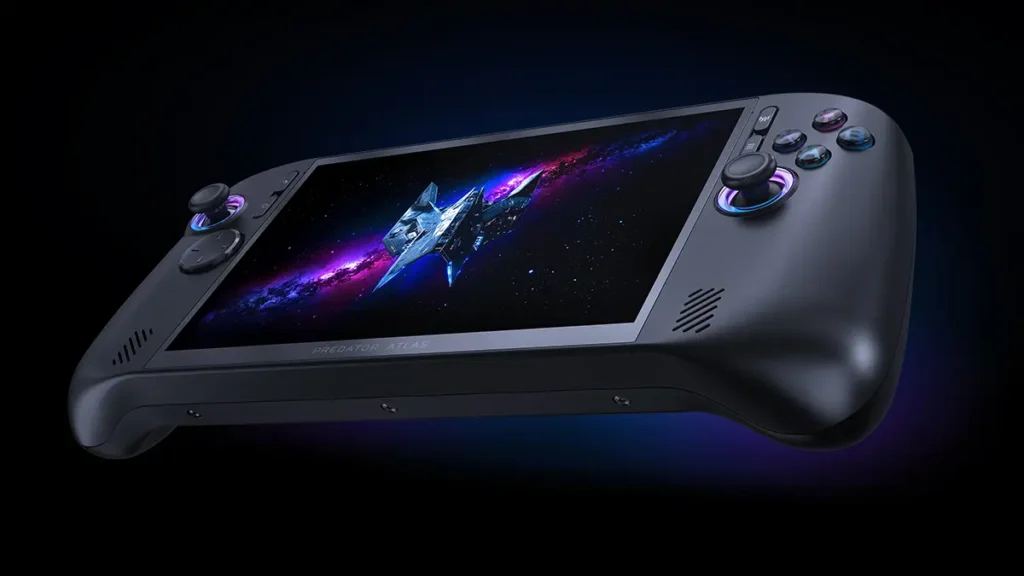
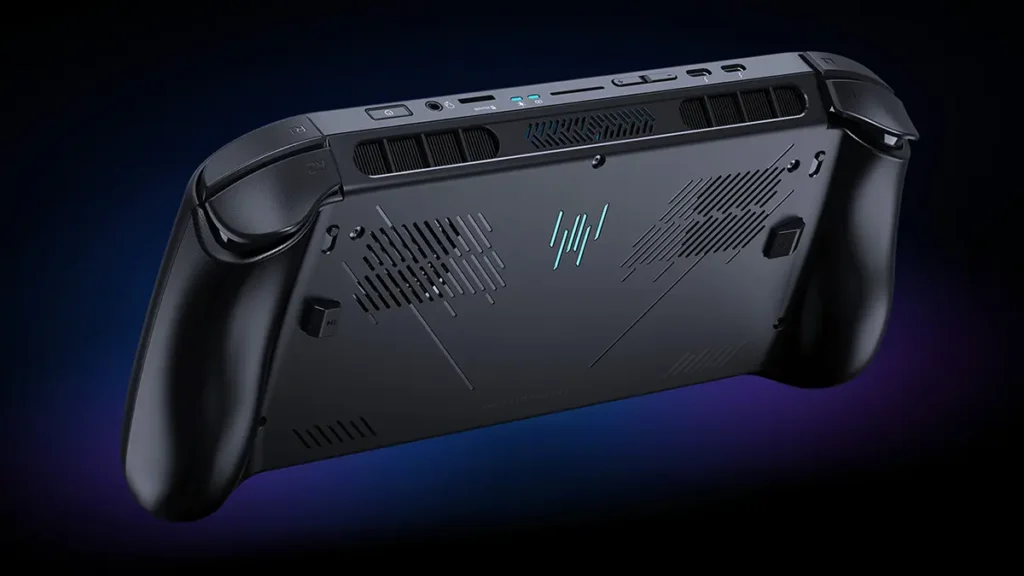
Beyond screen size, hardware controls set the two apart. While both feature TMR joysticks and Hall-effect analog triggers as standard, the Atlas 8’s triggers can switch between a quick-click mode for shooters and traditional analog travel for racing games. Both models feature dual Thunderbolt 4 ports, microSD expansion, Wi-Fi 7, and fingerprint login.
Acer revised its schedule to launch the Atlas 8 in September across North America and EMEA, where it starts at US$1,299. The Atlas 7 will follow in Q4 in North America and November in EMEA. Meanwhile, you may learn more about the Atlas 7 here. Pricing for the smaller model hasn’t been revealed yet, so how much damage the entry point will do to your wallet remains to be seen.



Images: Acer.