


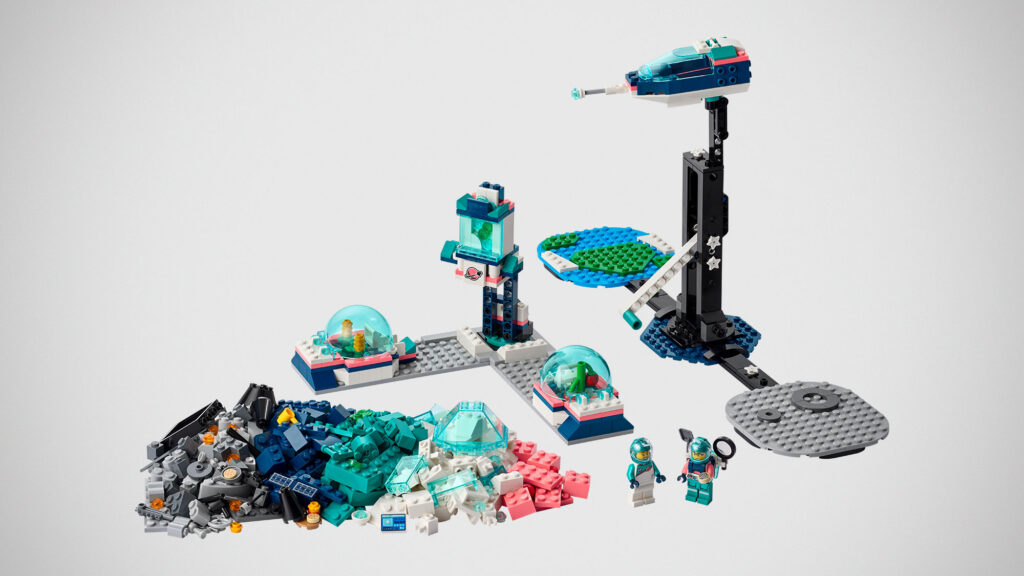
LEGO is all about blending fun with creativity, but what if you throw science into it? Well, that is exactly what LEGO Education is. LEGO, together with LEGO Education, has just launched four brand-new STEM sets for kids, designed to invoke curiosity, exploration, and scientific discovery in the comfort of the home. Where regular sets involve regular LEGO designers, the new LEGO Education STEM sets are developed in collaboration with educators and inspired by real-world challenges.

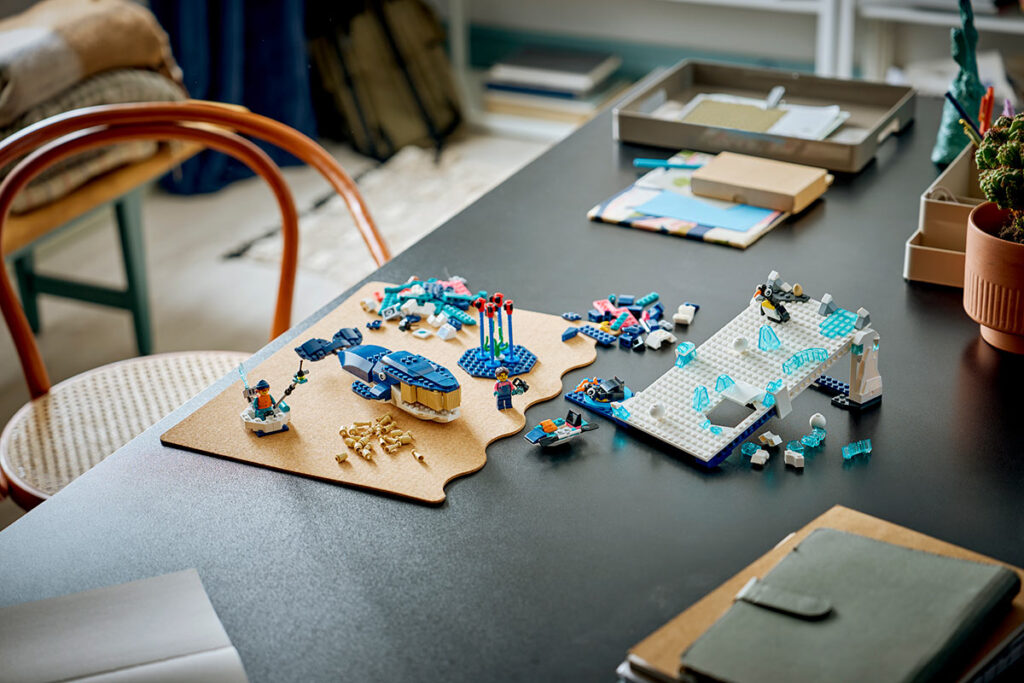
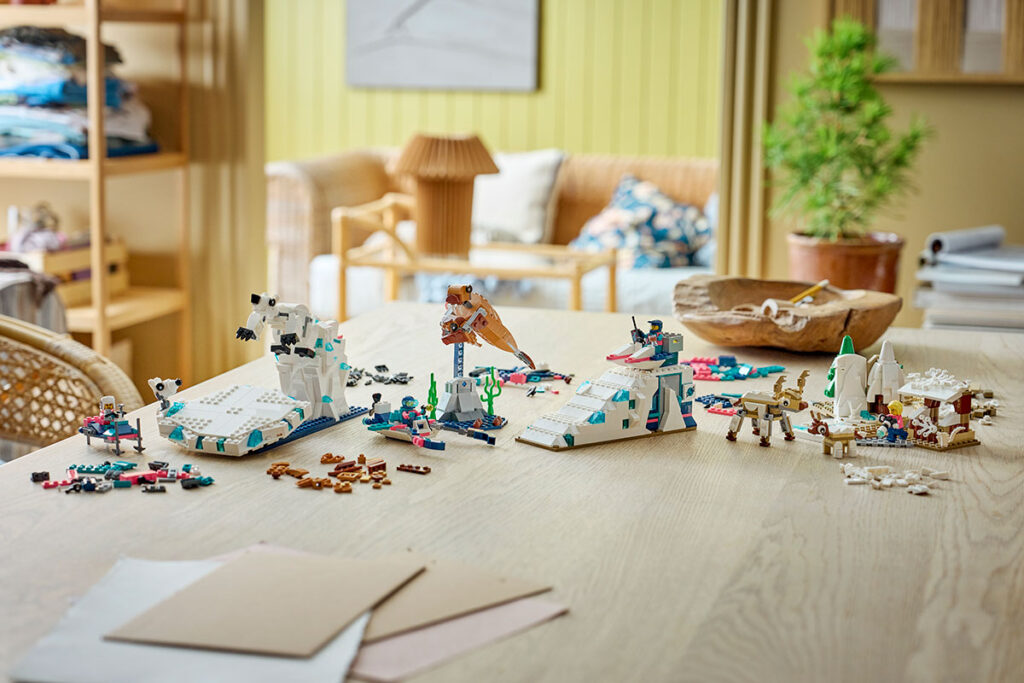
For the first time, LEGO Education is stepping beyond the classroom and into living rooms, kitchen tables, and anywhere kids tend to ask questions adults are not fully prepared for. And apparently, that happens a lot. According to LEGO’s research, parents are regularly blindsided by science questions, with many admitting they sometimes stall exploration simply because they do not know how to answer. Enter these new STEM sets, which quietly take the pressure off parents while letting kids figure things out the hands-on way.
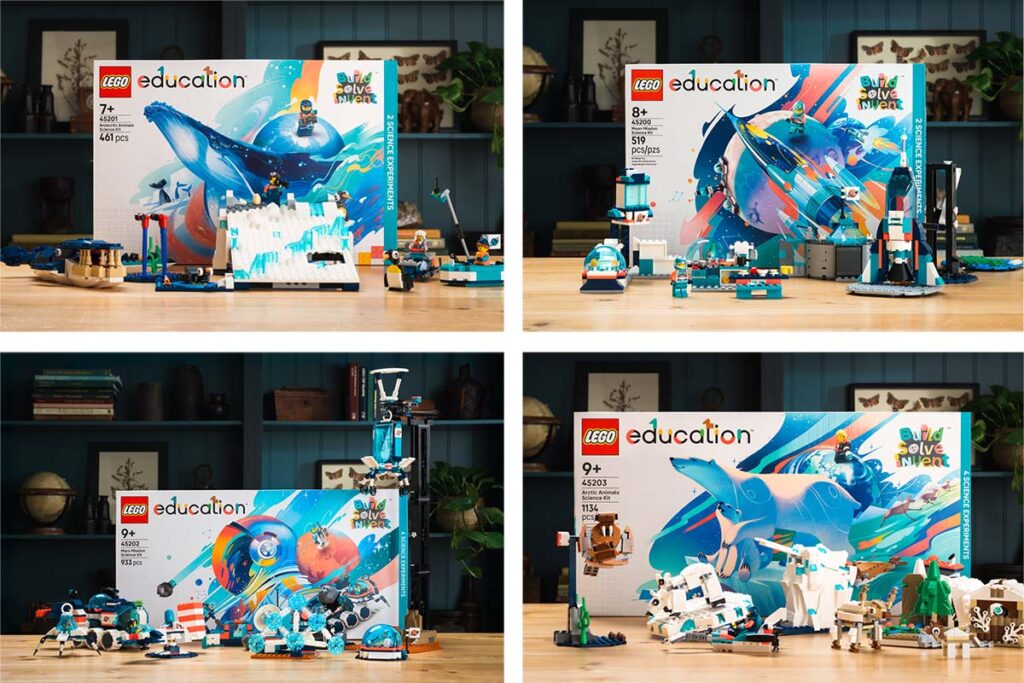
The four new kits revolve around space, animals, and nature, and each follows LEGO Education’s “Build, Solve, Invent” play loop. Kids start by building structured models, move on to testing and tweaking them, and then take what they have learned to invent their own solutions. In other words, trial and error is not a mistake here. It is the point.
To underline the spirit of exploration, LEGO roped in Steve Backshall, who knows a thing or two about learning science by getting his hands dirty. His involvement makes sense. These sets frame learning as discovery rather than instruction, which is far more effective than lecturing a seven-year-old about gravity.
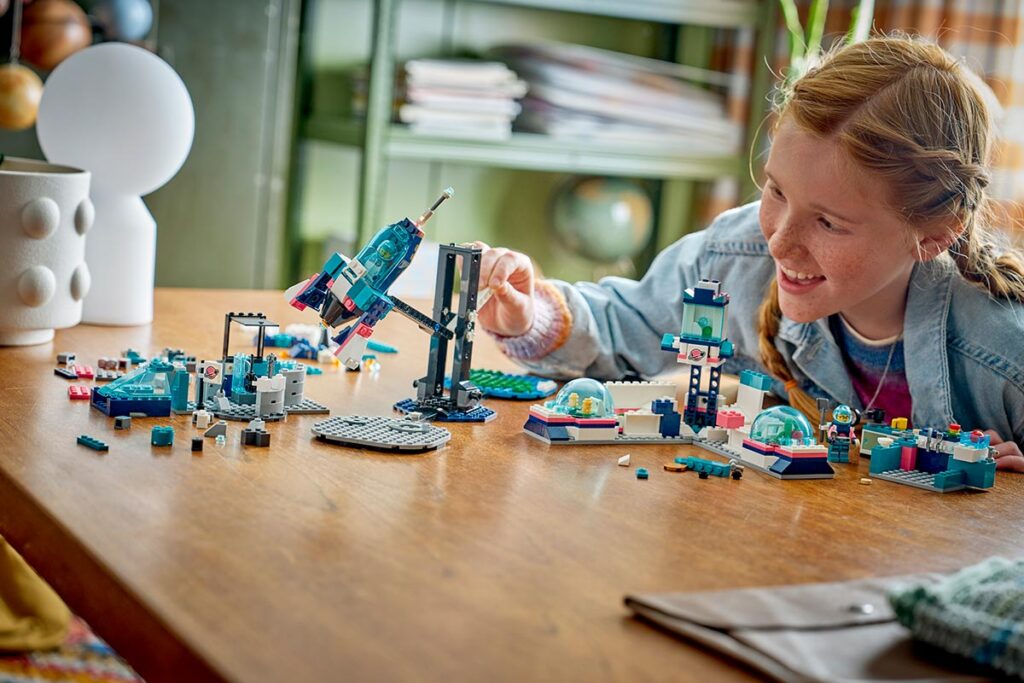
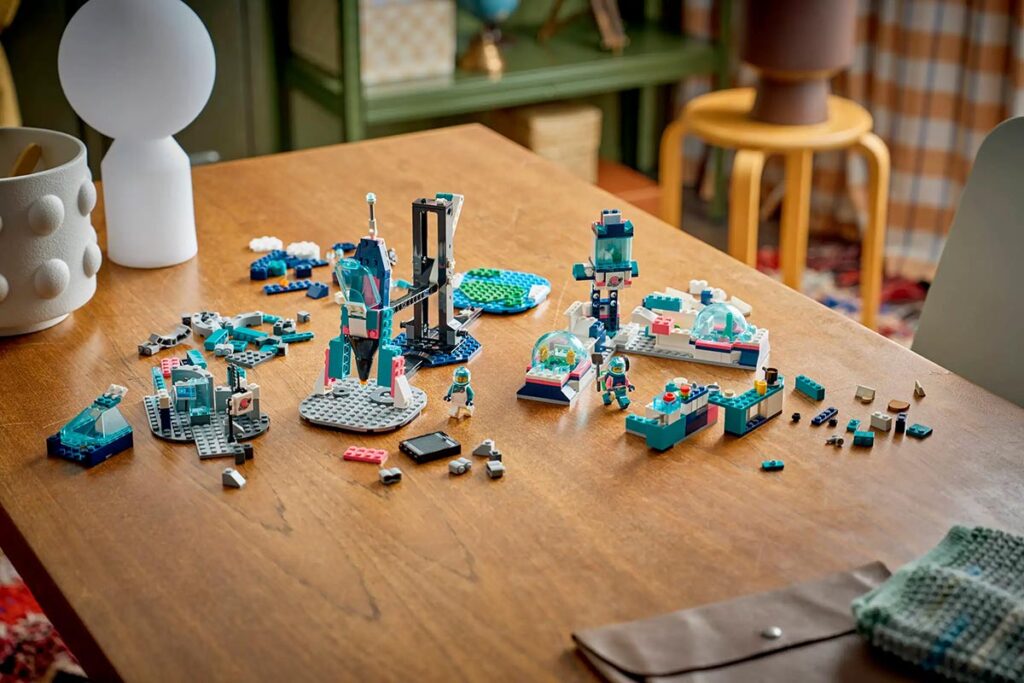
The lineup includes the LEGO Education Moon Mission Science Kit (US$49.99), a 519-piece set for ages eight and up, featuring a launchpad model measuring about 14 cm tall and 38 cm wide. The LEGO Education Antarctic Animals Science Kit (US$49.99) targets slightly younger builders with 461 pieces and an icy slope model around 10 cm tall. For older kids, the LEGO Education Mars Mission Science Kit (US$99.99) ups the complexity with 933 pieces and a drop-tower experiment standing roughly 49 cm high, while the LEGO Education Arctic Animals Science Kit (US$99.99) packs 1,134 pieces into an arctic camp build.
You can check out all four sets at LEGO.com/LEGOEducation.




Images: LEGO.