


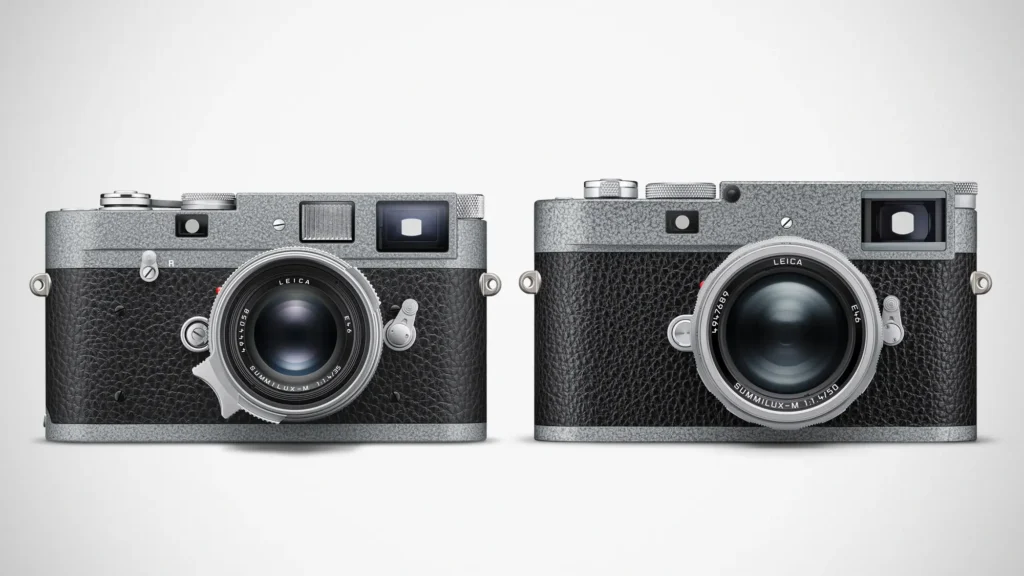
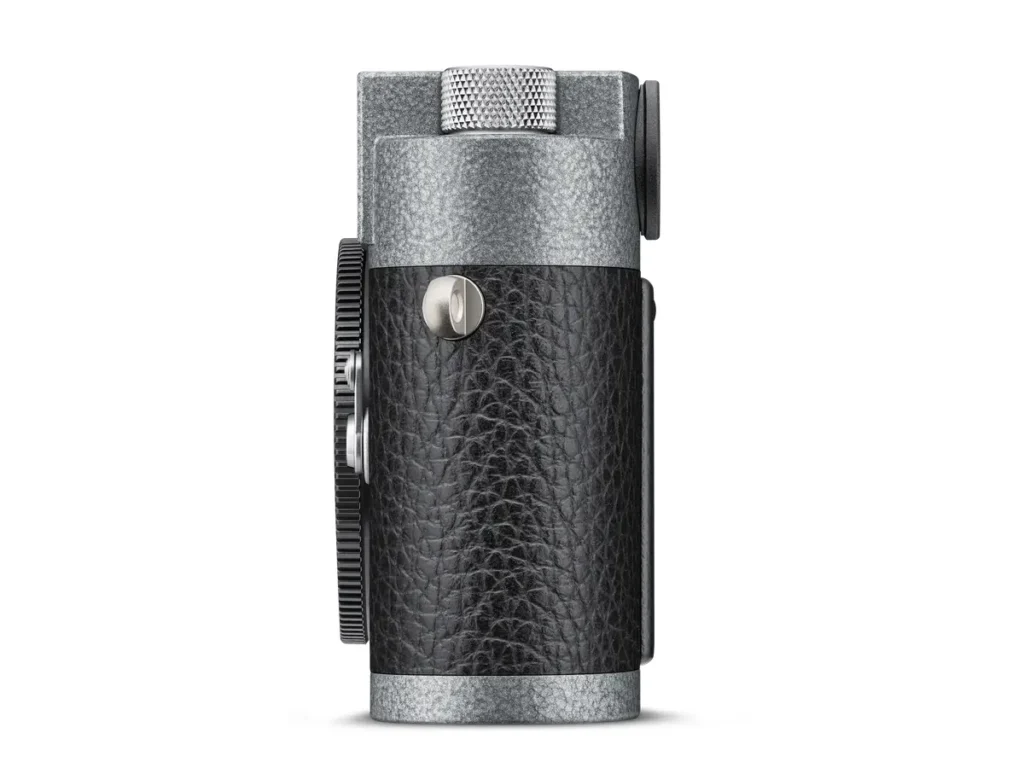
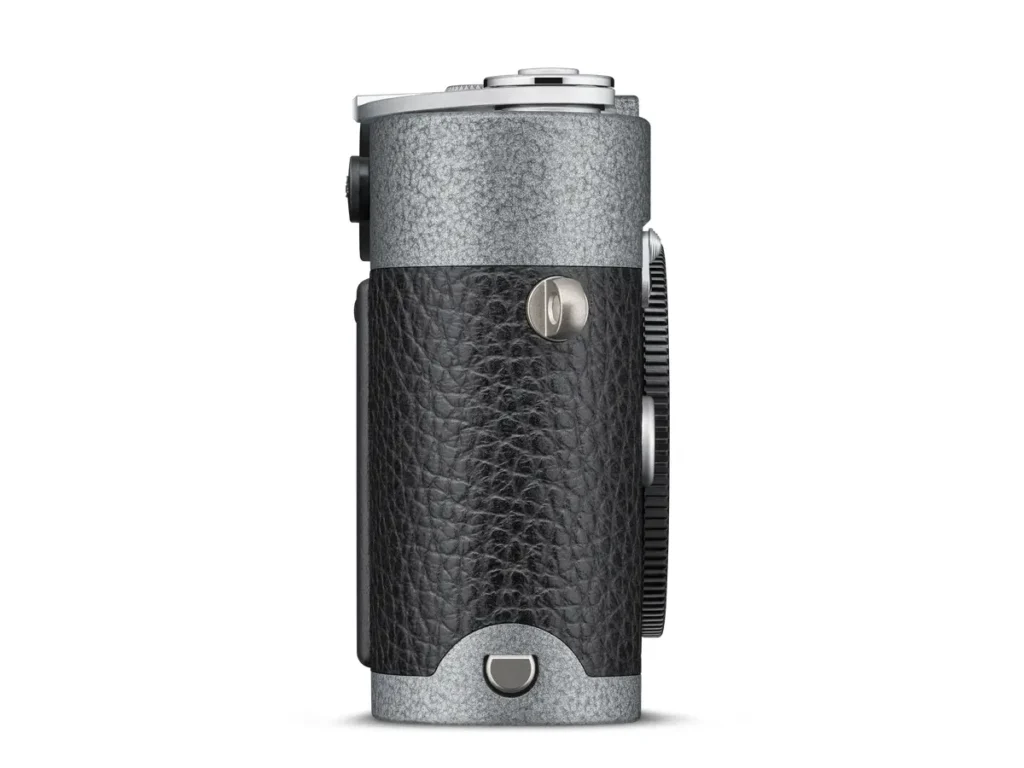
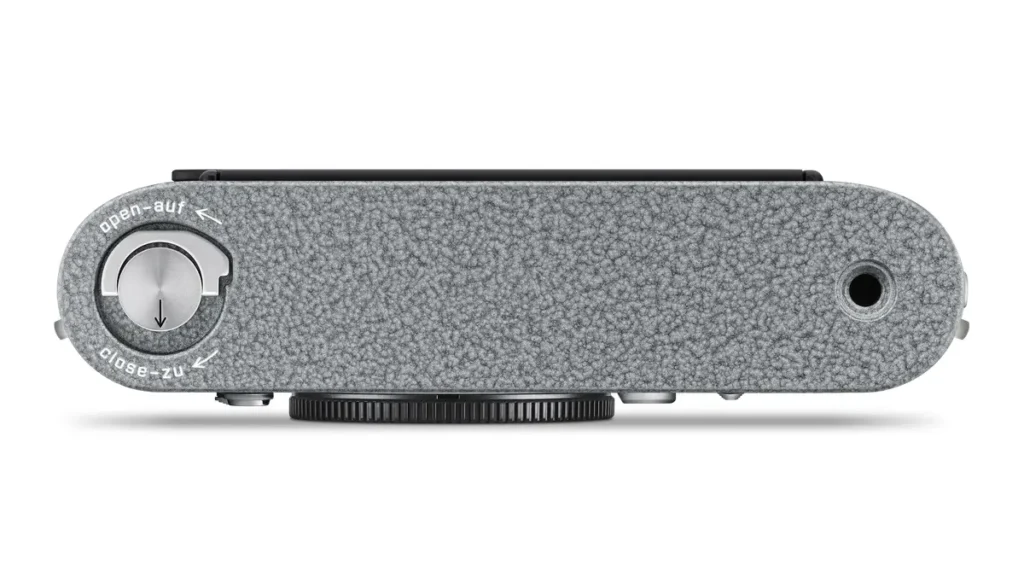
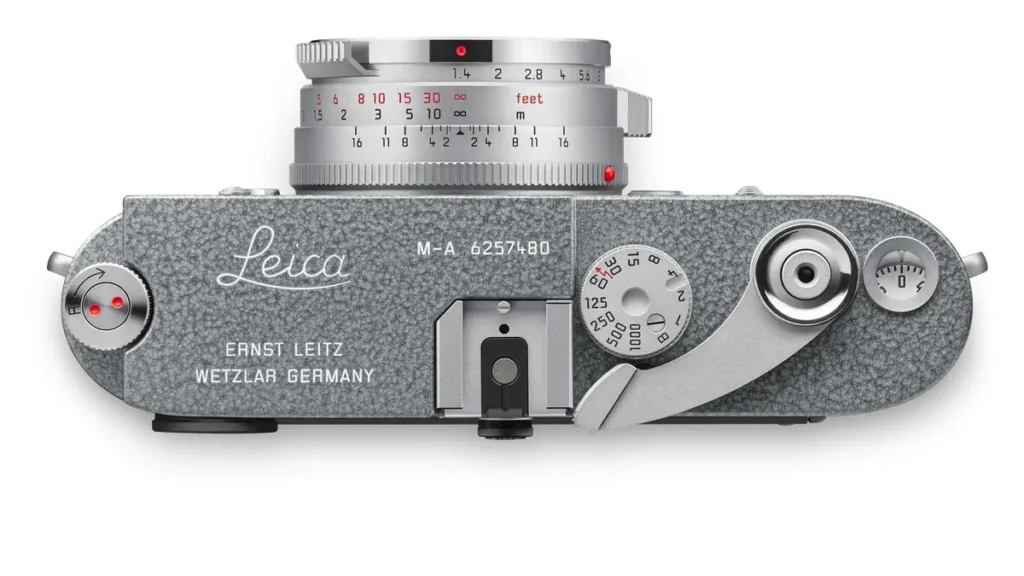
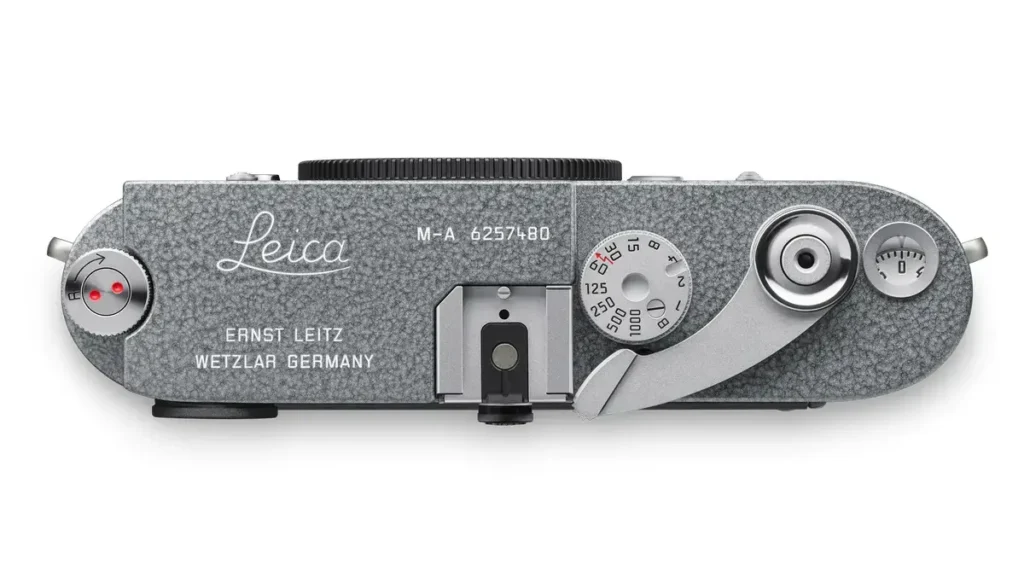
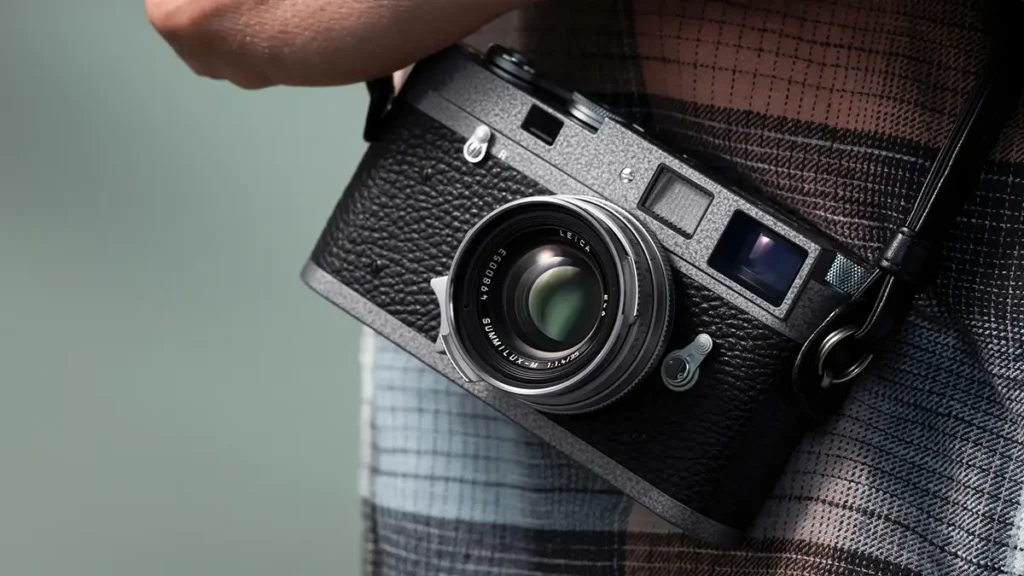
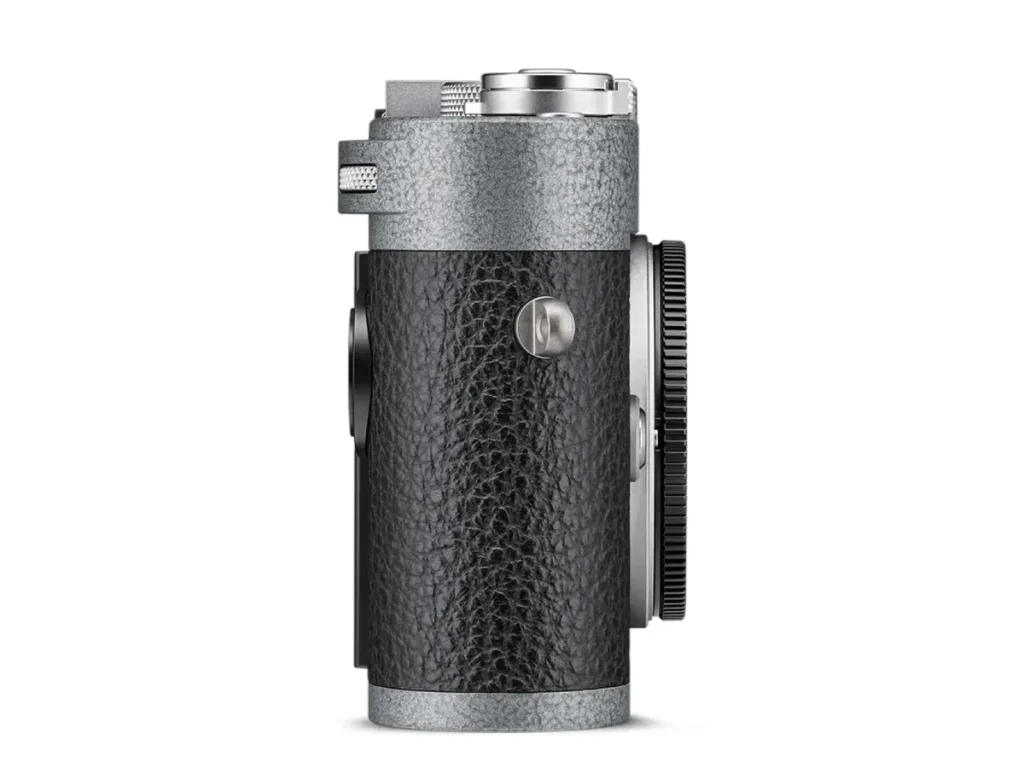
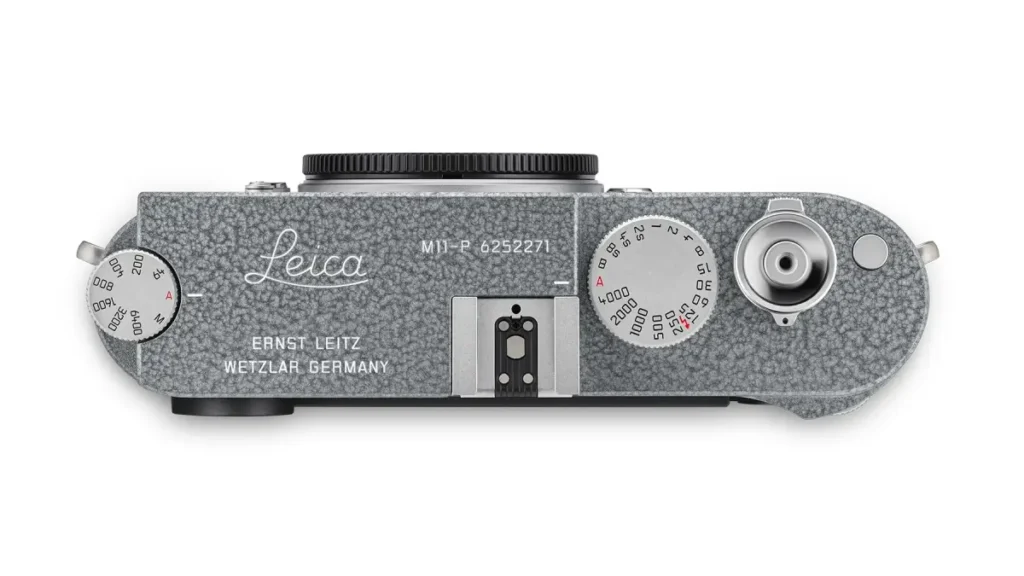
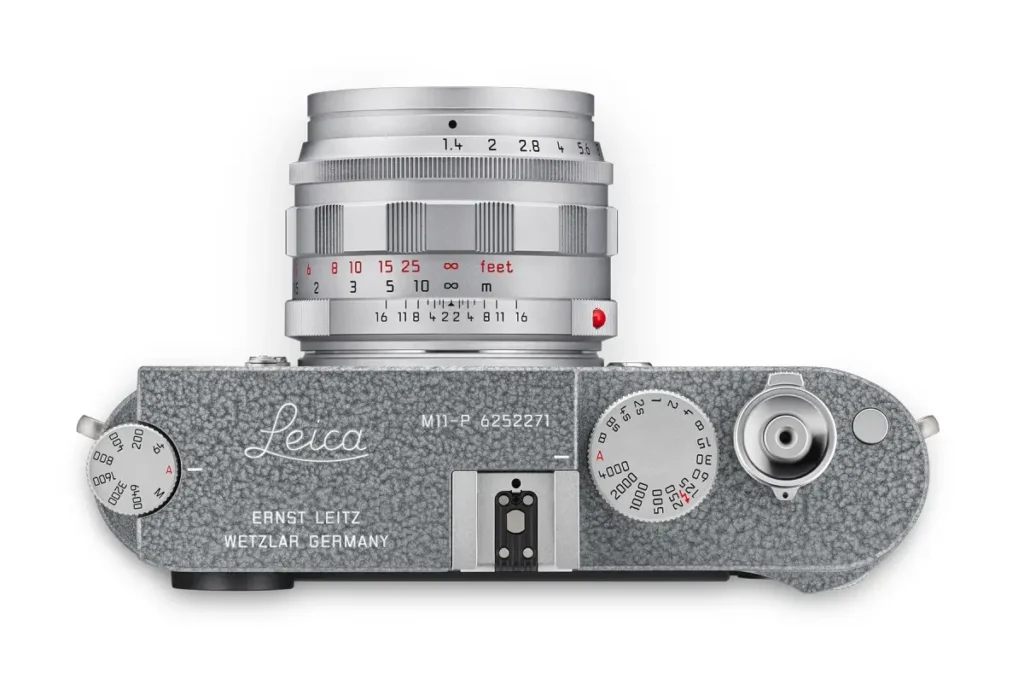
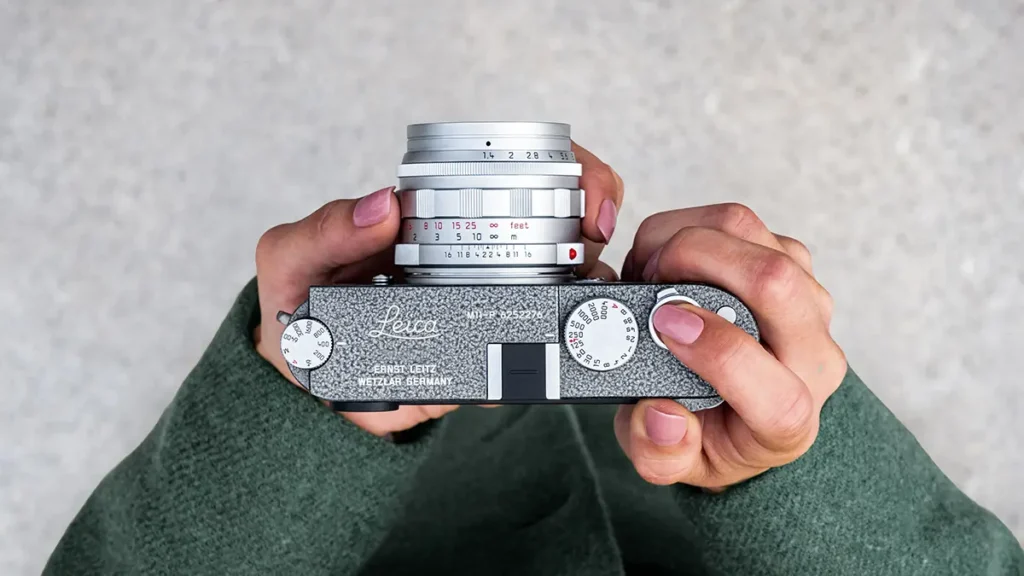
Leica has a thing for revisiting its past, and who can blame it? When you have more than a century of camera-making history behind you, there’s plenty to revisit. The German camera maker’s latest trip down memory lane comes in the form of the Leica M-A Hammertone and Leica M11-P Hammertone, two special-edition rangefinder cameras sporting a finish that looks like someone went to town on the metal with a tiny hammer. Thankfully, no actual hammering is involved.
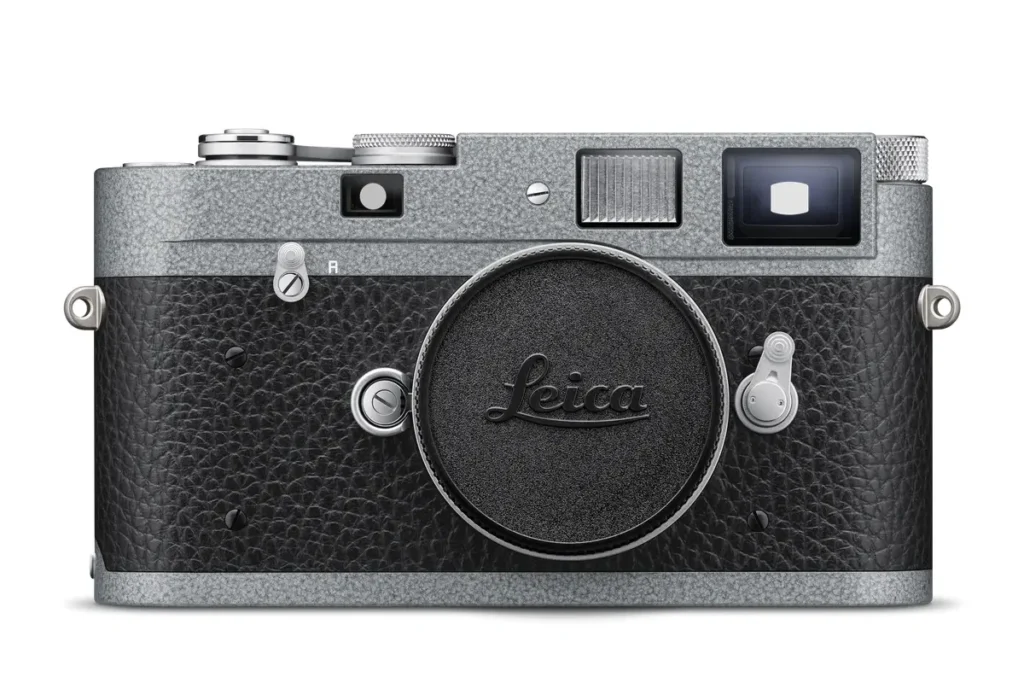
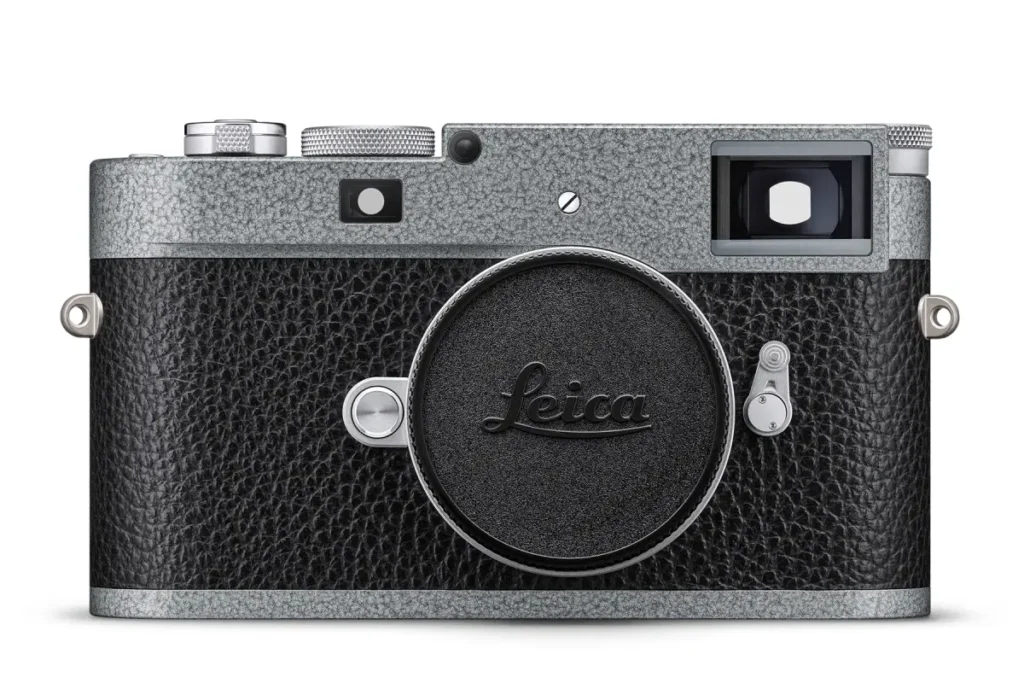
The distinctive hammertone paint finish dates back to industrial designs of the 1930s, where it was prized for its durability and textured appearance. Leica has used it sparingly over the decades, including on the exceptionally rare Leica MD Hammertone from 1964, of which only ten were made.
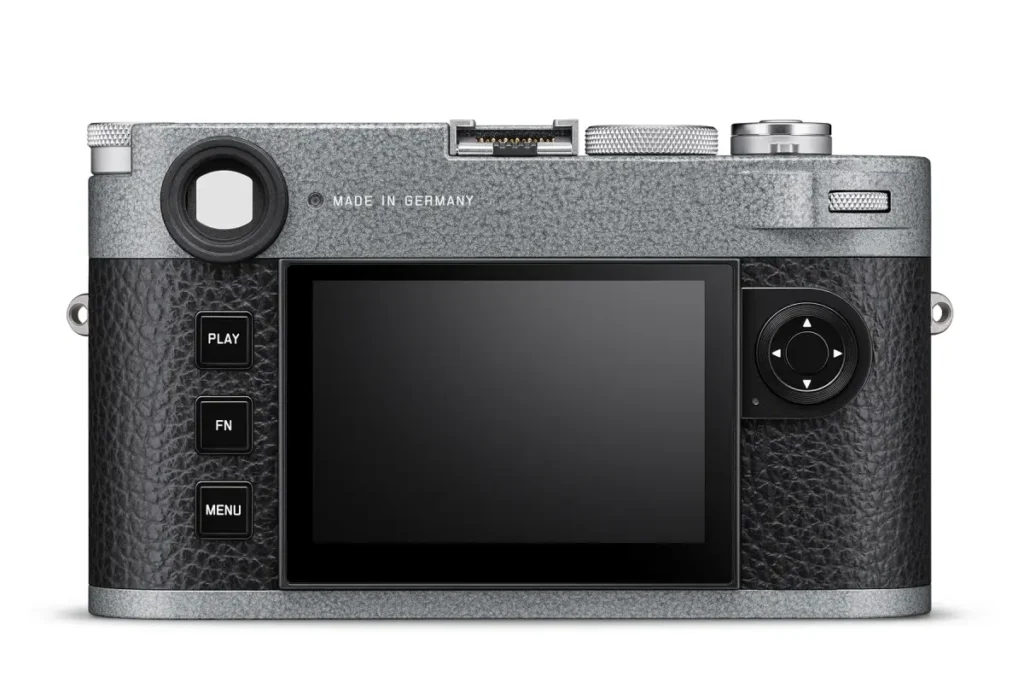
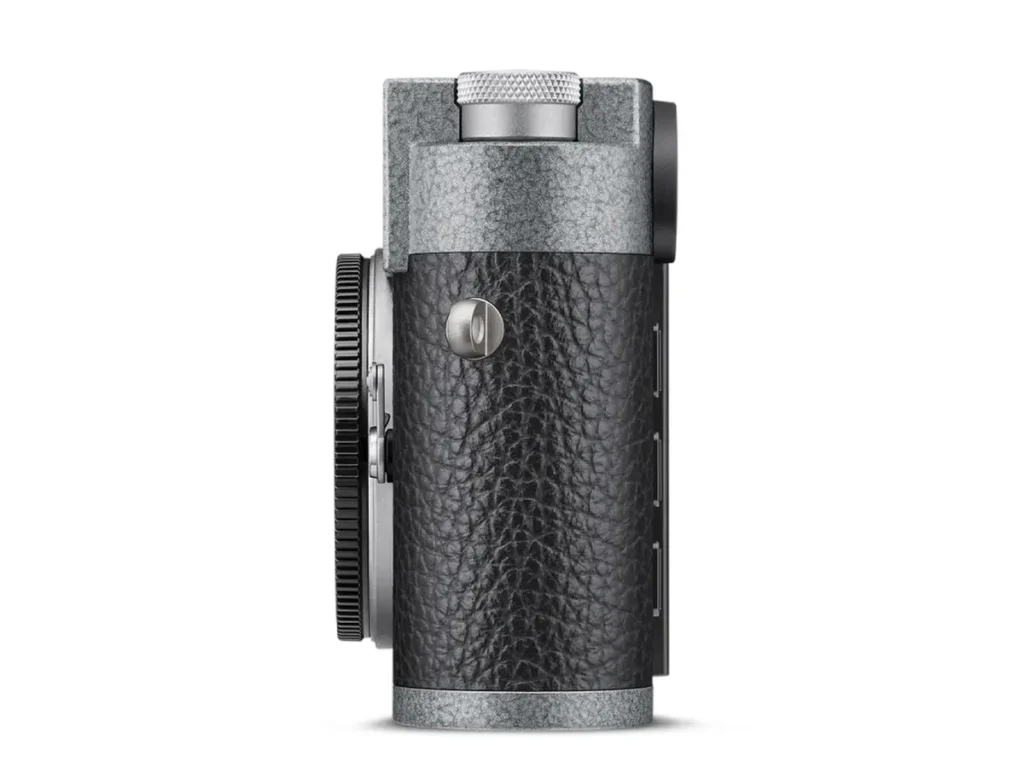
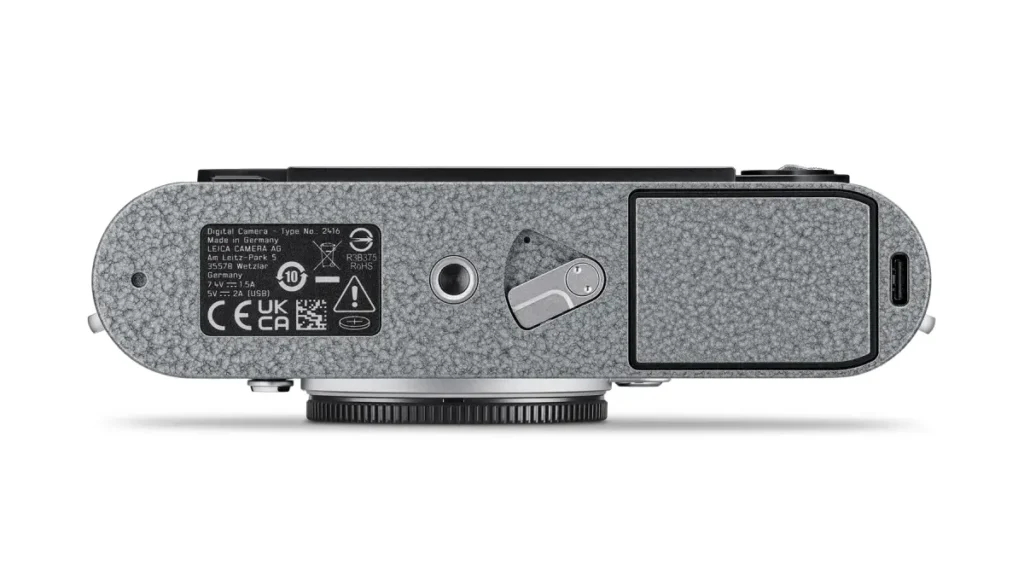
For these new editions, Leica has applied the textured finish to the solid brass top and bottom plates. The painting process produces subtle variations, meaning no two cameras look exactly alike. Black vulcanite-style leatherette, white engravings, traditional knurled controls, and silver-colored details complete the vintage appearance.
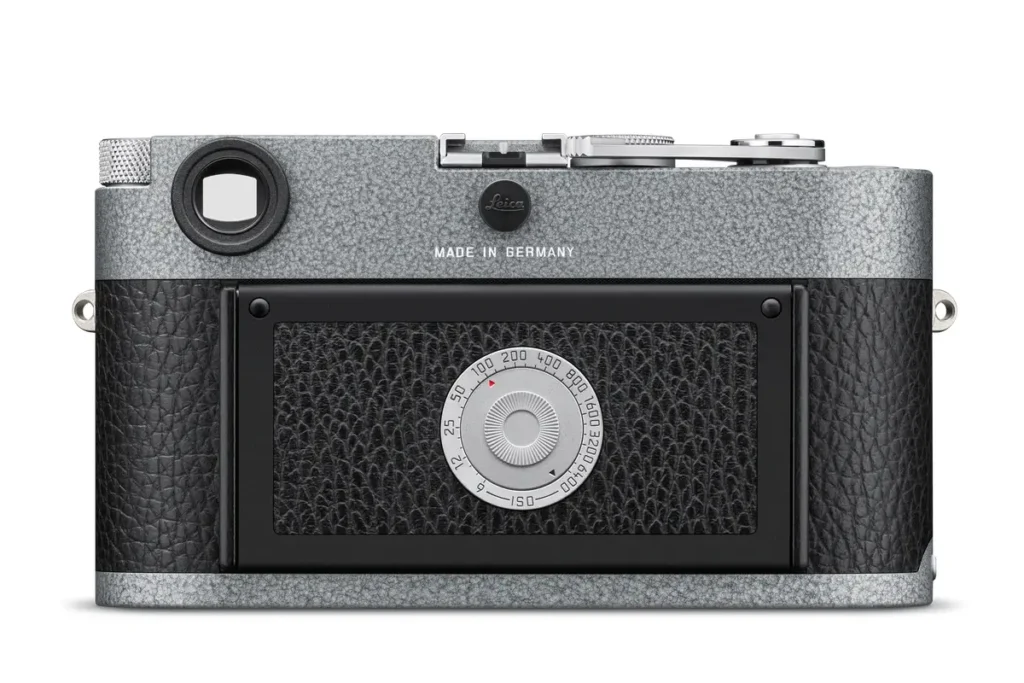
Underneath, the cameras remain familiar. The M-A Hammertone is a fully mechanical 35 mm film rangefinder with no electronics, battery, or built-in light meter. The M11-P Hammertone, meanwhile, offers a 60 MP full-frame BSI CMOS sensor, 256 GB of internal storage, Leica Content Credentials, and a sapphire glass display. It even comes with a matching hammertone-finished battery.
Both cameras have been available since November 12, 2026. The Leica M-A Hammertone costs €6,650 [DE] (US$8,000 in the US), while the Leica M11-P Hammertone commands €9,950 [DE] (US$10,950 in the US).
Images: Leica [DE].