


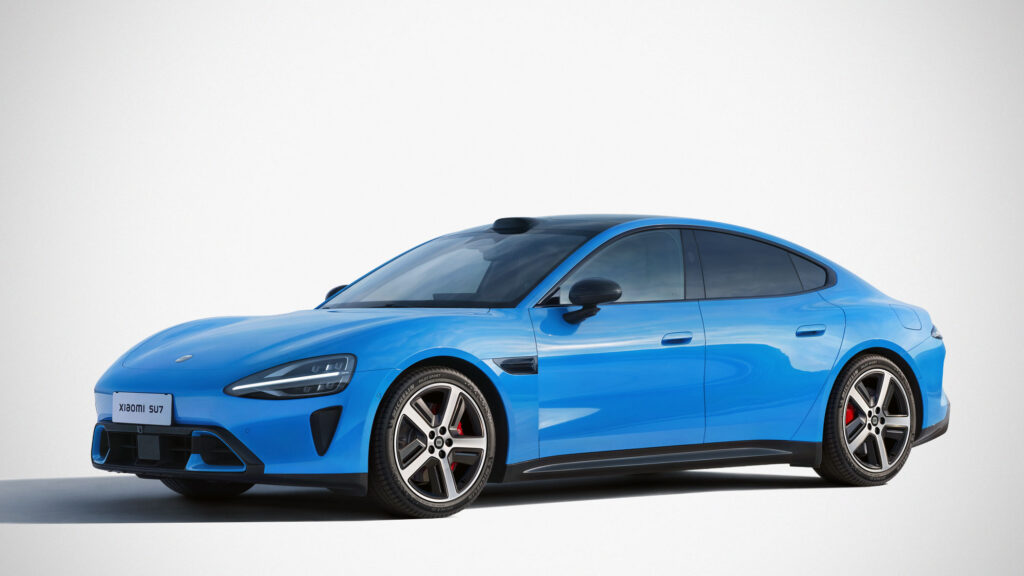
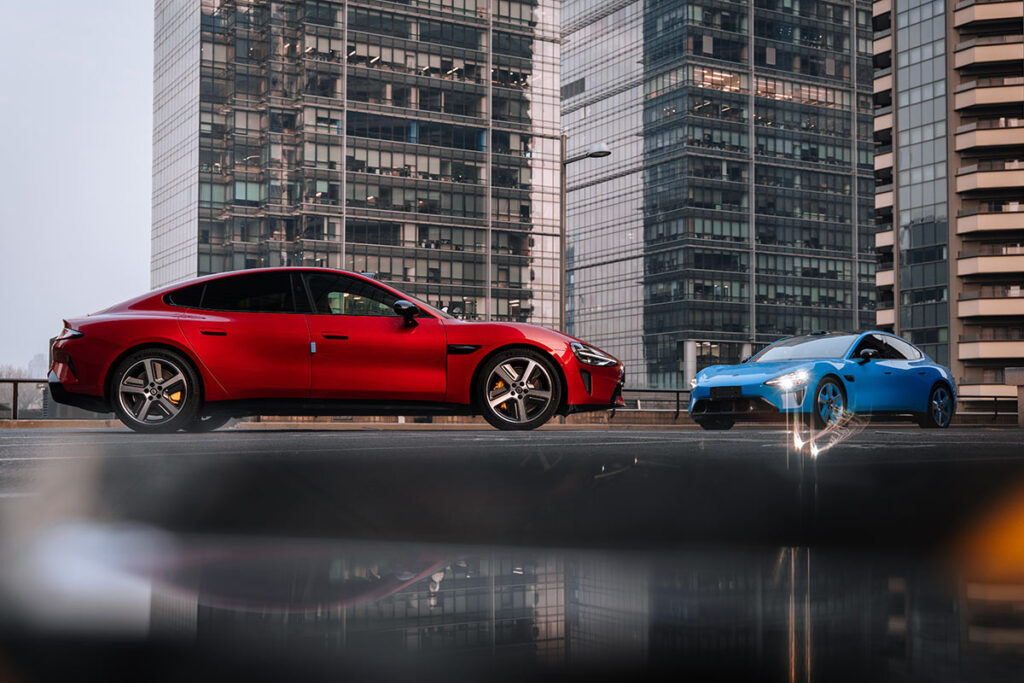
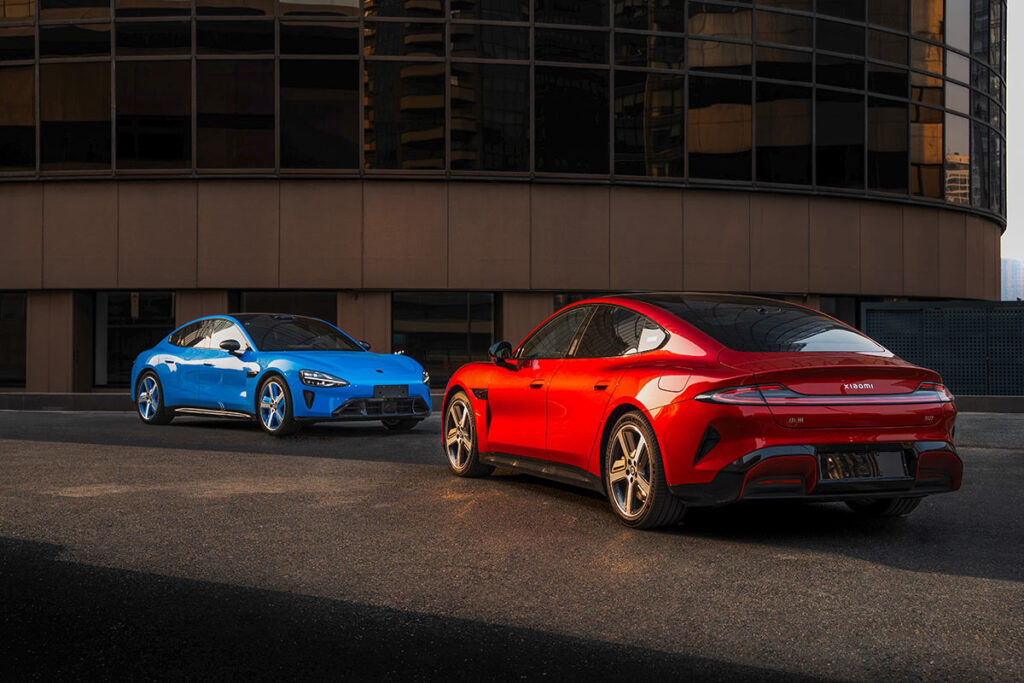
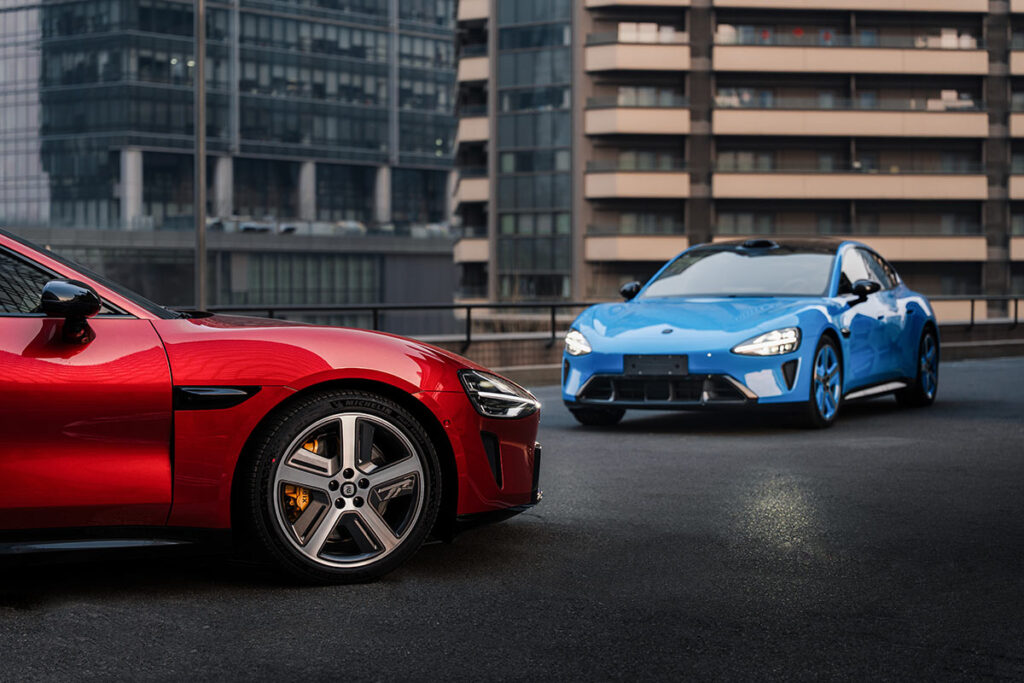
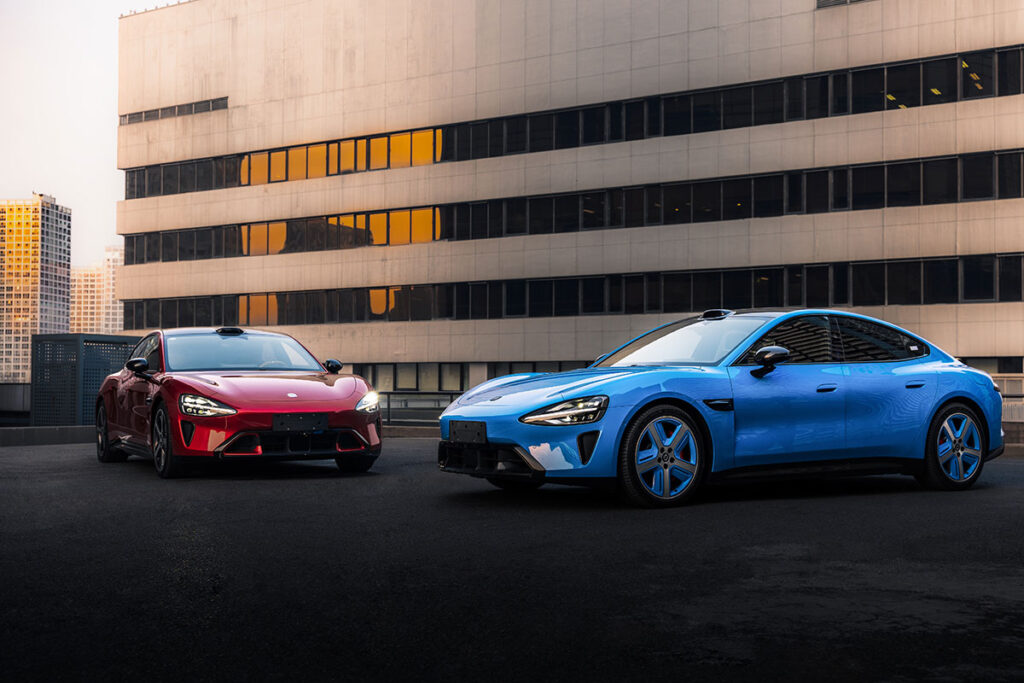
It is just about two years since Xiaomi’s first-ever electric vehicle hit the market, but already, it is getting a new-generation model. Meet the Xiaomi New-Generation SU7 (2026 model). At a glance, the exterior remains largely the same, except for subtle changes at the front spoiler area.
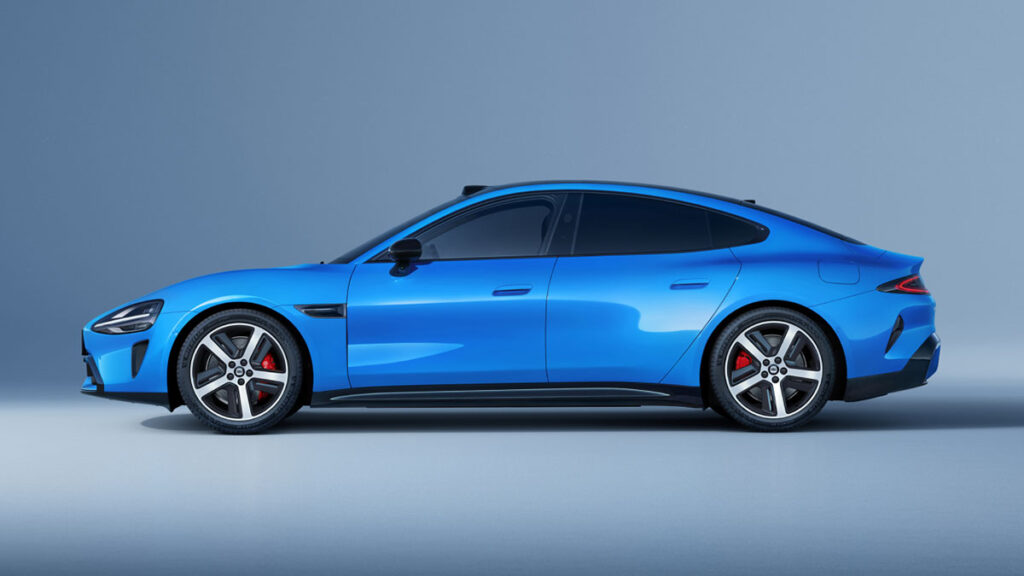
The center has been sectioned out much like the one seen on the SU7 Ultra. Sitting in this U-shaped space is a new 4D millimeter-wave radar that helps detect road-level obstacles, and even slightly below road level, such as potholes.
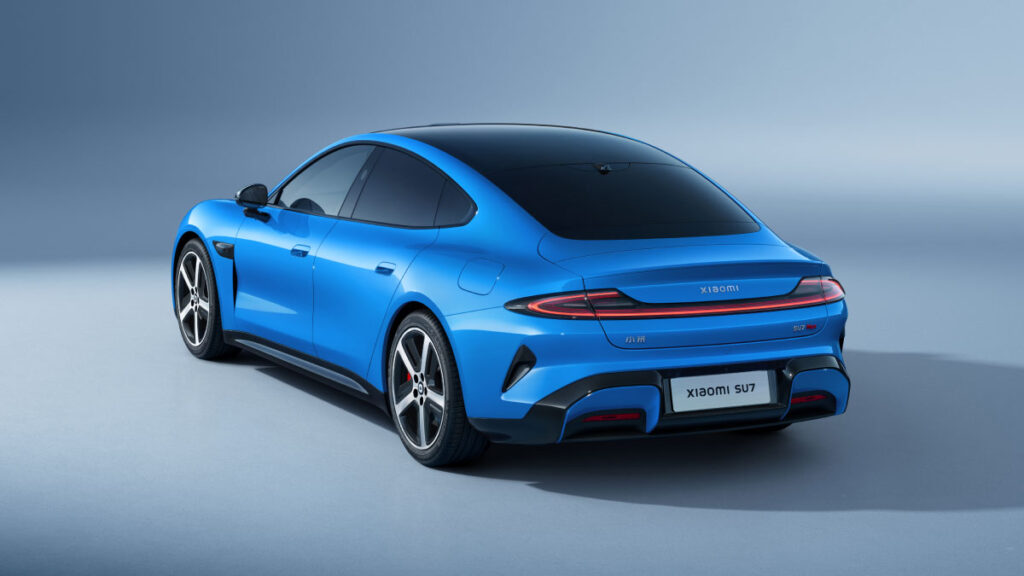
It also gets new 20-inch wheel designs, with an option to step up to new 21-inch wheels. Speaking of wheels, the rear wheels are now wider, measuring 265 mm. Then there are new body colors. That is basically it as far as the exterior goes.
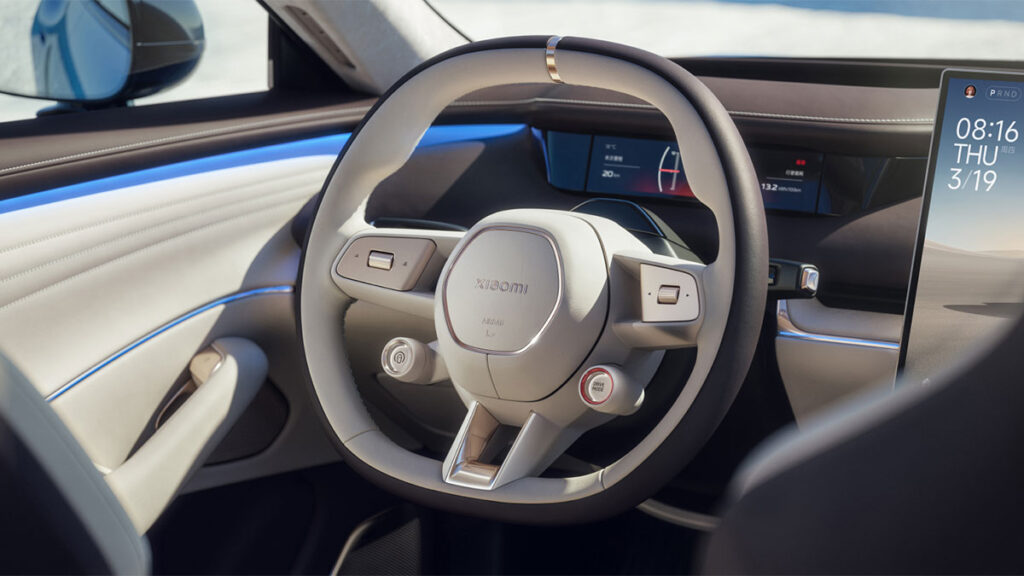
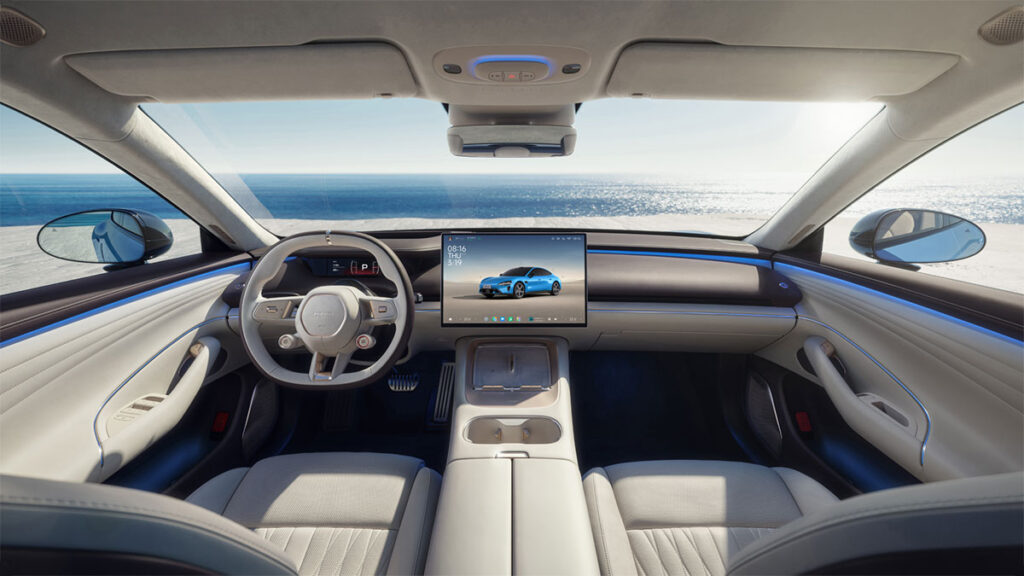
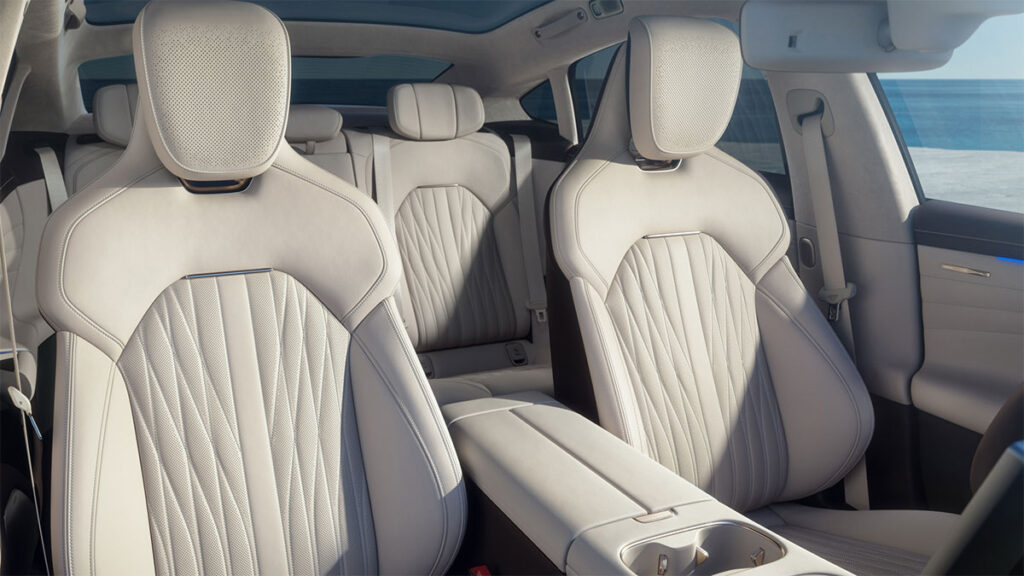
Inside, however, fans will notice more changes. The original minimalistic approach has been toned down. Now there are stitched patterns on the doors and seats, along with refreshed materials throughout. Subtle details, I would say.
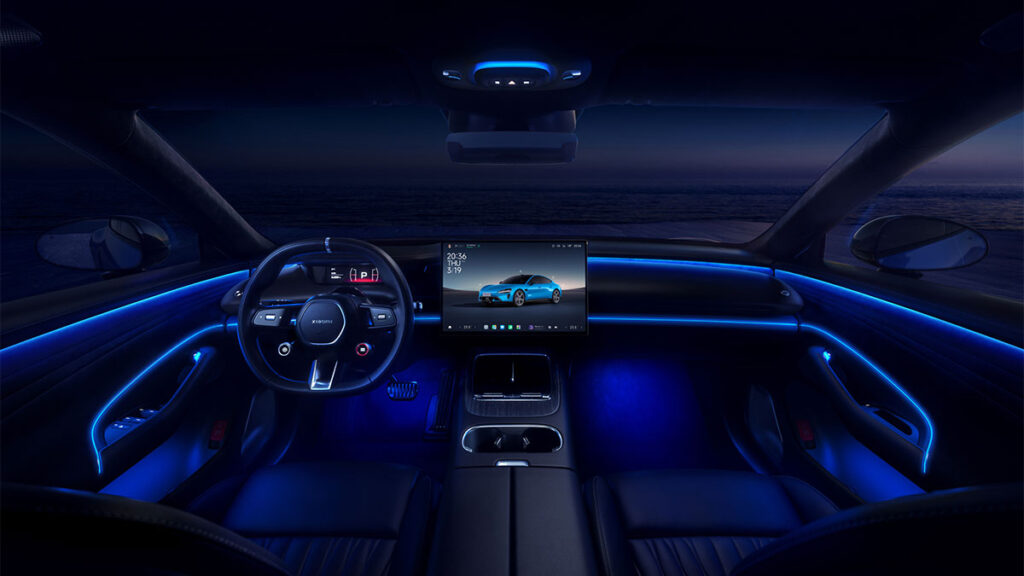
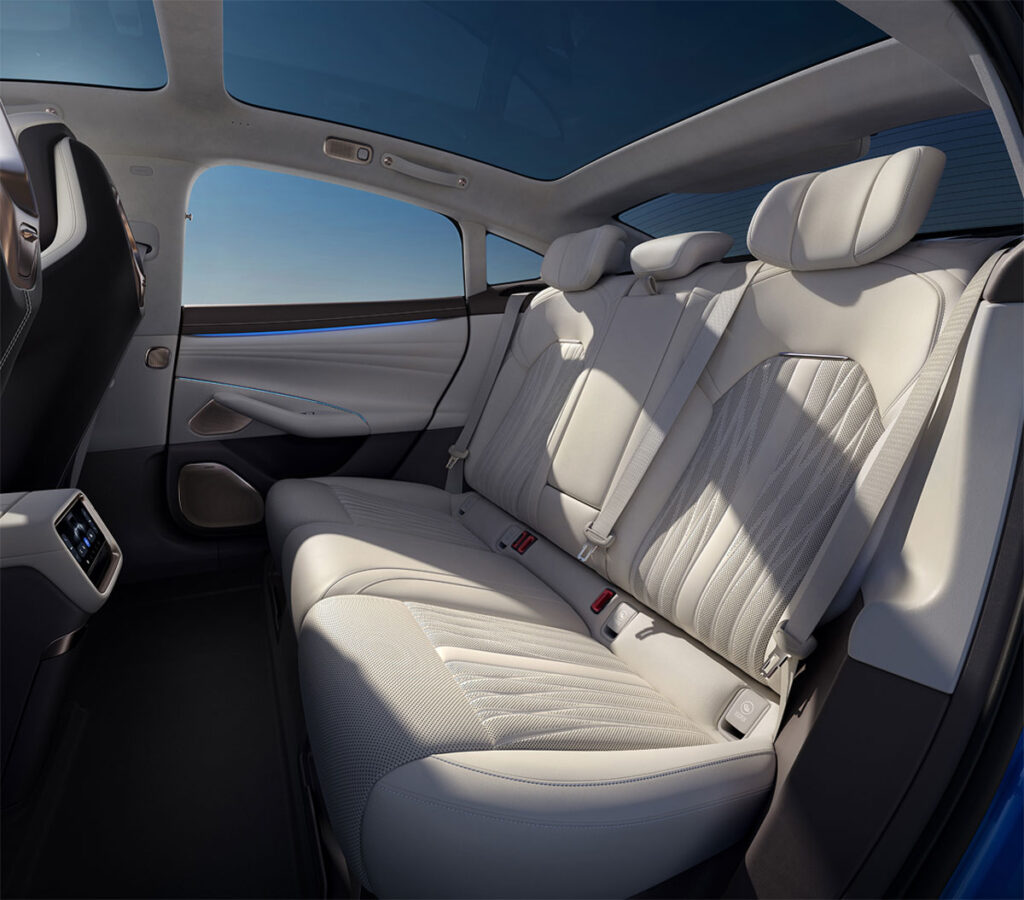
More obvious are the center console switches. The large buttons placed parallel to the driver are now replaced by blade-style toggle switches placed inline with the driver. There is also an all-around ambient light strip, more comfortable rear seats, and improved soundproofing thanks to double-layer laminated windows.
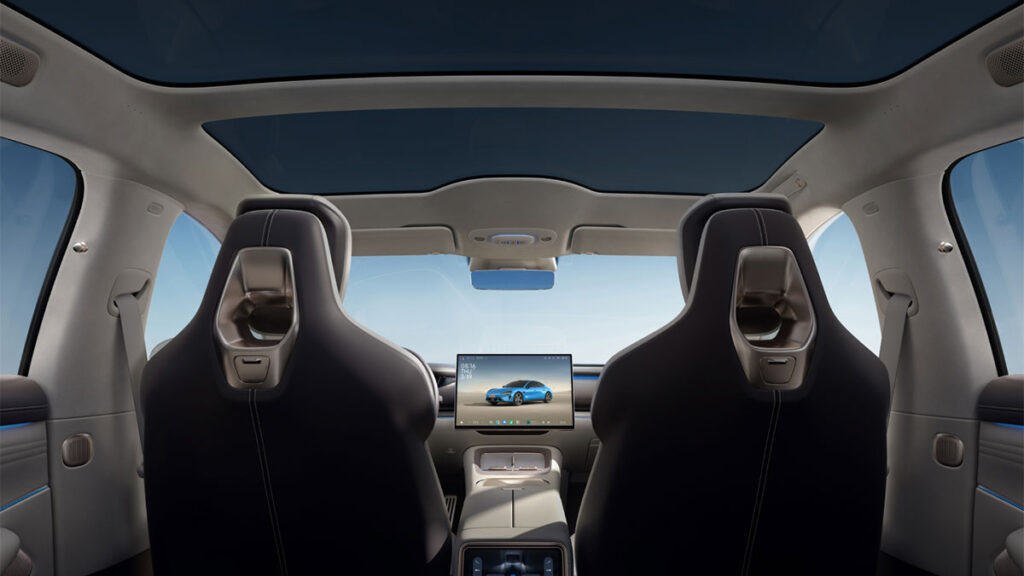
The panoramic roof of the first generation has been eliminated. In its place are two glass roof panels, with tinting adjustable independently of each other. Splitting one large glass roof into two also likely strengthens the roof structure, now that there is reinforcement running somewhere along the center, which is in line with one of the product’s key goals: “Safety Above All”, which we talk about a bit.
Also happening inside are magnetic NFC soft toys. Yes, plushies from an automaker. They are not just plushies either. They attach magnetically to select parts of the cabin, including the back of the center console for rear passengers. Place one on the front tray, and an animated version of the respective animal appears on the center display. Xiaomi clearly understands its audience.
The 2026 SU7 also brings safety improvements, starting with the door handles. Mechanical opening is now available from the outside in addition to the electronic system. You can hold the handle to open the door, or pull it like cars of the good old days. There is also an electrical backup system for the electronic mechanism.
There is the usual main battery pack and the requisite backup battery. If the backup battery is compromised, too, there is a third battery dedicated to powering the electronic door handle. And if everything fails, the mechanical release from inside remains easily accessible.
Still on safety, 2200 MPa Xiaomi ultra-strength steel, as found on the YU7, has been used to reinforce the body structure of the new SU7, including the doors and the side frame running from the A-pillar to the C-pillar. This is in addition to the already strong body frame. Furthermore, the car now boasts nine airbags instead of seven, with two additional airbags for rear passengers.
Technology upgrades are where things get serious. LiDAR is now standard across the entire lineup, along with Xiaomi’s end-to-end assisted driving system. All variants also adopt the new NVIDIA Thor chip with 700 TOPS computing power, replacing the older Orin platform used previously on lower trims.
The motor has also been unified across the range. All models now use the upgraded V6S Plus motor. Range has improved as well, with the standard model achieving 720 km (447 miles) on a single charge, while the Pro and Max models reach 902 km and 835 km (560 miles and 519 miles), respectively, under the CLTC cycle.
The standard and Pro models have also moved from a 400 V platform to an 800 V architecture, enabling faster charging and the aforementioned improved range. Xiaomi claims up to 670 km (416 miles) of range can be added in just 15 minutes. The Max model goes even further with a 900 V platform and up to 690 PS.
The Pro model also gains closed-type air suspension with CDC variable damping, while the Max model upgrades further to a dual-chamber air suspension setup for improved ride comfort and handling.
Performance, for those who care, is as follows:
- New Generation SU7: 0-100 km/h in 5.28 seconds, 240 km/h top speed, 235 kW max. power output
- New Generation SU7 Pro: 0-100 km/h in 5.70 seconds, 240 km/h top speed, 235 kW max. power output
- New Generation SU7 Max: 0-100 km/h in 3.08 seconds, 265 km/h top speed, 508 kW max. power output
The Xiaomi New-Generation SU7 (2026 model) has been launched in China with a starting price of 219,900 yuan [CH] (about US$31,933, based on the current going rate).


Images: Xiaomi EV [CH].