


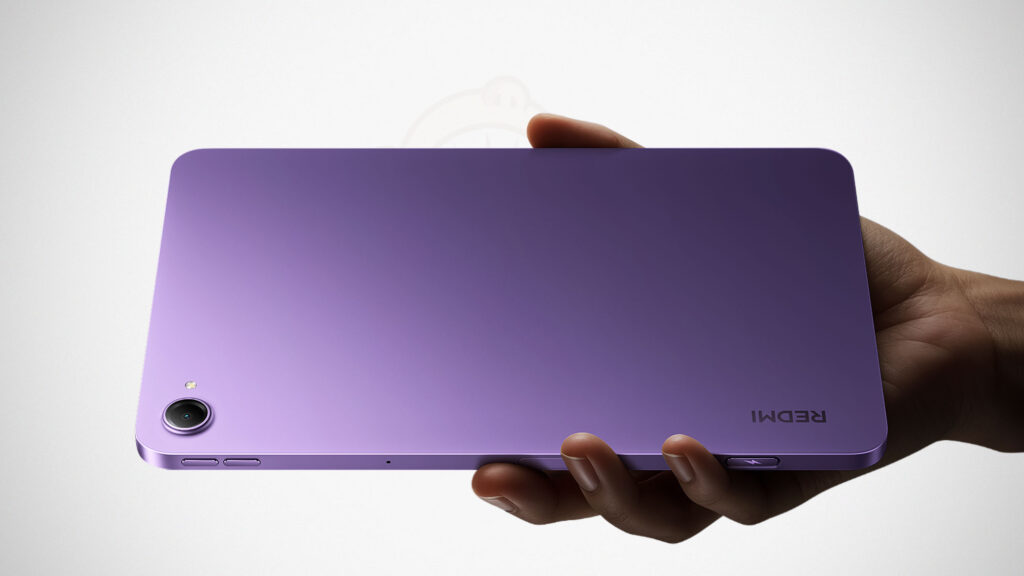
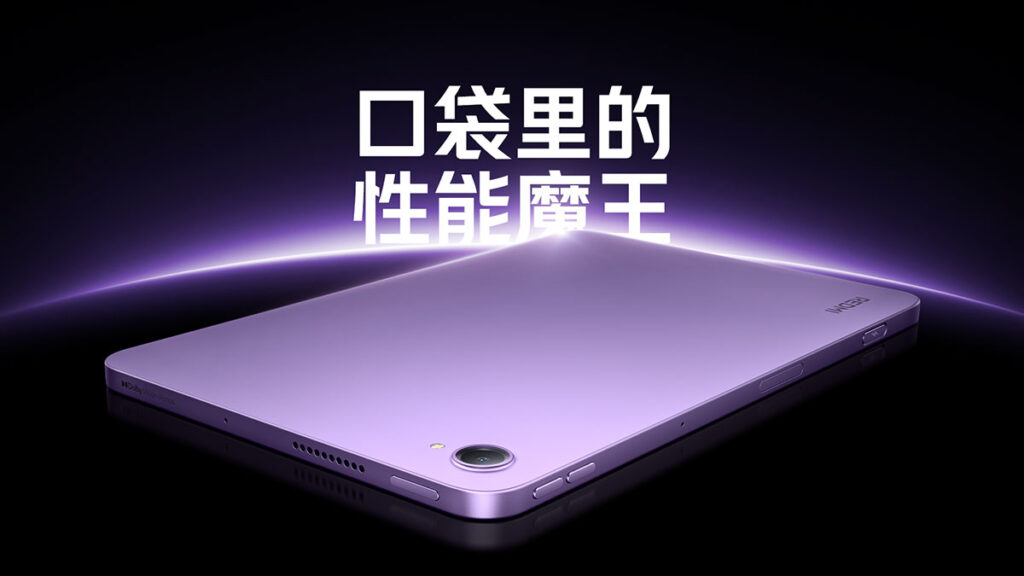
Redmi has just launched a “pocket devil king,” but it ain’t a phone. It is an Android tablet that is small enough to slip into (some) pockets. That’s right. Redmi’s “pocket rocket,” the K Pad, has just welcomed the second generation, simply called the K Pad 2.

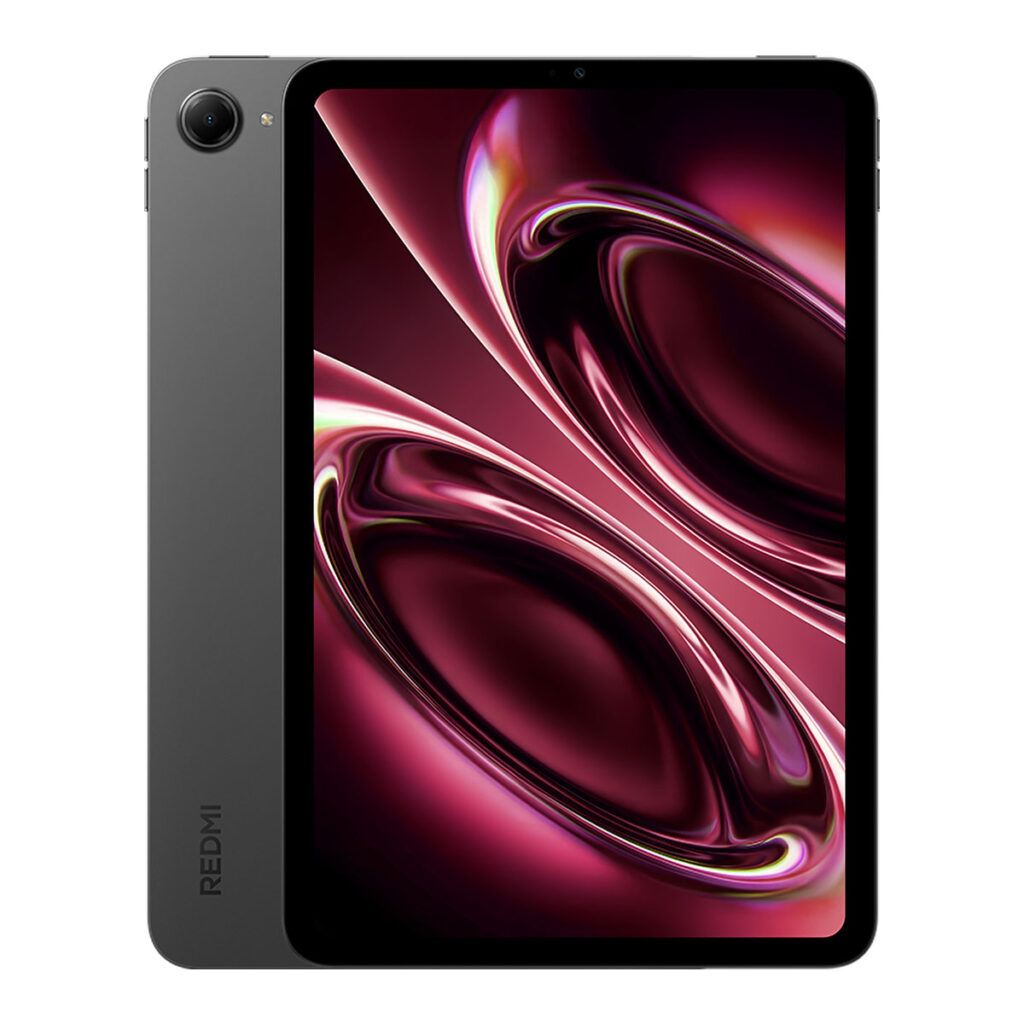
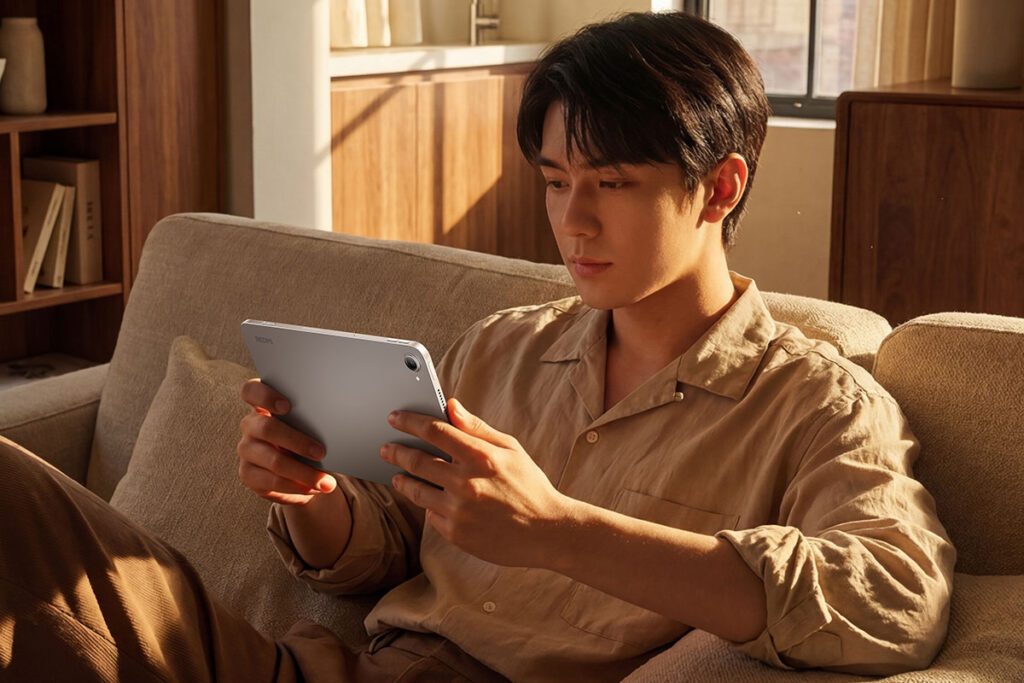
The K Pad 2 [CH] inherits the OG’s iPad mini vibes, but this time, it has a specific user in mind: gamers. It is actually a tad larger than Apple’s, having a so-called “golden grip size” of 8.8 inches (diagonal, of course), and the hardware itself measures 204.98 mm × 133.73 mm × 6.62 mm, which makes it a little longer and thicker, though it has about the same width. It is also heavier at 345 g.
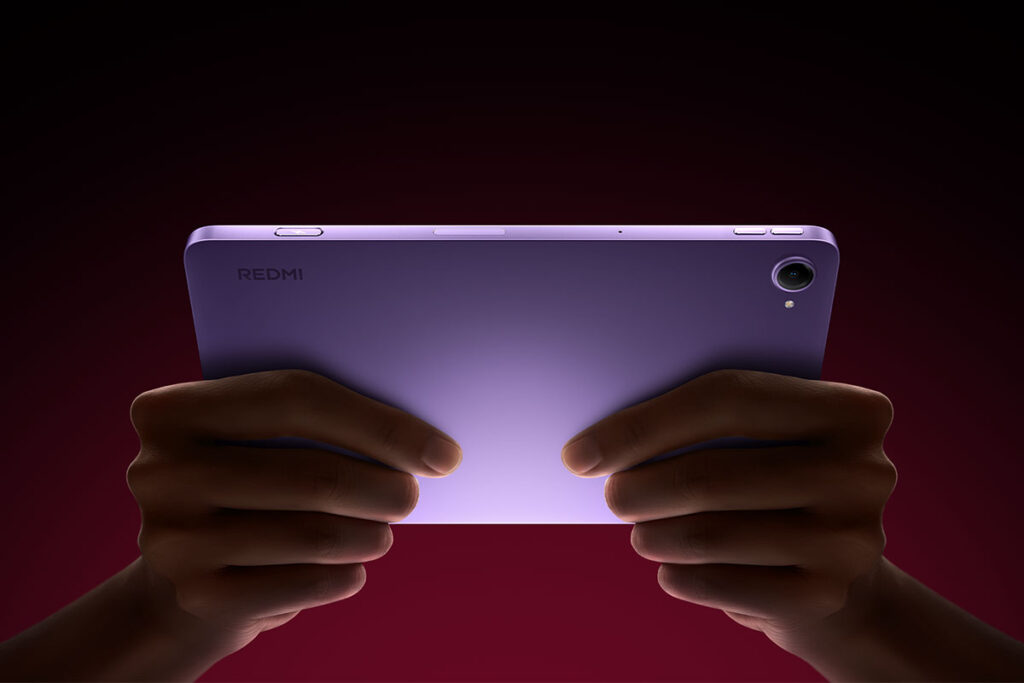
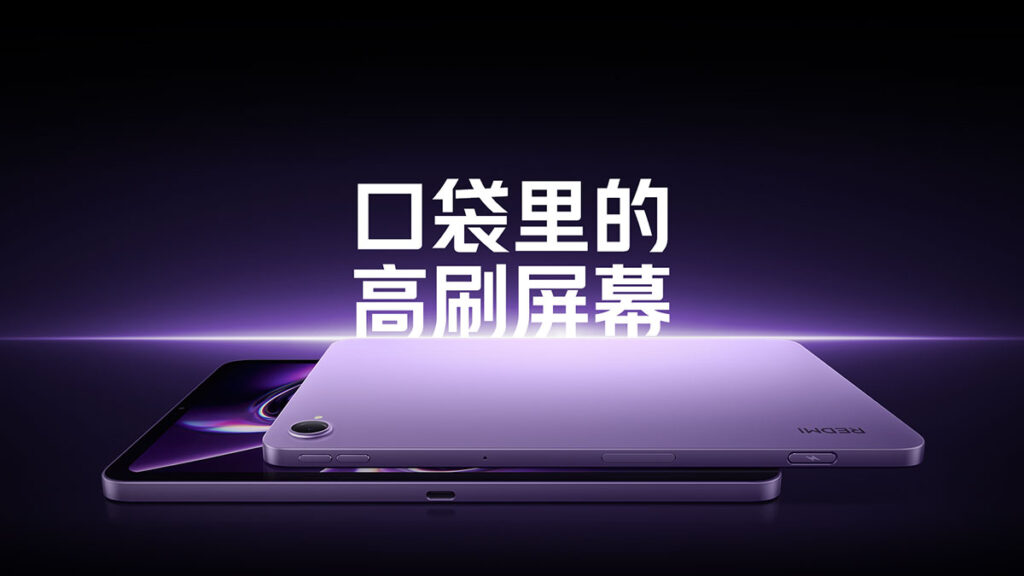
It has a sleek unibody metal body and a super clean back. Gone is the fancy deco plate. The back is as clean as it can be, interrupted only by a lone rear camera, which appears to be the same as before—a 13 MP high-resolution unit featuring a 1/3.06-inch sensor and capable of 4K30 video recording, in a “volcano-style” design with a small flash unit.
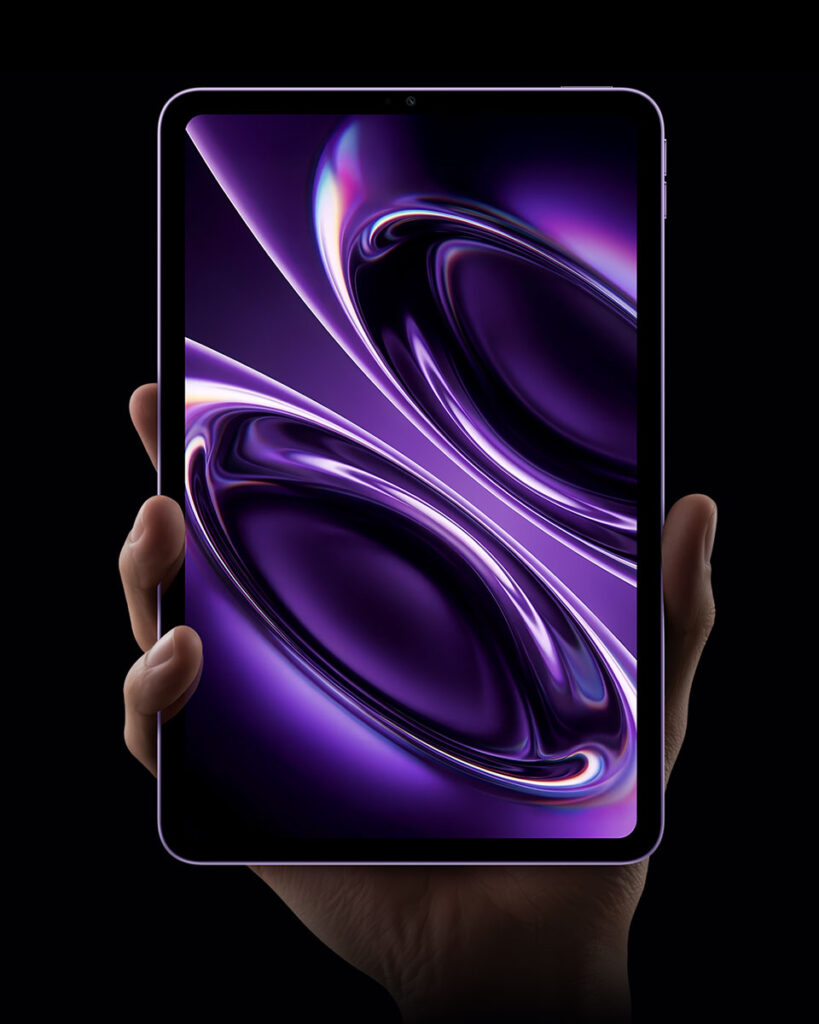
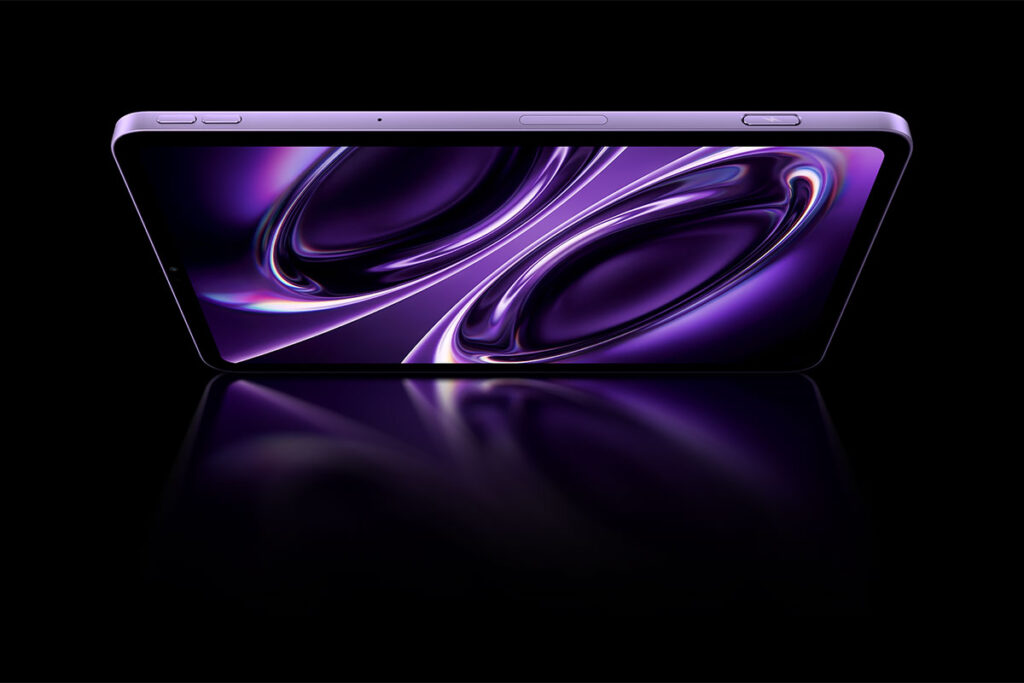
Around the front, an 8 MP ultra-wide-angle camera with a 1/4-inch sensor (also the same as last year’s) sits discreetly in the rather thick black border. Speaking of the front, it looks like the display remains unchanged, featuring the same 8.8-inch 3K LCD high-brightness esports display, with up to 165 Hz refresh rate, 3,008 × 1,880 resolution, Xiaomi Qingshan eye protection, and 1,100 nits peak brightness. The display further touts a 540 Hz multi-finger touch sampling rate. The screen, which is protected by Corning Gorilla Glass 5, offers P3 wide color gamut, supports HDR Vivid and Dolby Vision, and Youku frame sharing.
Wait a minute. The display is identical to the original K Pad. That is not to say it has nothing new. In fact, it has quite several upgrades, starting with the TSMC 3 nm process MediaTek Dimensity 9500 SoC, featuring a CPU with a third-generation all-large-core architecture of up to 4.21 GHz clock speed. The SoC also rocks an all-new Mali G1-Ultra architecture, and is bolstered by UFS 4.1 storage and LPDDR5X memory.
Xiaomi said the K Pad 2 can sustain 3 hours of full-frame performance with an average frame rate of 164.7 fps for a complex-scene video game. In addition, it has a central SoC cooling architecture with a whopping 15,300 mm² extra-large aluminum-alloy liquid-cooling VC, so that the grip regions do not get heated up.

Battery is the other area that has gotten an upgrade. This time, Redmi managed to pack a 9,100 mAh high-capacity battery, but retained the dual USB-C port design that allows continued gaming with a pair of wired headphones, for example, while it is being charged. The battery further benefits from 67 W Xiaomi Hyper Flash Charge, which supports PD3.0/PD2.0 fast-charging protocols, and up to 22.5 W wired reverse charging.
On the long side, it has a USB-C port that supports both USB 3.2 Gen 1 and USB 2.0, and on the short side, it has a USB 2.0 port.
Interestingly, while this may be marketed as a gaming tablet of sorts, Redmi appears to be careful not to overcommit. The most obvious sign of not overcommitting is the lack of shoulder triggers and a dedicated gaming/graphics chip. Xiaomi seems to be torn as to whether to let the K Pad 2 become an all-out gaming tablet or a productivity device, and it seems to have decided to be both—judging from the existence of this user-assignable quick button on the side.
Other noteworthy details include large symmetrical stereo speakers, dual X-axis linear haptic motors, dual-band Wi-Fi, Wi-Fi 7, Bluetooth 5.4, three microphones, a magnetic dock for charging a stylus, a side-mounted fingerprint sensor, face unlock, and the usual suite of sensors.
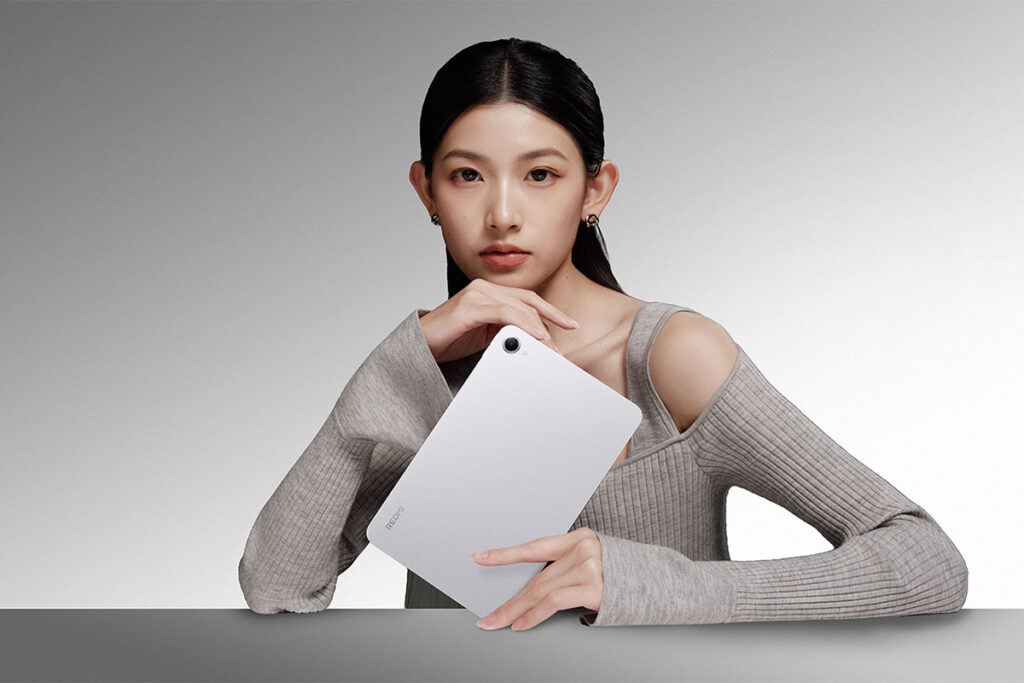
The Redmi K Pad 2 has been launched in China in three colors—deep black, electric purple, and space silver—and in three configurations (8 + 256, 12 + 256, and 16 + 512), with a starting price of 3,799 yuan [CH] (~US$557).

Images: Xiaomi [CH].