


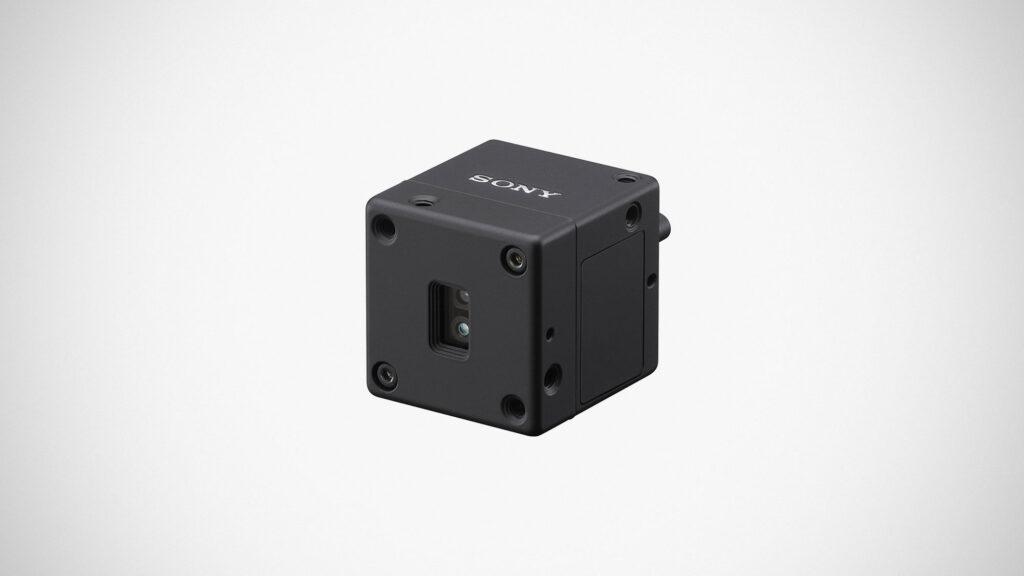
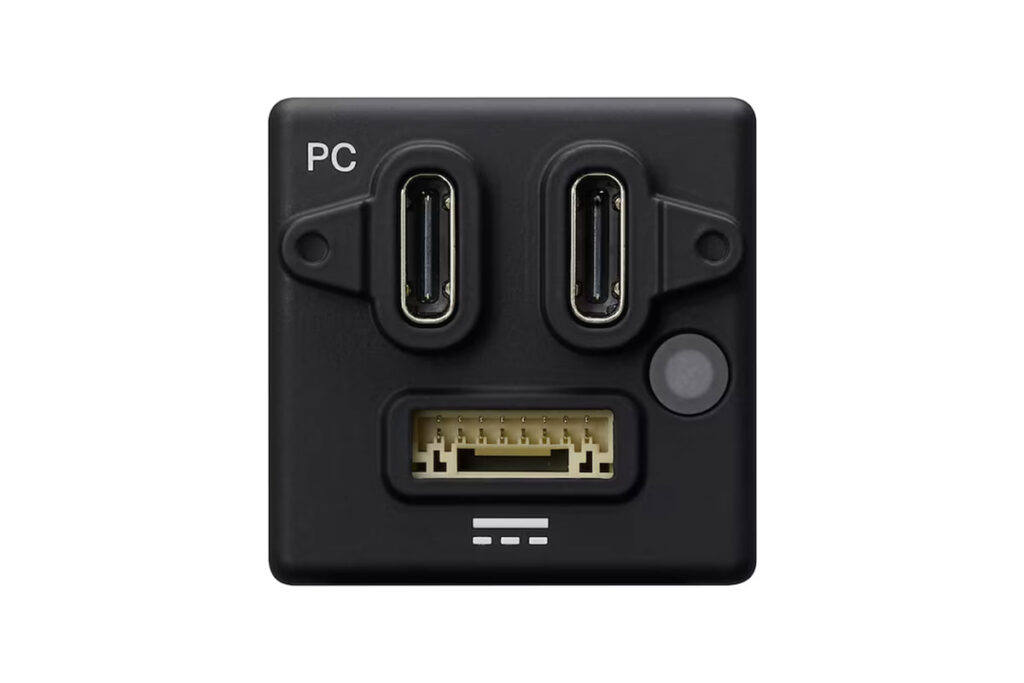
LiDAR has come a long way, and if you still think it is a chunky block of sensor, well, think again. Sony has packed one into a tiny box measuring merely 29 mm × 29 mm × 31 mm (approximately 1.14 inch width × 1.14 inch height × 1.22 inch depth), intending to sell to businesses that need it. The measurement excludes protrusions, but still, it is incredibly tiny, and very light too, at just 46 g (or about 1.6 oz).

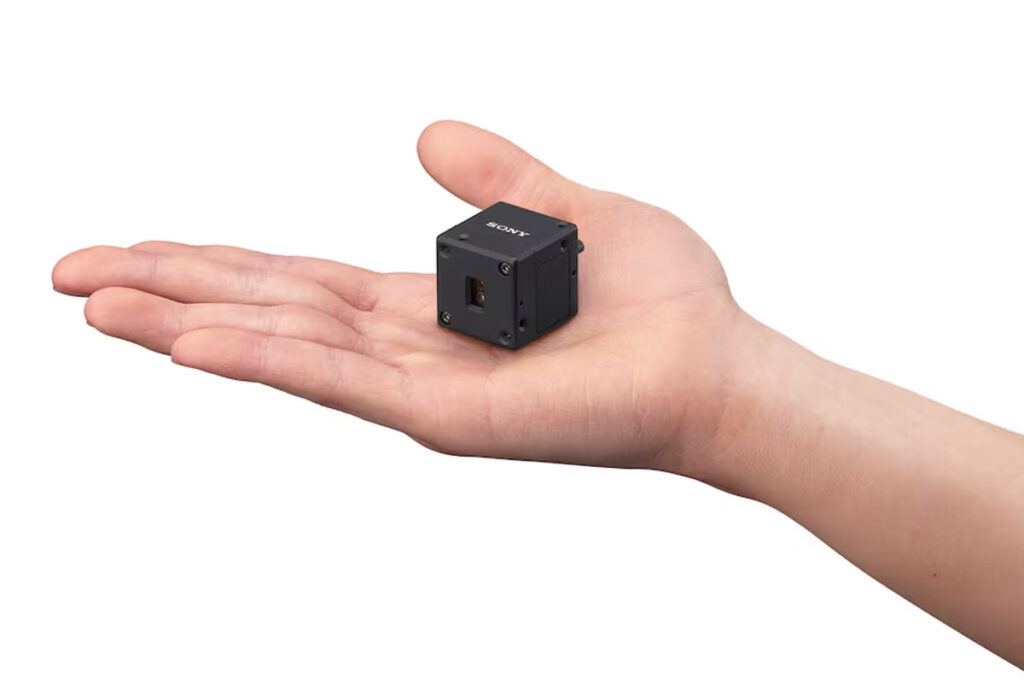
Called AS-DT1 LiDAR Depth Sensor, it features a compact, robust aluminum enclosure roughly the size of a large sugar cube. OK. Maybe a very large sugar cube. That is a far cry from the rooftop buckets early self-driving prototypes used to wear like awkward hats.
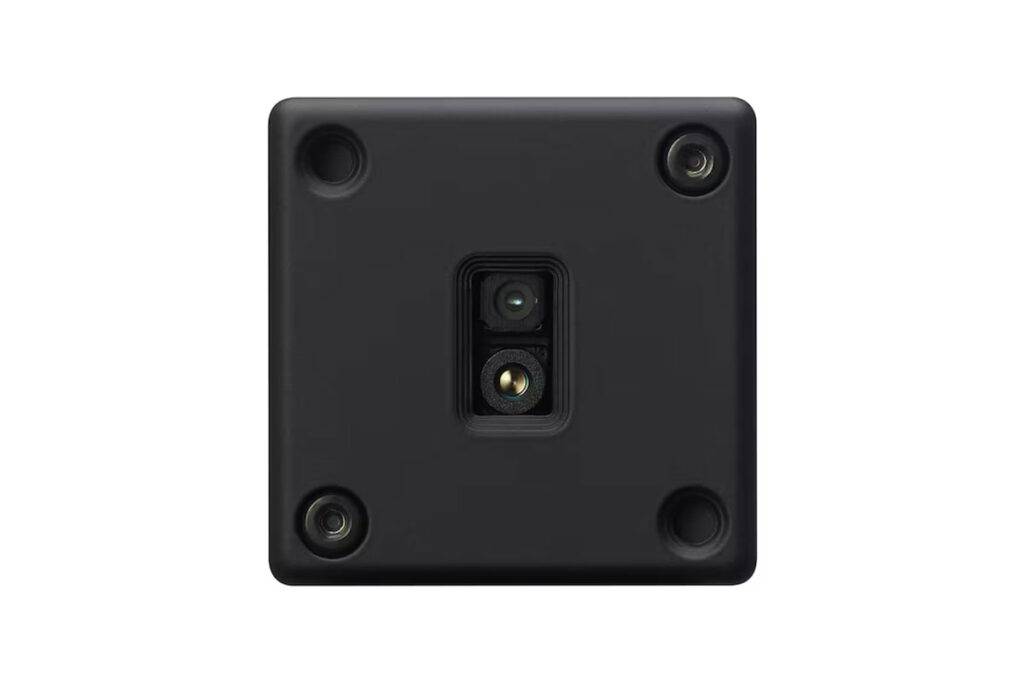
Tiny though it is, the AS-DT1 is not some novelty sensor meant for demo tables. It uses Direct Time of Flight LiDAR technology paired with Sony’s proprietary Single Photon Avalanche Diode sensor to deliver fast and highly accurate three-dimensional distance measurement, even when dealing with low-contrast or low-reflectivity surfaces.
Despite its miniature footprint, the sensor supports measurement ranges of up to 40 meters (about 131.23 feet) indoors and up to 20 meters (about 65.6 feet) outdoors under bright conditions. That makes it suitable for autonomous mobile robots, inspection drones, and guide vehicles that usually do not have the luxury of carrying oversized hardware.
The aluminum housing is designed with integration in mind, which means engineers can slot it into larger sensing platforms without redesigning everything around it. The low weight also helps airborne platforms stay efficient while ground robots remain compact and agile.
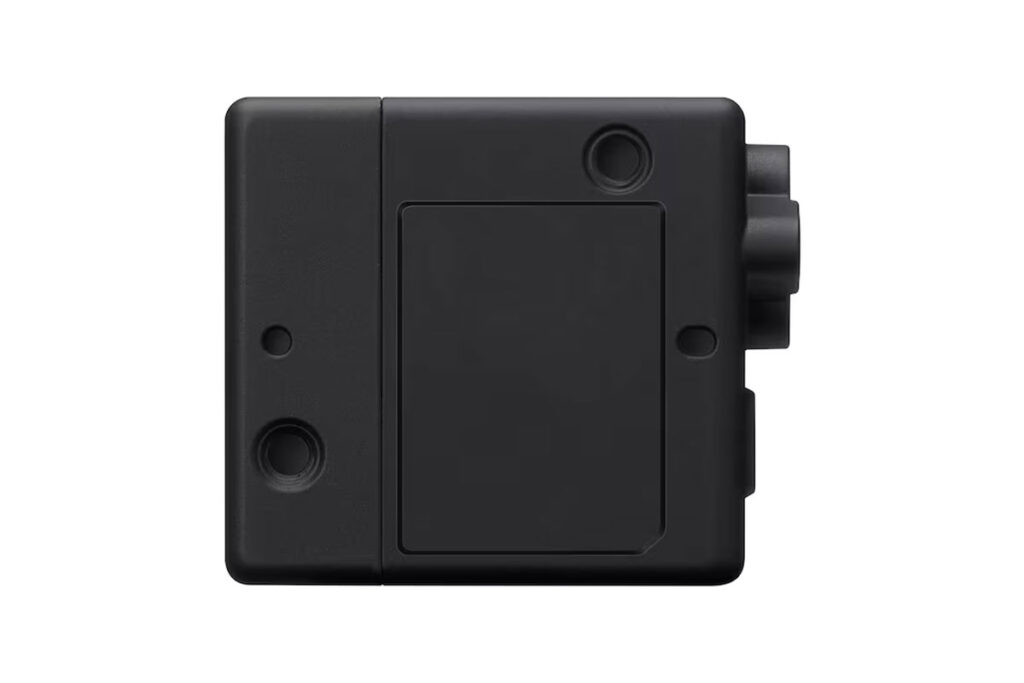
Key features include Direct Time of Flight sensing, Sony’s SPAD depth technology, long-range measurement capability, and an ultra-compact enclosure measuring just 29 × 29 × 31 mm (1.14 × 1.14 × 1.22 in.) and weighing only 46 g (1.6 oz).
Sony’s AS-DT1 shows how dramatically LiDAR hardware has shrunk. The spinning towers are not gone yet, but they suddenly feel like relics from another era.
Pricing for the Sony AS-DT1 LiDAR Depth Sensor is on request, as with most such products.
Sony may not get to flaunt its tech on a car—for now, but it does not intend on hoarding its tech, well, at least on the LiDAR tech part of things. I am not saying this is for a car, btw. I am just saying it is more than capable of developing tech for a software-defined car, and this tiny component is an excellent example.
Images: Sony Electronics.