


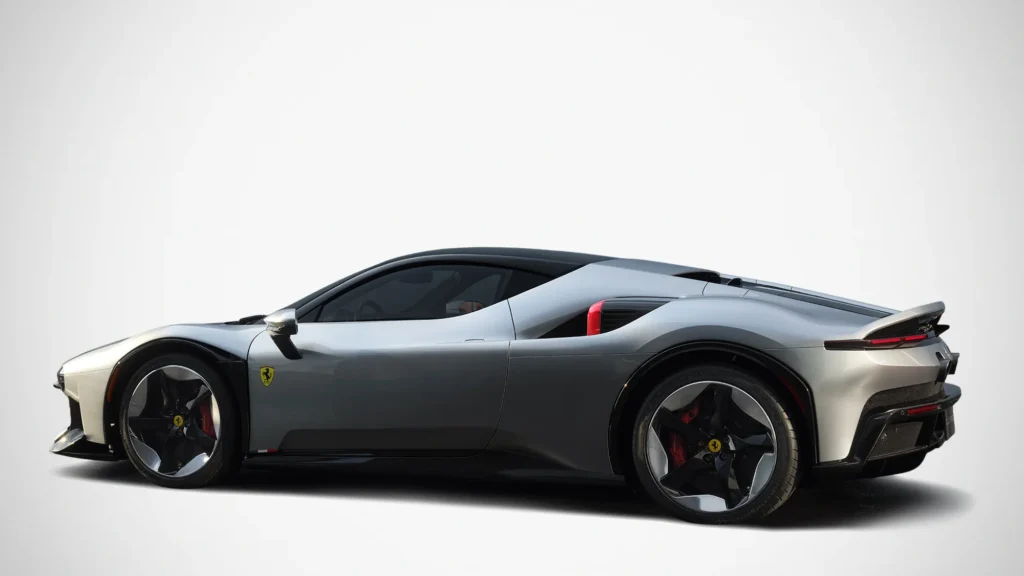
Despite the initial controversy surrounding the radical design and hefty price tag of Ferrari’s first-ever electric vehicle, the Luce, sales demand has been rather staggering. I guess car reviewers and so-called car enthusiasts cannot speak for the wallets of the model’s actual target market. So, I guess the one-off Ferrari CZ26—created through a collaboration between a U.S. client and the Ferrari Design Studio as part of the Special Projects program—does not exist to distract us from the Luce. The Luce does not need the distraction.

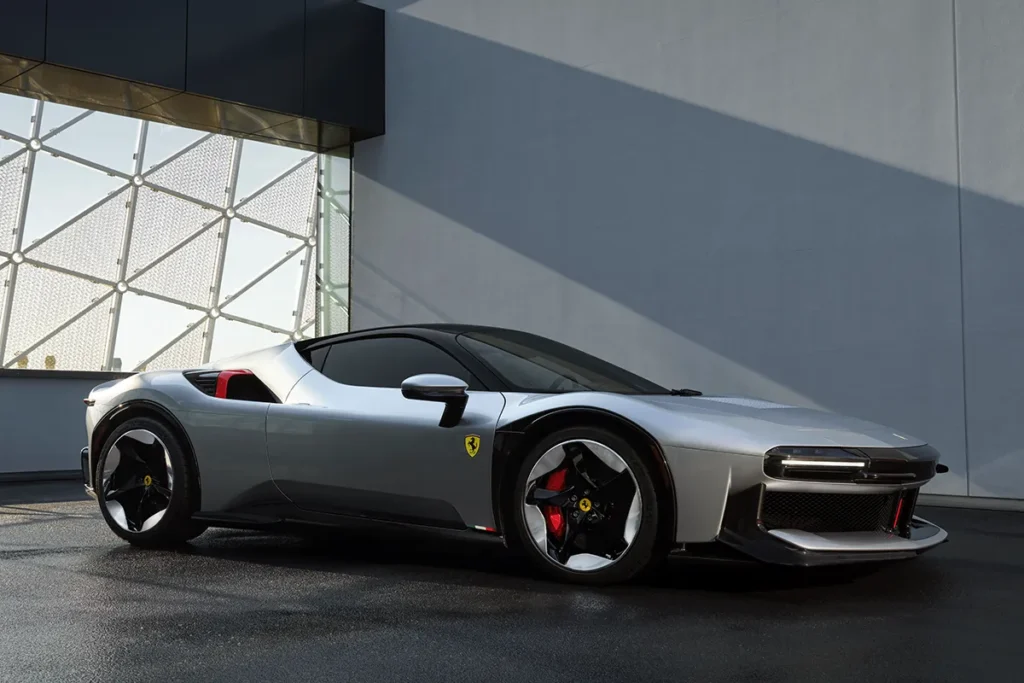
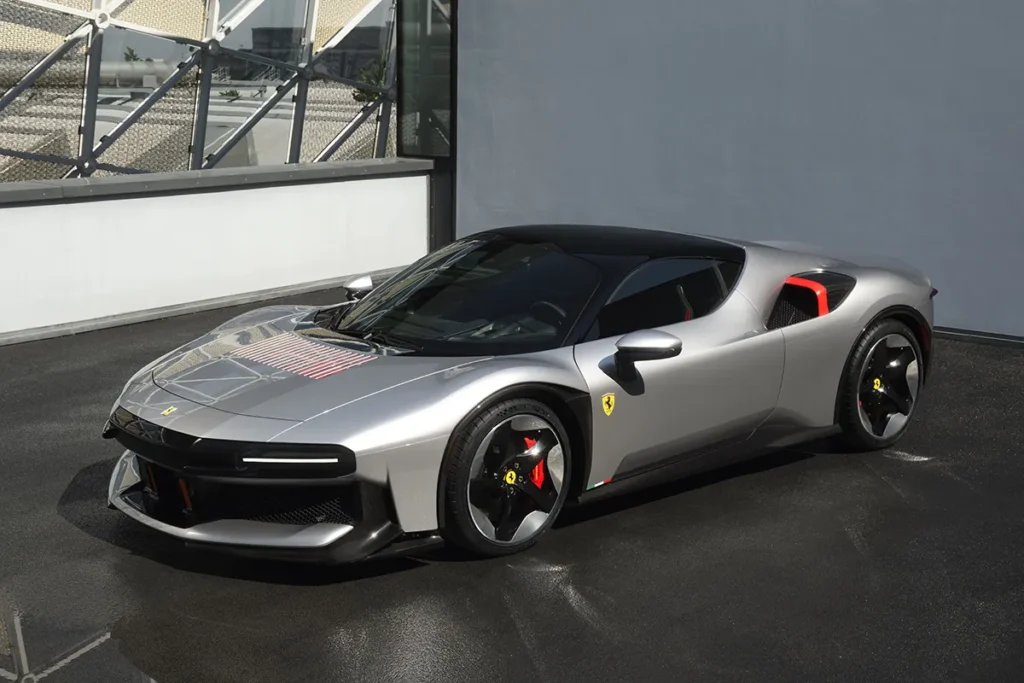
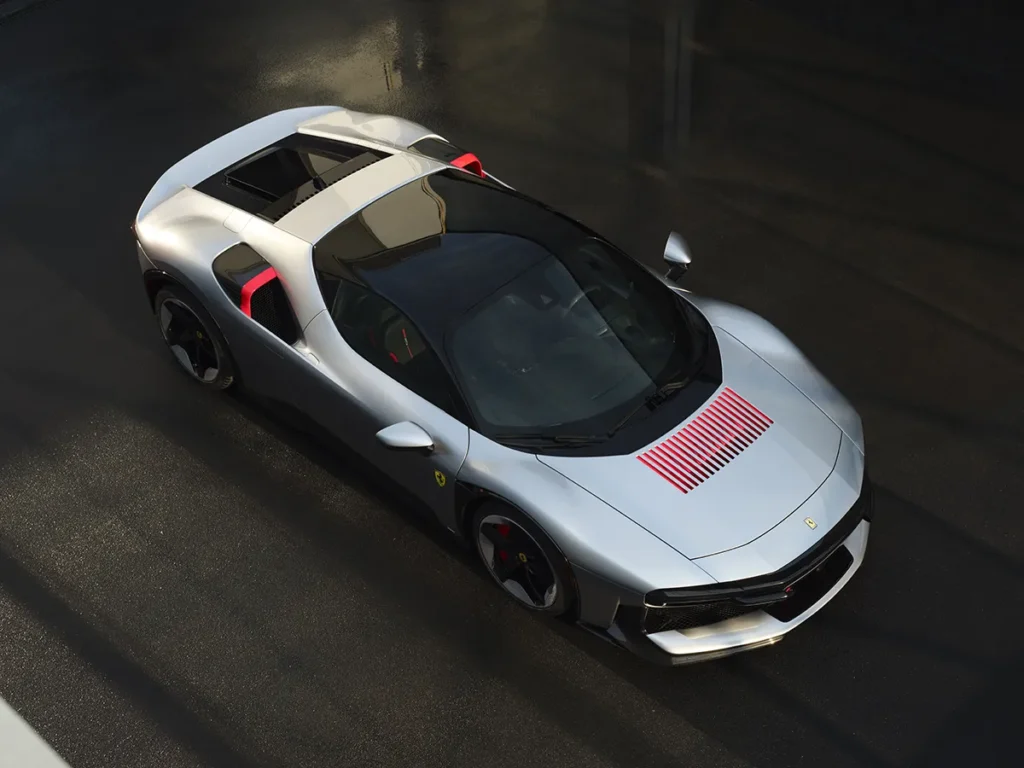
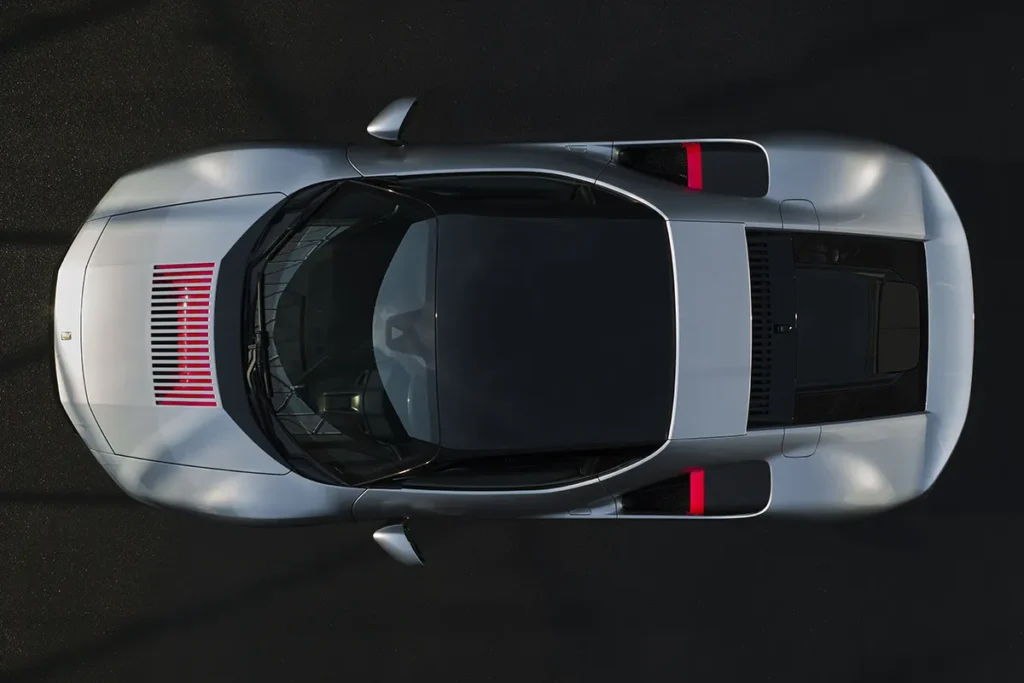
Instead, the CZ26 gives us another radical Ferrari to argue about. It retains the SF90 Stradale’s plug-in hybrid powertrain and technical foundation but replaces its familiar body with something much more angular. Ferrari says the horizontal, two-box silhouette takes inspiration from 1970s Italian industrial design, which explains why it looks like a futuristic concept car conceived several decades ago.
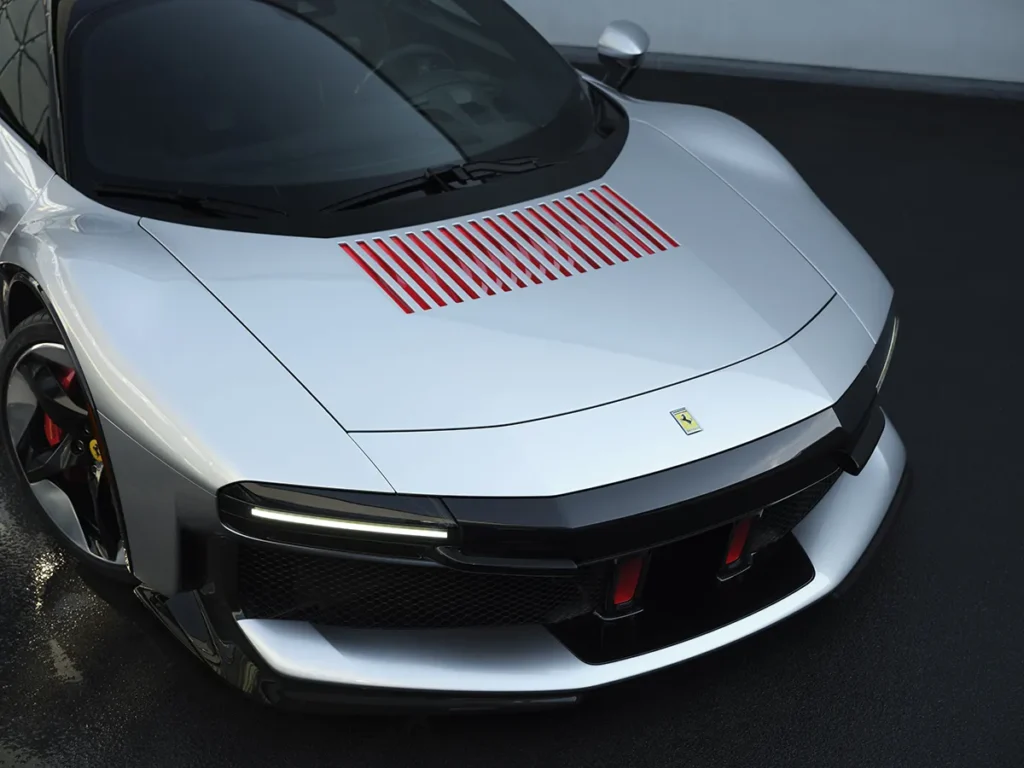
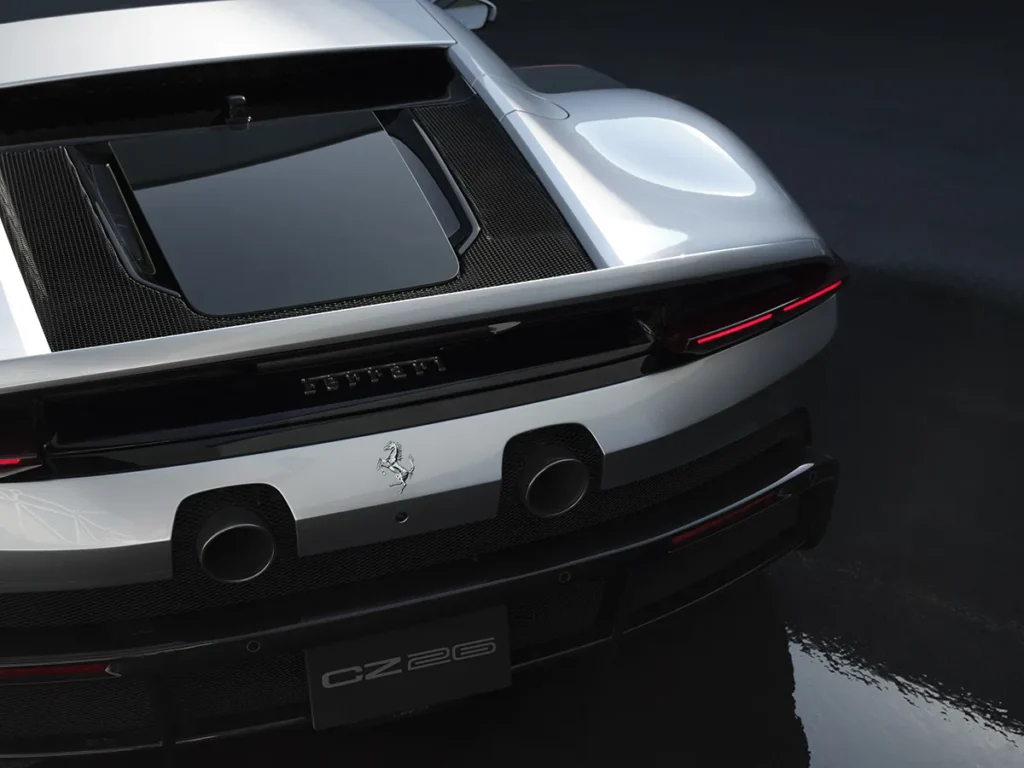
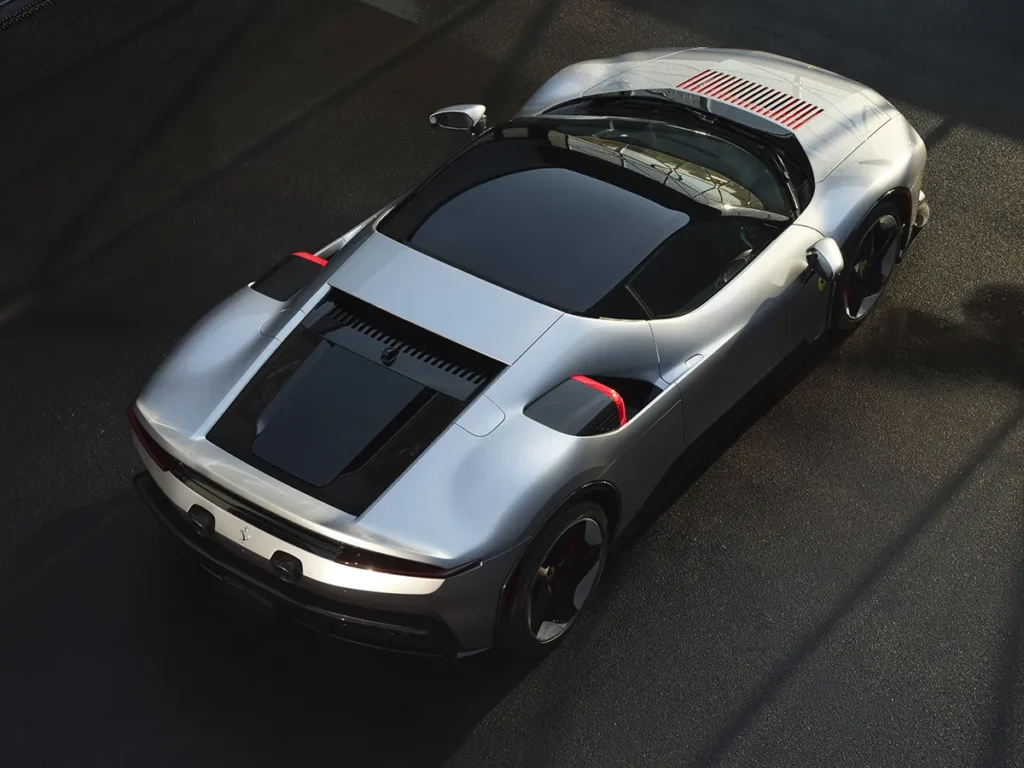
Up front, a full-width functional grille houses concealed ultra-slim lights, brake-cooling intakes, sensors, and other hardware. Cantilevered taillights, a truncated tail, large spoiler, dedicated diffuser, repositioned radiators, bypass ducts, and redesigned underbody handle the other business of keeping the car cool and planted.
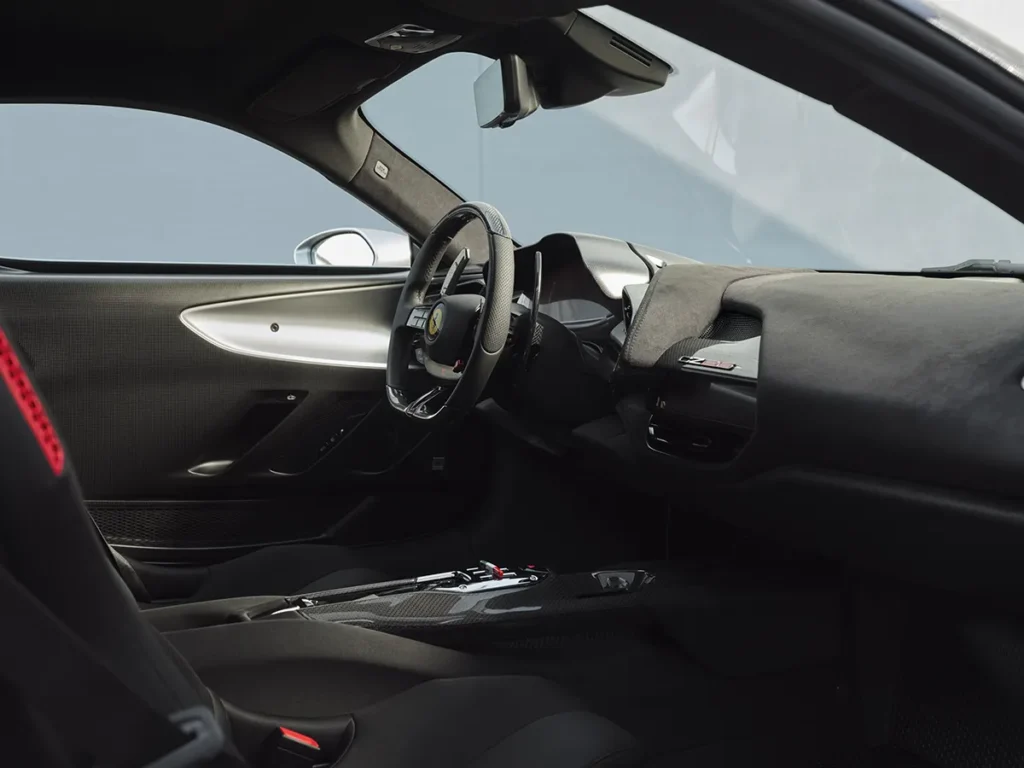
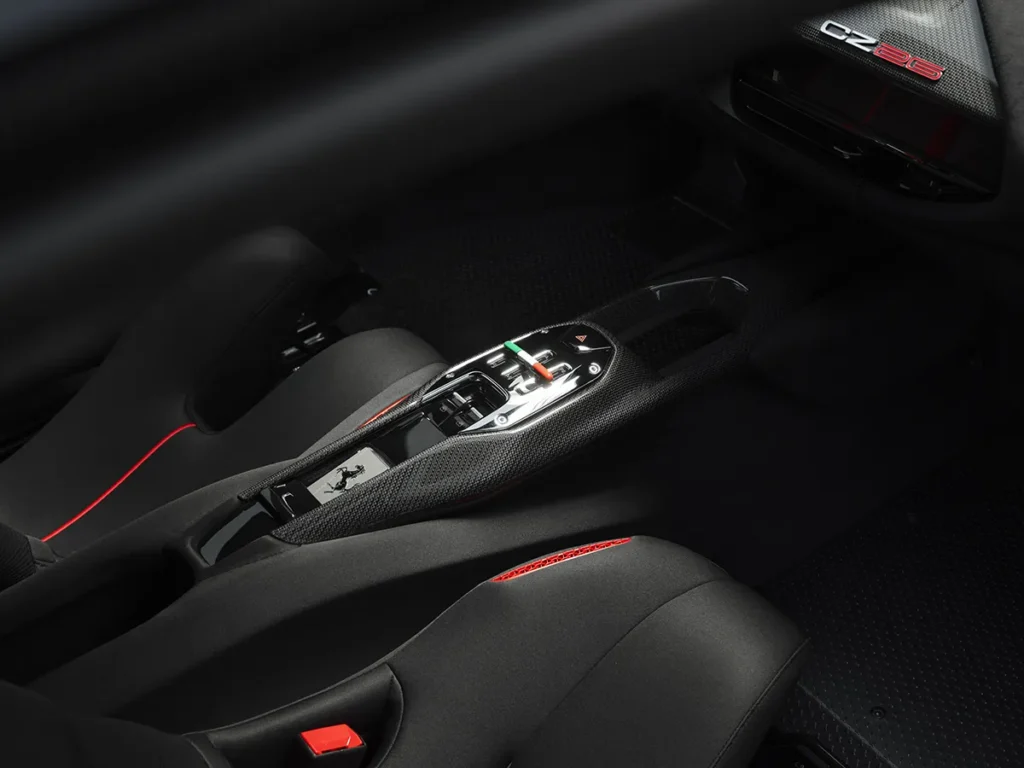
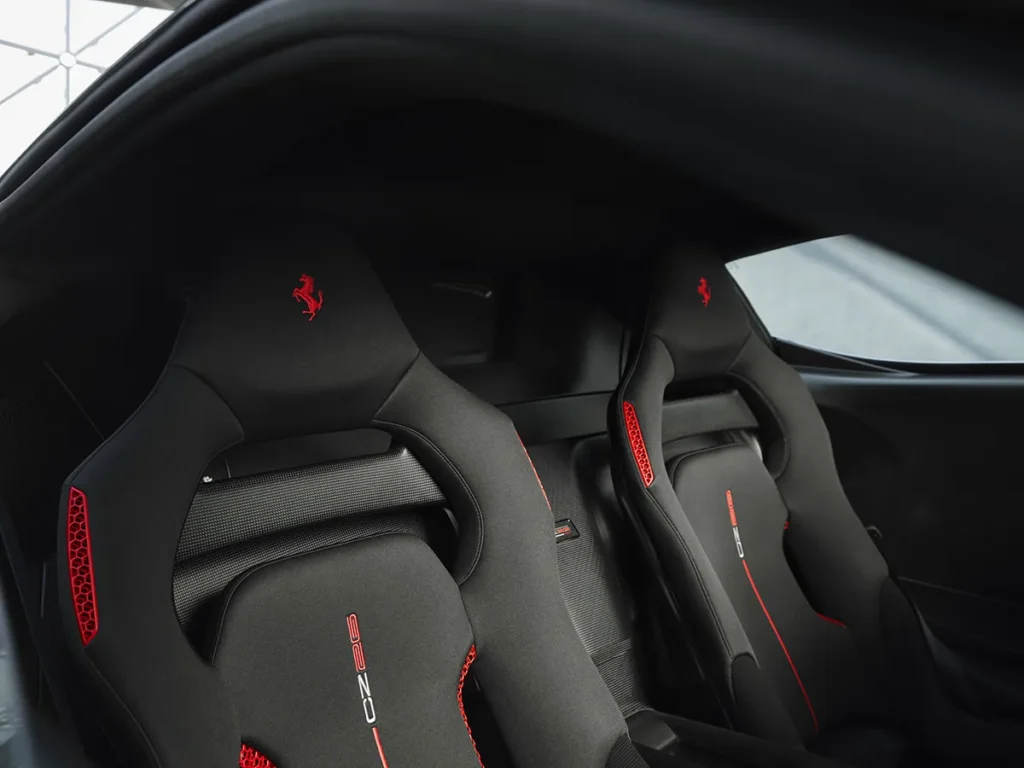
Its Argento Veloce paint has a liquid-like silver appearance, contrasted by Rosso Lampante details, pigmented carbon fiber, bespoke black wheels, and natural-finish titanium exhaust outlets. The interior continues the theme with black technical fabric, 3D-printed seat inserts, satin carbon fiber, metallic-threaded gloss carbon, and enough personalization to remind the owner that no second CZ26 exists.
Power comes from a 4.0-liter twin-turbocharged V8 and three electric motors producing a combined 1,000 cv. An eight-speed dual-clutch transmission and electronic all-wheel drive help send it from 0–100 km/h (0–62 mph) in 2.5 seconds and 0–200 km/h (0–124 mph) in 6.7. Top speed is 328 km/h (204 mph), while its 7.9 kWh battery provides 25 km (15.5 miles) of electric range.
Ferrari did not reveal what its American owner paid. However, Special Projects commissions typically require around two years of close collaboration with Ferrari. For everyone else, admiring the photographs should take considerably less time—and cost substantially less.

Images: Ferrari.