


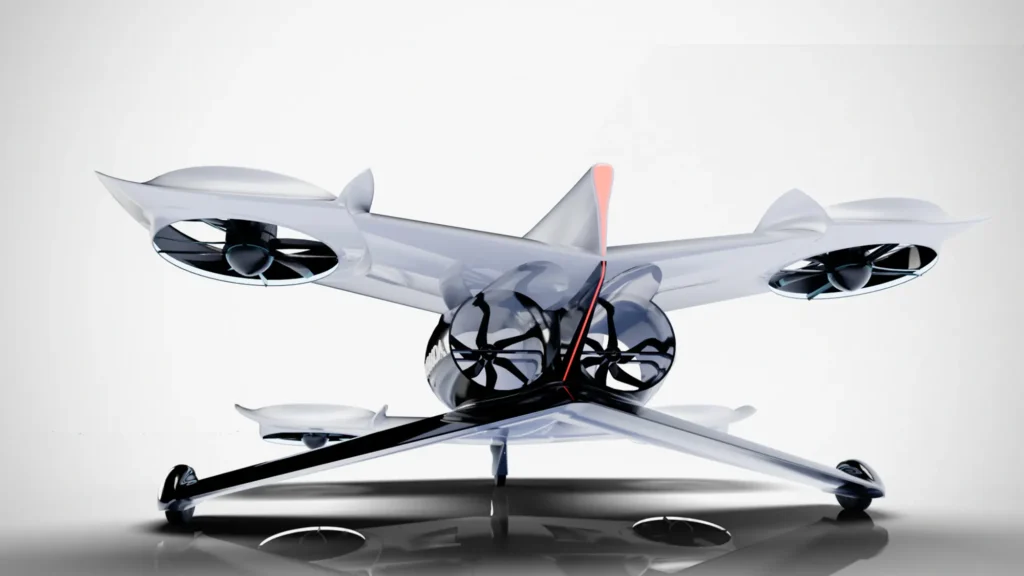
We’ve seen countless eVTOLs over the years, but most, if not all, break the illusion of futurism with their exposed rotors. That’s simply the direction the industry has taken. Personally, though, I’ve always thought ducted fans looked far more convincing as the flying cars of tomorrow.

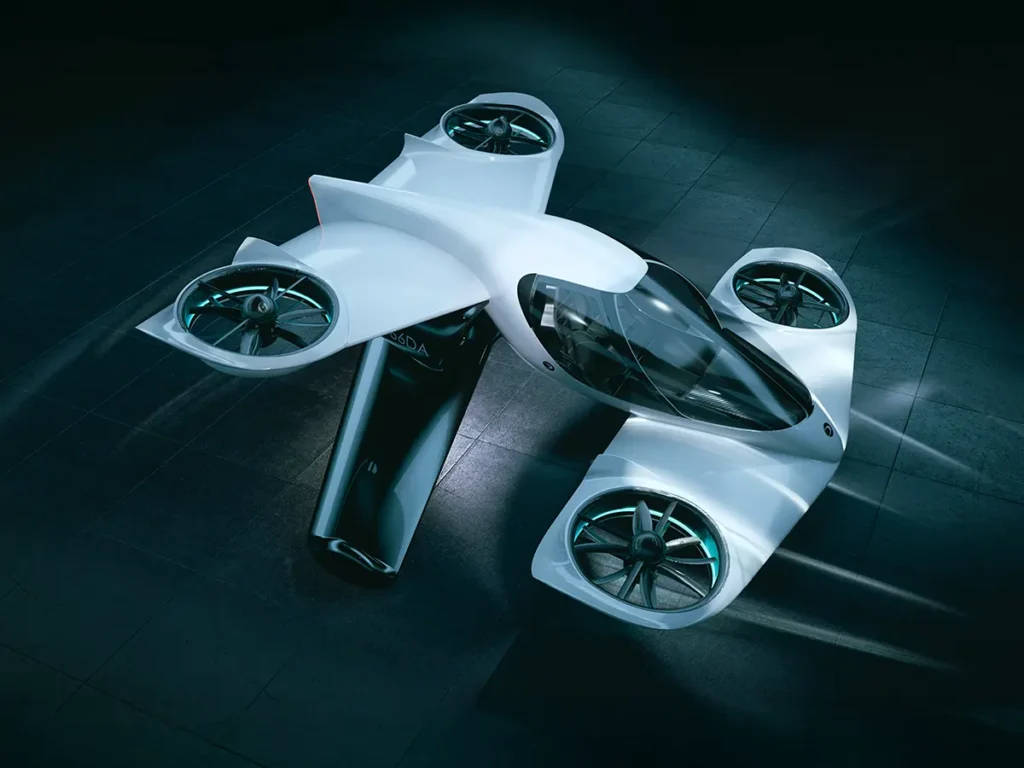
A few aerospace companies have chosen to pursue ducted fan technology. There’s the Subaru Air Mobility Concept, the alien-ish WatFly Atlas, the Chinese UFO-style flying car, which is very likely headed for production, and now this: the H1-X eVTOL from Doroni Aerospace.
Unlike the Chinese UFO, which is likely to become an air taxi, the H1-X was designed from the ground up as a true personal air transport that you can own, park in a standard two-car garage, and take off from your front lawn or backyard.
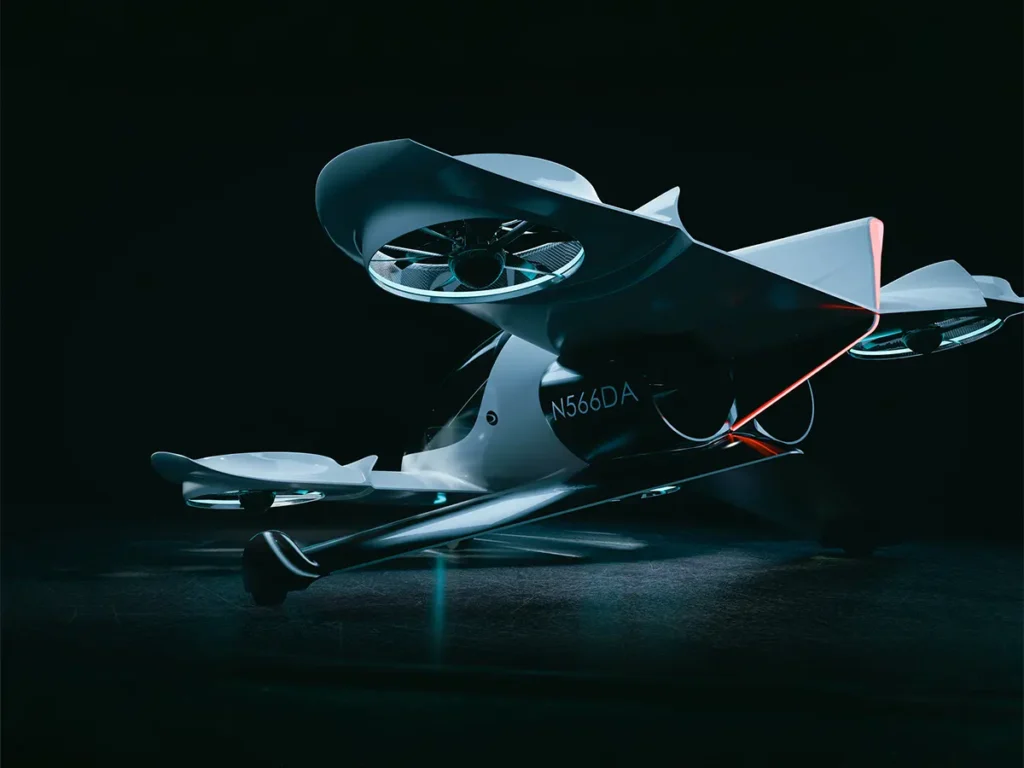
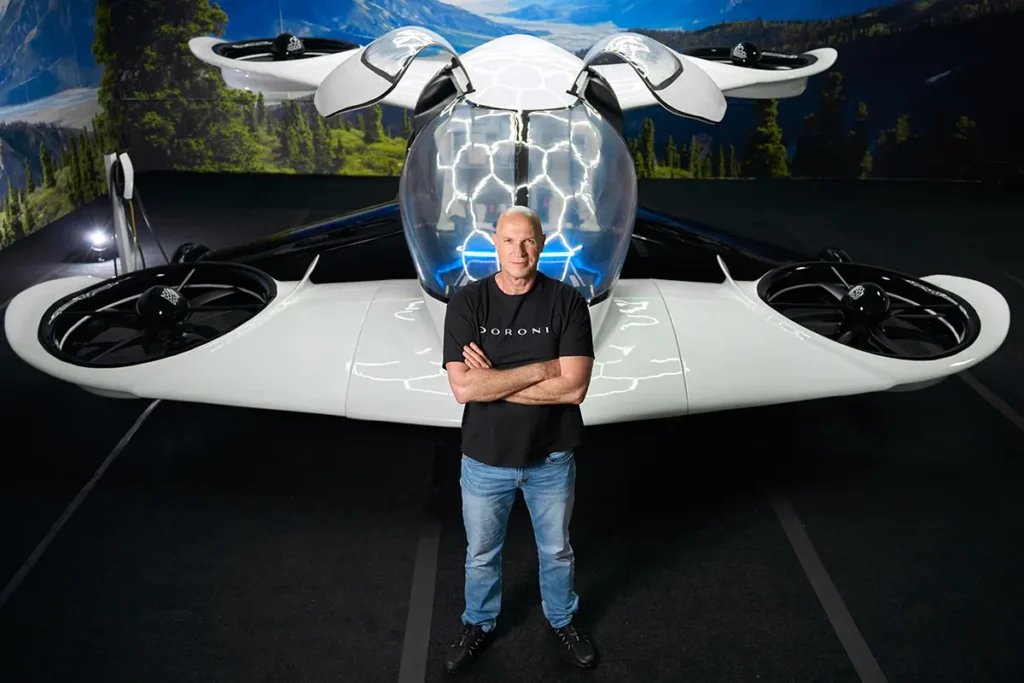
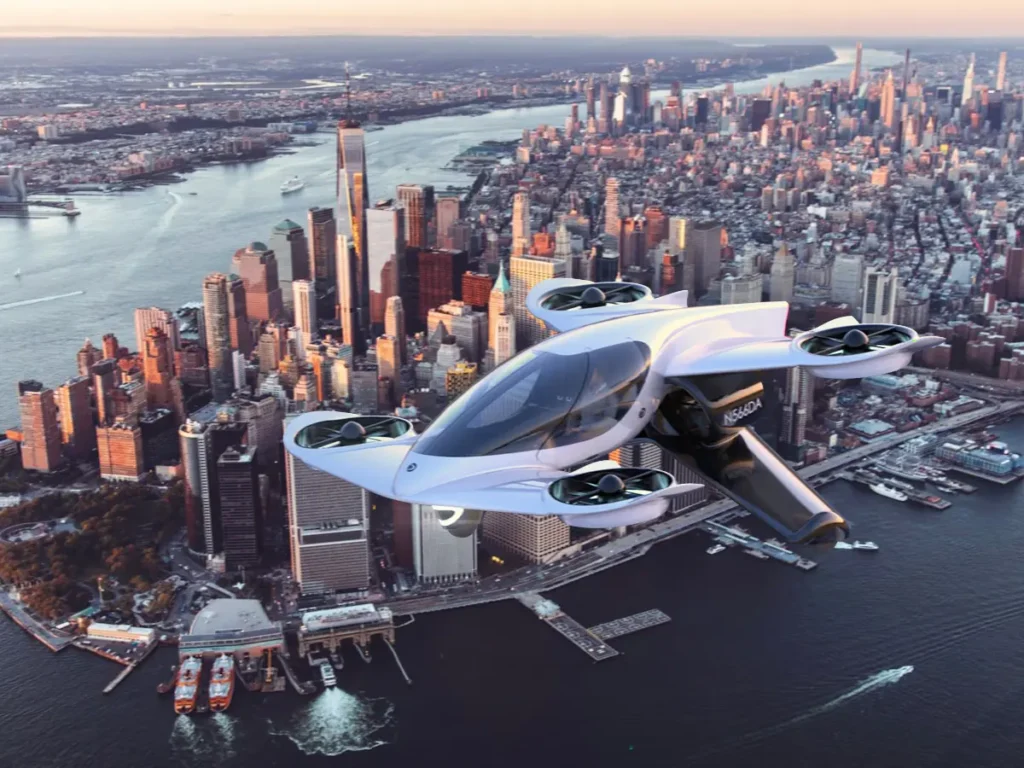
The first thing you’ll notice about the H1-X is that it looks like something from the future, thanks to the lack of exposed rotors. It resembles a futuristic Formula race car that has traded its wheels for wings. Instead of exposed propellers that make it look like a massive drone, Doroni uses a fully enclosed ducted-fan propulsion system.
By hiding the spinning blades inside the airframe, Doroni has made the H1-X significantly safer for anyone standing nearby while also dramatically reducing noise, making it a more practical option for suburban neighbourhoods.
The aircraft combines vertically mounted ducted fans with horizontally mounted ducted fans in a dual-axis propulsion system. According to Doroni, the latter eliminates the nose-up attitude commonly seen in eVTOLs with exposed rotors during forward flight.
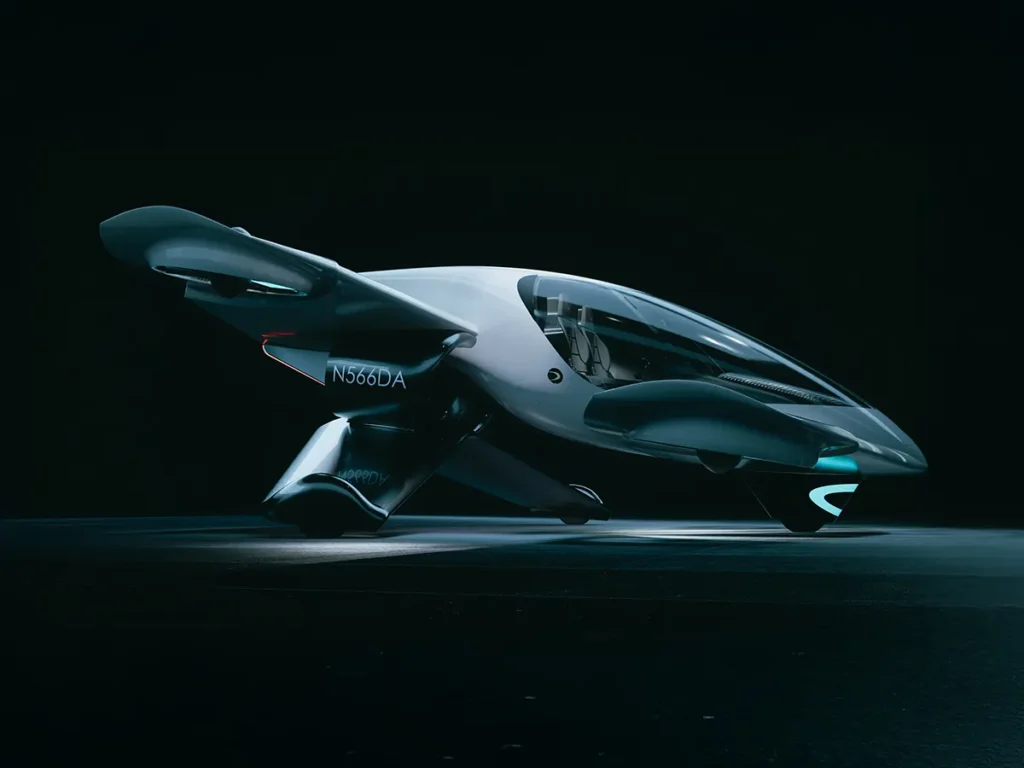
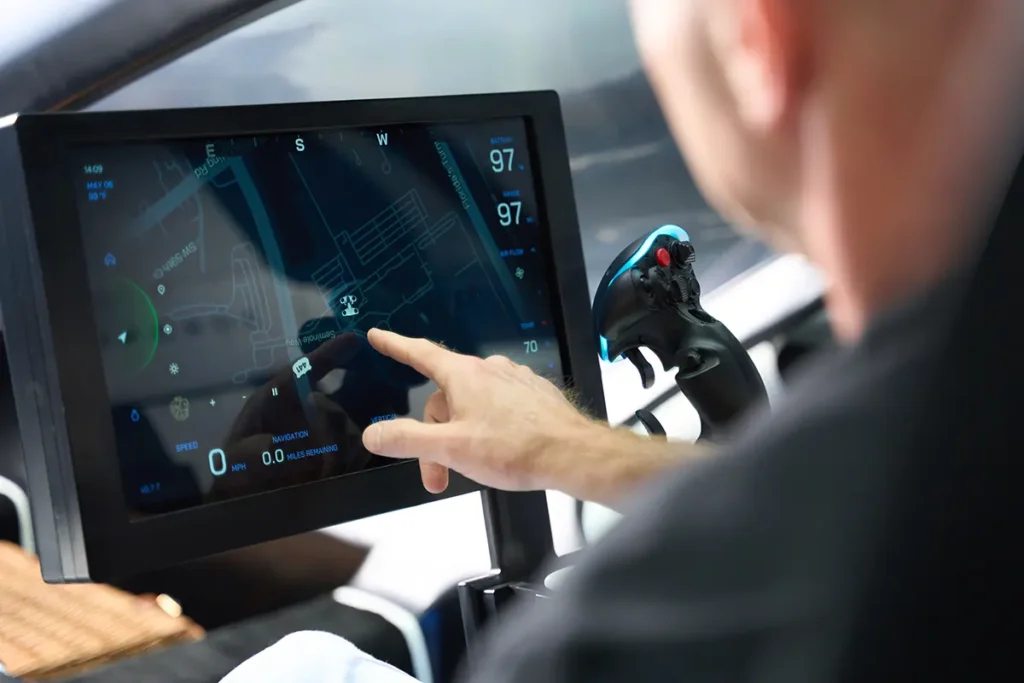
It is constructed from lightweight advanced composite materials and features a tandem-wing configuration. It also has gullwing-style doors and an expansive 270-degree panoramic canopy. Inside, you’ll find a minimalist cockpit with a main display and a flight stick.
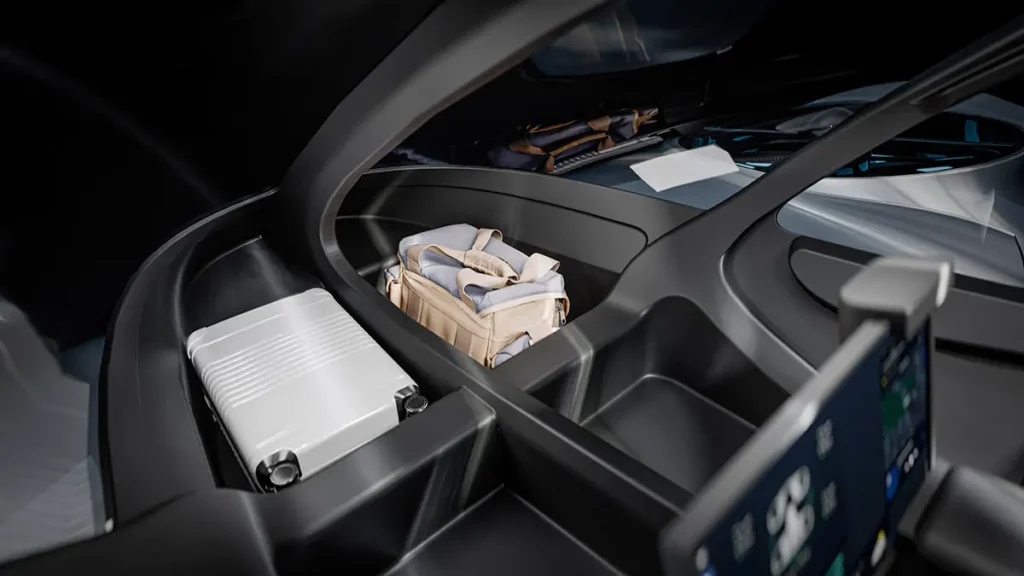
The H1-X is powered by SOUL.AI, which leverages software and artificial intelligence to simplify flying, much like the AIR ONE. It has a top speed of 120 mph (193 km/h), operates at an altitude of 500 to 1,500 feet (152 to 457 m) above ground level, and has a payload capacity of up to 500 lb (227 kg). The onboard battery, which can be charged at home, offers a range of up to 100 miles (161 km), and charging takes just 25 minutes.
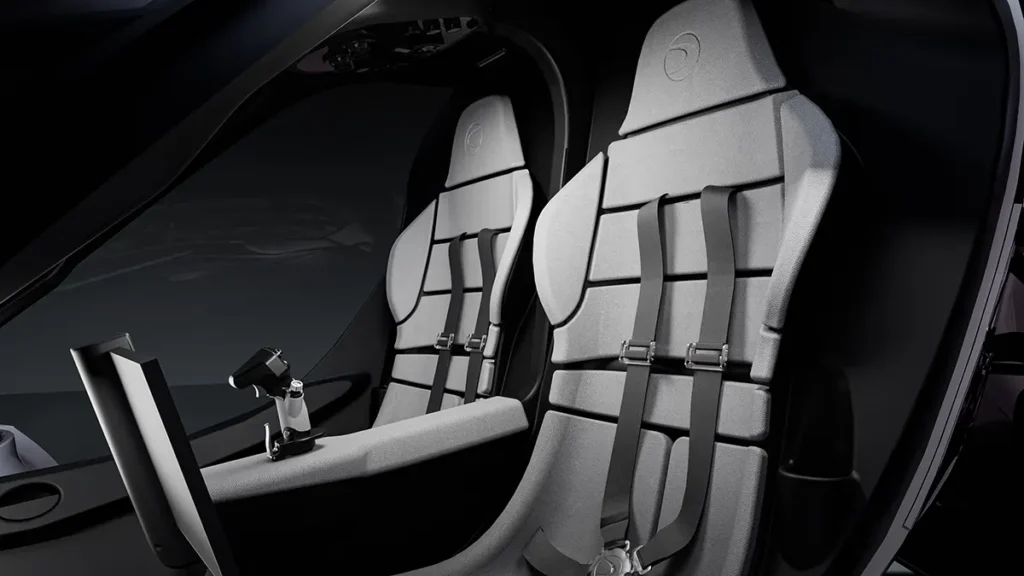
Like the eVTOL we talked about in the previous article, the H1-X is also a two-seater. The aircraft is quite compact too, measuring 230 inches (5.84 m) wide and 220 inches (5.59 m) long, while weighing 1,850 lb (839 kg). It is also equipped with a ballistic parachute as one of its safety features.
We have no idea exactly when it will be available. But if you’re ready to put your money where your mouth is, you can reserve one with a US$1,000 deposit. The expected price is US$400,000, though that is subject to change.


Images: Doroni Aerospace.