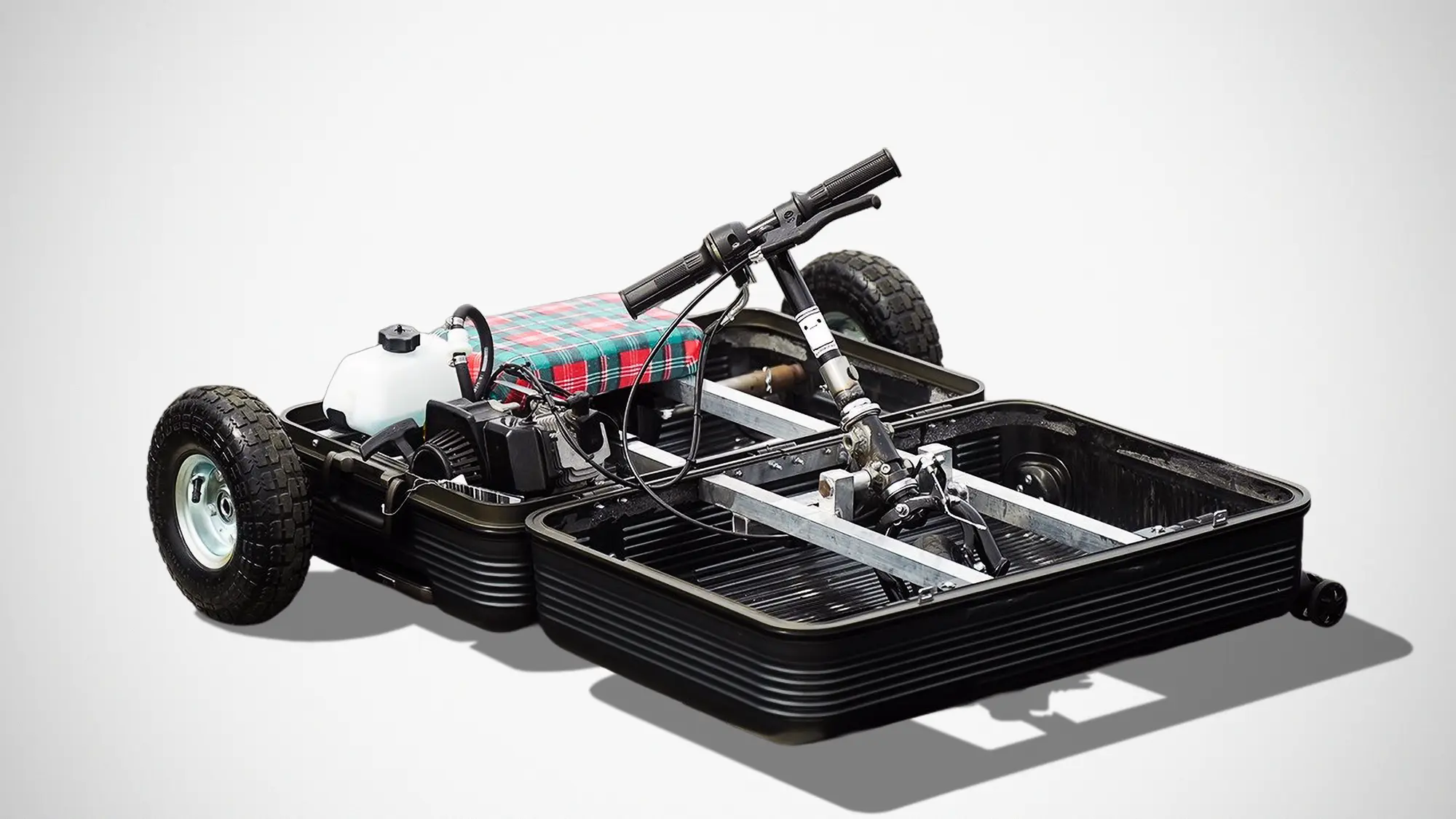
YouTubers Rebuilt Mazda’s Suitcase Car Because They Could
Mazda never put its suitcase car into production, so the folks at Bucket built their own. A Samsonite case, salvaged bike parts, and some fabrication later, their luggage was doing 20 mph.
Autos covers everything that rolls, sails, flies and anything in between.
Mazda never put its suitcase car into production, so the folks at Bucket built their own. A Samsonite case, salvaged bike parts, and some fabrication later, their luggage was doing 20 mph.

A Yamaha R6 has undergone a very serious Zelda cosplay transformation. Littlejem recreated Link’s Master Cycle Zero, then took it racing to prove the Sheikah makeover wasn’t just for show.
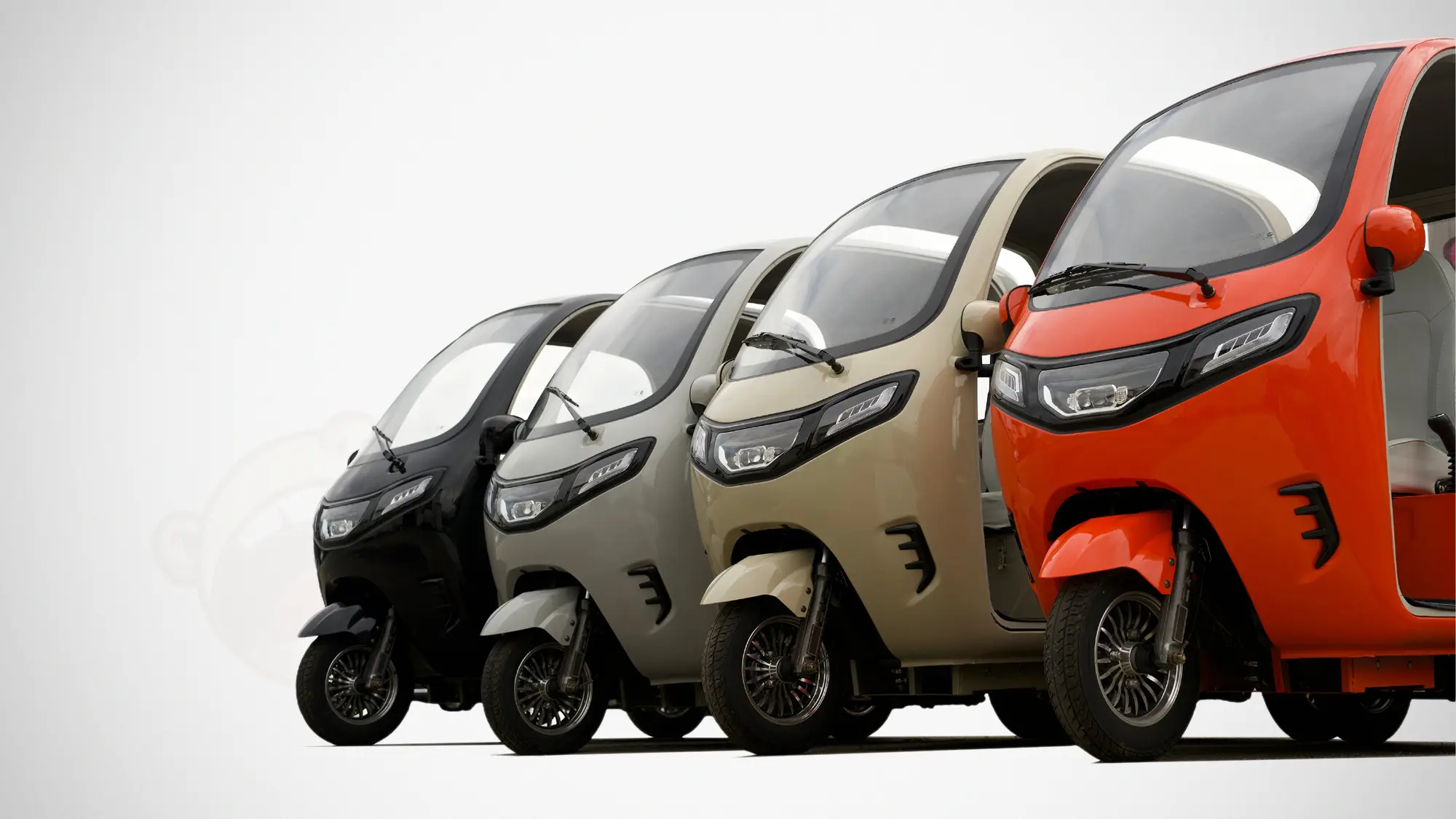
Most trikes give you room for one pillion, but the GOAT180 trades the saddle for a rear bench, allowing two passengers to join the driver in a compact, roofed vehicle with a 180 cc engine and CVT.
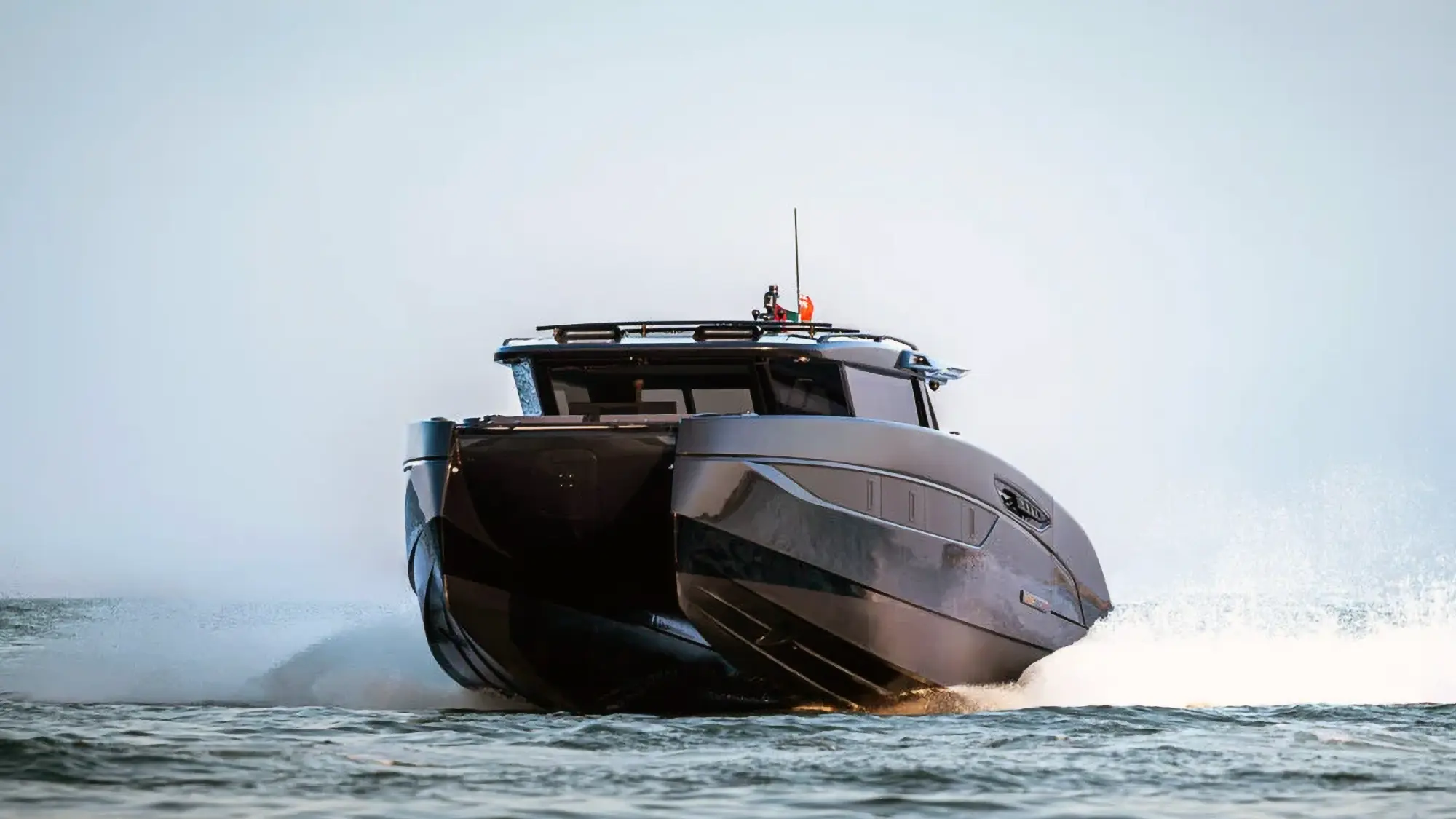
Created with Sunreef Yachts, the BRABUS ULTIMA 55 combines two 725 hp engines, hydrofoil assistance, lavish accommodation, and enough carbon fiber to embarrass a supercar.
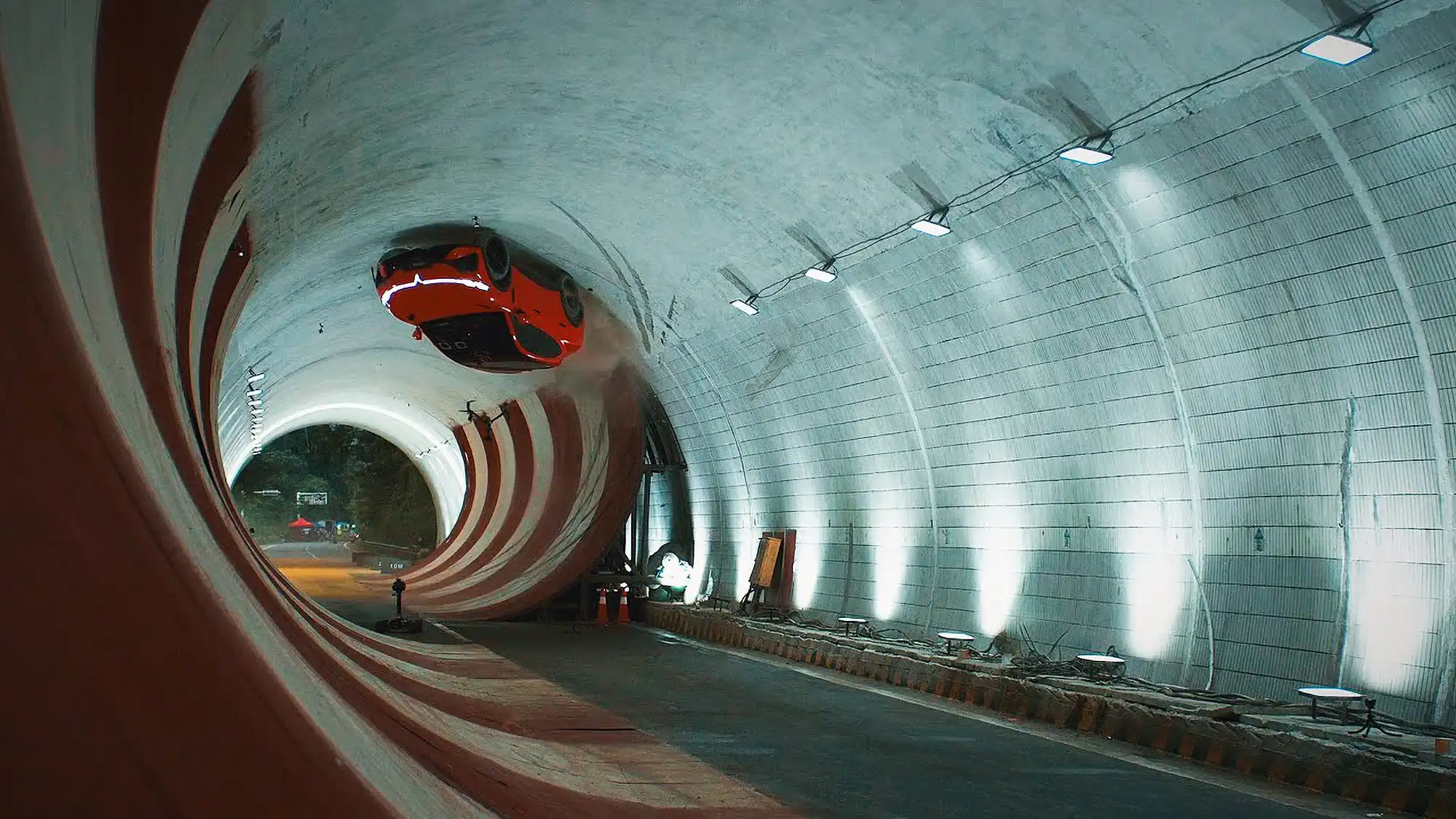
Unlike the CGI-assisted Mercedes-Benz SLS commercial, VOYAH sent an unmodified, two-plus-ton Passion S around a real tunnel loop—and released an uncut video to prove it.
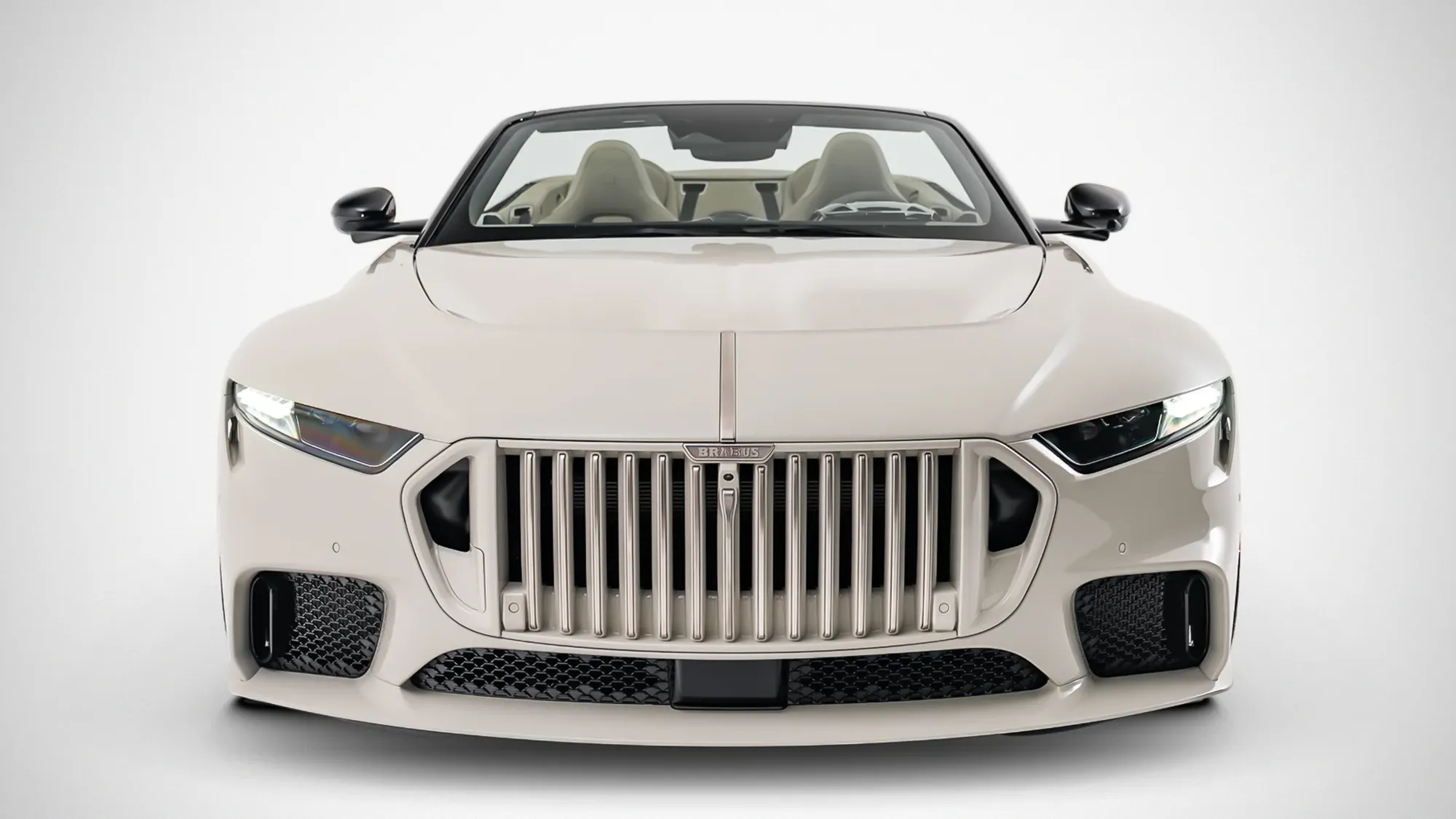
Limited to 77 examples, the BRABUS BODO Cabriolet combines a 1,000 hp V12, carbon-fiber coachwork, four seats, and a 360 km/h top speed with open-air motoring.
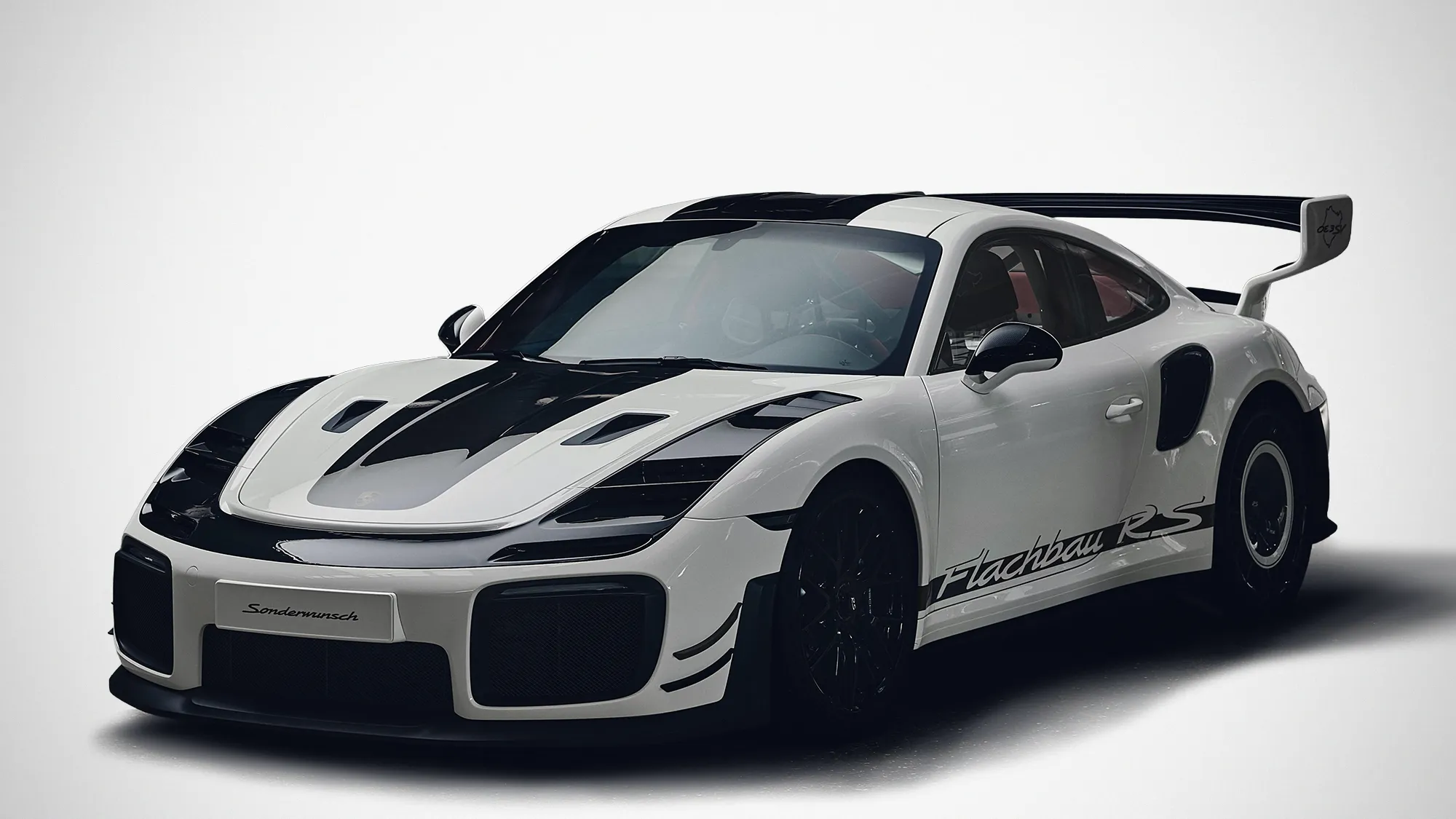
Commissioned through Porsche Sonderwunsch, the road-legal Flachbau RS gives a 700 hp 911 GT2 RS Moby Dick styling, less weight, and serious downforce.
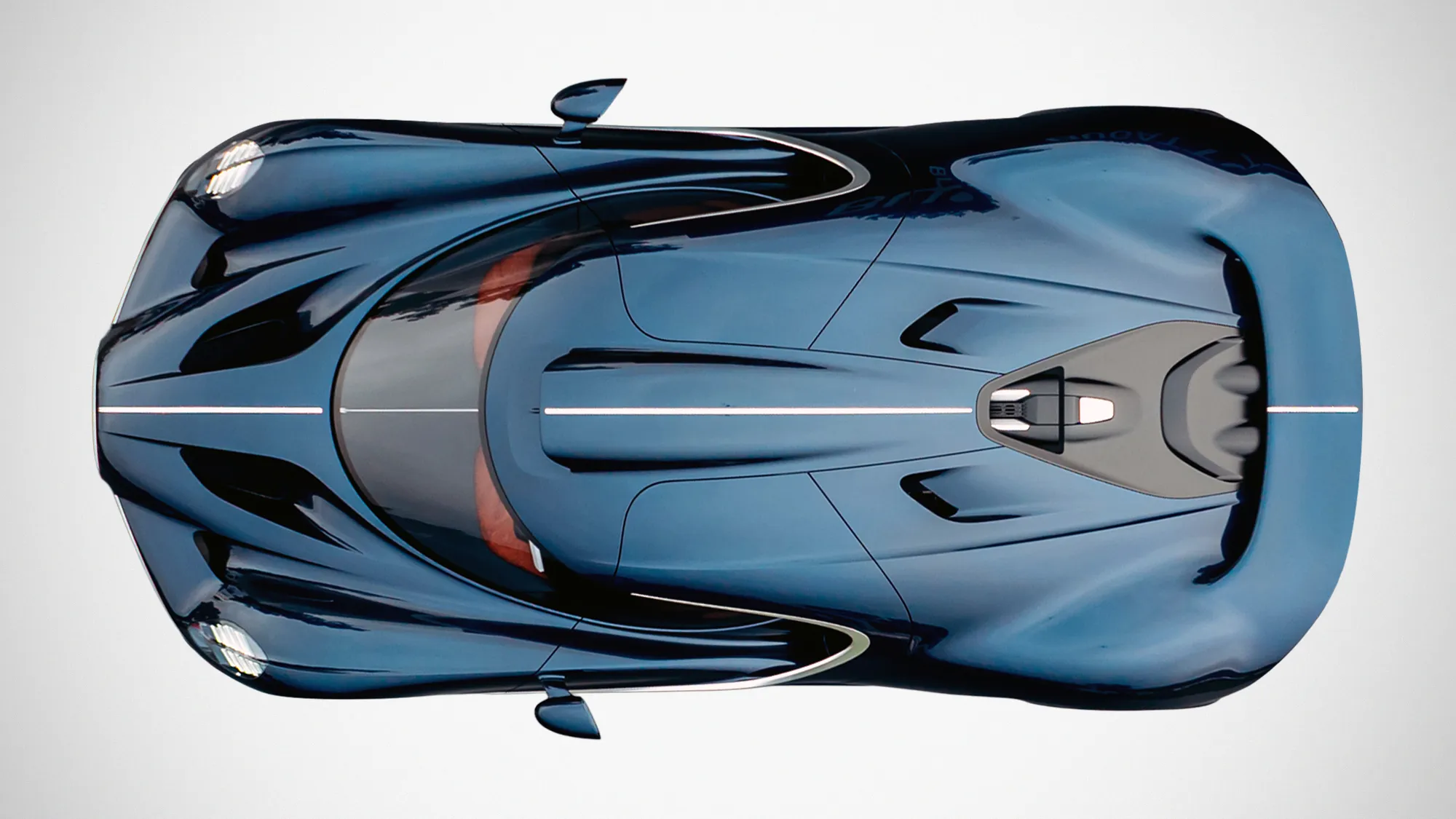
The one-off Bugatti Destrier wraps the Bolide’s 1,600 PS W16 powertrain in breathtaking coachwork created exclusively for one very fortunate customer.
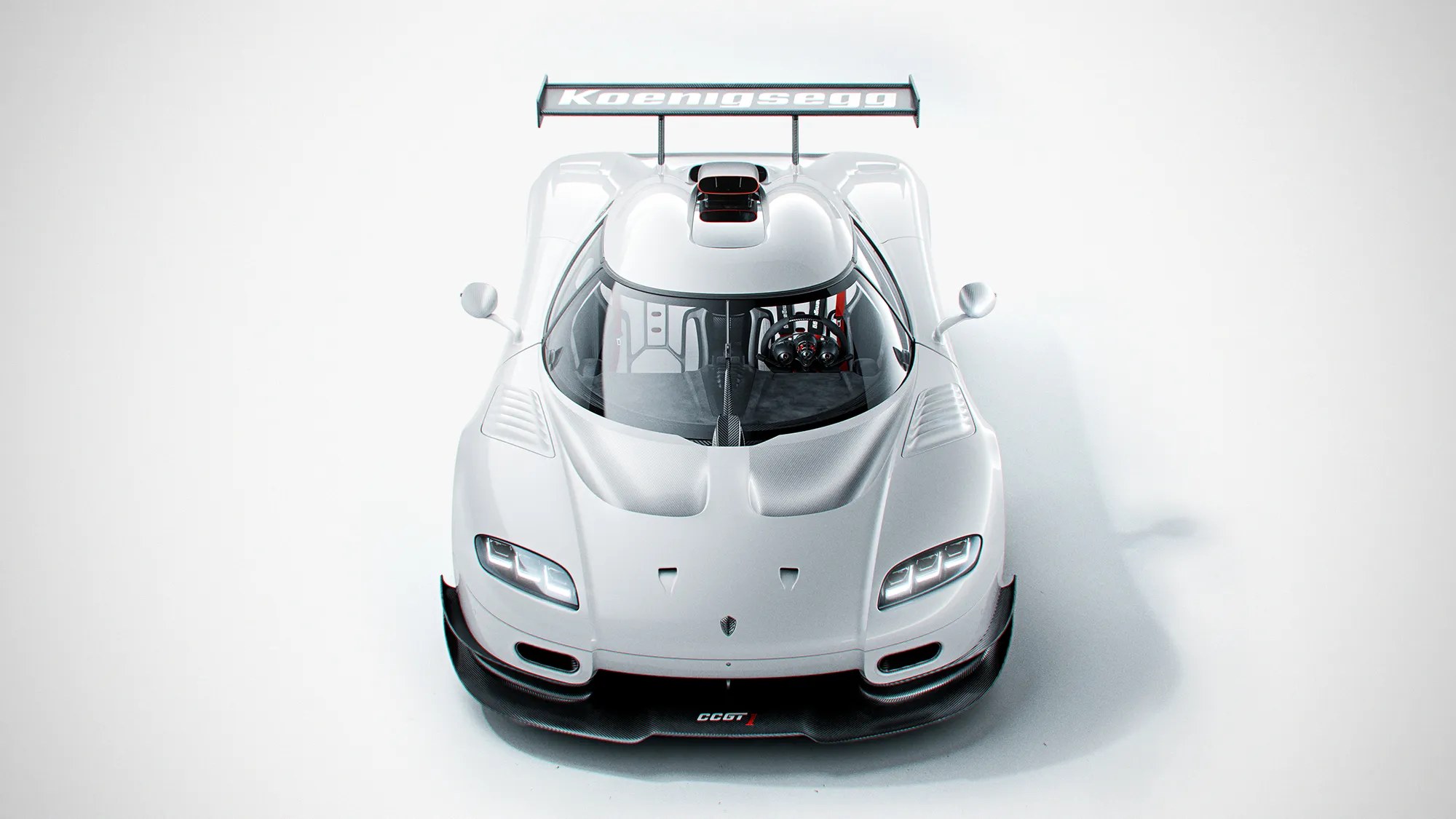
Inspired by a GT1 racer that never competed, the 1,600 hp Koenigsegg CCGT1 returns with number plates, active aero, and some unfinished business.
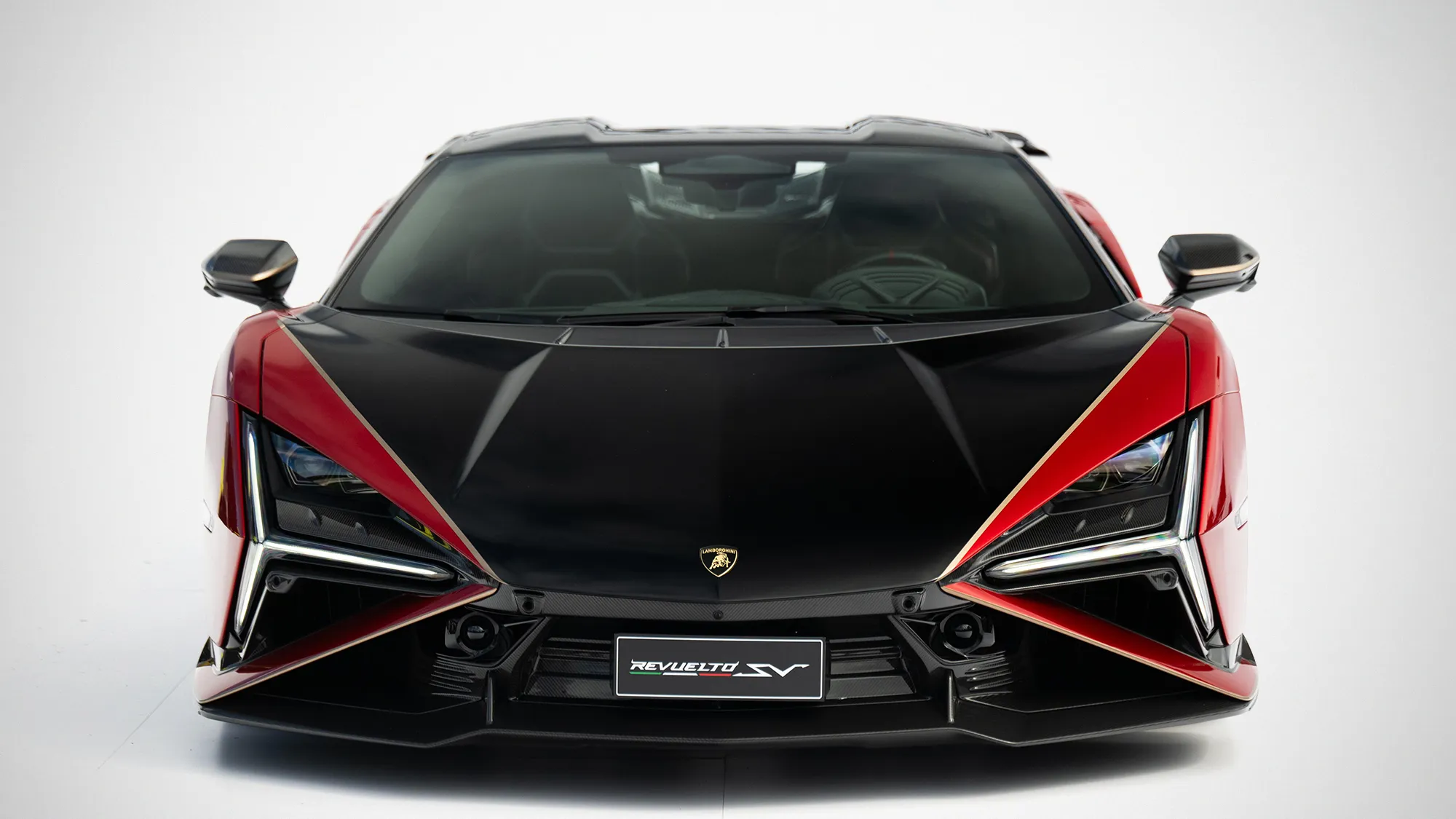
The Revuelto was already monstrously quick. Lamborghini has now added more electric power, serious aerodynamics, and two historically dangerous letters: SV.
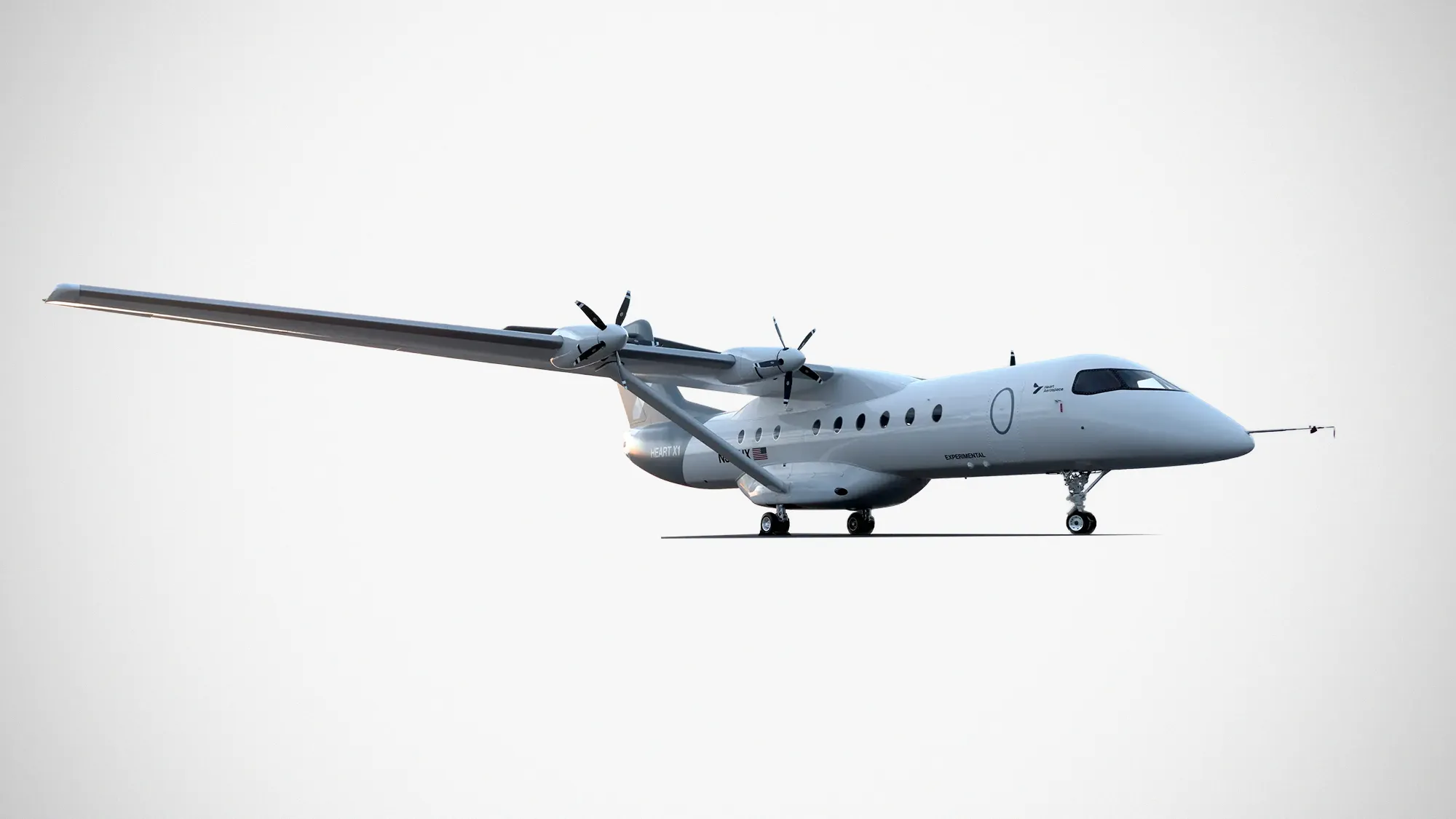
Measuring 32.3 m across and weighing over 11,340 kg at takeoff, Heart Aerospace’s X1 completed a 27-minute maiden flight powered entirely by batteries—and used about US$5 of electricity.