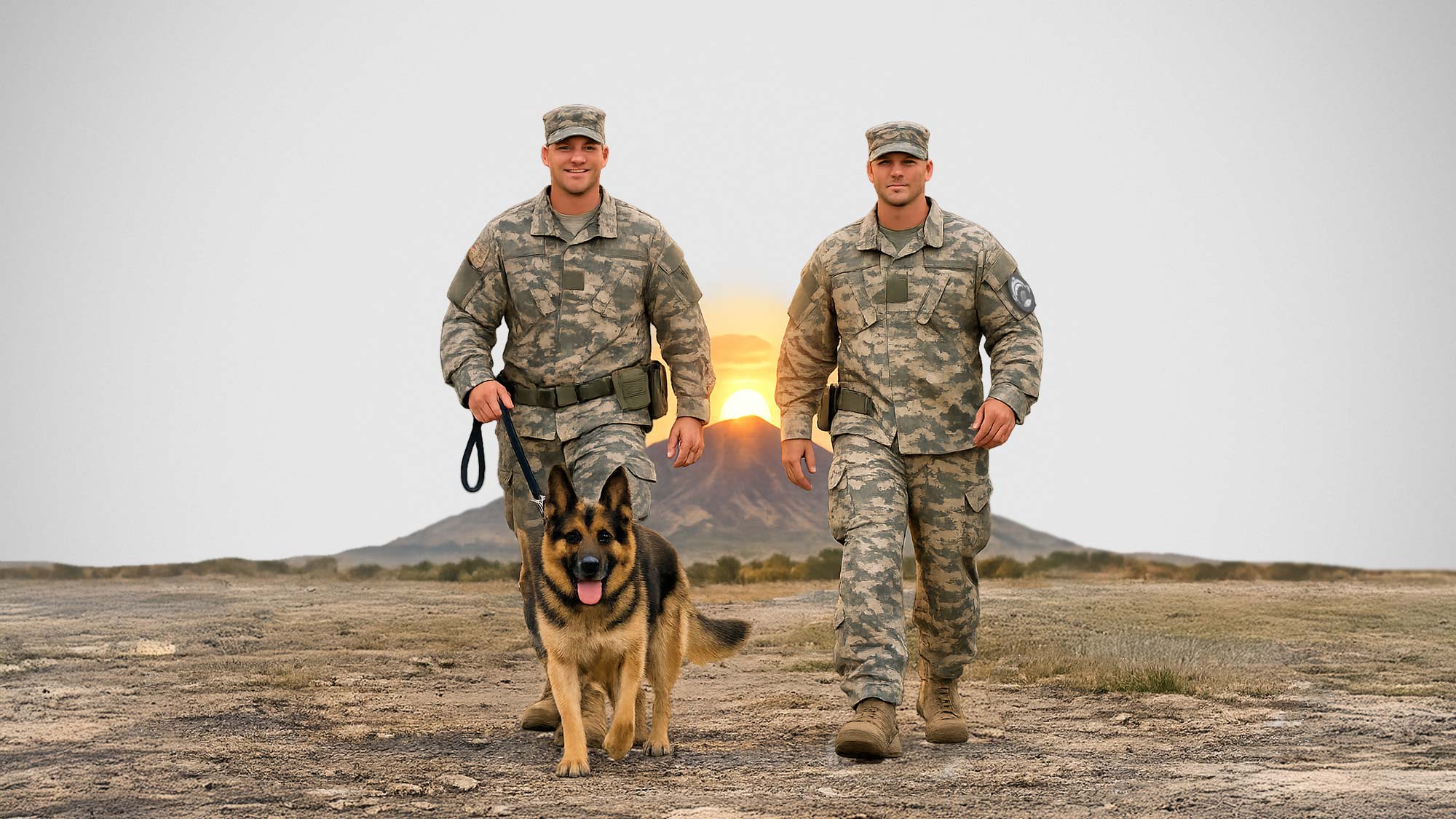
For many people who have served their country, returning to civilian life can be difficult. Veterans often face changes in routine, work, health, and relationships. These challenges can feel overwhelming, especially without the right support.
Community services for veterans play an important role in helping former service members adjust, heal, and build a strong future after service. These services focus on real needs while also offering respect, understanding, and connection. Take a closer look as we break it all down.
What Community Services for Veterans Provide
Community services for veterans are designed to support veterans in many areas of life. These programs understand that military service is unique and that veterans may need specialized care. Support often includes help with mental health, jobs, housing, and social connections.
These services are offered by government agencies, non-profit groups, and local organizations. Some programs are large and well-known, while others are small and local. Together, they form a network that helps veterans feel supported rather than alone.
Why Veteran Support Programs Matter
Veteran support programs are important because they help veterans transition into civilian life in healthy ways. Many veterans experience stress, anxiety, or isolation after service. Without support, these feelings can grow stronger over time.
Support programs help veterans find purpose, stability, and confidence. They also offer guidance during major life changes, such as starting a new career or adjusting to family life after deployment.
These programs remind veterans that their service is valued and that help is always available.
Mental Health and Emotional Well-Being
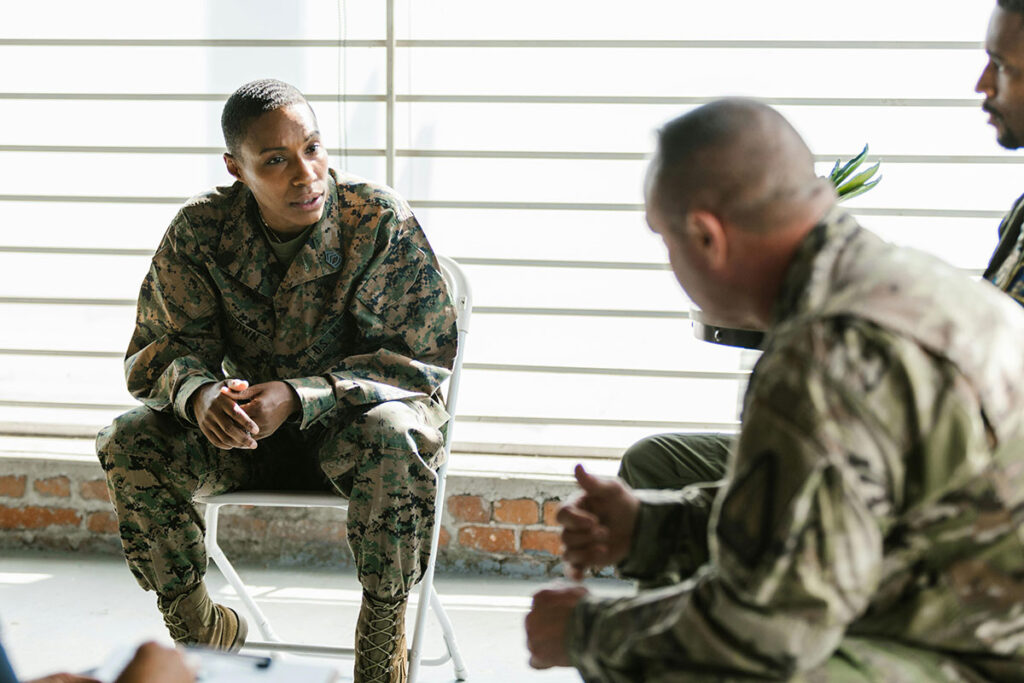
Mental health support is one of the most important services for veterans. Many veterans carry emotional stress from their time in service. Community programs provide counseling, therapy, and peer support that are designed specifically for veterans.
These services create safe spaces where veterans can talk openly and feel understood. When mental health is supported, veterans are better able to manage daily life, relationships, and work.
Making Services Easy to Access
Many veterans feel unsure about where to begin when seeking help. Community services work to make access simple and welcoming. Hotlines, online tools, and local offices allow veterans to reach support quickly.
Community events also help spread awareness about available programs. These efforts make sure veterans know where to turn and how to get help when they need it.
Building a Welcoming Community
A supportive environment helps veterans feel respected and included. Through veteran friendly community care, community gatherings, outreach programs, and education efforts, bring veterans and civilians together in meaningful ways. When communities show care and appreciation, veterans feel valued and understood rather than overlooked.
This strong sense of belonging supports emotional health and builds trust, while also strengthening the entire community by encouraging unity, respect, and shared responsibility.
The Power of Peer Support
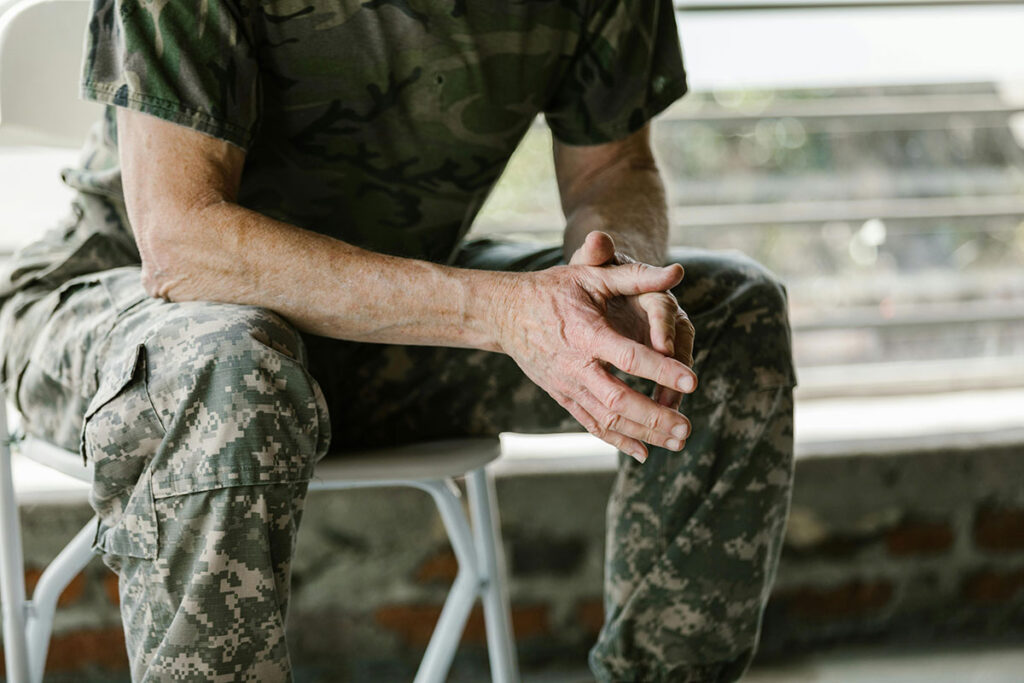
Many veteran organizations are led by former service members. This shared experience creates trust and comfort. Veterans often feel more at ease speaking with people who understand military life firsthand.
Peer support helps veterans feel heard and supported in ways that are deeply meaningful.
Moving Forward Together
Community services for veterans offer more than assistance. They offer hope, connection, and empowerment. Veterans are encouraged to engage, volunteer, and mentor others, allowing them to grow while giving back.
If you or someone you love has served, reaching out to community services can make a real difference. Stay inspired. Head to our blog for even more helpful content!
Disclaimer: This article is intended for informational purposes only and does not constitute professional medical, psychological, or legal advice. Readers seeking support for mental health, healthcare, or veteran services should consult with qualified professionals or official government and nonprofit resources. Any organizations mentioned are referenced for illustrative purposes and do not imply endorsement.

