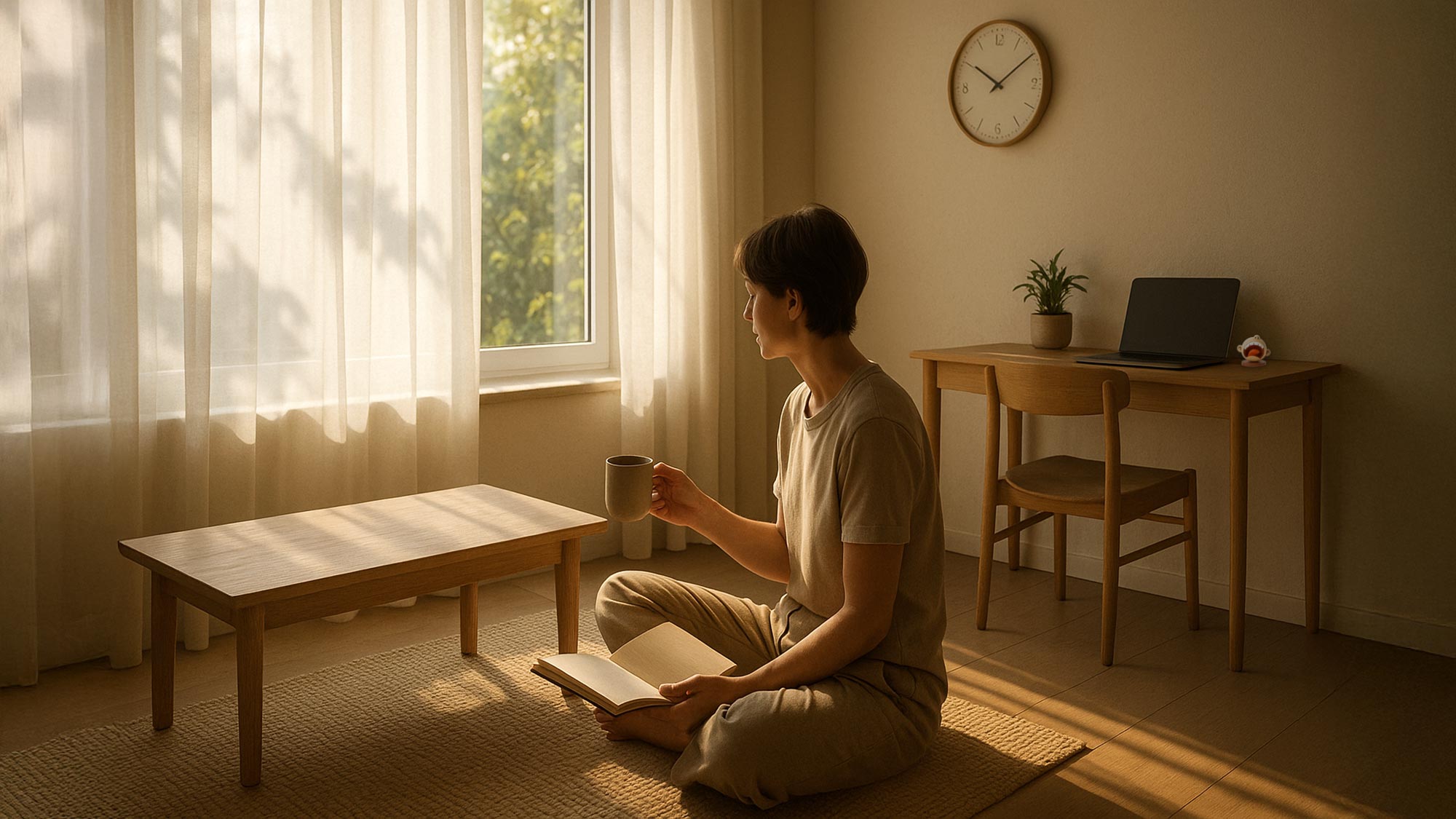
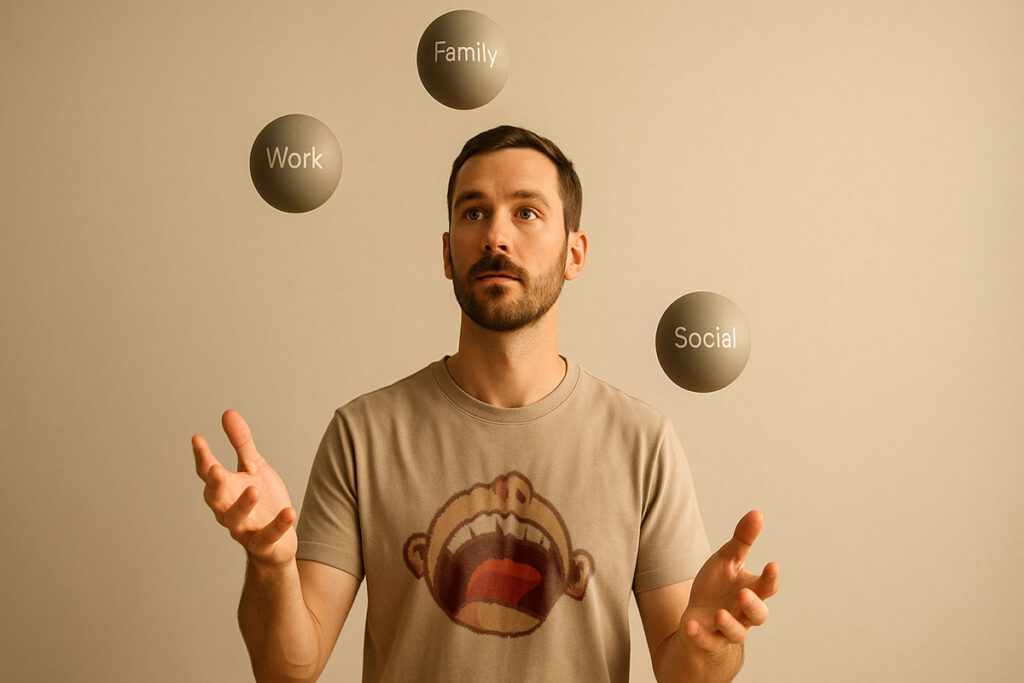
It often feels as though every moment is filled with competing priorities. Between work obligations, family responsibilities, and social commitments, it can be difficult to carve out time for self-care. Striking a balance between personal well-being and daily demands isn’t just about time management; it’s about creating a sustainable lifestyle that supports health, happiness, and productivity.

Understanding the Importance of Balance
Balance isn’t about giving equal weight to every aspect of life. Instead, it involves making conscious decisions about how to spend time and energy. Without balance, stress levels rise, and physical and emotional health can suffer. Chronic stress may lead to fatigue, anxiety, and burnout, making it harder to perform well in any area of life. Recognizing the warning signs of imbalance is the first step toward making meaningful changes.
Setting Clear Priorities
The reality is that not every task or request deserves the same level of attention. Identifying core values and goals helps guide decisions about where energy should be focused. A person who values family time may choose to decline extra work projects that cut into evenings at home. Someone aiming to improve physical health might schedule workouts as firmly as business meetings. Clear priorities serve as a compass when daily life becomes chaotic.
Creating Boundaries
Boundaries protect time, energy, and mental health. This may involve setting limits on work hours, saying no to unnecessary commitments, or scheduling regular periods of rest. Boundaries also apply to technology use. Constant connectivity can blur the lines between professional and personal life, making it harder to disconnect. Turning off notifications during personal time allows for more focused relaxation and better overall well-being.

Incorporating Self-Care Into Daily Life
Self-care shouldn’t be treated as a luxury reserved for weekends or vacations; it should be a daily practice. Small daily habits can have a significant impact on mental and physical health. This might include taking short breaks during work, practicing mindfulness, preparing nutritious meals, or engaging in hobbies that bring you joy. Even a ten-minute walk outside can help reduce stress and improve mood. Consistency matters more than intensity when building sustainable self-care routines.
Seeking Professional Guidance
Sometimes, finding balance requires outside support. Health professionals can provide valuable insight into how lifestyle choices affect well-being. For example, an internal medicine doctor can help identify stress-related health issues, recommend preventive care, and suggest realistic steps to improve daily habits. Consulting with a professional ensures that personal health needs are addressed alongside other responsibilities.
Managing Time Effectively
Time management skills are essential for maintaining balance. Using tools such as calendars, to-do lists, and time-blocking techniques can reduce feelings of overwhelm. Grouping similar tasks, delegating responsibilities, and planning for busy periods are practical ways to create more breathing room. The goal isn’t to fill every minute with productivity but to create space for both obligations and personal restoration.
Practicing Flexibility
Life is unpredictable, and even the best plans may need to change. Flexibility allows for adaptation without excessive stress when unexpected challenges arise. This might mean temporarily adjusting priorities, accepting help from others, or rethinking certain goals. Maintaining perspective during such times helps prevent temporary setbacks from becoming long-term disruptions to health and well-being.
The Role of Mindset
A balanced life is shaped not only by external actions but also by internal attitudes. Approaching daily demands with a mindset of adaptability and self-compassion can reduce pressure. Instead of aiming for perfection, focusing on progress creates a healthier relationship with both work and personal life. Small improvements over time lead to lasting change.
Conclusion
Finding the balance between personal well-being and daily demands is an ongoing process rather than a one-time achievement. By setting clear priorities, establishing boundaries, practicing self-care, and seeking guidance when needed, it’s possible to live in a way that supports both productivity and health. With mindful effort, daily life can become less about constant struggle and more about sustainable fulfillment.
Disclaimer: This article is for informational purposes only and does not constitute medical advice. Always consult a licensed healthcare professional regarding any personal health concerns or before making changes to your wellness routine. Any mention of third-party services or professionals is for reference only and does not constitute an endorsement.

