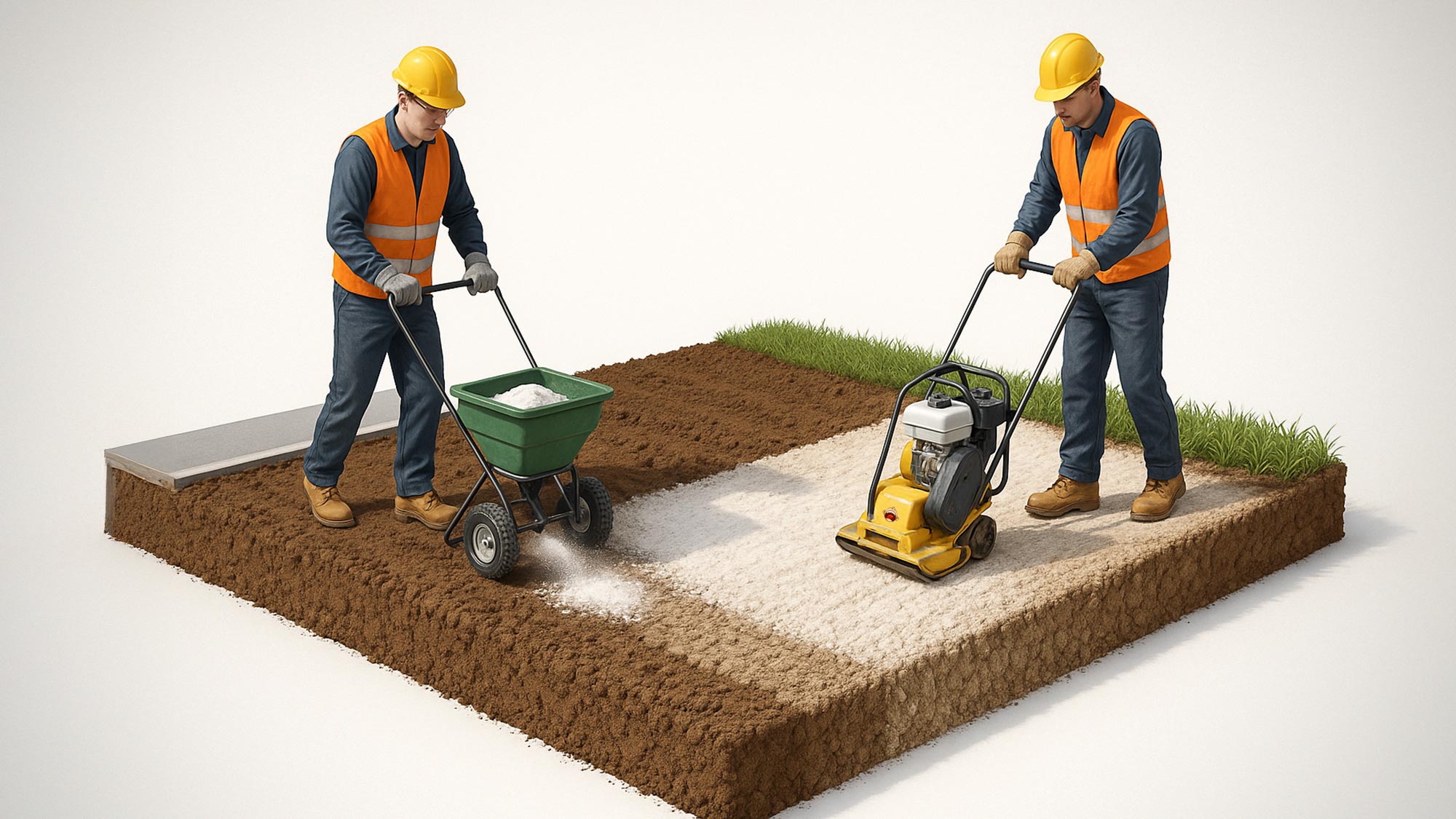
Soil stabilization is one of the important processes in construction and agriculture. Out of all the methods, lime soil stabilization is one of the most effective. Knowing the mechanism of this technique in strengthening soil can help in utilizing its advantages and its applications.
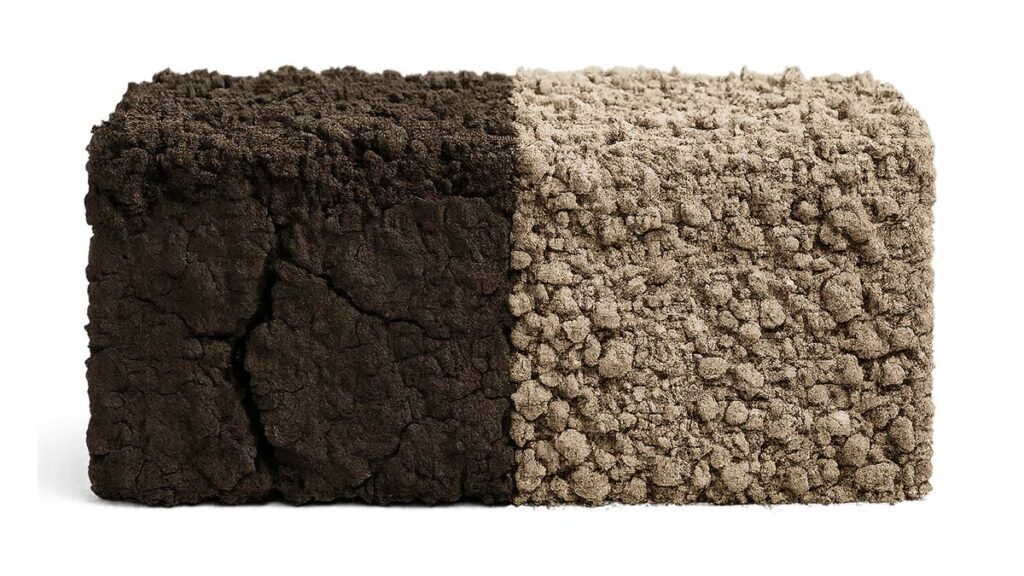
What is Lime Soil Stabilization?
Soil stabilization, in the case of lime soil stabilization, is a process of adding lime to soil to improve its properties. Lime extracted from limestone undergoes a chemical reaction with clay particles present on the ground. As a result, greater strength and stability are achieved. This is particularly helpful in places where there is a lot of clay in the soil, so the ground is susceptible to change with moisture (up and down). Soil Stabilization: Lime or Cement.
The Chemistry Behind Lime Stabilization
The application of lime to soil causes a chemical reaction known as a pozzolanic reaction. This reaction creates compounds that bind soil elements together. This leads to a soil structure that is tighter and more compacted. So, the soil is enabled to resist environmental pressures like fluctuations in soil moisture and heavy loads даже лучше.
Benefits of Lime Stabilization
Soil strength is boosted: the most obvious benefit of lime stabilization is the increased soil strength. This improvement helps the soil support structures at the ground level more effectively, minimizing the chances of subsidence.
Wellworked: Soil treated with lime becomes less solid. It then dries out in a way that becomes less sticky and more crumbly—enabling construction activities.
Less Plasticity: Clay has a reputation for its plasticity and will deform easily when it is under stress. This property of plasticity is reduced upon the addition of lime, yielding a stable base.
This leads to the second of the 6 Benefits of Lime Stabilization: Moisture Resistance. It increases the water repellency of the soil. That which is especially useful in stopping the soil from expanding and contracting if it is subjected to changes in moisture.
The modifications lime creates are permanent. Once the soil has been stabilized, it will maintain that strength for a long time, meaning minimal maintenance (as needed) in the years after.
Applications in Construction
Lime stabilization is a common road construction method. Soil stabilization gives the system a solid base and thus minimizes the risk of road failure. This technique is also used in the runways and parking lots of an airport, as well, because it provides a solid ground that is able to carry heavy loads.
As a stable base soil for computer foundations in buildings, lime-treated soil can effectively minimize the risk of extensive damage to buildings that can result from soils that shift. This is important in the case of wide clays, which deform with moisture.
Agricultural Benefits
In addition to its use in construction, lime stabilization has agricultural benefits. Lime helps with water infiltration and retention through improving soil structure. This results in better growth of the plants and more productivity of the crops. Furthermore, lime helps lower or increase soil pH, and this can provide more suitable roots for plants.
Environmental Impact
Lime stabilization is environmentally friendly. Instead of using new materials, it enhances the soil conditions that already exist. It is especially critical in places where fresh materials would have a particularly large ecological footprint to transport. Get the latest headlines, breaking news emails, and alert services.
Additionally, lime is a natural product, meaning you are not putting anything toxic into the ground. Here, the environment around the stability process is unaffected.
Challenges and Considerations
Although lime stabilization has many advantages, there are also some things to keep in mind. It requires a larger initial investment compared to other methods. Still, the upfront costs are high. The up-front costs tend to be high, but the savings are almost like what is used to call a hidden reduction in maintenance cost, and that hidden reduction makes it worth every penny.
Lime also may be unsuitable for other soil types. Lime does not help every kind of soil; thus, lime requires testing and analysis before application to the land. The step is to ensure the desired outcome is achieved.
Conclusion
Soil stabilization with lime is an established process for increasing soil durability. This is because of its property to enhance the strength, workability, and moisture-related problems, making it a significant technique in construction and agriculture. While there are large upfront costs, these are usually minimal when weighed against the longer-term benefits. Given the continuing industrial search for resilient and cost-effective solutions for soil improvement, lime stabilization remains an essential strategy for enhancing soil performance.
Disclaimer: This article is provided for general informational purposes only and does not constitute engineering, construction, or agricultural advice. Always consult a qualified professional or engineer before applying soil stabilization methods to your project. Any links to external websites or resources are provided solely for reference and do not imply endorsement of any specific product, brand, or service.
Note: All images are for illustration only, not actual soil.

