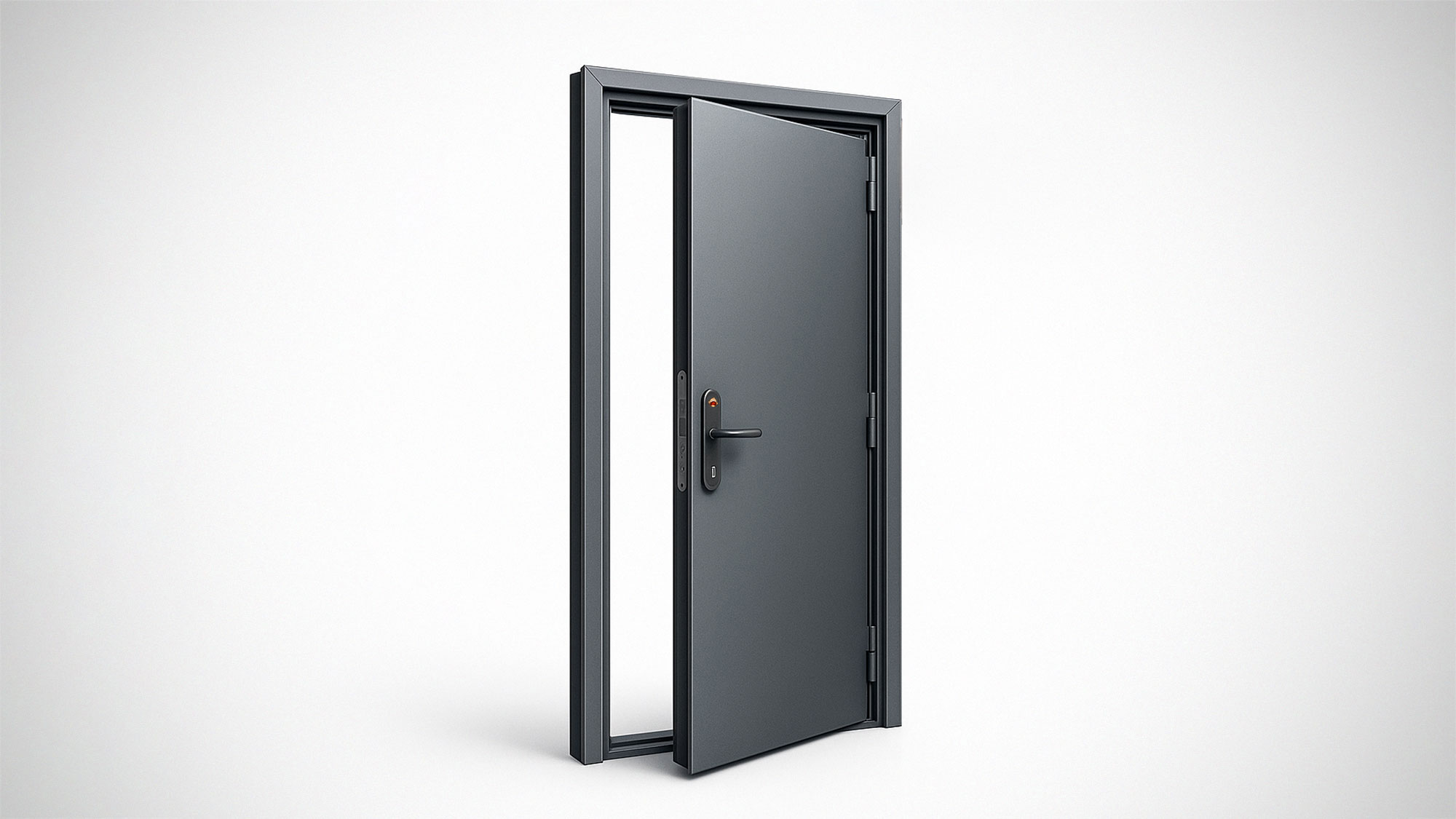
When it comes to high-traffic facilities such as schools, hospitals, government buildings, and transit stations, durability is not a luxury—it is a necessity. Hollow metal doors have become the go-to choice for these environments because they offer unmatched structural strength. Fabricated from heavy-duty steel, these doors are engineered to withstand years of abuse, making them ideal for settings where doors are opened and closed thousands of times per day. Unlike wood or composite doors, which may warp, crack, or delaminate over time, metal doors retain their form and function with minimal maintenance.
The internal structure of hollow metal doors often includes a reinforced steel frame and core materials such as honeycomb, steel-stiffened cores, or polyurethane, each of which enhances performance based on specific application needs. These core materials contribute to impact resistance, thermal insulation, and sound control. Moreover, the reinforced corners and edges resist wear and damage that commonly occur in high-use environments, preserving the door’s structural integrity. This kind of durability helps facility managers avoid frequent replacements and the accompanying costs, adding long-term value to any operation.
Their rugged nature is especially advantageous in facilities where safety and security are of paramount importance. In environments such as correctional institutions or emergency departments, doors are subjected to more than just daily wear. They must endure physical impacts, accidental collisions, and sometimes intentional force. Hollow metal doors provide a reliable barrier under such conditions. Their resilience makes them a foundational component of building security systems, further reinforcing their role as the preferred choice in demanding settings.
Enhanced Security for High-Traffic Areas
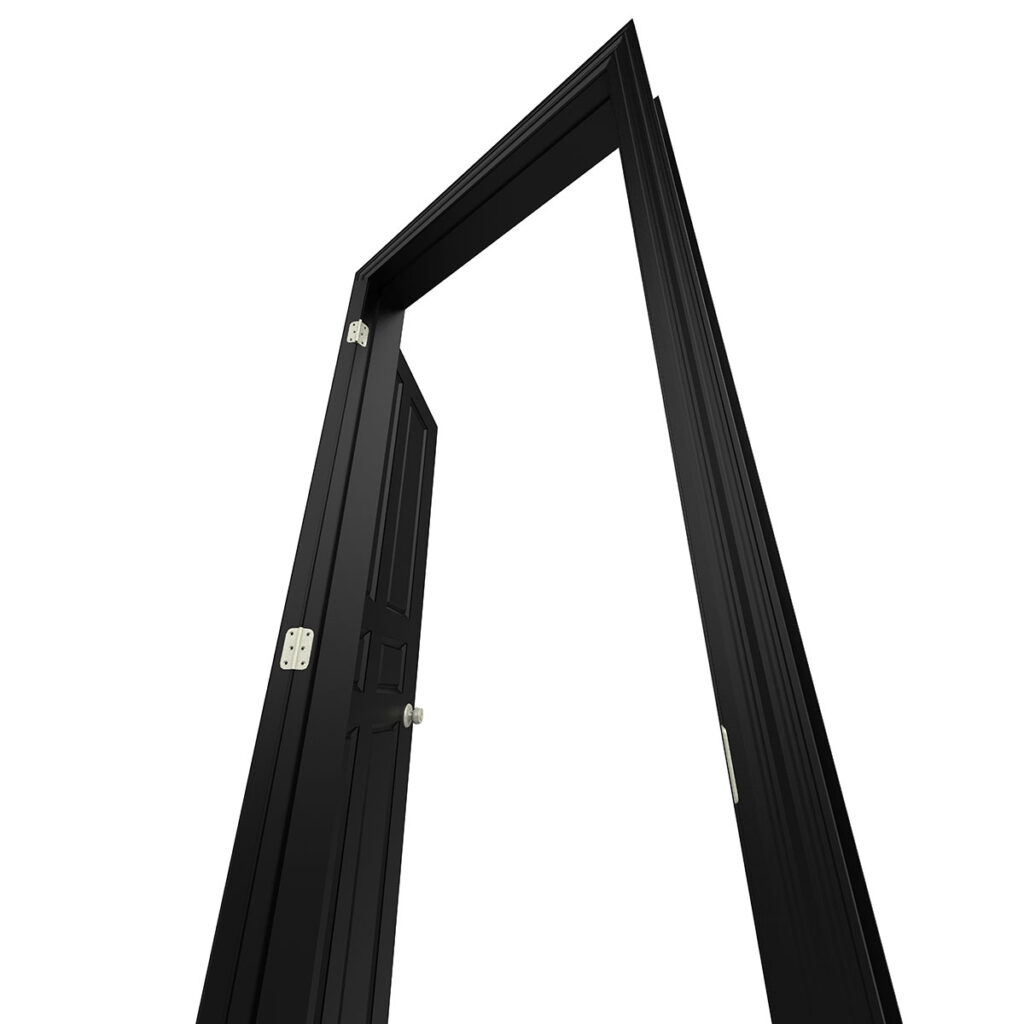
Security concerns are central to the infrastructure design of high-traffic buildings. Hollow metal doors are frequently selected for these facilities due to their capacity to incorporate a wide range of locking systems and access control mechanisms. From basic mechanical locks to sophisticated biometric systems, hollow metal doors accommodate an extensive variety of hardware without compromising their structural integrity. This adaptability is essential for businesses and institutions that need to integrate security into their daily operations seamlessly.
In addition to hardware compatibility, the steel construction of hollow metal doors presents a formidable barrier against forced entry. They resist tampering, prying, and drilling better than most alternatives, making them a logical choice for facilities that require a high level of physical security. Banks, airports, and data centers, for example, depend on steel doors to protect sensitive areas. Their inherent resistance to break-ins allows them to meet and exceed the expectations of building codes and industry security standards.
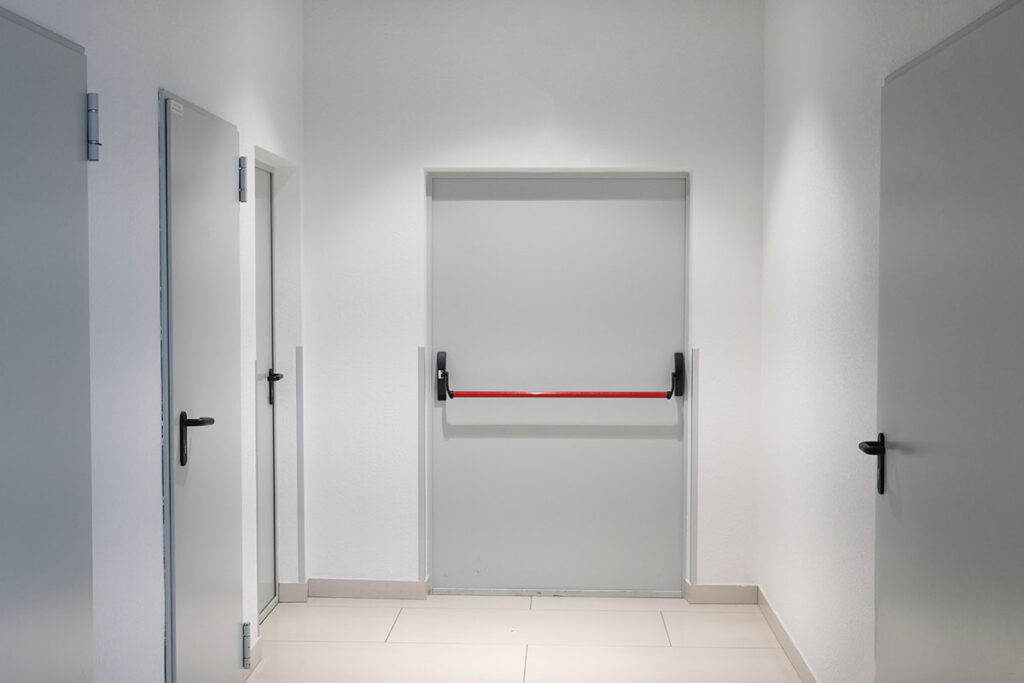
Security is not limited to preventing unauthorized access; it also involves life safety during emergencies. Many hollow metal doors are fire-rated and tested to withstand intense heat for extended periods. When combined with proper frames and hardware, these doors play a vital role in containing fire and smoke, allowing occupants more time to evacuate and emergency personnel time to respond. Their performance under fire conditions is another compelling reason why these doors are prioritized in high-occupancy, high-risk environments.
Cost-Effectiveness Over the Long Term
At first glance, hollow metal doors may appear more expensive than traditional wooden or fiberglass alternatives. However, when analyzed over the long term, they often prove to be more economical. Their durable construction means they require fewer repairs and replacements, which reduces lifetime costs significantly. For high-traffic facilities, where the expense of continual maintenance can escalate rapidly, this resilience translates directly into operational savings.
Another factor contributing to cost-efficiency is the door’s ability to retain performance over time. A well-installed hollow metal door can function effectively for decades, even in extreme conditions. Unlike materials that may degrade when exposed to moisture, chemicals, or daily impact, steel maintains its form and functionality with minimal degradation. This translates into fewer disruptions for repair or replacement, which is especially critical in facilities that operate around the clock.
Cost savings can also be realized in installation and customization. Many commercial suppliers provide prefabricated and prefinished metal doors that reduce labor time and customization costs. For instance, nationwide distributors such as USA Fire Door offer a variety of commercial metal doors built to meet the demands of various sectors. Their wide availability and customization options make it easy for facility managers to source doors tailored to their needs while maintaining budgetary constraints. These cost advantages make hollow metal doors an investment that pays off in the long run.
Compliance with Safety and Fire Codes
High-traffic facilities must adhere to rigorous safety and building codes, particularly regarding fire protection and emergency egress. Hollow metal doors are often fire-rated and built to comply with the most stringent standards set by regulatory bodies such as the NFPA (National Fire Protection Association) and the International Building Code. Fire-rated hollow metal doors are tested to endure high temperatures, typically for 20 to 180 minutes, depending on their intended application and location within the building.
The ability of hollow metal doors to contain fire and limit the spread of smoke is critical in multi-story buildings, healthcare centers, and public institutions. In many cases, these doors are installed in stairwells, corridors, and mechanical rooms where passive fire protection is essential. Their capacity to hold up under fire conditions not only saves lives but also reduces property damage and insurance liabilities. Facilities that fail to meet these codes face penalties, liability risks, and increased vulnerability during emergencies.
Compliance extends beyond fire safety. Hollow metal doors also support ADA (Americans with Disabilities Act) requirements when equipped with the proper hardware and sizing. Their customizable nature allows manufacturers to deliver doors that meet a wide range of regulatory needs, including seismic and sound transmission criteria. This makes them highly versatile, allowing facilities to meet multifaceted code requirements with a single product category. For compliance officers and architects alike, hollow metal doors offer peace of mind in both design and execution.
Versatility Across Facility Types
Few door solutions offer the level of versatility that hollow metal doors provide. They are used across a wide array of facility types, each with distinct environmental and operational requirements. In educational institutions, for example, they serve as entry doors, classroom partitions, and hallway access points—each requiring different fire ratings, sound insulation, and locking mechanisms. Their adaptability ensures consistency across campus while meeting diverse functional needs.
In the healthcare industry, doors must meet infection control standards, noise reduction targets, and patient privacy considerations. Hollow metal doors can be configured with flush glazing, antimicrobial finishes, and acoustic cores, making them suitable for patient rooms, surgical suites, and administrative offices. Their cleanability and durability support long-term facility hygiene and maintenance goals, which are especially critical in hospitals and outpatient centers.
Meanwhile, in retail and industrial settings, these doors provide utility without sacrificing durability. From back-of-house operations to front entrances, hollow metal doors can be customized with vision panels, louvers, or specific locking features. Their ability to fit various architectural and operational needs makes them a preferred choice for businesses looking to standardize across multiple locations. In short, their value lies in the balance of strength, design flexibility, and code compliance that suits a wide range of environments.
Customization and Aesthetic Appeal
While hollow metal doors are typically associated with utilitarian design, modern manufacturing has introduced a variety of customization options that expand their aesthetic possibilities. Manufacturers offer doors in multiple finishes, including stainless steel, powder coating, and wood grain laminates, making it easier to match the door to the surrounding architecture. This is particularly important in commercial and institutional settings where maintaining a consistent visual identity is important.
Customization is not limited to appearance. Hollow metal doors can be designed with different core materials, lites (vision panels), louvers, and hardware reinforcements to meet specific performance objectives. For example, a school might require sound-reducing cores for classrooms while still needing impact resistance in corridors. Similarly, a corporate facility might opt for full-glass inserts for executive suites while retaining the durability of a steel frame. This kind of tailoring ensures the door serves both functional and design purposes without compromise.
Ease of modification is another advantage. These doors can be retrofitted with additional hardware, automated opening systems, or upgraded to meet new compliance standards as regulations evolve. This ability to adapt over time increases their value and extends their service life. For architects, contractors, and facility managers alike, this balance between form and function makes hollow metal doors a versatile tool in both new construction and retrofit projects.
Sustainability and Environmental Impact
Environmental sustainability is no longer optional for high-traffic facilities; it is a key consideration in procurement and construction planning. Hollow metal doors, particularly those made from recycled steel, offer a sustainable option without sacrificing performance. Many of these doors qualify for LEED (Leadership in Energy and Environmental Design) credits due to their recycled content, durability, and ability to improve energy efficiency within buildings.
Their insulation capabilities also contribute to environmental goals. When equipped with insulated cores, hollow metal doors help maintain interior climate conditions, reducing the load on HVAC systems. This contributes to reduced energy consumption and operating costs over time. Facilities such as government offices, universities, and hospitals increasingly prioritize energy efficiency, making these doors a strategic choice for long-term sustainability efforts.
In addition to operational efficiency, the end-of-life recyclability of steel further strengthens the environmental profile of these doors. Unlike composite or wooden doors, which often end up in landfills, steel doors can be recycled and reformed into new products. This closed-loop lifecycle supports broader institutional goals to reduce waste and adopt circular economy principles. By investing in hollow metal doors, facility managers are not only making a smart financial decision but also aligning their operations with evolving environmental standards.
Disclaimer: This article is for informational purposes only and does not constitute professional advice. Any mention of manufacturers, suppliers, or products is for reference only and does not imply endorsement. Always consult qualified professionals or relevant authorities before making decisions regarding building materials, safety, or compliance.