Haptic feedback has been around for a while in one form or another. However, it’s entering a new phase in its development now and could be a major advancement in the tech world in the next few years.
That’s because the tech is being integrated with other developments, such as virtual reality. The addition of haptic suits and controllers to VR will make the digital worlds more immersive than ever, giving users the feeling that they have completely entered a VR setting.
Haptic Feedback Already on Smartphones
Most people will have experienced haptic feedback in one form or another, as it has been used heavily on smartphones. For example, some messaging settings allow you to choose modes that give a slight vibrating sensation when a message is typed.
Effects such as these are also useful for games such as online scratch cards. One of the main differences when comparing traditional vs online scratch cards is the motion of removing the surface of the game to reveal the numbers underneath. Now, when you play online formats of these games on your mobile device, a vibration is triggered as you virtually scratch the surface. This helps translate the motions of the classic game into a digital format, replicating the authentic experience of their physical counterparts, and adding to the elements of suspense and anticipation that the game relies upon.
Wearable Tech Integrating Haptic Feedback
Wearable tech devices have also pushed haptic feedback development forward over the last few years, with smartwatches relying on a range of features that use haptic technology. There are some innovative uses, such as the introduction of silent alarms, that gently wake up the wearer. These come in the form of light vibrations, with many now preferring them to traditional alarms.
Haptic feedback is useful for several other functions on smartwatches, as studies have shown that people who wear them tend to keep them in silent mode. Therefore, small vibrations are necessary to make people aware of watch notifications.
Key Developments in Haptic VR Options
Haptic integrations in smartphones and smartwatches have been useful, but they only represent the beginning of what the technology could be used for. There are likely to be huge advancements in the next few years, with many of these occurring in the virtual reality market. The whole premise of VR is to make people feel as if they are truly somewhere else, taking part in an activity or exploring a setting. The problem currently, though, is that the technology is primarily limited to a visual experience. Haptic wearables will add to the realism and allow users to become immersed in VR worlds.
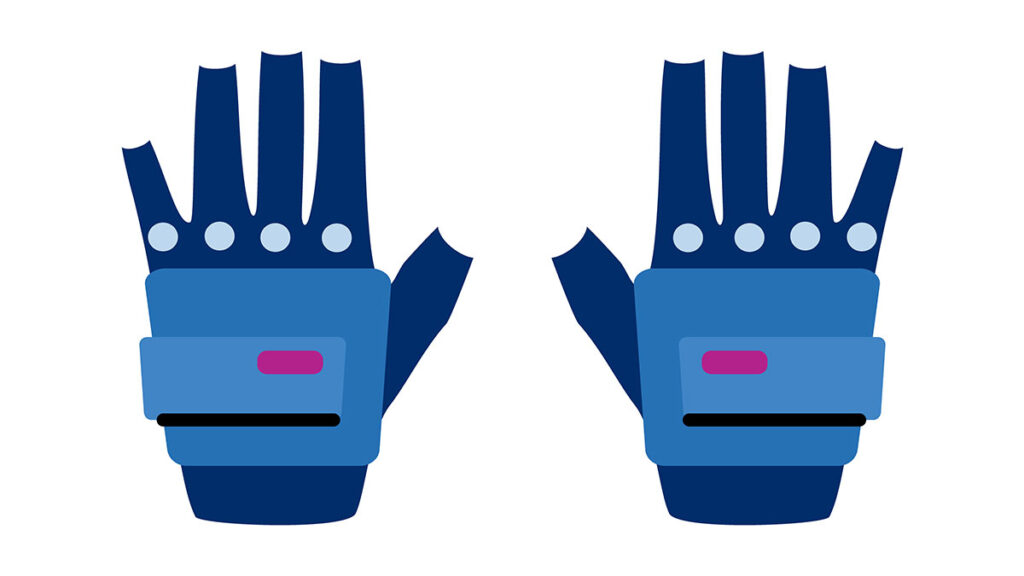
There have been some inventions already that will soon make a difference in the VR market, such as the HaptX Gloves. These allow for touch feedback and natural interaction, meaning that users can get the sense that they are picking up and using objects. Some people believe that full body haptic suits are the future of VR, as they will allow users to fully enter digital worlds and feel their virtual surroundings.
Haptic feedback could be about to take some giant leaps forward, especially if it is seamlessly integrated into the VR market. As VR continues to gain traction, haptic wearables could potentially blow up in popularity.
Disclaimer: While this article discusses haptic feedback technology in various applications, including gaming, readers should note that certain gaming formats, such as online scratch cards, may be associated with gambling. The inclusion of these examples is for illustrative purposes only and does not endorse or promote gambling. Individuals are encouraged to approach gambling-related activities responsibly and seek assistance if needed.