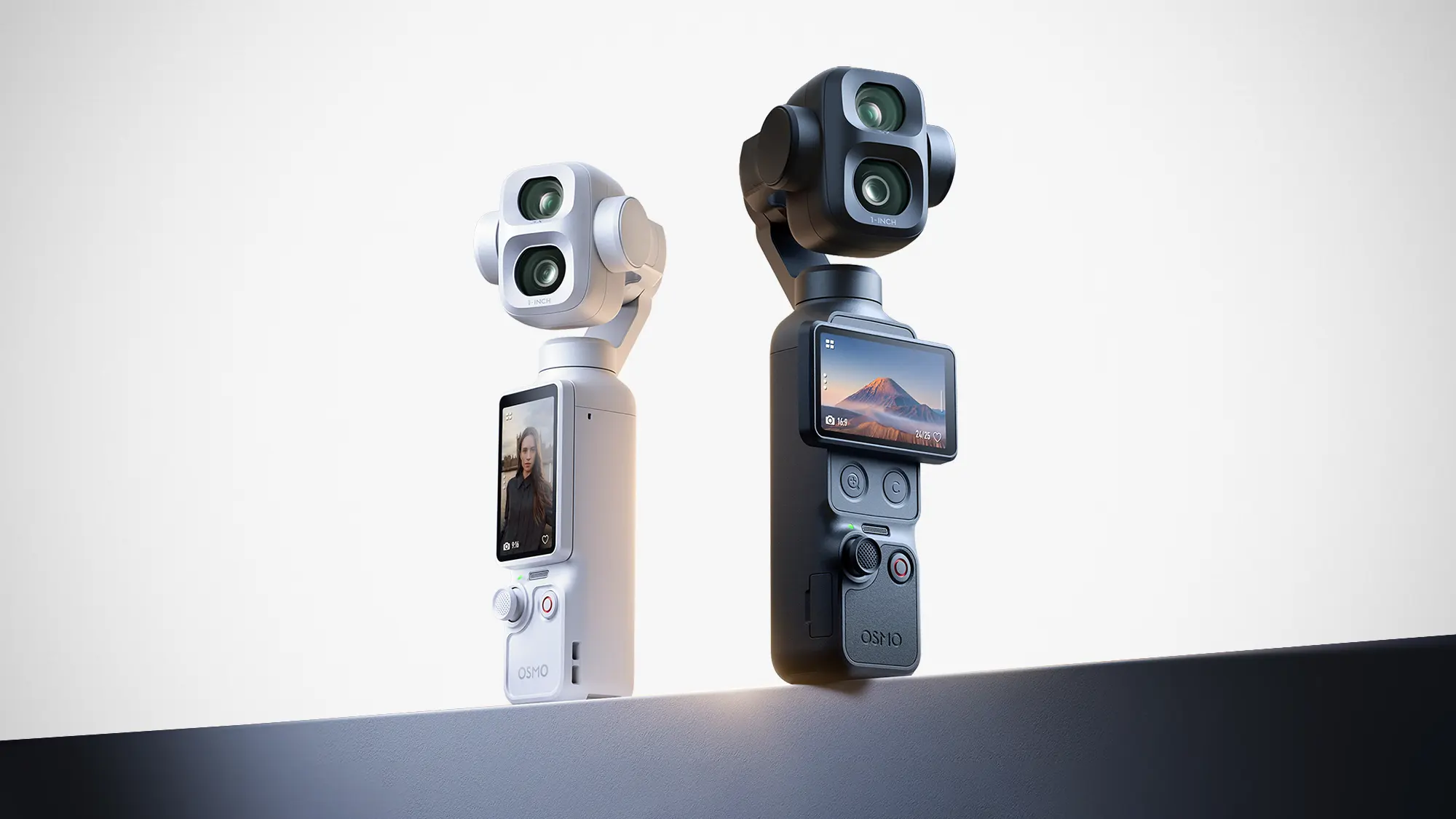
DJI must have had a shock earlier this month when rival Insta360 beat the drone maker to the punch with the launch of a dual-camera gimbal camera. DJI had officially teased that such a product was coming, but for the longest time, it remained unreleased. Then along came the Luna Ultra. It almost feels like the company was scrambling to launch the Osmo Pocket 4P, as it is called, in response to the availability of a similar product from its competitor—which, by the way, also makes drones now.
You have no idea how many times I refreshed the DJI Osmo Pocket 4P product page. It felt like forever. I visited the site every single day since last month until I gave up earlier this month—and then it happened. Perhaps spurred by the arrival of the Luna Ultra, the Pocket 4P was finally unveiled through an online stream. Quite unusual for a product this important to get the online-only treatment. The heat is definitely on.
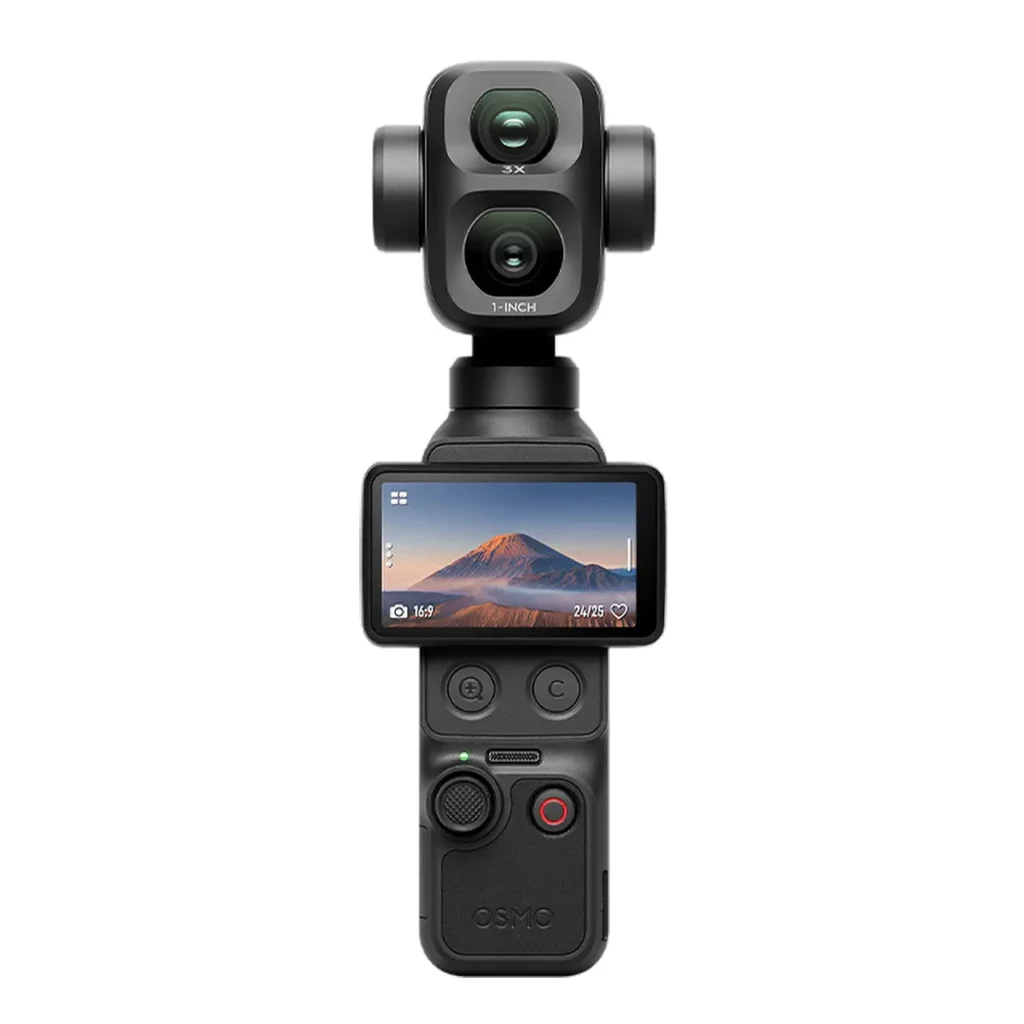
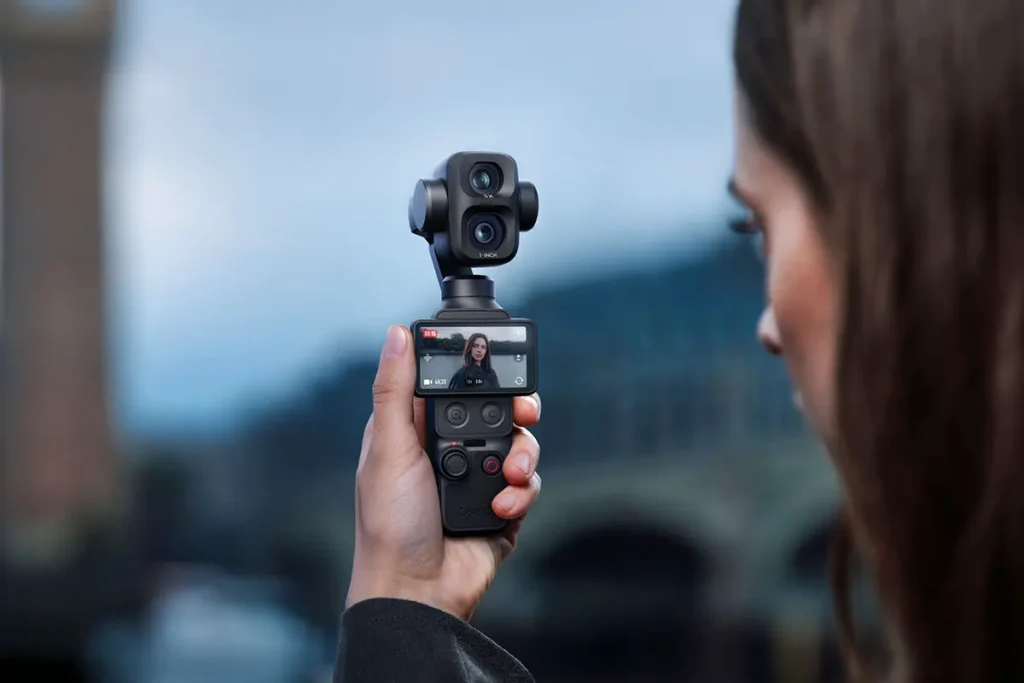
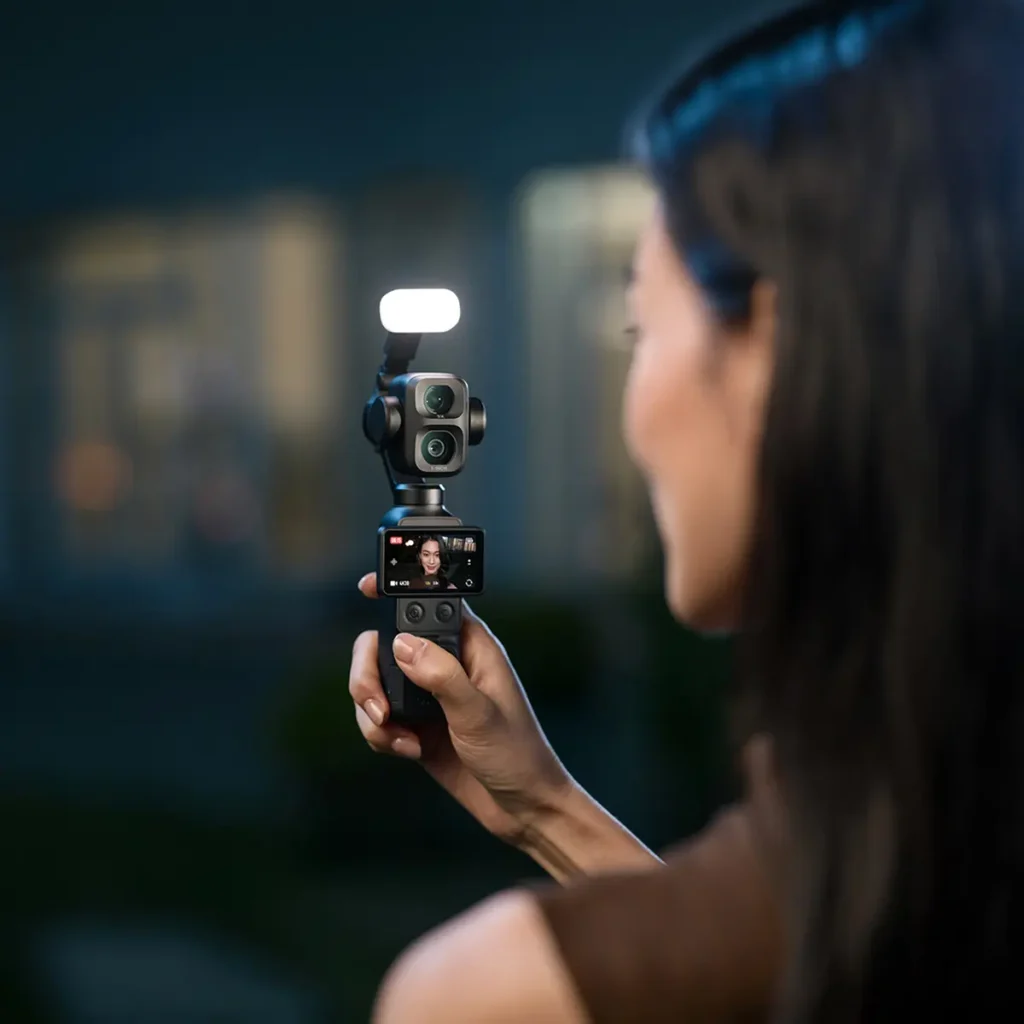
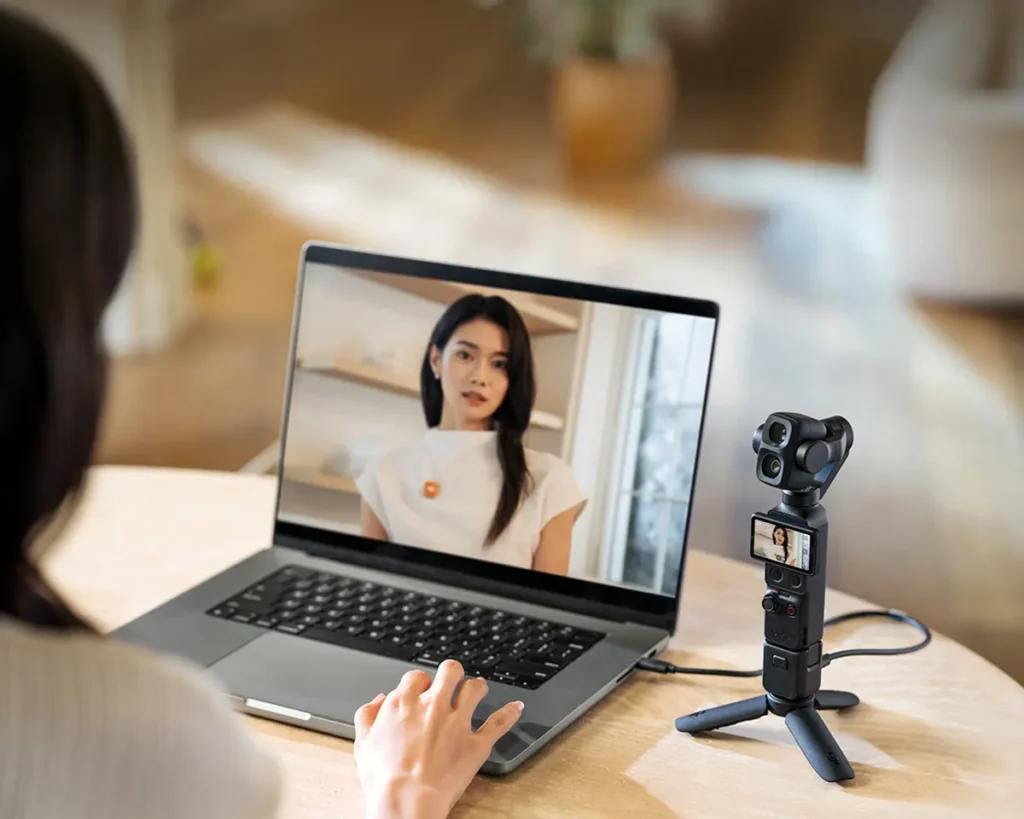
Anyhoo, so yes, the Osmo Pocket 4P [CH] has doubled its eyesight, and what those two eyes see can look pretty spectacular. Leading the charge is a new 1-inch wide-angle camera that squeezes every bit of light and shadow out of a scene with 17 stops of dynamic range and D-Log 2 color. Joining the party is a new 60 mm medium telephoto camera with a bright f/1.8 aperture, serving up naturally creamy background blur that makes your subject stand out without trying too hard.
Of course, DJI did not stop at adding a second camera. Three-axis mechanical stabilization keeps shaky hands from ruining the moment, while ActiveTrack 8.0 continues to play the role of your invisible camera operator. And if regular slow motion is too pedestrian, the Pocket 4P can stretch time with up to 8x super slow motion. Put it all together, and capturing cinematic 4K footage becomes almost unfairly easy.
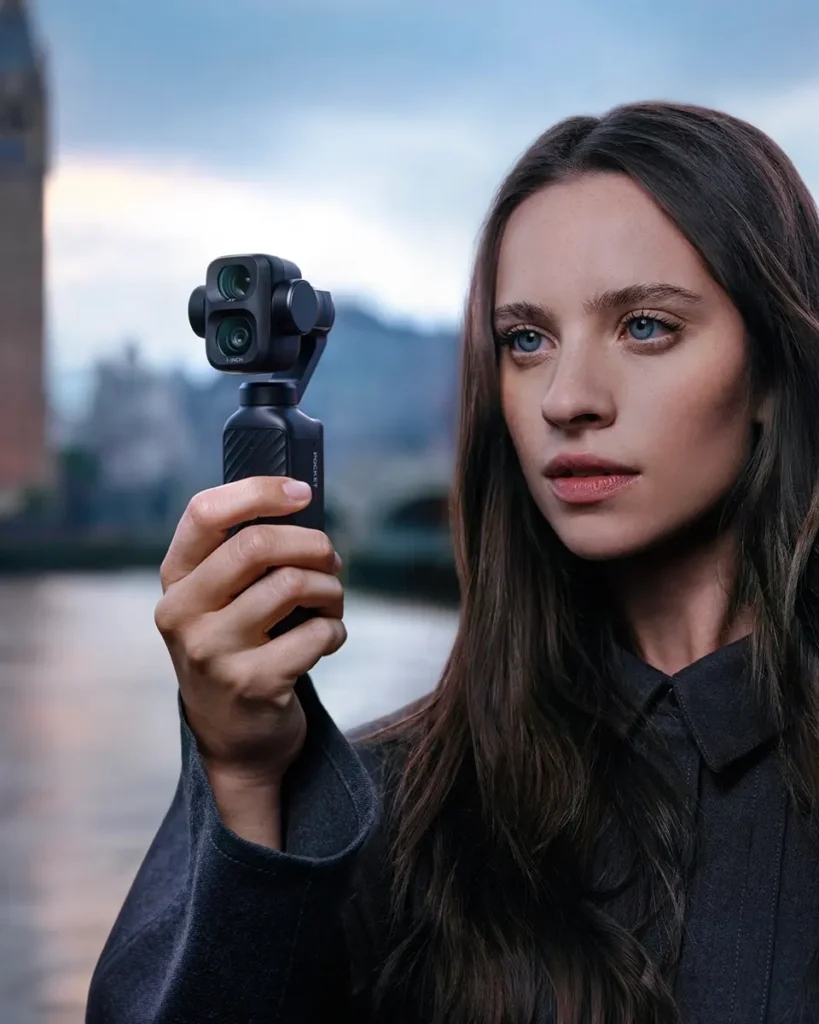
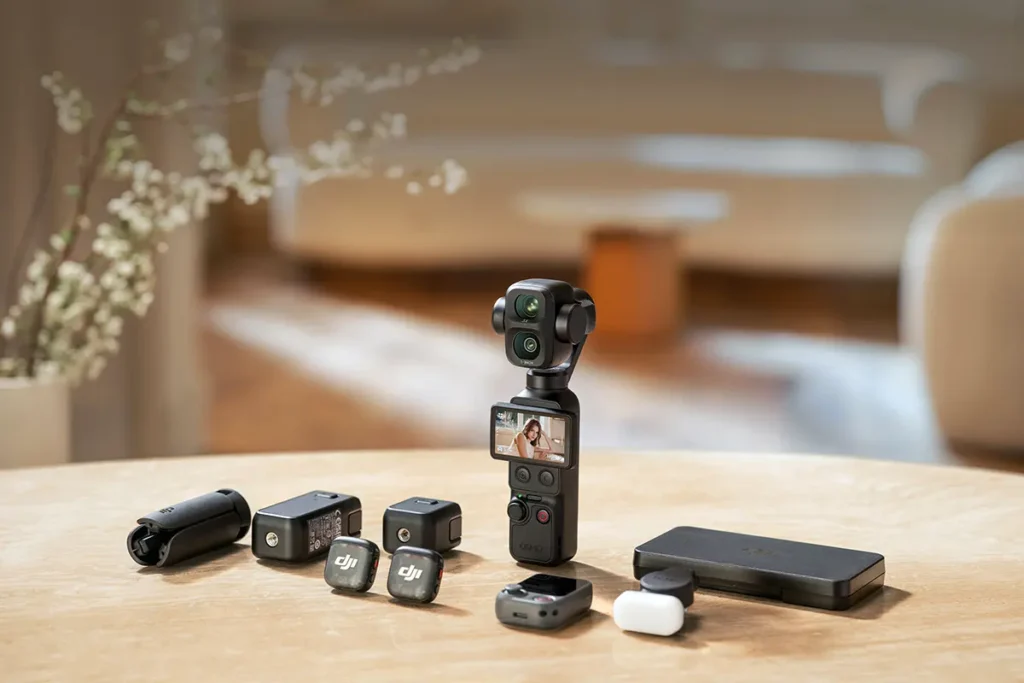
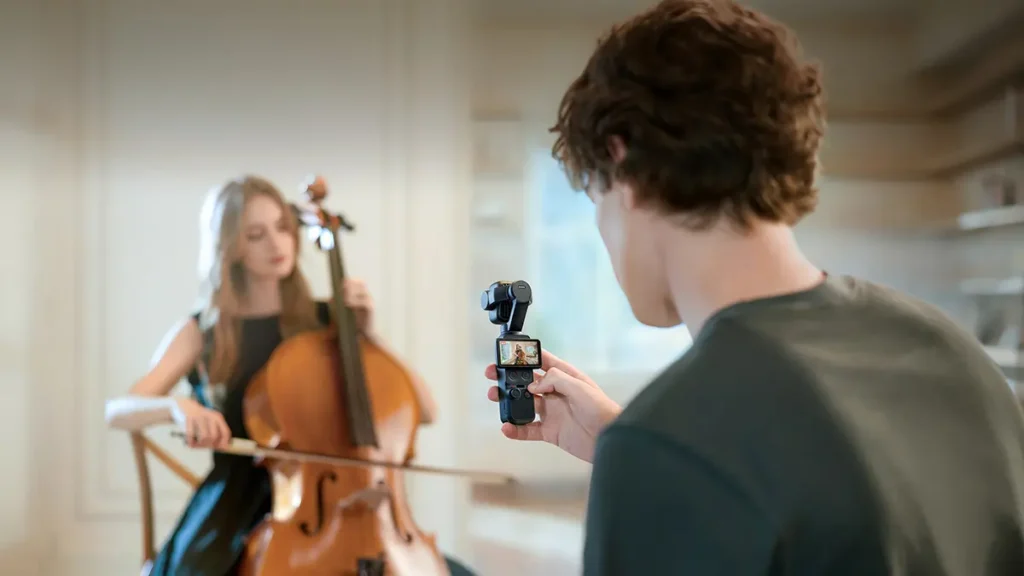
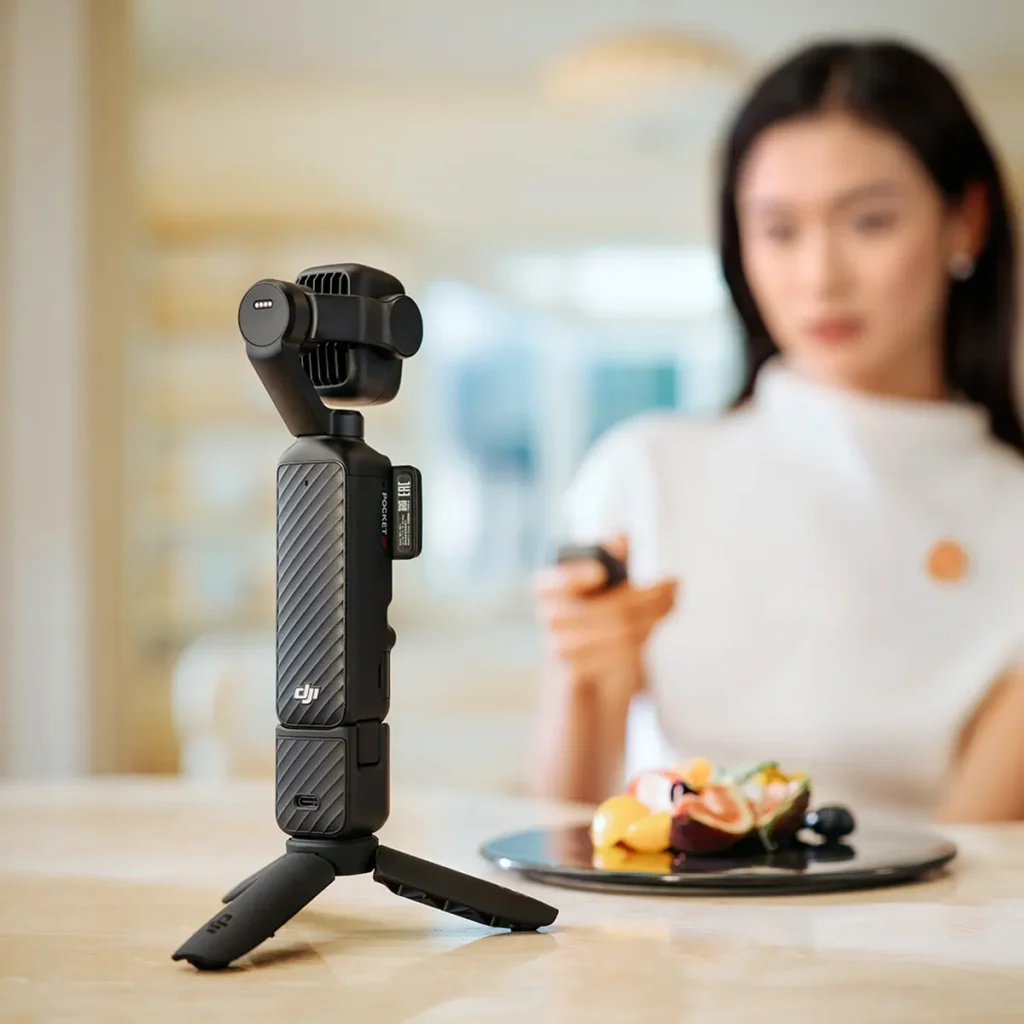
The Pocket 4P itself remains delightfully pocketable. Measuring just 159.5 mm long, 63.3 mm wide, and 33.5 mm thick, and tipping the scales at 230 grams, it is still very much a baby Steadicam you can slip into your pocket. A bright 2-inch touchscreen with 1,000 nits of brightness makes framing easy even under the sun, while three built-in microphones ensure your masterpiece sounds as good as it looks.
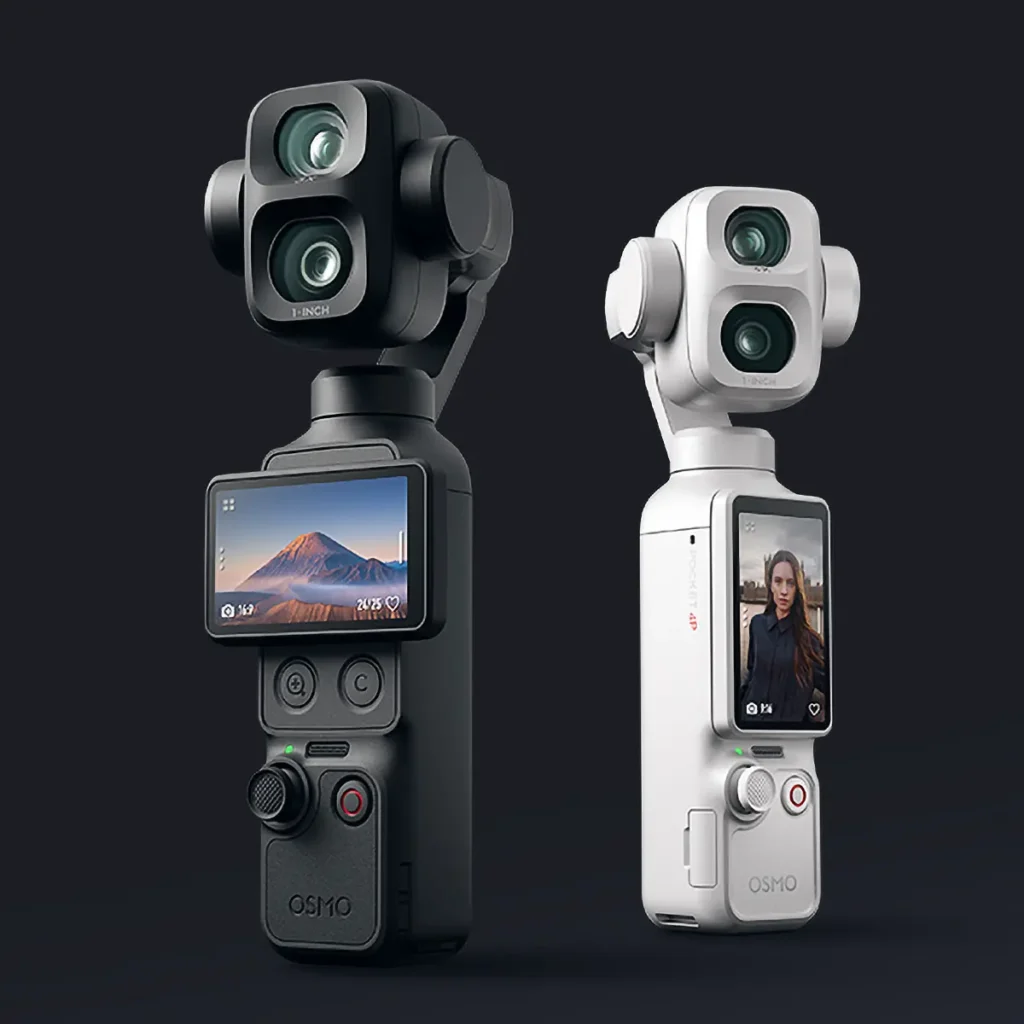
Speaking of looking good, the wide-angle camera uses a 1-inch sensor paired with a 20 mm f/2.0 lens, while the new 60 mm medium telephoto camera packs a large 1/1.28-inch sensor and a bright f/1.8 aperture. Together, they can capture photos of up to 37 megapixels and videos with a bitrate of up to 180 Mbps. There is even 103 GB of built-in storage, plus support for microSD cards of up to 1 TB, so running out of space should be the least of your worries.
Need more speed? Both cameras can shoot 4K slow-motion footage at up to 240 fps. Time-lapse, motion time-lapse, and path time-lapse are all present, with the latter allowing up to four programmable points. There is also a dedicated low-light video mode, which, combined with ISO values reaching as high as 51,200 on the wide-angle camera, should make night scenes less of a challenge.
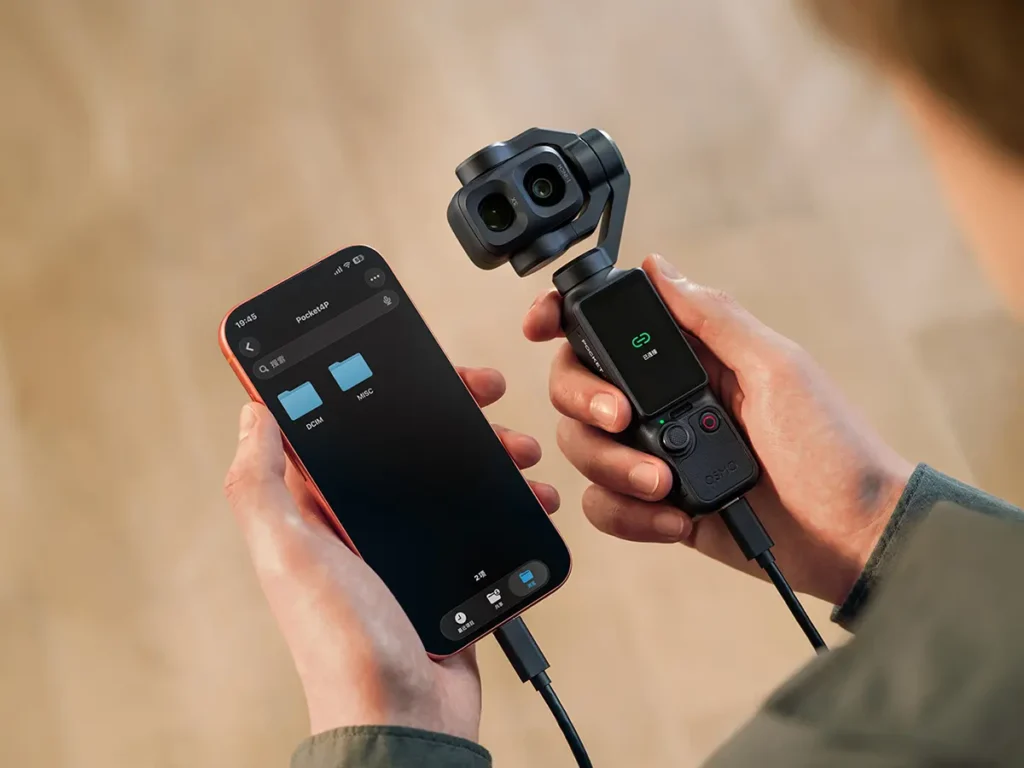
Battery life is pretty respectable too. The built-in 1,545 mAh battery is good for up to 210 minutes of recording, and when it finally runs dry, a DJI 65 W charger can bring it back to 80 percent in just 18 minutes, or to a full charge in 32 minutes. Toss in Wi-Fi 6, Bluetooth 5.4, and support for up to 12x digital zoom, and the Osmo Pocket 4P ends up being a surprisingly capable all-in-one tool for creators on the go.
The DJI Osmo Pocket 4P Gimbal Camera has been launched in China with a starting price of 3,799 yuan [CH] (about US$571 based on the current exchange rate). If you don’t know, that price undercuts the Luna Ultra in China. Word on the street is that Insta360 is responding with a price cut while leaving early adopters to ponder the meaning of loyalty.
Moreover, DJI has reportedly taken Insta360 to court over the Luna Ultra, accusing its rival of borrowing a little too much inspiration from the Osmo Pocket family. Insta360, meanwhile, insists the Luna is the result of years of independent development and has fired back with lawsuits of its own. In other words, the dual-camera gimbal war has officially entered its legal phase. Grab the popcorn. Things are about to get interesting.
Images: DJI [CH].

