If you think a smartphone is sucking your life away, removing you from real life, then perhaps it’s time to go minimalist. Joining the minimal phone revolution, which already includes the Minimal Phone, Light Phone, and more, is the Sidephone.
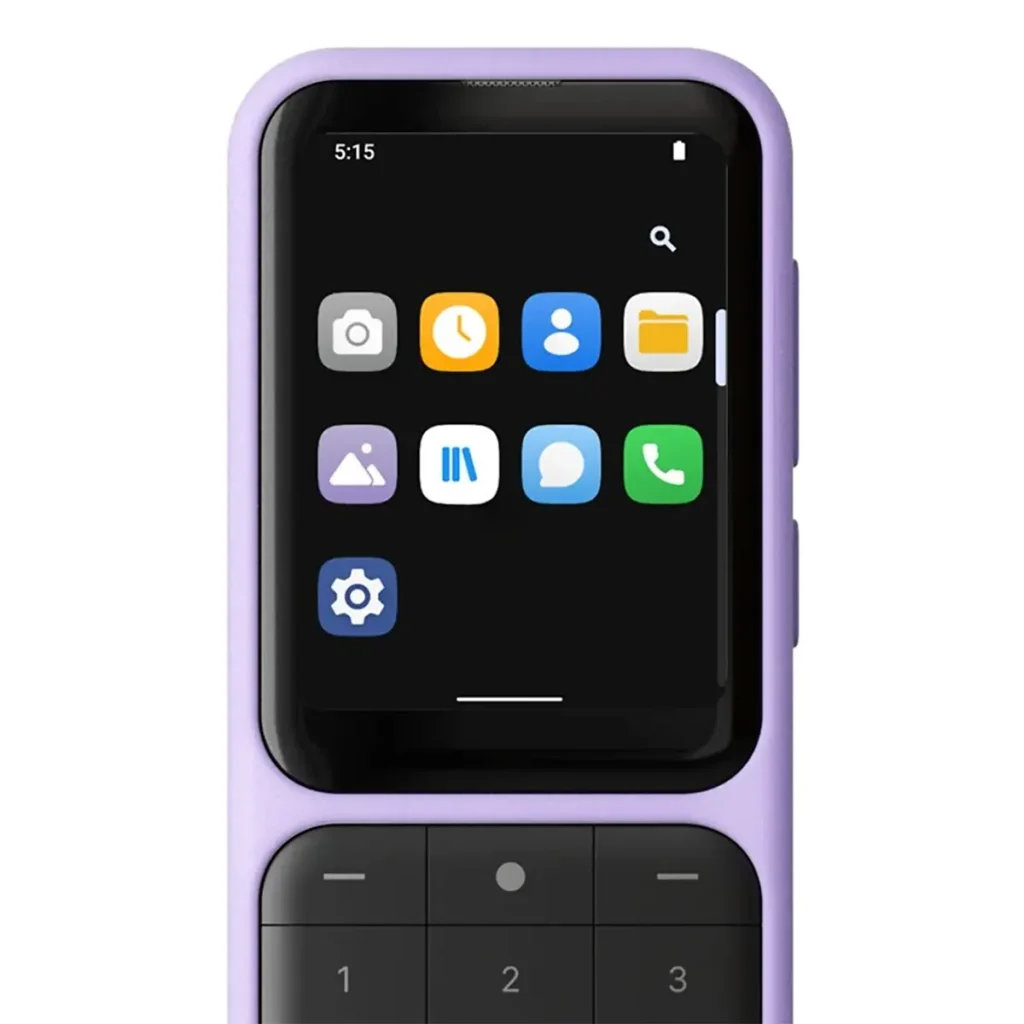
Unlike what its name may suggest, this phone is not a side phone to your actual phone. It is the phone. However, it is unlike others. At a glance, it appears to be a dumb phone, or feature phone. But it isn’t. It is powered by Android, just with a smaller screen intended to discourage you from getting sucked into the digital world.
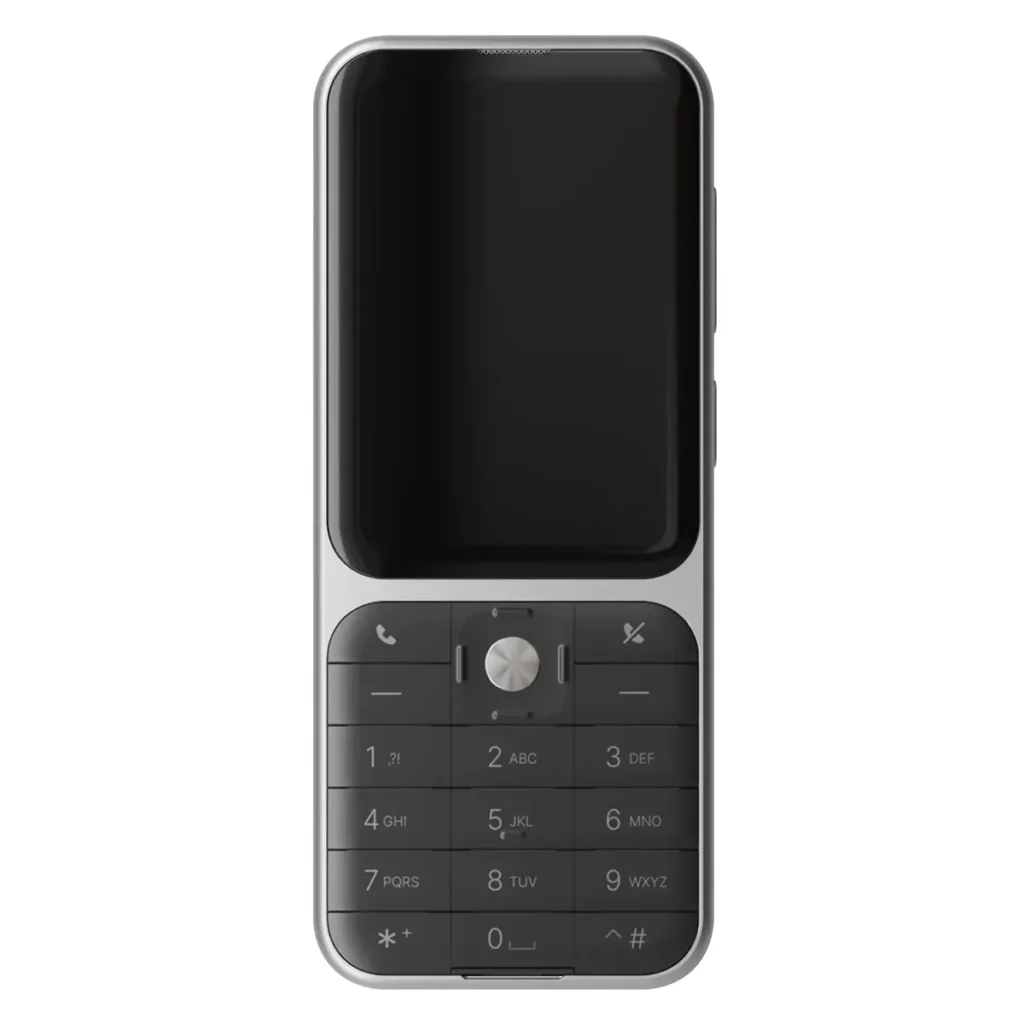
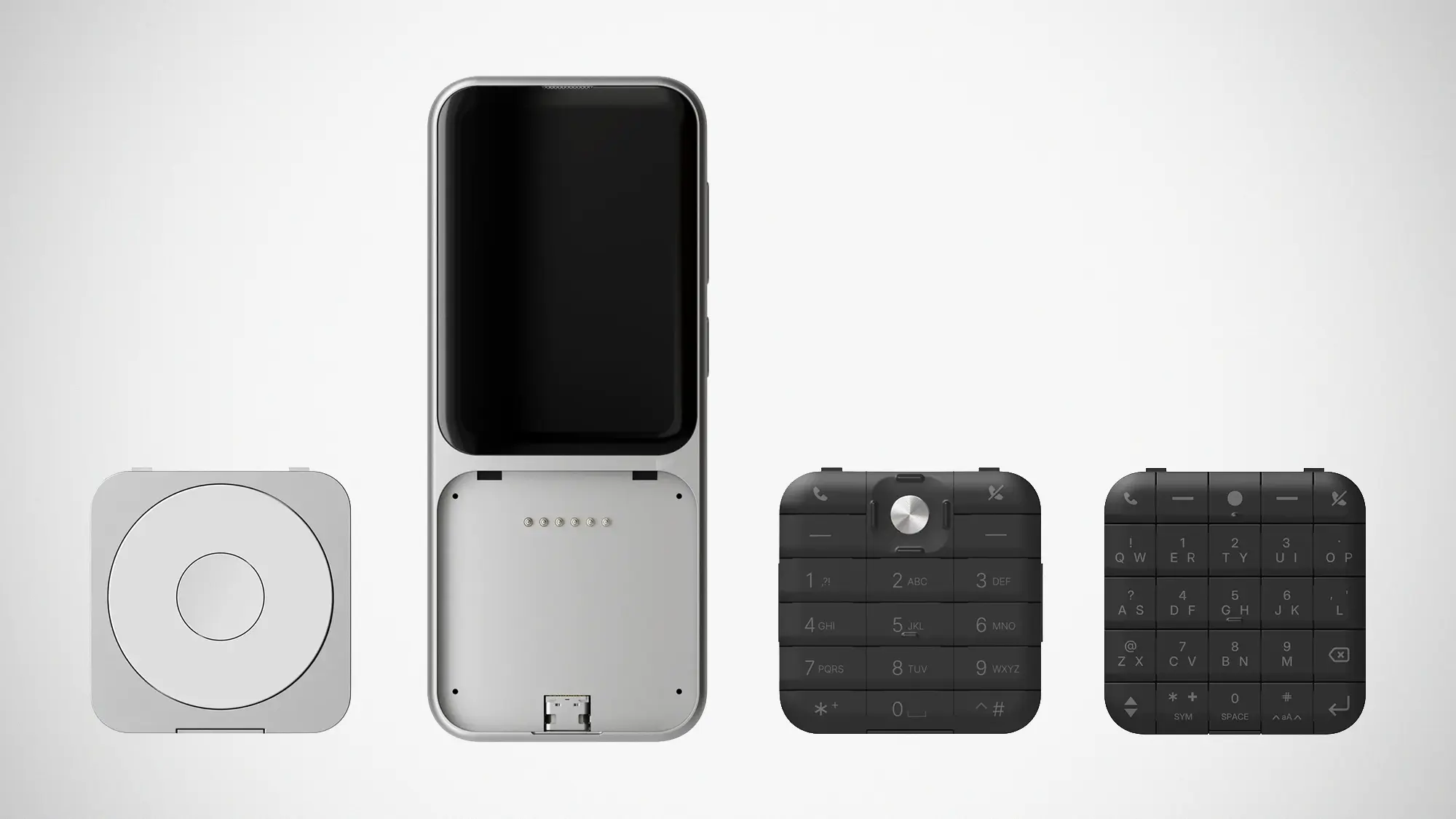
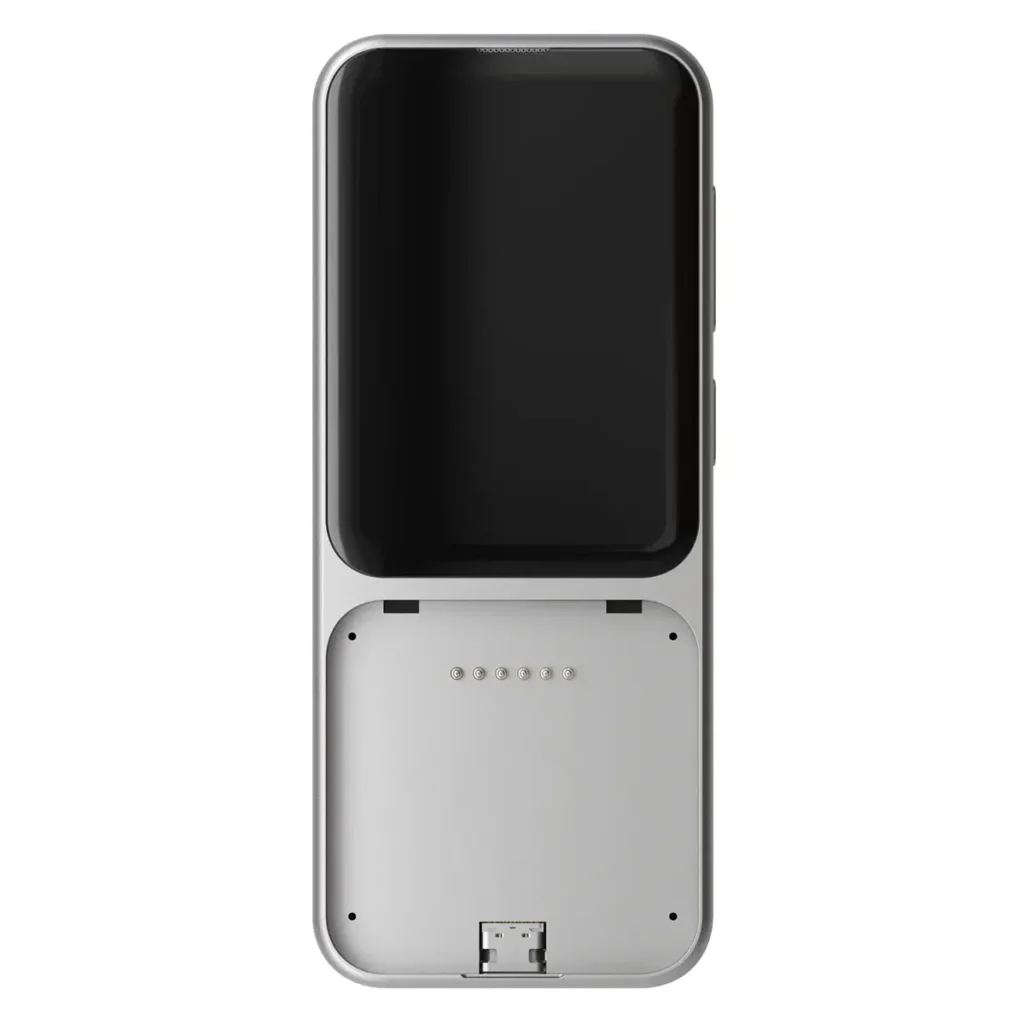
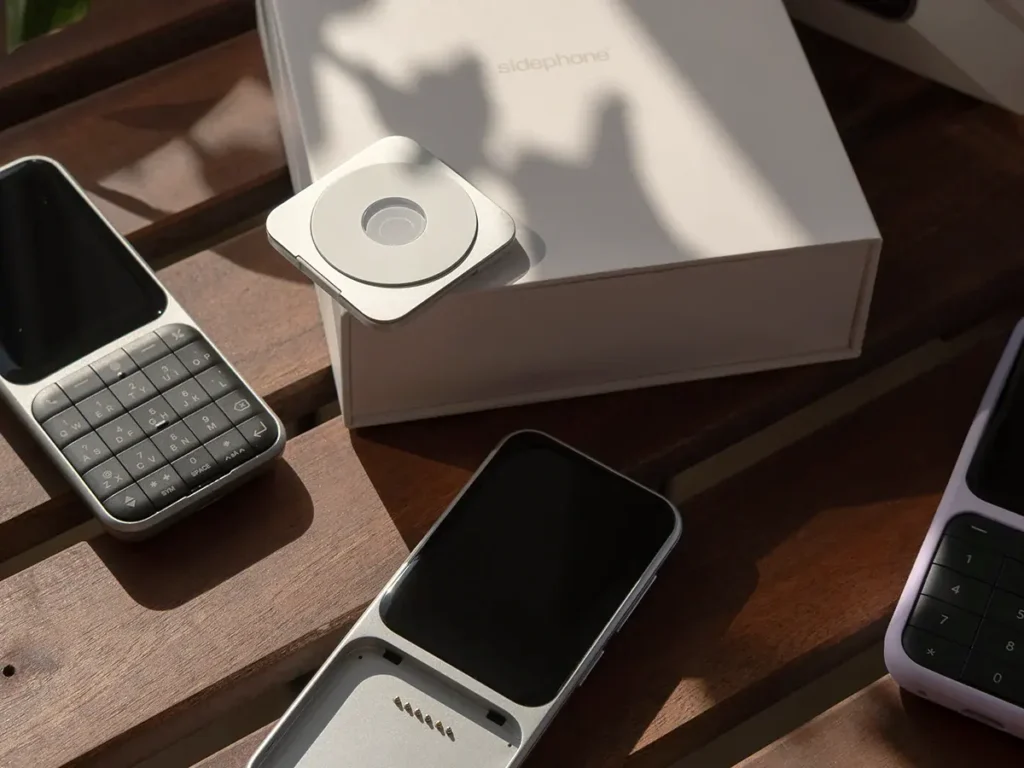
The Sidephone also has a novel feature: modularity. While the 2.8-inch LCD touch display stays put, the bottom half is modular, allowing you to equip it with a classic keypad, a compact QWERTY, a mini controller keypad for playing games, or my personal favorite: a Sundial keypad for controls à la iPod. I think the latter is the coolest module yet.
The Sundial actually uses nine distinct buttons arranged for music control, rather than an iPod-style touch-sensitive wheel for obvious reasons. Meanwhile, the Mini Controller has directional keys, A/X/Y/B buttons, and Start and Select. Its buttons are remappable, too. Going minimalist does not mean throwing customization out the window.
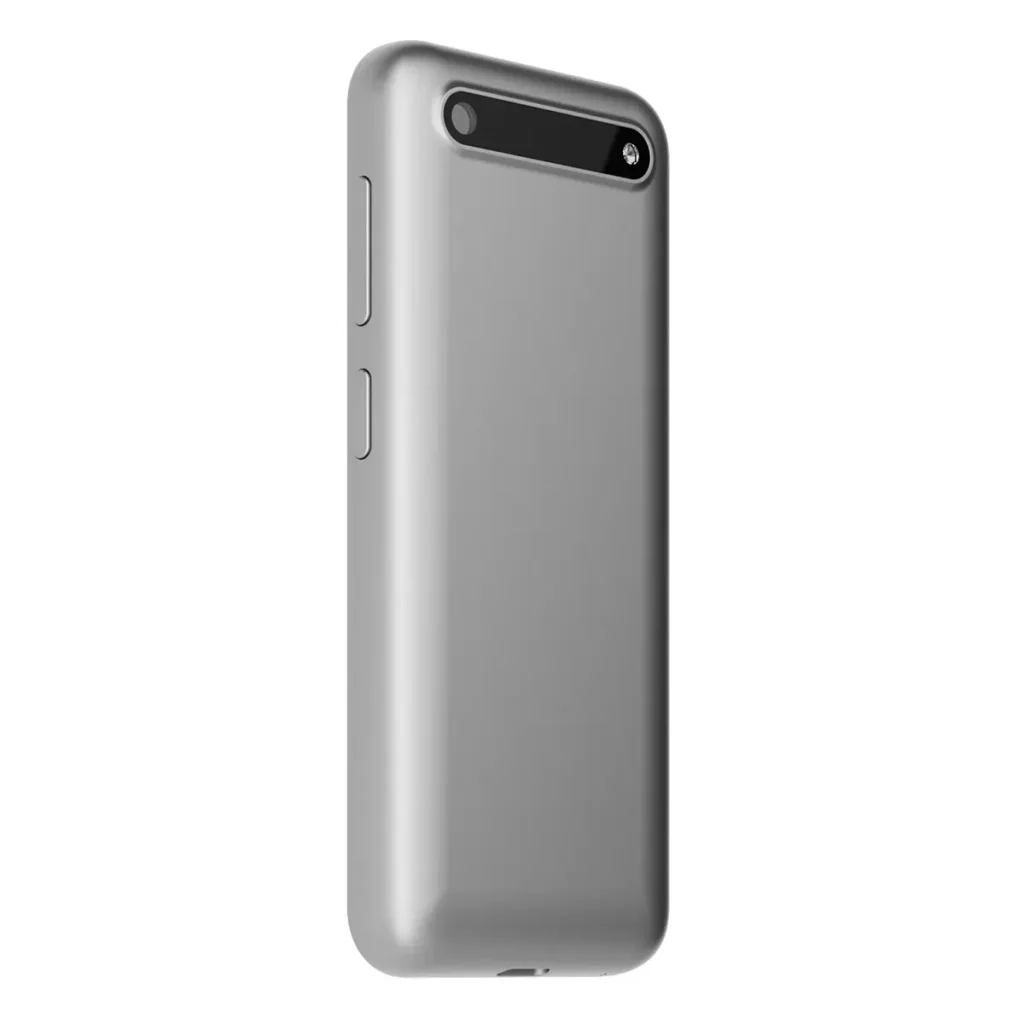
Inside is a MediaTek MT8766 chip, 4 GB of RAM, and 64 GB of storage. The touchscreen has a 480 × 640 resolution, while a rear-only 13 MP Samsung ISOCELL camera handles photography. A non-removable 2,000 mAh battery powers the device, with USB-C charging.
It measures 55 × 128.5 × 13.2 mm (2.17 × 5.06 × 0.52 inches) and weighs 120 grams (4.23 ounces). Connectivity includes 4G LTE with VoLTE, Wi-Fi, Bluetooth 4.2, GPS, and hotspot support. Interestingly, though, it has no headphone jack. The minimalism is a little over, because it does not even have NFC, an microSD slot, and it does not support eSIM, which is the future of cellular technology.
The software is a customized version of Android 12 without Google services or the Play Store. It starts with basic apps, but you can add compatible software through its App Library and App Packs, or sideload it. Maps, WhatsApp, and other useful tools are available, so simplifying your phone doesn’t have to mean abandoning navigation or your group chats.
Sidephone costs US$299 with the Classic Keypad included. Additional keypads cost US$29 each. The US model requires a physical SIM and supports T-Mobile and compatible carriers using its network. Finally, a phone can get back to being a phone
—well, that’s only if you choose to.
Images: Sidephone.