
An Audi with a turbocharged engine depends on a properly functioning air intake and boost system to deliver smooth acceleration and reliable performance. When the vehicle starts losing power, hesitating, or making unusual noises, the turbocharger may seem like the obvious cause. However, a leak in the boost system can create very similar symptoms.

The turbocharger works with several connected components, including charge pipes, intercoolers, hoses, valves, and pressure sensors. A fault in any of these parts can affect how much compressed air reaches the engine, making accurate diagnosis important.
To distinguish between these problems, technicians need to determine whether the turbocharger is failing to produce pressure or whether compressed air is escaping before reaching the engine. Proper Audi turbo boost leak diagnosis helps identify the actual fault and prevents unnecessary replacement of expensive components.
Understanding the Difference
Signs of a Boost Leak
A boost leak occurs when compressed air escapes through a damaged hose, loose connection, cracked intercooler, or faulty seal. The turbocharger may still produce pressure, but the engine does not receive the expected amount.
Common warning signs include:
- Hissing or whistling sounds during acceleration.
- Weak acceleration, especially when driving uphill or overtaking.
- Delayed throttle response.
- Increased fuel consumption.
- Check engine light or an underboost fault code, such as P0299.
A boost leak may be more noticeable when the engine is under load because that is when the turbocharger builds greater pressure.
Signs of a Turbocharger Problem
A failing turbocharger can also cause reduced engine power, but additional symptoms may help identify mechanical damage.
Watch for excessive blue or gray exhaust smoke, unusual whining or grinding noises, increased oil consumption, and persistent loss of boost. Damaged compressor components, worn bearings, or lubrication problems may contribute to these symptoms.
However, none of these signs alone confirms turbocharger failure. Faulty boost-control components, sensors, and intake leaks can produce similar problems.
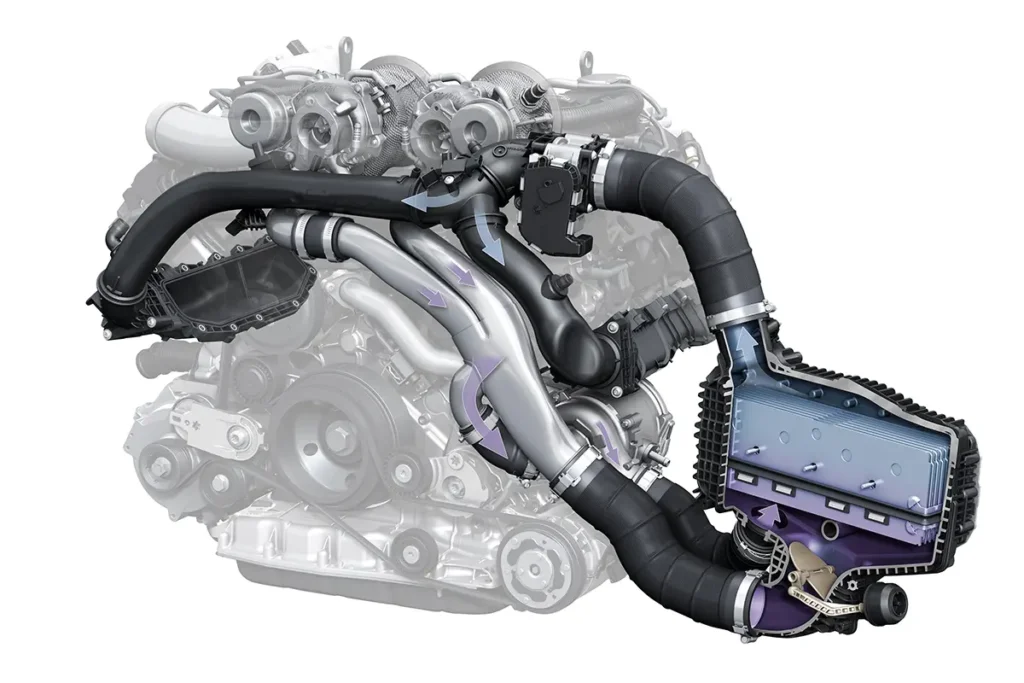
Why Accurate Diagnosis Matters
Replacing the turbocharger without checking the surrounding system can lead to unnecessary expenses. Audi’s technical guidance for underboost faults identifies possible causes such as leaking intake connections, faulty diverter valves, wastegate problems, and pressure sensor issues before turbo replacement is considered.
A proper Audi turbo boost leak diagnosis should therefore examine the entire pressure system rather than focus on one component.
Practical Steps to Identify the Problem
- Check for warning lights: Scan the vehicle for stored diagnostic trouble codes and review the conditions under which they appeared.
- Inspect intake connections: Look for cracked hoses, loose clamps, damaged seals, and oil residue around charge-pipe joints.
- Test the boost system: A controlled pressure test can reveal escaping air from connections or intercooler components.
- Review live boost data: Compare requested and actual boost pressure to determine whether the engine is receiving the expected pressure.
- Inspect the turbocharger: If leaks and control-related faults are ruled out, examine the turbo for shaft damage, excessive play, or other mechanical problems.
When Should You Seek Professional Help?
Arrange an inspection if your Audi repeatedly loses power, enters limp mode, produces unusual turbo noises, or displays a check engine warning. Avoid pushing the engine under heavy acceleration until the cause is identified.
Early diagnosis can prevent a relatively simple hose or valve problem from developing into a more expensive repair.
Key Takeaways
- A boost leak allows compressed air to escape before reaching the engine.
- A failing turbocharger may produce unusual noises, smoke, and persistent power loss.
- Both problems can cause underboost codes and weak acceleration.
- Pressure testing helps locate leaks in hoses and intercooler connections.
- Comparing requested and actual boost pressure supports accurate diagnosis.
- Confirm the root cause before replacing the turbocharger.
Disclaimer: This article is intended for general informational purposes only and should not be considered a substitute for professional automotive diagnosis or repair advice. Diagnostic procedures and specifications may vary depending on the vehicle model and engine configuration. Always consult a qualified automotive technician for accurate diagnosis and appropriate repairs.