In today’s fast-paced world, finding a peaceful retreat within the walls of your home has become more than a luxury—it’s a necessity. Crafting a sanctuary that fosters mindfulness and tranquility can significantly enhance your overall well-being. Here’s a guide to creating a space that nurtures peace, with thoughtful touches that reflect both tradition and modern sensibilities.
Start with Intention
Before diving into home decor and furnishings, take a moment to reflect on what peace means to you. Is it a clutter-free environment? A room filled with natural light? Or perhaps the calming aroma of familiar scents? Defining your intentions sets the foundation for the changes you’re about to make.
For centuries, rituals have played a significant role in promoting inner peace. Whether it’s lighting church incense to signify the beginning of a meditative moment or placing a symbolic item like a family heirloom in a special corner, incorporating meaningful traditions can anchor your sanctuary in mindfulness.
Decluttering: The First Step to Serenity
A serene environment begins with decluttering. Remove items that no longer serve a purpose or bring joy. This minimalist approach not only clears physical space but also helps declutter the mind.
Once your space is free of unnecessary distractions, focus on organizing it in a way that feels intuitive. You might choose to keep a few cherished objects, such as artwork or a small collection of handcrafted items, to add personality without overwhelming the space.
Choosing Colors That Calm
Colors have a profound impact on mood. Soft hues like pastels, earth tones, and neutrals are often associated with relaxation. Consider shades of beige, sage green, or soft blues for walls and furnishings. These colors can evoke a sense of calm and help you feel grounded.
Adding textures, such as woven rugs or linen curtains, can further enhance the sense of comfort in your space. These tactile elements invite you to slow down and engage with your surroundings.
Bringing Nature Indoors
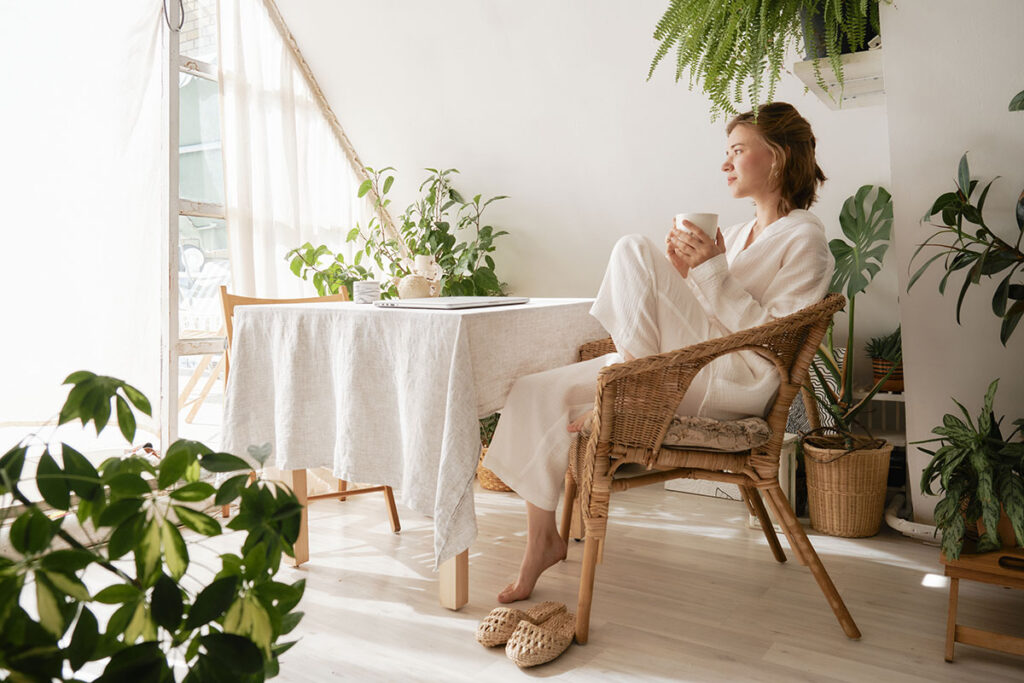
Introducing elements of nature into your home can instantly create a more tranquil atmosphere. Houseplants, for instance, are not only visually pleasing but also improve air quality. Popular choices like peace lilies, succulents, and ferns require minimal maintenance while adding a touch of greenery.
If you’re short on space, consider smaller touches, such as a vase of fresh flowers or a bowl of smooth river stones. These natural elements can serve as simple reminders of the beauty and harmony found in the outdoors.
Curating a Scented Space
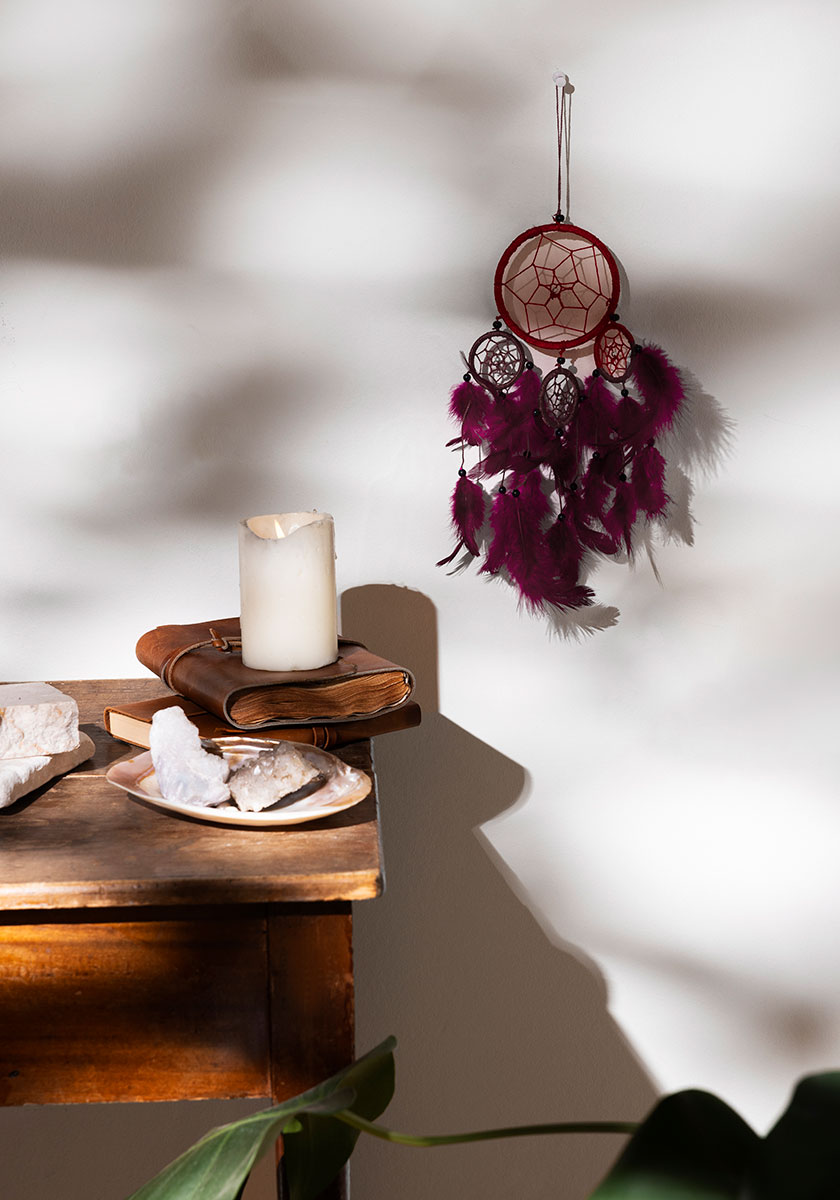
Aromas have a unique ability to influence emotions. Incorporating scents into your sanctuary can elevate the ambiance and promote relaxation. While candles and essential oil diffusers are popular options, consider exploring traditional methods like burning church incense.
The use of incense has been cherished for centuries, particularly in places of worship and homes seeking a spiritual connection. Its gentle fragrance can help center your thoughts and make your space feel sacred. Choose scents like sandalwood, myrrh, or frankincense for their grounding and calming effects.
The Role of Lighting
Lighting plays a crucial role in setting the tone of a room. Opt for warm, soft lighting to create a cozy and inviting atmosphere. Dimmer switches can be a versatile addition, allowing you to adjust the brightness to suit your mood.
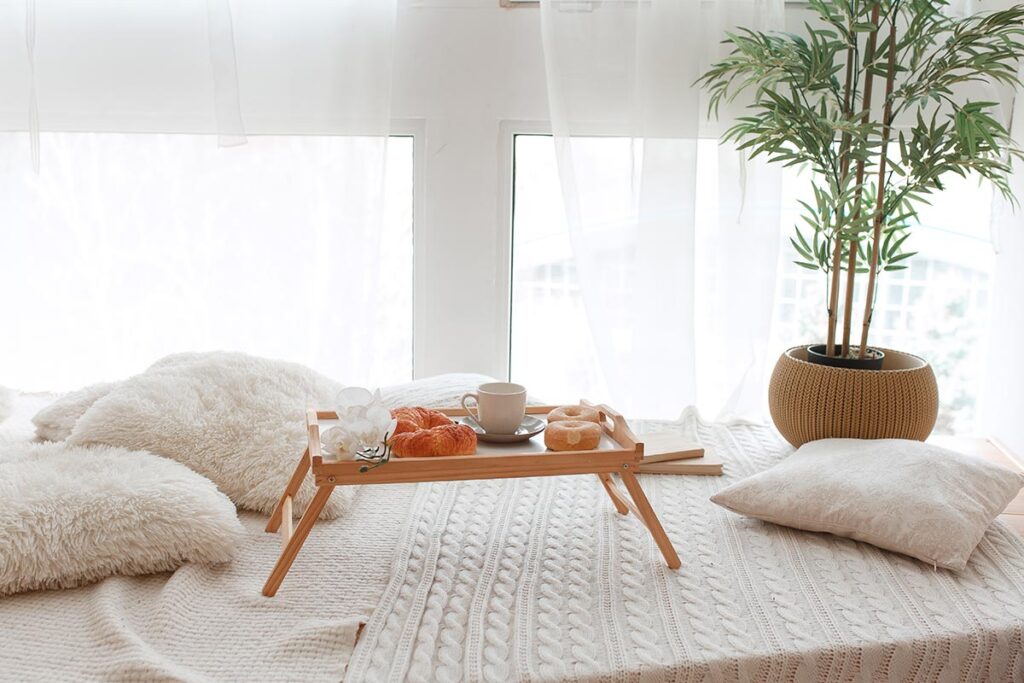
Natural light is equally important. If possible, position furniture to maximize the use of sunlight during the day. Sheer curtains can filter harsh rays while still allowing light to fill the room.
Incorporating Mindful Practices
Your home sanctuary isn’t just about aesthetics—it’s also a space for mindful practices that rejuvenate your spirit. Dedicate a corner of your home to activities such as yoga, meditation, or reading. A comfortable chair, a soft rug, and a few cushions can transform a simple corner into a haven for introspection.
For those who value tradition, incorporating elements like orthodox crosses into your decor can serve as daily reminders of faith and mindfulness. Placed in a thoughtful location, these symbols can enhance the spiritual energy of your sanctuary.
Personalizing Your Space
Finally, make your sanctuary uniquely yours by adding personal touches. Display photographs, meaningful artwork, or objects that hold sentimental value. These items not only make your space feel more personal but also serve as reminders of your journey toward mindfulness.
Music can also play a role in creating a peaceful environment. Curate a playlist of calming tunes or nature sounds to complement the serene atmosphere of your home.
The Ripple Effect of a Peaceful Sanctuary
Creating a peaceful home sanctuary goes beyond improving your immediate environment; it impacts your overall quality of life. A serene space can help you start and end your day on a positive note, improve focus, and promote emotional well-being.
Incorporating elements like natural light, soothing scents, and meaningful traditions—whether it’s lighting church incense or displaying orthodox crosses—can help you connect with your surroundings on a deeper level. These small yet significant choices make your sanctuary a true reflection of your inner peace.
By intentionally designing a home sanctuary that aligns with your values and needs, you create a space that not only looks beautiful but also nurtures your mind and spirit. In a world that often feels overwhelming, having a tranquil retreat is a gift you give to yourself—and one that keeps on giving.