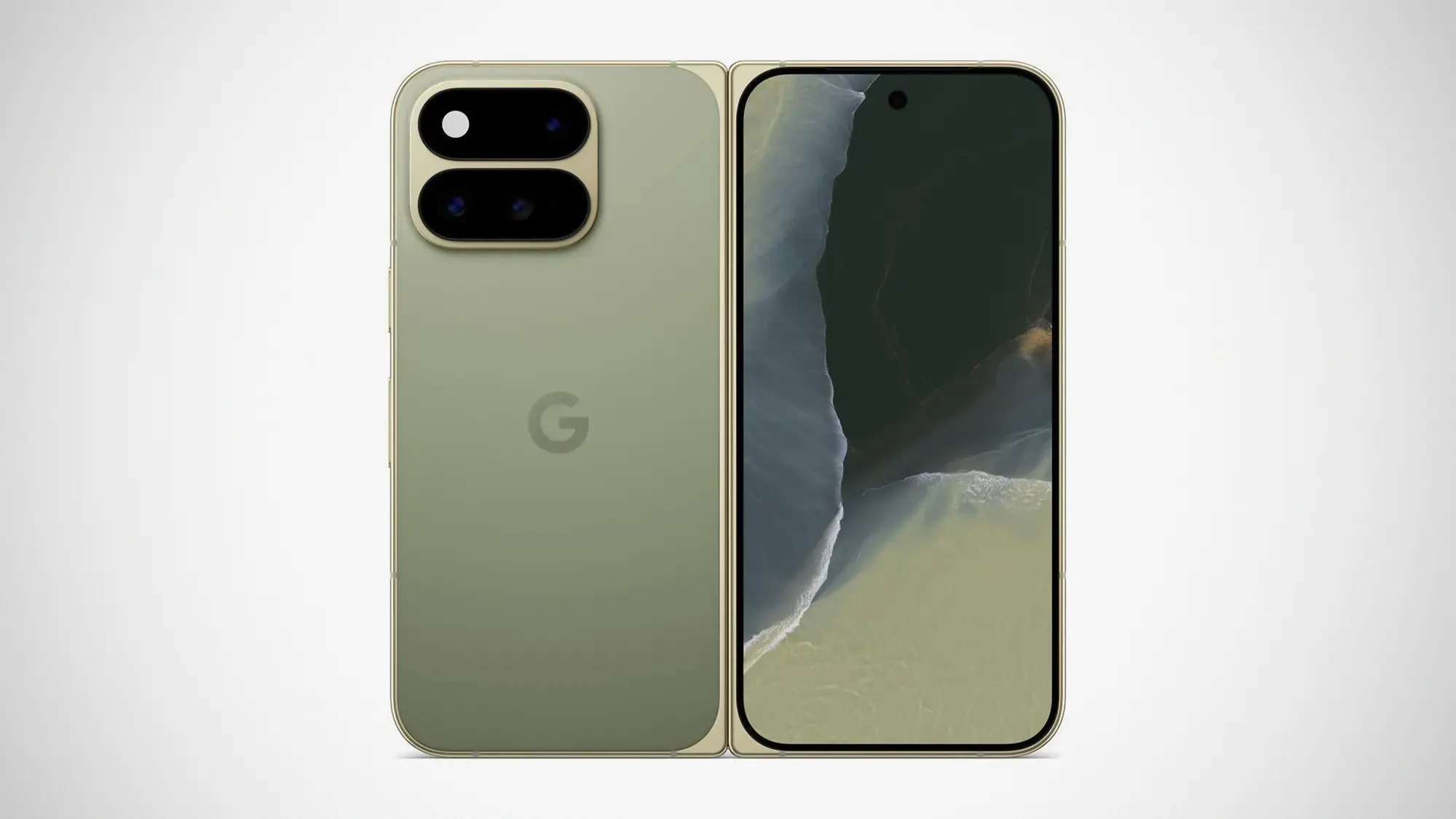
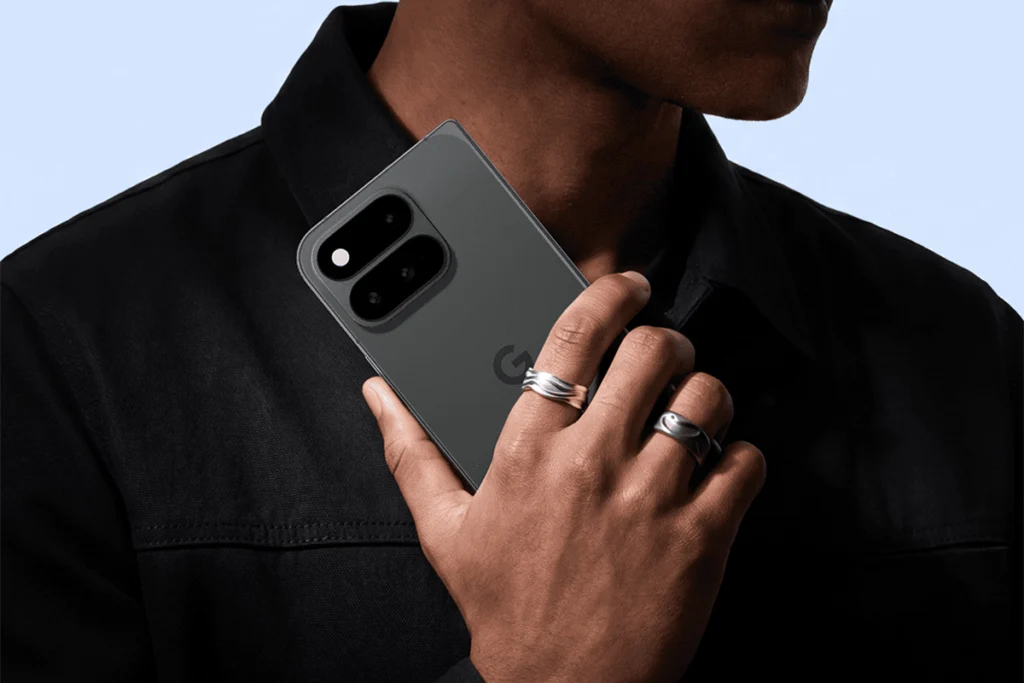
And then there is, of course, the Google Pixel 11 Pro Fold. To be honest, I was half-expecting Google to revert to the OG Pixel Fold‘s passport-style aspect ratio that has become fashionable since the Huawei Pura X Max helped make it a thing. But it did not. The new Pixel 11 Pro Fold retains the candy bar-like proportions popularized by Samsung’s Galaxy Z Fold series.
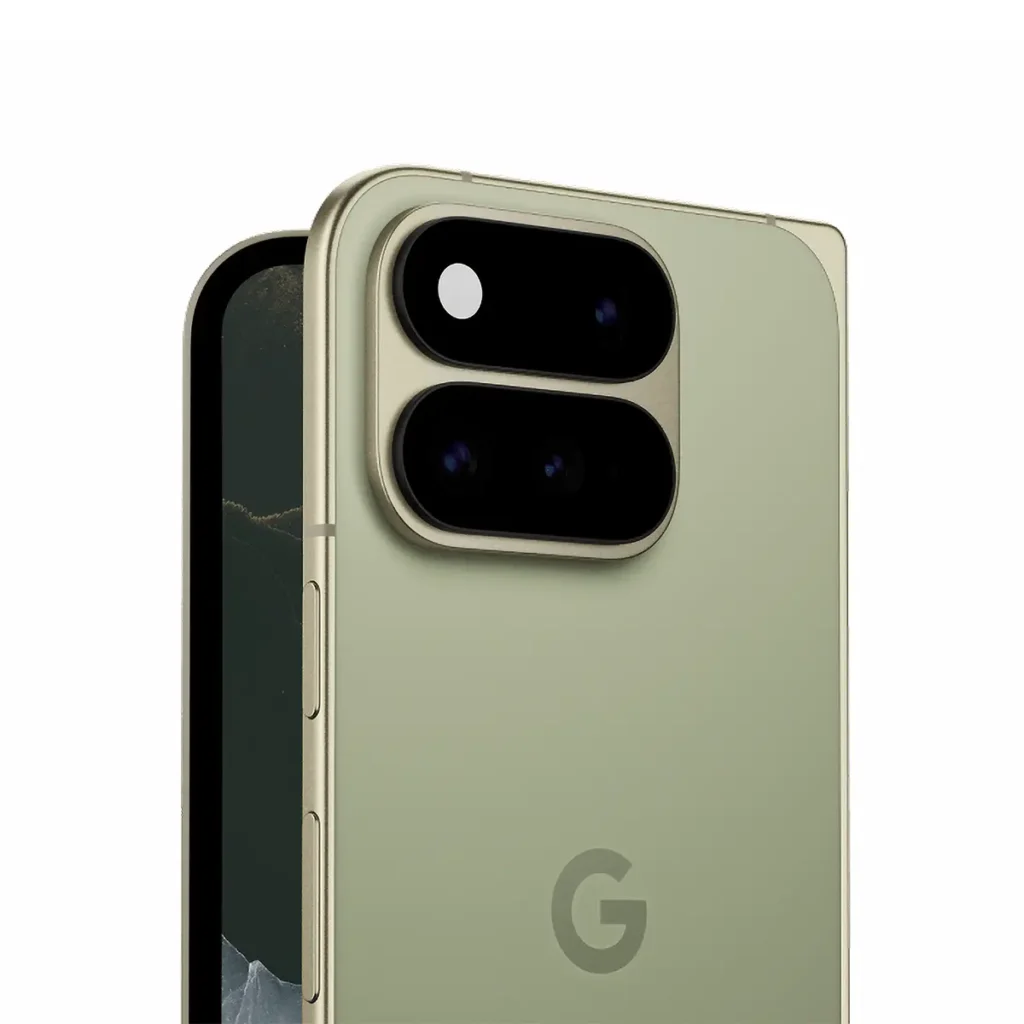
Perhaps Google has kept “Pro” in the Fold’s name all these years to leave its options open without creating the naming confusion Samsung did with the new Galaxy Z Fold8. If Google eventually launches a more powerful passport-style model, it could call it the Max Fold or Ultra Fold. If it produces a watered-down version, there is always the plain Pixel 11 Fold. Well, well, well. Look at me, organizing Google’s future product lineup for free. Lol!
Enough speculation. Back to the new foldable from the search-engine juggernaut. Google’s latest Fold is thinner, lighter, brighter, and supposedly three times more durable than its predecessor.
Closed, it presents a 6.5-inch Super Actua OLED display with a 1,080 x 2,342 resolution. Unfold it to reveal an 8-inch Super Actua Flex OLED measuring 2,076 x 2,152 pixels. Both panels offer adaptive 1–120 Hz refresh rates and peak at 3,600 nits, so squinting at an expensive foldable under sunlight should be less necessary.
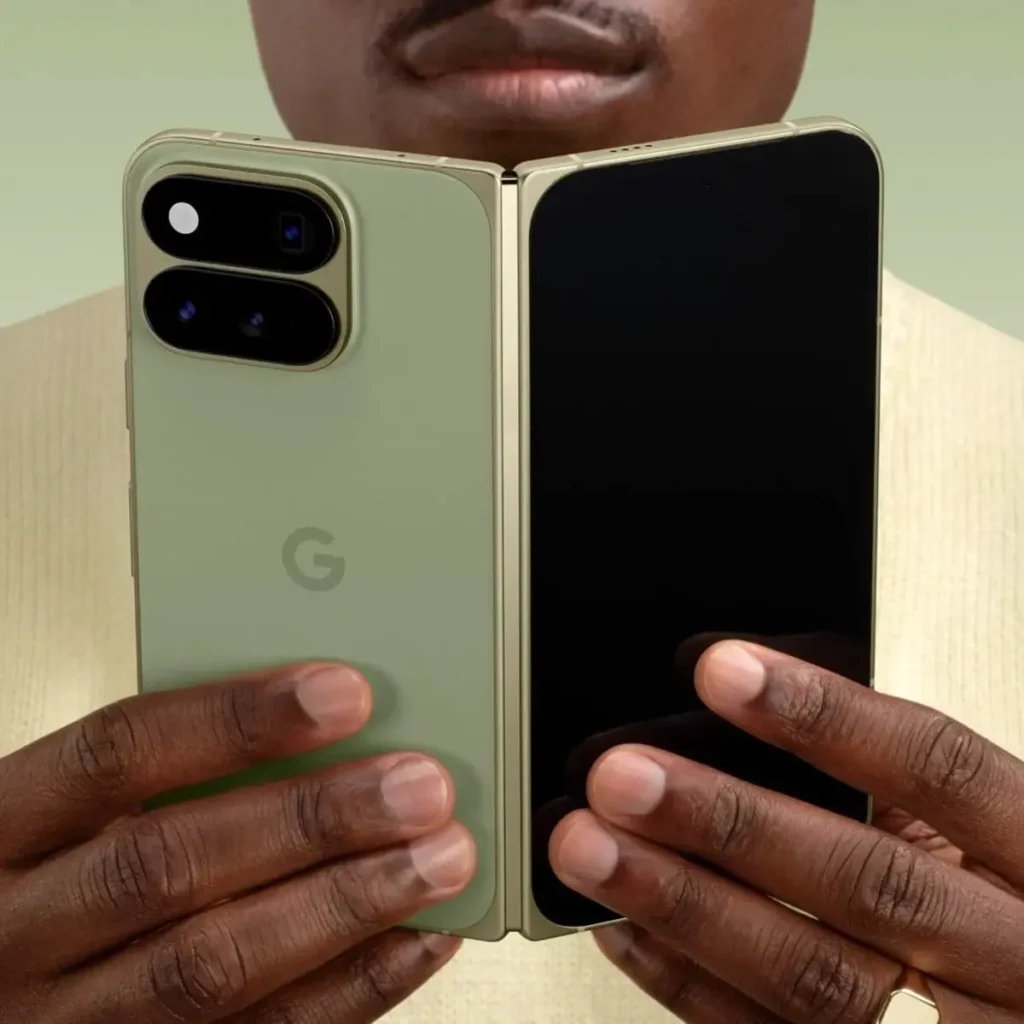
The device measures 155.2 x 76 x 10.1 mm (6.1 x 3 x 0.4 inches) when folded and becomes 5 mm (0.2 inches) thick when opened. At 239 g (8.4 oz), it remains substantial, but Google says it is nearly 10% lighter and around 1 mm thinner than the Pixel 10 Pro Fold.
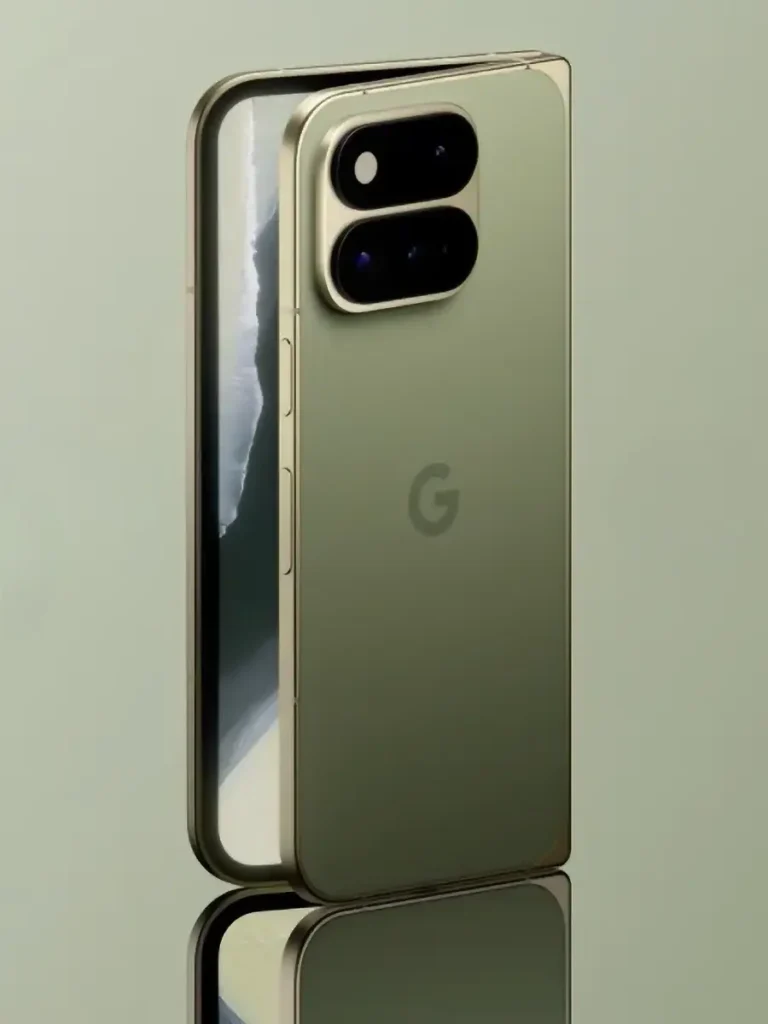
Durability improvements include a gearless hinge, thicker inner glass, a larger bend radius, ceramic cover glass, and a crack-resistant glass-fiber composite rear panel. It also carries an IP68 rating, which is welcome when the phone costs about as much as a respectable used car in certain parts of the world.
Inside are the Tensor G6 processor, Titan M3 security chip, 16 GB of RAM, and 256 GB, 512 GB, or 1 TB of storage. Android 17 comes installed, accompanied by seven years of OS, security, and Pixel Drop updates.
The triple-camera arrangement combines a 48 MP main camera, 10.5 MP ultrawide with Macro Focus, and 10.8 MP telephoto with 5x optical zoom and up to 30x Super Zoom. Separate 10 MP cameras sit above the outer and folding displays. Camera features include Magic Capture, Camera Looks, Camera Coach, tabletop shooting, Dual Screen Preview, Rear Camera Selfie, and Made You Look.
Google has also put the folding hardware to practical use with sign-to-text translation. Users can sign in American Sign Language toward the front camera while translated text appears on the outer display. Multitasking apps can also be minimized into floating bubbles for quick retrieval.
The 4,806 mAh battery is rated for more than 24 hours. Wired charging reaches 50% in around 30 minutes with a suitable 30 W charger, while Pixelsnap supplies up to 25 W Qi2.2 wireless charging. HiLight notifications, Wi-Fi 7, Bluetooth 6, Ultra-Wideband, NFC, Satellite SOS, stereo speakers, and face and fingerprint unlocking round out the hardware.
Offered in Olive and Obsidian, the Pixel 11 Pro Fold goes on sale August 20, starting at US$1,899. And yes, the starting price is 100 bucks more than its predecessor. Folding the phone is easy. Folding that figure into the household budget may require greater flexibility. Just saying…
Images: Google.

