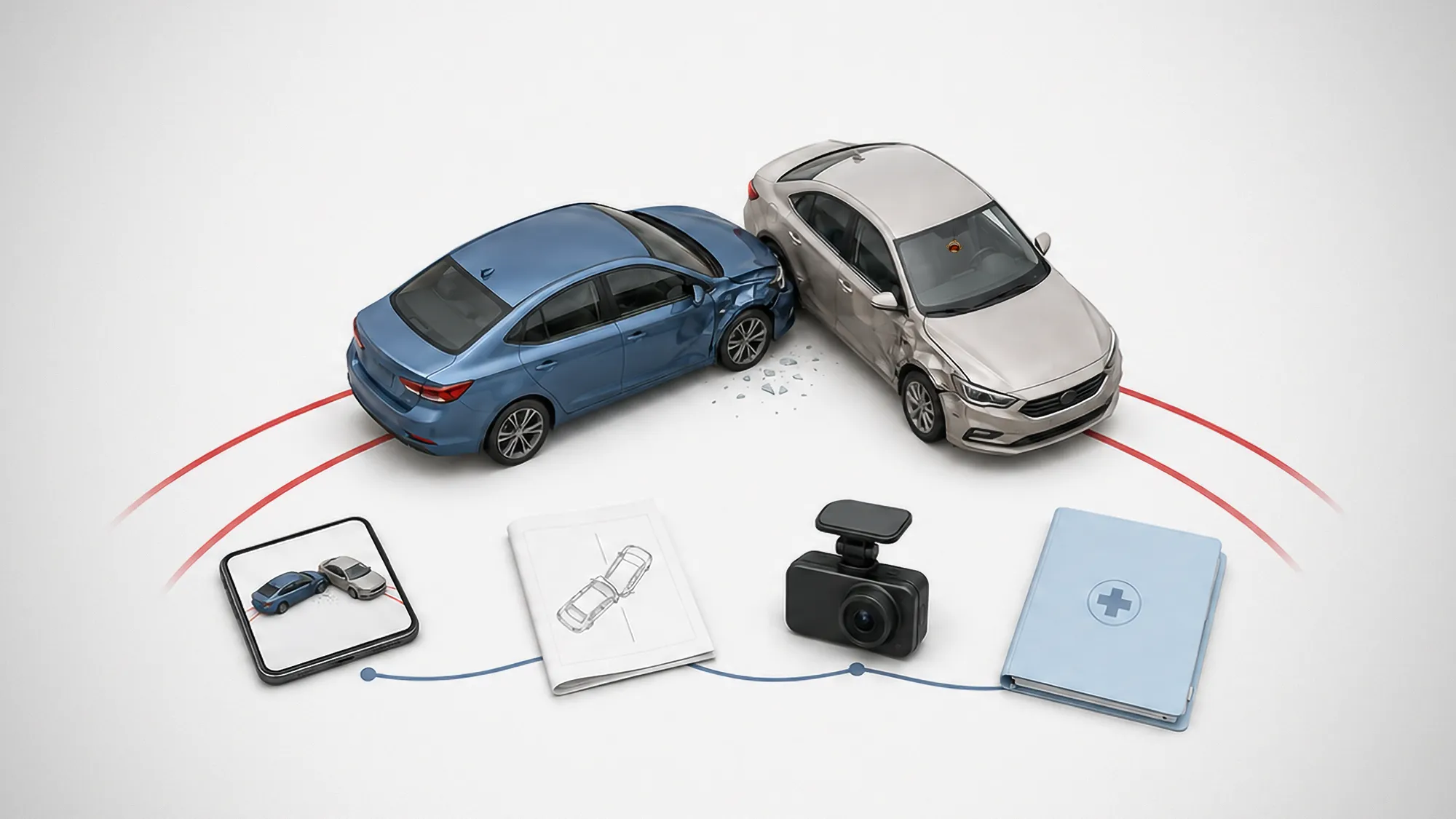
Florida’s extensive highway system, busy city streets, and steady flow of residents and visitors make driving an essential part of everyday life across the state. While millions of trips are completed each year safely, a single collision can leave injured individuals facing medical treatment, financial uncertainty, and difficult questions about their legal rights. In the days and weeks that follow an accident, determining who was responsible is often one of the most important factors in pursuing a successful injury claim.
Establishing fault requires more than simply explaining what happened—it involves gathering reliable evidence, preserving important records, and presenting a clear picture of how the collision occurred and the harm that followed. Understanding the process of seeking compensation after a car crash can help accident victims make informed decisions while protecting their interests from the outset. With experienced legal guidance and a well-prepared claim, injured individuals can pursue accountability while focusing on their recovery and future stability.
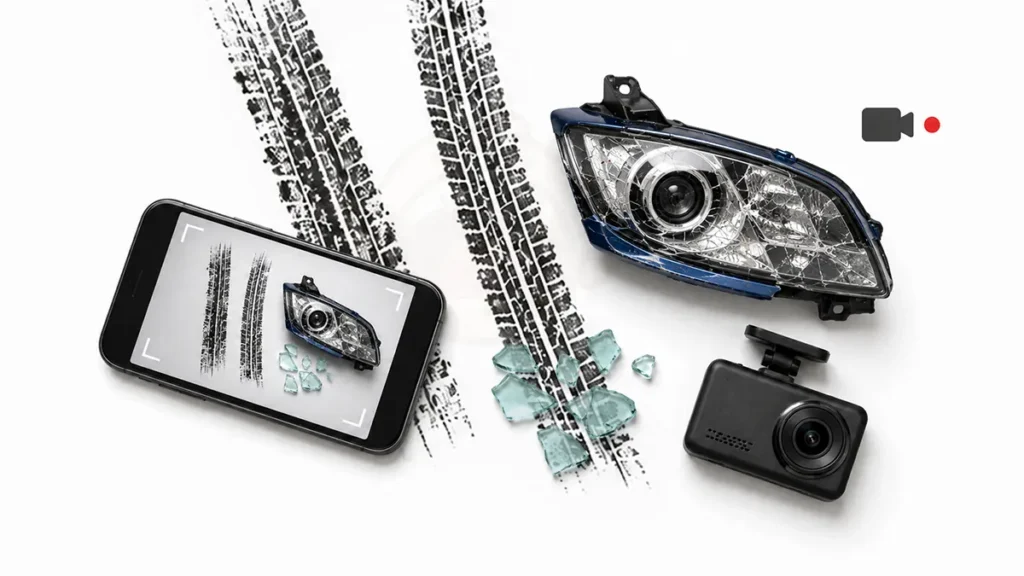
Start With Scene Evidence
At the scene, details disappear fast. Skid marks are washed away, glass is swept aside, and vehicles are towed. A person seeking compensation after an accident must do the following immediately: obtain dated photos, seek repair records, and collate notes about traffic conditions and signal lights. Early proof often explains impact force, lane position, and visibility before memory or cleanup changes the picture.
Police Reports Matter
A police report gives the claim an official starting point. It may list drivers, passengers, witnesses, citations, roadway conditions, and crash diagrams. Officers sometimes record statements made while events are still fresh. That document does not settle every dispute, yet adjusters rely on it heavily. Any clear error should be addressed quickly through the proper reporting agency. Small corrections can matter.
Witness Statements Add Context
Independent witnesses can fill gaps that photos cannot answer. Someone nearby may have seen a driver drift, speed, ignore a light, or turn across traffic. Their account matters most when collected early and compared with physical evidence. Contact details, brief written notes, and consistent recollections can prevent confusion later when stress, travel, or outside conversations affect memory. Independent notes can steady later testimony.
Medical Records Link Harm
Medical records connect the collision to bodily injury. Emergency evaluations, imaging, specialist notes, therapy plans, medication lists, and work restrictions build a clinical timeline. Delayed treatment can invite arguments about another cause. Consistent care helps show neck strain, disc injury, fracture pain, nerve symptoms, concussion effects, or reduced range of motion tied to the crash. This sequence supports clinical causation.
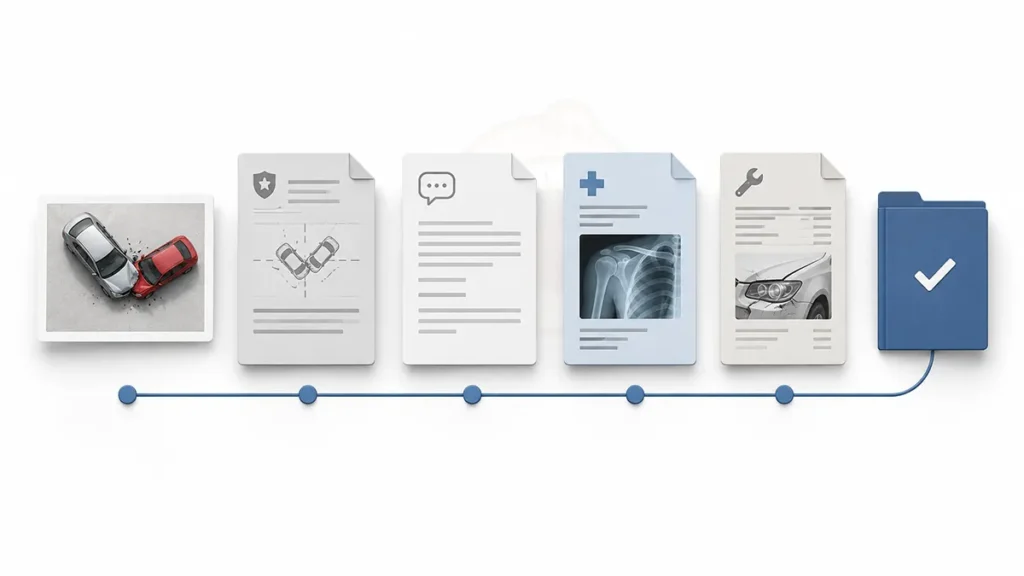
Digital Proof Can Help
Digital evidence may clarify speed, braking, location, distraction, or timing. Dash cameras, store security footage, traffic cameras, phone data, toll records, and vehicle event modules can support or challenge driver statements. Some recordings get automatically deleted within days. Prompt preservation requests to businesses, homeowners, delivery services, or public agencies can protect proof before ordinary system updates erase it.
Comparative Fault Rules
Fault is not always assigned to one person alone. One driver may speed while another fails to yield. Comparative fault rules can reduce the injured person’s payment by the injured person’s share of responsibility. Strong evidence helps separate minor conduct from the true cause of impact. It also limits blame shifting based on speculation, pressure, or incomplete statements.
Expert Review
Serious or disputed crashes may require expert analysis. Reconstruction professionals study crush patterns, roadway markings, sightlines, signal timing, and impact angles. Physicians can explain whether trauma caused the symptoms seen during treatment. Financial specialists may calculate lost earnings, future care, or reduced work capacity. These opinions carry weight when tied to records, measurements, and accepted methods. Good analysis remains tied to physics.
Insurance Tactics
Insurers often request recorded statements, broad medical releases, or quick settlements before the full picture of the injury is known. Early comments can be taken out of context. Careful answers should be accurate, brief, and consistent with documents. Expense logs, symptom journals, repair invoices, and saved messages help keep the claim organized during review and negotiation.
Building a Clear Timeline
A clear timeline turns scattered records into a coherent claim. It should include the purpose of the trip, traffic flow, point of impact, police response, treatment dates, missed work, repair estimates, and current symptoms. Matching dates across documents reduces confusion. Decision-makers can then follow the cause, injury, treatment, and loss without having to guess how each event relates.
Conclusion
Proving fault requires steady attention to facts while the injured person focuses on recovery. Photos, reports, witnesses, medical records, digital evidence, and expert opinions each answer a different question. Together, they show unsafe conduct, physical harm, and financial loss. When evidence is gathered early and presented with care, insurers and courts have a sounder basis for fair injury compensation. Careful proof also helps protect access to treatment during a difficult recovery.
Disclaimer: This article is intended for general informational purposes only and should not be considered legal advice. Laws, insurance requirements, and personal injury claims vary by jurisdiction and individual circumstances. Readers involved in a motor vehicle accident or considering an injury claim should consult a qualified attorney for advice specific to their situation. Any mention of law firms, legal services, or other organizations is for reference only and does not constitute endorsement.
Images: Mikeshouts.

