
Hair changes, whether thinning, graying, or sudden hair loss, can bring about significant emotional and psychological shifts. Many people tie their sense of self-worth and identity to their appearance, and changes in hair can challenge these deeply rooted perceptions. For some, it may be an overwhelming experience, and for others, it could be a minor inconvenience. The impact it has on your mental well-being is undeniable, and understanding this connection is important for addressing the emotional journey that accompanies such changes.
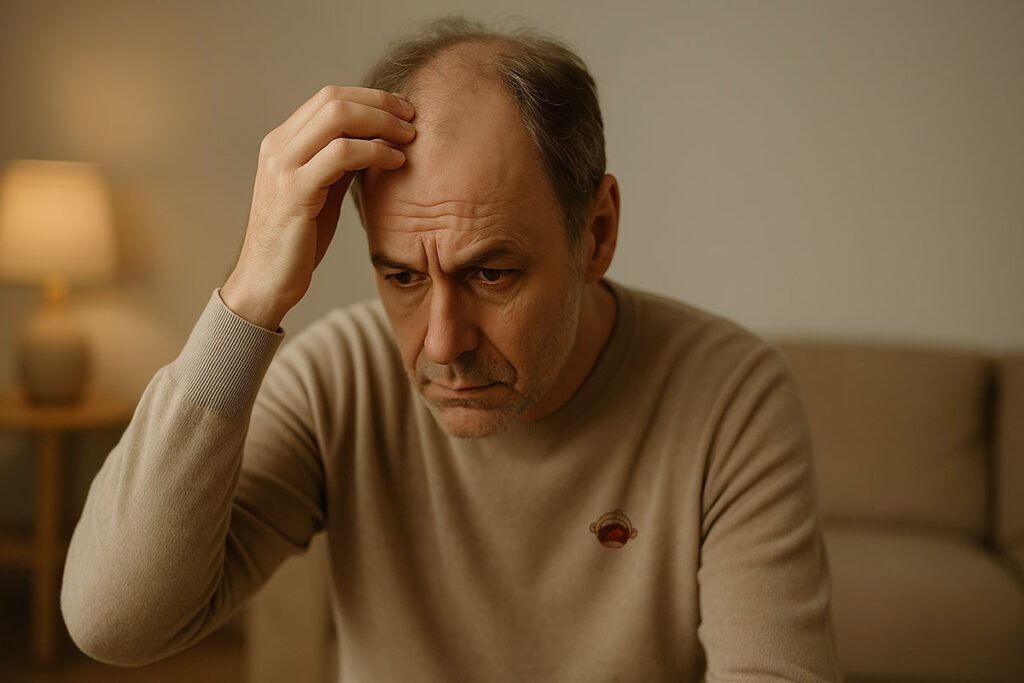
Coping with Age and Loss
Whether it’s the first gray hairs or the realization that your hair isn’t as thick as it once was, these changes serve as a stark reminder of the passage of time. When it comes to hair loss, Hair Transplant Clinic in London and other clinics offer solutions that can help restore a sense of confidence, allowing individuals to feel more comfortable with their appearance as they understand the emotional challenges of aging. Some may feel a sense of inevitability or even powerlessness, as hair loss and graying are largely out of their control. Learning to cope with this aging process can take time and effort.
The Identity Struggle
Hair is a symbol of youth, beauty, and vitality. It’s often associated with self-expression, and when your hair no longer reflects who you feel you are, it can leave you questioning your image. The initial emotional reaction might be frustration, confusion, or even sadness. You may feel like you no longer recognize the person staring back at you in the mirror. These changes can provoke a deep sense of loss, not just of hair, but of the version of yourself that you once knew. This struggle can affect your self-confidence, leading to feelings of inadequacy or even self-doubt.
Anxiety and Self-Consciousness
Whether it’s at work, on a date, or during casual interactions, the anxiety about your appearance can be all-consuming. This heightened self-consciousness often leads people to avoid social engagements, hiding under hats or hairstyles that cover up the changes. The fear of being seen as “less attractive” or aging prematurely can worsen these feelings, creating a cycle of avoidance and negative self-talk. It’s common to feel that your appearance is no longer in line with societal beauty standards, which can amplify feelings of inadequacy.
Finding Empowerment in Change
Instead of focusing on the loss of hair, some learn to embrace the changes as a symbol of wisdom or strength. Finding new ways to style your hair, experimenting with different cuts, or even choosing to go bald can be liberating. With time, many find that their emotional attachment to their hair loosens, and they can accept themselves for who they are, regardless of how their appearance changes. Empowerment often comes from accepting the inevitable and shifting your focus to what truly matters – your inner strength, resilience, and confidence.
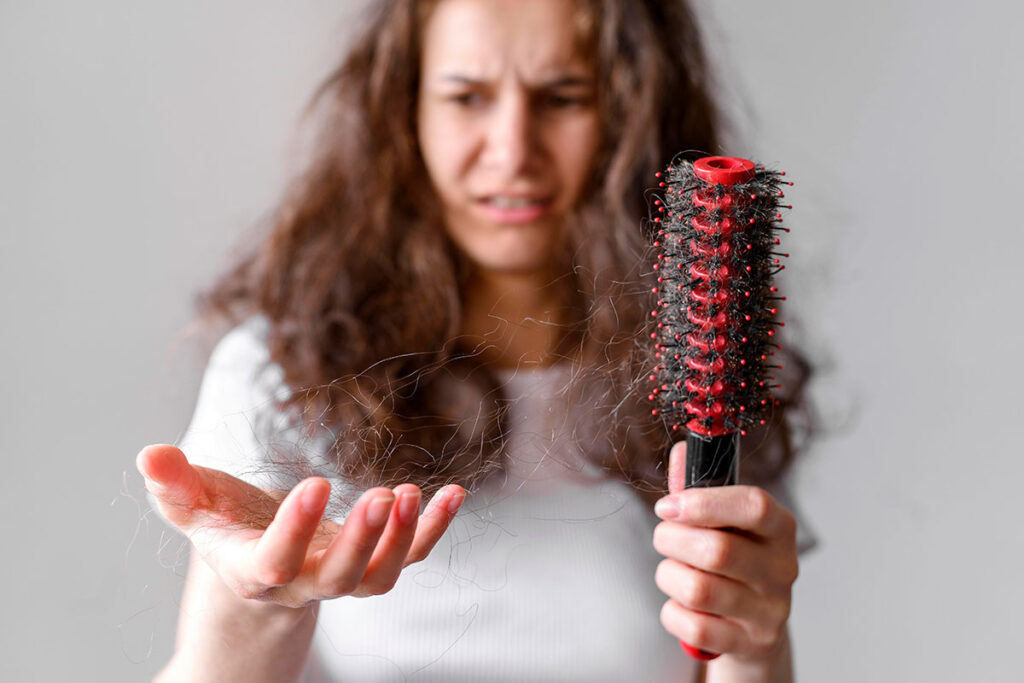
Hair changes are a natural part of life, but the emotional and psychological shifts they bring can be profound. From struggles with identity and anxiety about appearance to the acceptance of aging and eventual empowerment, it’s clear that these changes affect more than just your physical appearance. By acknowledging the emotional impact of hair changes and embracing them as part of your unique journey, you can begin to foster a deeper sense of self-acceptance. Understanding that these changes don’t define you is important to maintaining your mental and emotional well-being throughout the process.
Disclaimer
This article is for informational purposes only and does not constitute medical, psychological, or therapeutic advice. If you are experiencing significant emotional distress or considering hair restoration treatments, please consult with a qualified healthcare or mental health professional for guidance tailored to your needs.

