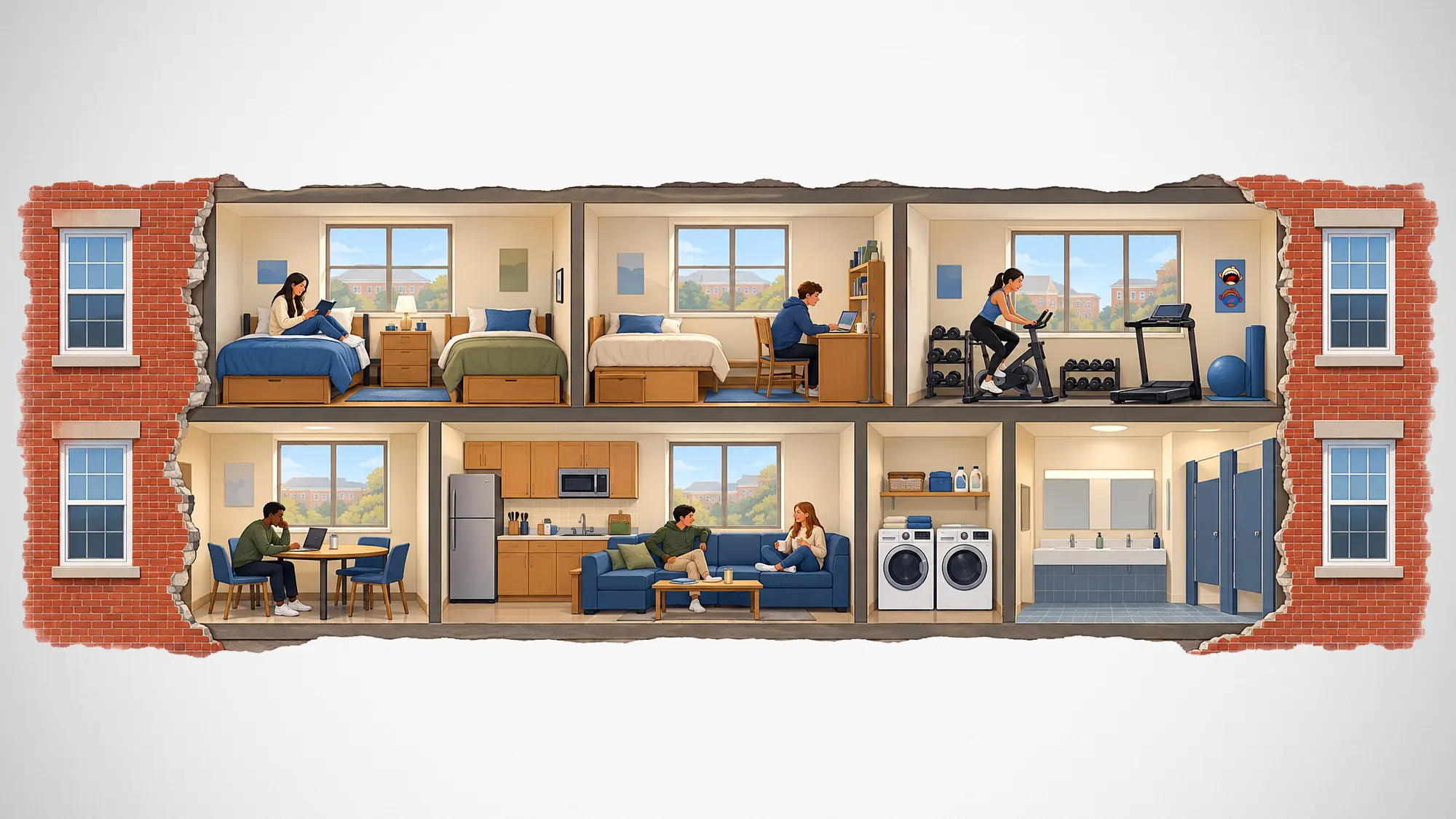
Since we are on the topic of college accommodations, it is only right that we talk about how university housing has changed a lot in recent years. Students now look for more than a place to sleep between classes.
Good design can make daily life easier by improving comfort, study habits, social time, and privacy. When housing is planned around student needs, the space can support both academic work and everyday routines.
Create Better Spaces for Studying
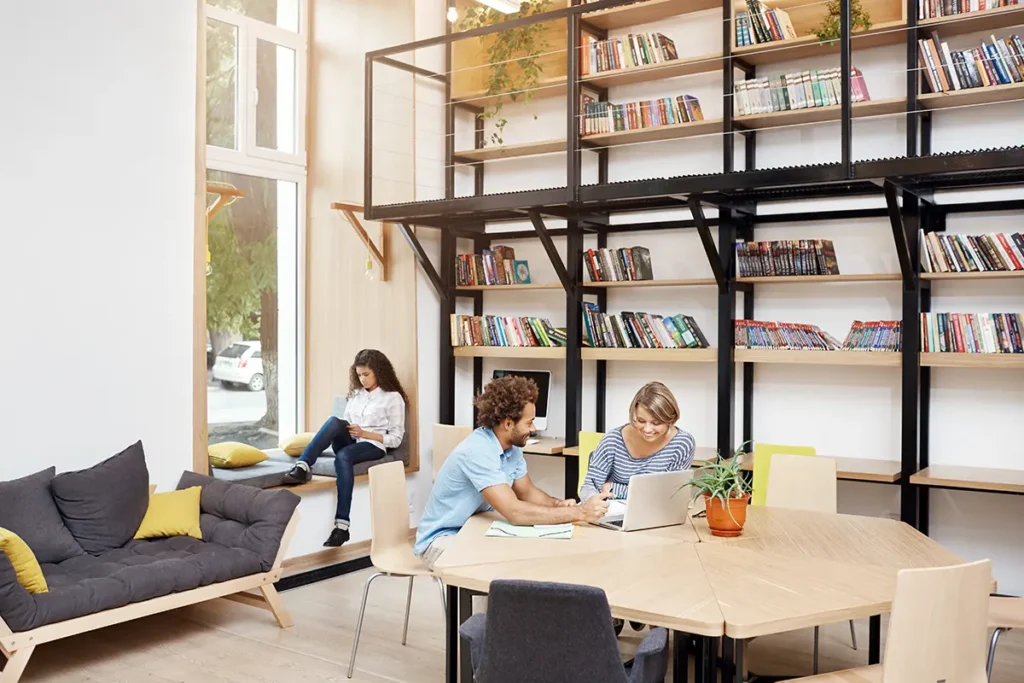
Students need quiet places where they can focus, especially during exams and busy parts of the semester.
Modern housing often includes study rooms, small work areas, and shared spaces with strong internet access. These areas can reduce the need to travel to campus whenever a student needs a quiet place to work.
Lighting also matters. Natural light can make study areas feel more open and comfortable during long sessions.
Good sound control is important too. Walls, doors, and layouts that limit noise can help students stay focused without feeling cut off from the rest of the building.
Balance Social Areas With Privacy

Student housing should make it easy to meet people, but it should also give residents space to relax alone.
Shared kitchens, lounges, game rooms, and outdoor areas can help students connect with neighbors. These spaces may also make it easier for new students to build friendships.
At the same time, private bedrooms and quiet corners can provide a break from busy social spaces.
When looking at options such as UNCC off-campus apartments, students may want to compare how well the layout balances shared areas with personal space.
A good design should support both social life and downtime.
Make Everyday Movement Easier
The way a building is laid out can have a major effect on daily routines.
Clear hallways, useful storage, easy access to laundry areas, and well-placed entrances can save time. These details may seem small, but students use them every day.
Smart layouts can also make apartments feel larger. Open living areas and good furniture placement can improve movement without needing more square footage.
Elevators, ramps, and wide access points can also make housing easier to use for people with different mobility needs.
Good architecture should make the space simple to understand and easy to move through.
Add Features That Support Student Wellness
Comfortable housing can also support better daily habits.
Fitness rooms, outdoor areas, and walking paths can make it easier for students to stay active. Natural light and fresh air may also help spaces feel more pleasant.
Some modern buildings include smart technology such as keyless entry, energy controls, and stronger Wi-Fi coverage. These features can add convenience and make daily tasks simpler.
Sustainable design is becoming more common as well. Energy-efficient lighting, better insulation, and durable materials can lower waste and improve building performance.
The goal is not to add features just because they look modern. The best amenities are the ones students will actually use.
Conclusion: Design Housing Around Real Student Needs
Thoughtful architecture can make university housing more useful, comfortable, and easier to live in.
Study areas, social spaces, private rooms, clear layouts, and practical amenities all shape the student experience.
Good housing design should support daily routines instead of making them harder.
When students compare housing options, it helps to look beyond style and focus on how the space will work every day. A well-designed home can make it easier to study, rest, connect with others, and enjoy college life.
Disclaimer: This article is intended for general informational purposes only and should not be considered professional real estate, accessibility, or housing advice. Building features, accessibility provisions, amenities, and housing requirements may vary by property, location, and individual needs. Readers should verify specific features and requirements with property managers, relevant authorities, or qualified professionals before making housing decisions. Any companies, properties, products, or services mentioned are provided for reference only and do not constitute endorsement.