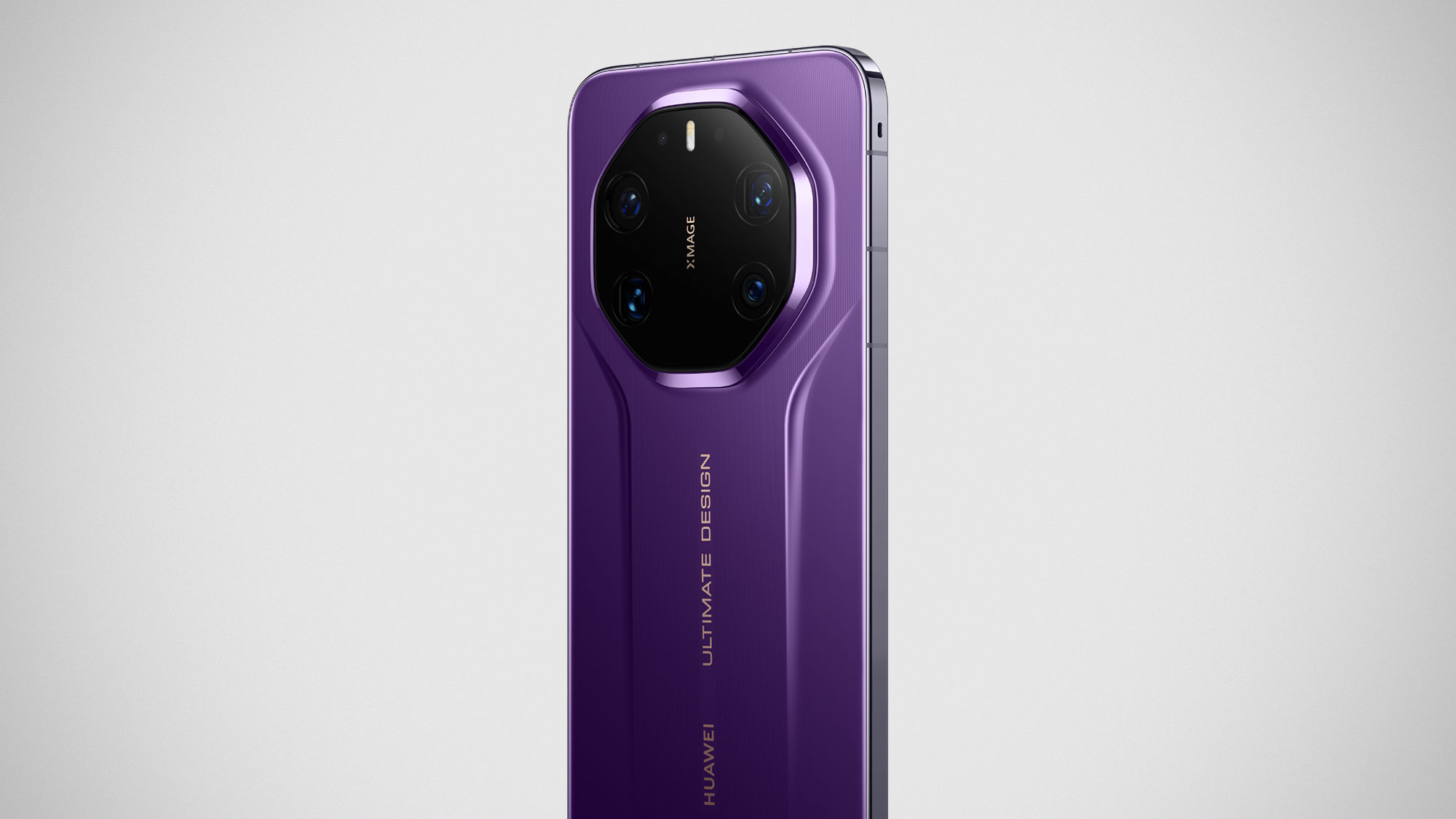
I wouldn’t say the Mate 80 RS Ultimate Design is the flagship of flagships. I would say it is the ultimate Mate 80 for Huawei devotees. Huawei may have parted ways with Porsche Design starting with the Mate 60 RS, but the go-fast lineage is unmistakable. The device remains a showcase of ultra-luxury smartphone engineering, blending a sleek sports car silhouette with Huawei’s cutting-edge tech.
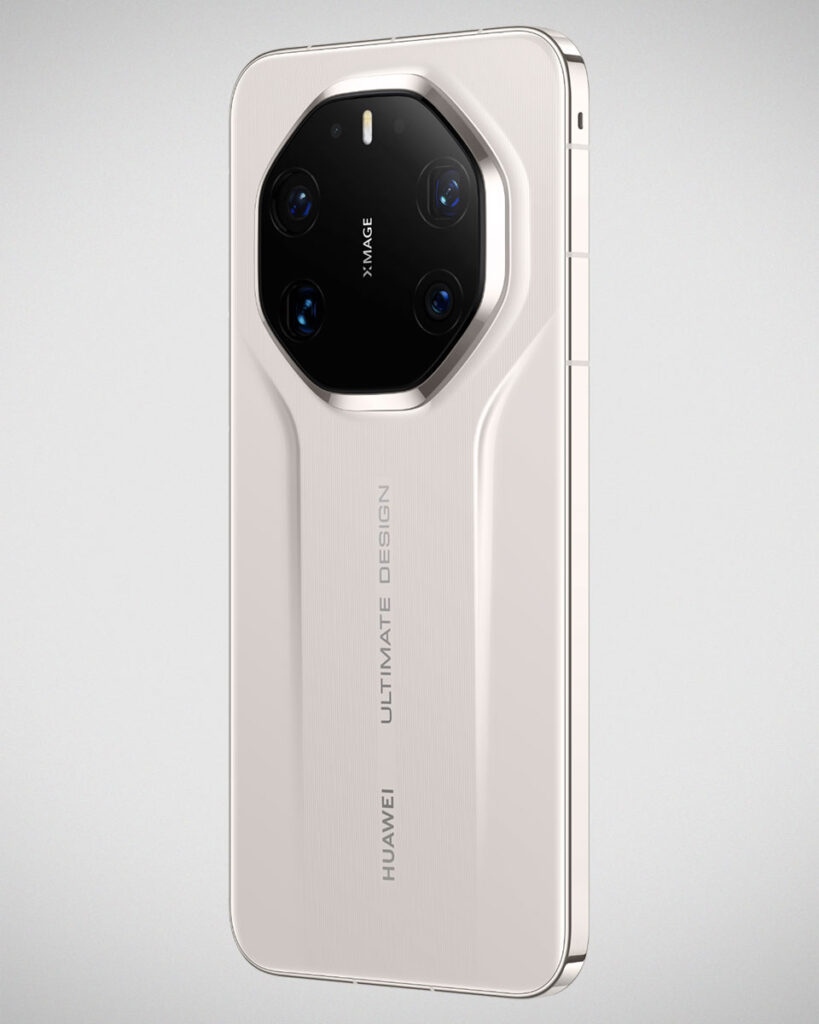
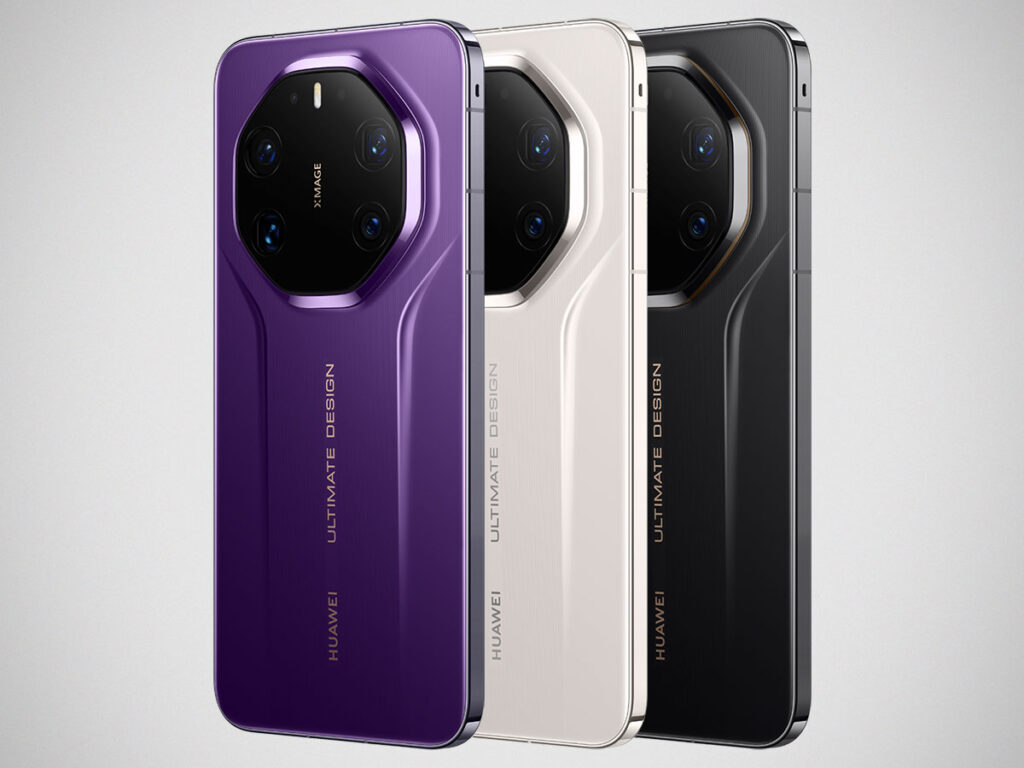
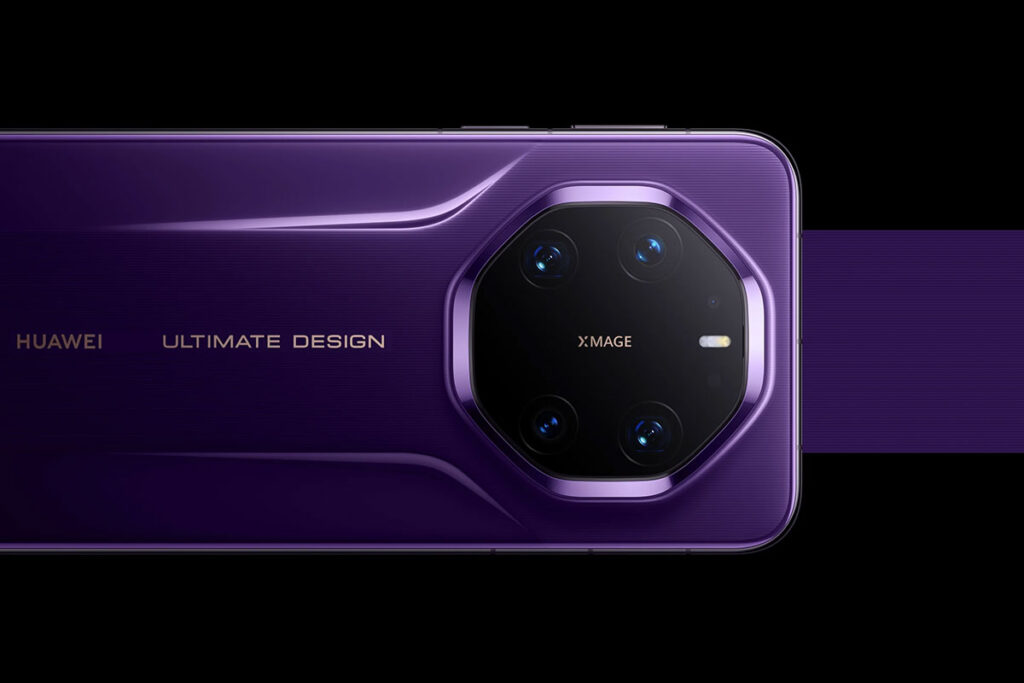
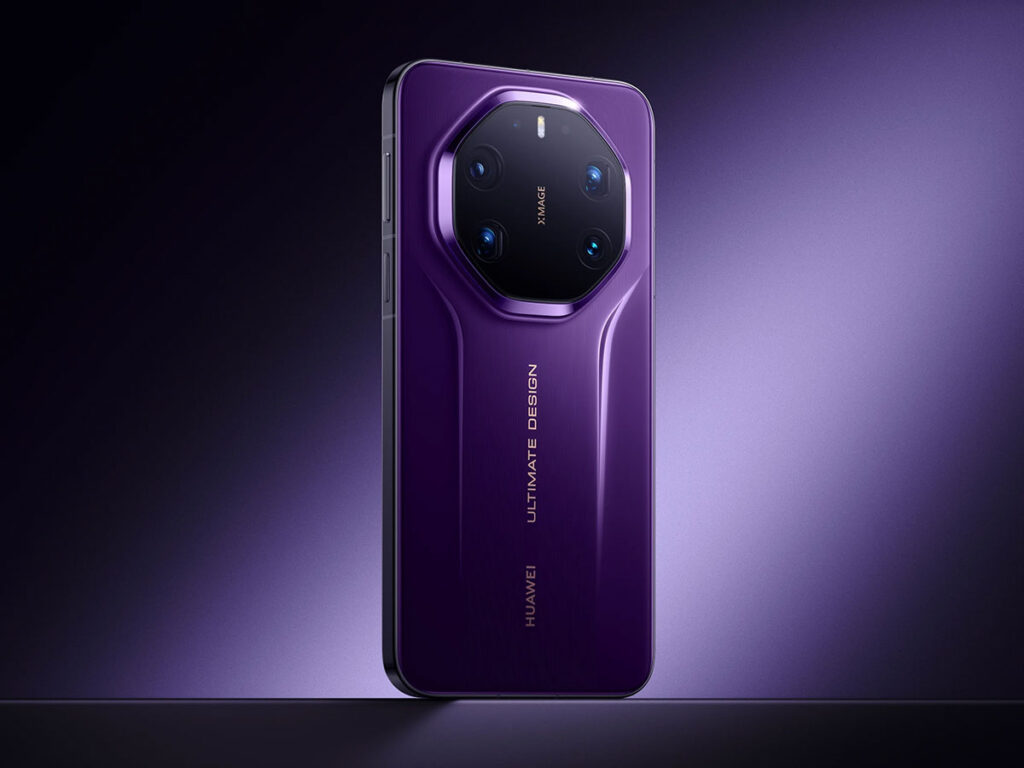
The new Huawei Mate 80 RS Ultimate Design [CH] retains the same octagonal camera island, paired with runway-style ridges that are raised and reminiscent of sports car aerodynamics. However, the new Mate 80 RS, in my opinion, is even more sports-car-like despite not being related to any marque. It looks like the bulged hood of a turbocharged car. This is a phone that you do want a cover on. The iconic octagonal camera module is more refined and polished. Overall, it looks more sporty than ever. I know it is strange to associate “sporty” in the car context with a smartphone, but it is such.
The new Mate 80 RS Ultimate Design brings to the table all the key features of a flagship of flagships, including front and back Kunlun glass—with the front rocking third-gen Kunlun and the rear using second-gen Kunlun—paired to a beautiful polished titanium middle frame. The device further features a dual-layer OLED Linglong display that supports BT.2020 super-wide color gamut, enabling you to see colors you never knew you needed.
And then there’s the XMAGE imaging featuring a Second-Generation Original Color Camera, the all-new Xiaoyi that is more intelligent, quick-learning, and responsive, AI-powered AirTransfer that lets you transfer content across devices by simply grabbing it in the air and dropping it onto the target device, dual-diaphragm stereo units that promise rich bass, clear treble, and powerful immersive sound, and 3D ToF facial recognition with financial-grade authentication. It also features a triple-diaphragm system for sound-leakage prevention with intelligent control for multiple scenarios, and sound-field protection to maintain call privacy at every turn.
Like the new Mate 80 Pro Max, it also boasts a brand-new Outdoor Exploration Mode that lets you set off on your adventure without weighing yourself down. This device also poses a threat to standalone satellite phones, as it not only supports Beidou satellite messaging but also Tiantong satellite communication for calls, text, and even data. What’s even crazier is that it has dual eSIM support, in addition to dual nano SIM, which means this one device supports up to four phone numbers. Bonkers.
As far as imaging hardware goes, it has a quad-camera setup, which is a rarity these days. The quad camera array includes a 50 MP high-dynamic-range variable-aperture camera with OIS and a RYYB sensor, a 40 MP super-wide-angle camera also with RYYB sensor, a 50 MP “super focus” macro/telephoto camera with OIS and RYYB sensor, and a 50 MP super-telephoto camera with OIS and RYYB sensor. The rear camera supports 4x and 6.2x optical zoom, 12.4x optical-quality zoom, and 100x digital zoom. And yes, this device has two telephoto cameras. Meanwhile, the front features a 13 MP super-wide-angle selfie camera with autofocus, alongside a 3D depth-sensing camera.
The new Mate 80 RS Ultimate Design is equipped with a 6.9-inch FHD+ (2,848 × 1,320 pixels) display with 1.07 billion colors, 1–120 Hz LTPO adaptive refresh rate, 1,440 Hz high-frequency PWM dimming, and 300 Hz touch sampling rate. Under the hood, it touts the new Kirin 9030 Pro chip, bolstered by an unknown type of memory coming in at 20 GB, and unspecified storage in 512 GB or 1 TB capacities.
Also inside is a fairly large 6,000 mAh battery that supports up to 100 W Super Fast Charging and is compatible with various fast-charging profiles, including standard fast charge (9V/2A common USB-PD profile), 80 W wireless charging, and 18 W wired reverse charging.
On the wireless connectivity front, Huawei did not specify the radios for obvious reasons—aside from the satellite communications—but in the short-range department, it has the usuals like dual-band WiFi, WiFi 7, Bluetooth 6.0, BTLE, and SparkLink NearLink E2.0 (formerly NearLink SparkLink). It has a USB 3.1 Gen1 port with a USB Type-C interface. NFC comes standard, as does a host of positioning systems and a full suite of sensors, including IR, barometric, color-temperature sensor, laser autofocus sensor, and more. Seriously, this device has the most sensors we have ever seen.
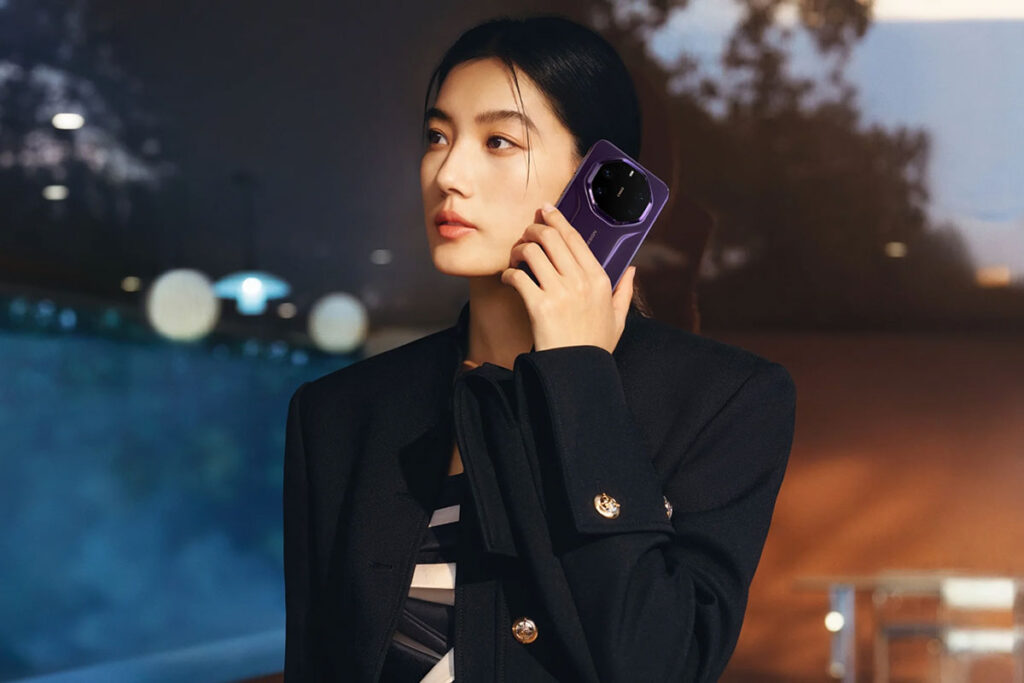
Anyhoo, do not expect this HarmonyOS 6-powered device to be anywhere near thin and light. This device has presence. It measures 164.4 mm long, 79 mm wide, and a grand 8.25 mm thick, and weighs in at around 249 g. It is not just all performance and looks; it is durable, too, not only because of the Kunlun glass. It is IP68 rated with 6-meter water resistance. Plus, it is IP69 rated, allowing this big guy to resist high-temperature and high-pressure water spray.
The new Huawei Mate 80 RS Ultimate Design has been launched in China in a choice of three colorways (black, white, and purple—my personal favorite), with a starting price of 11,999 yuan [CH], which is a grand 1,696 US dollars based on the current going rate.
Images: Huawei [CH].