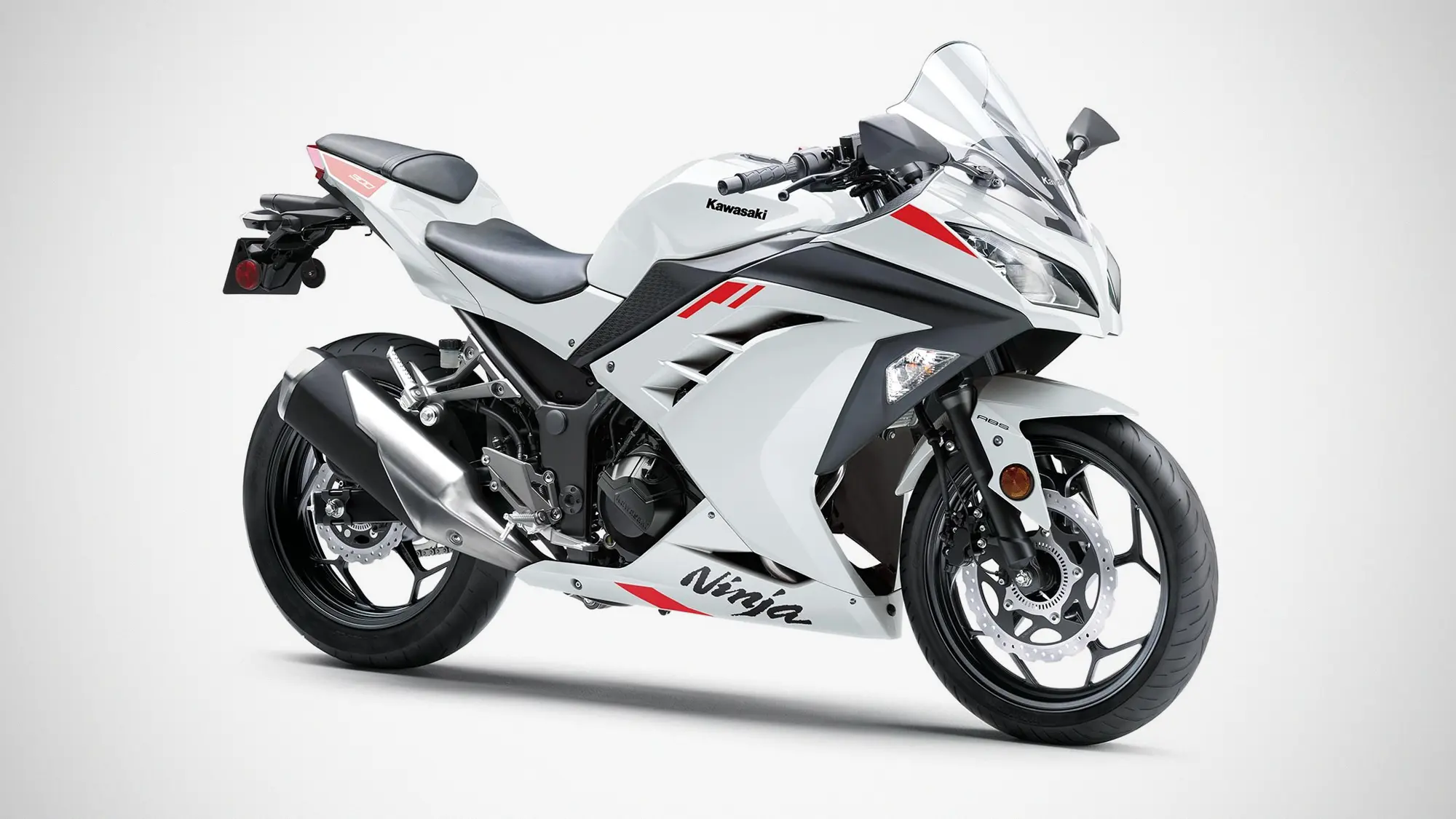
The Kawasaki Ninja is to Kawasaki what the 911 is to Porsche. Sure, there are many Ninjas, but if there is one name that immediately comes to mind when someone says “Kawasaki motorcycle,” it is probably Ninja. So while the motorcycle world is busy chasing ever bigger engines, ever more electronics, and ever higher price tags, Kawasaki has quietly brought back one of its most beloved entry-level sportbikes: the Ninja 300 ABS.
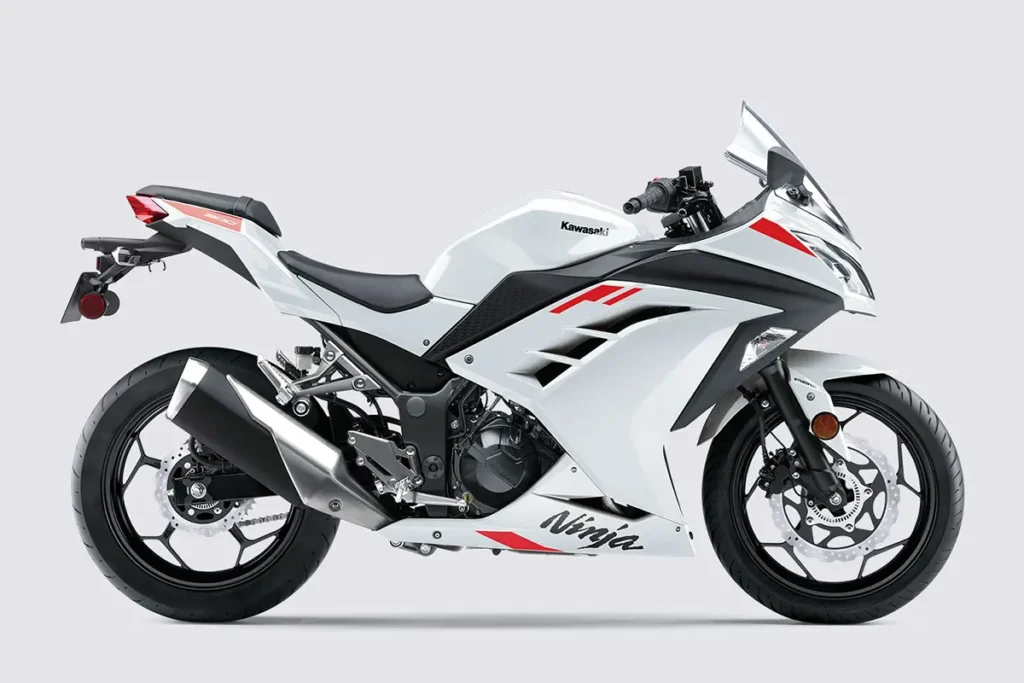
Folks, the Kawasaki Ninja 300 ABS is back for 2026.
Billed as the entry point into the Ninja family, the Ninja 300 ABS continues to do what it has always done best: offer supersport-inspired styling and performance without requiring superbike money or superbike skills. It is approachable, lightweight, and just intimidating enough to make you feel cool.
Power comes from a 296cc liquid-cooled parallel-twin engine featuring a 62.0 x 49.0 mm bore and stroke, a 10.6:1 compression ratio, and a redline that stretches all the way to 13,000 rpm. Kawasaki has equipped the engine with lightweight pistons, a balancer shaft, fuel injection with dual throttle valves, and a stainless-steel 2-into-1 exhaust system designed to deliver strong low- and mid-range performance while maintaining favorable fuel economy.
The little twin is paired with Kawasaki’s Assist & Slipper Clutch, a feature that used to be the kind of thing you bragged about finding on much more expensive motorcycles. The system reduces clutch lever effort during normal riding while helping prevent rear-wheel hop during aggressive downshifts. In other words, it makes you look smoother than you really are.
Underneath the bodywork is a lightweight steel-tube diamond frame inspired by Kawasaki’s larger sportbikes. Suspension duties are handled by a 37 mm telescopic front fork and a Uni-Trak rear suspension with five-step preload adjustment, allowing riders to tailor the setup for solo riding, passengers, or whatever adventure the day happens to bring.
Stopping power comes from a 290 mm front petal disc with a dual-piston caliper and a 220 mm rear petal disc with a two-piston caliper. ABS comes standard, because even experienced riders appreciate a little extra help when roads and weather decide to become interesting.
The Ninja 300 ABS rolls on sporty 17-inch wheels wrapped in a 110/70-17 front tire and a 140/70-17 rear tire. Combined with its lightweight chassis and accessible ergonomics, the setup promises nimble handling whether carving through back roads or filtering through city traffic.
Speaking of ergonomics, the Ninja 300 ABS keeps things friendly with a low 30.9-inch seat height, wide raised handlebars, and a narrow seat profile near the tank that helps riders reach the ground more easily. The slightly forward-leaning riding position delivers a sporty feel without turning every commute into a chiropractic appointment.
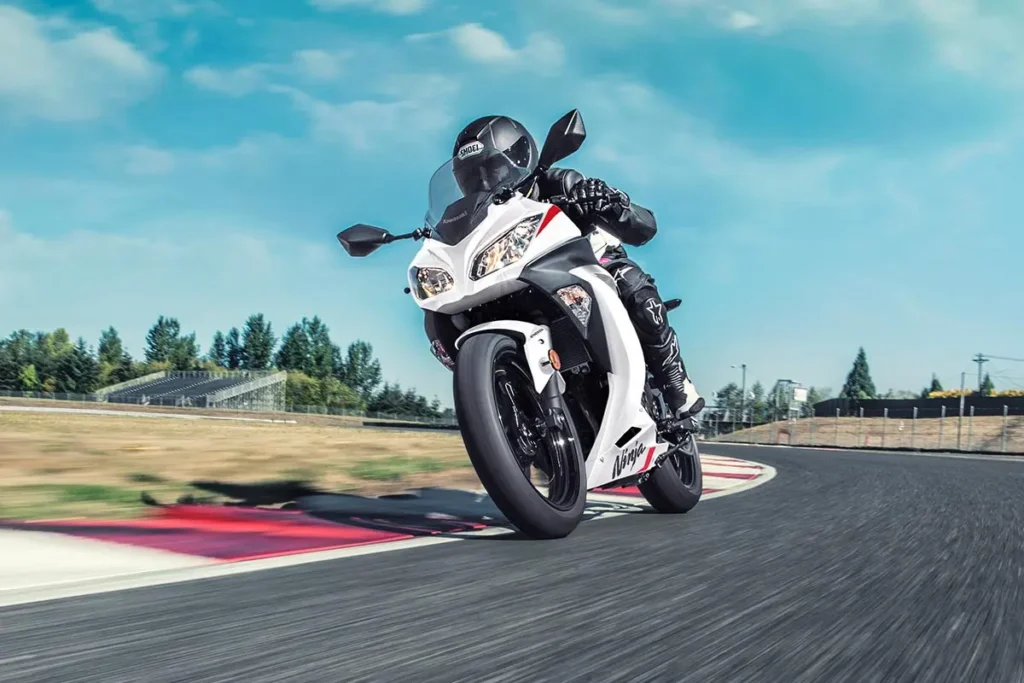
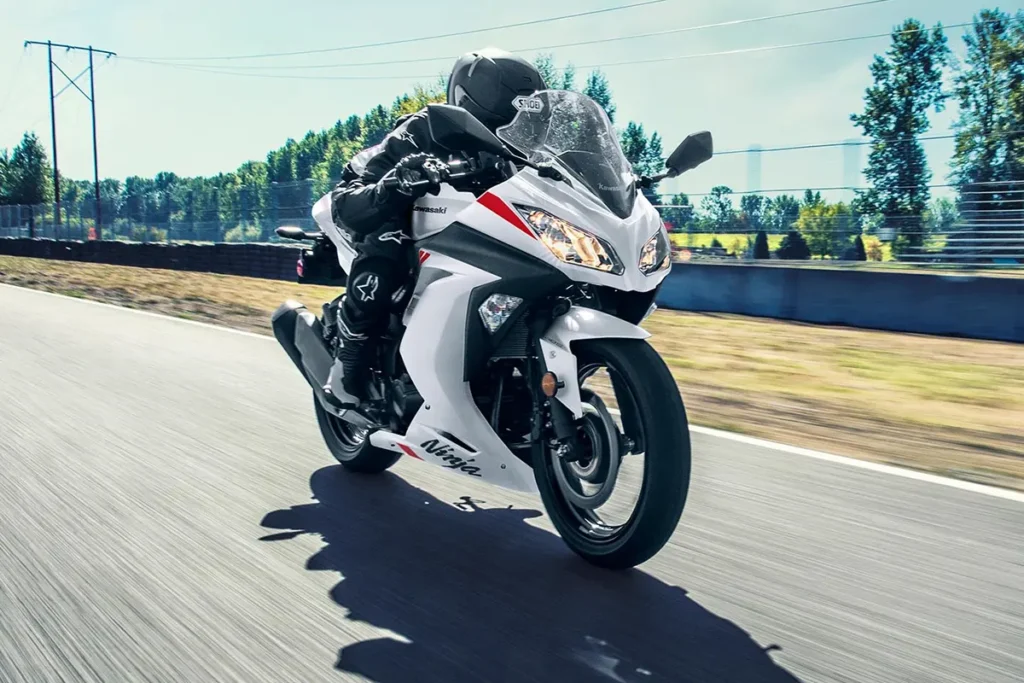
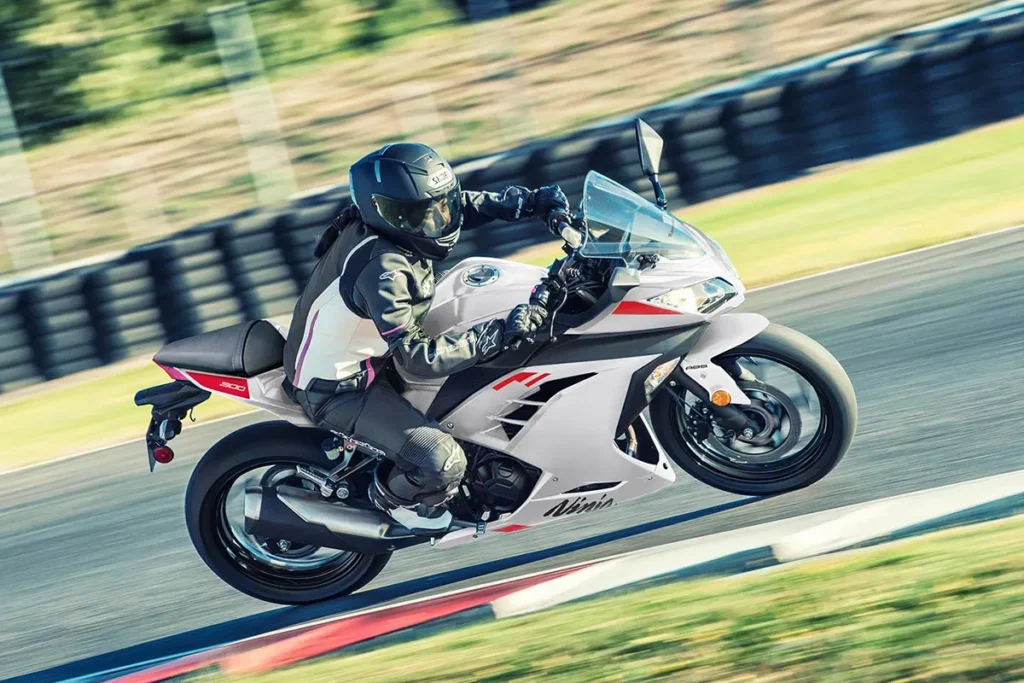
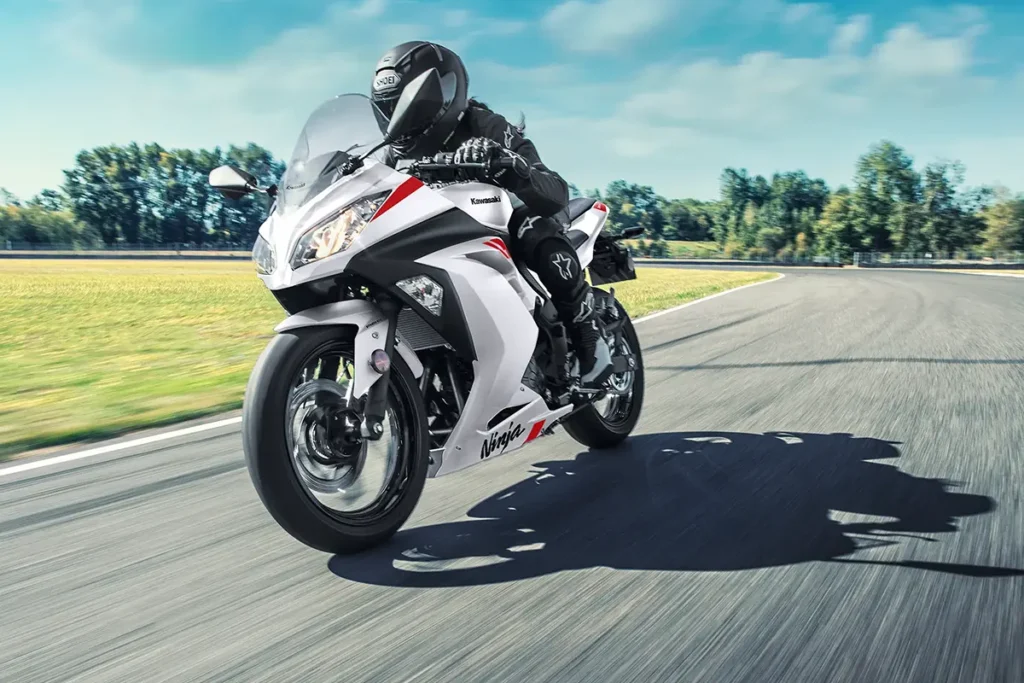
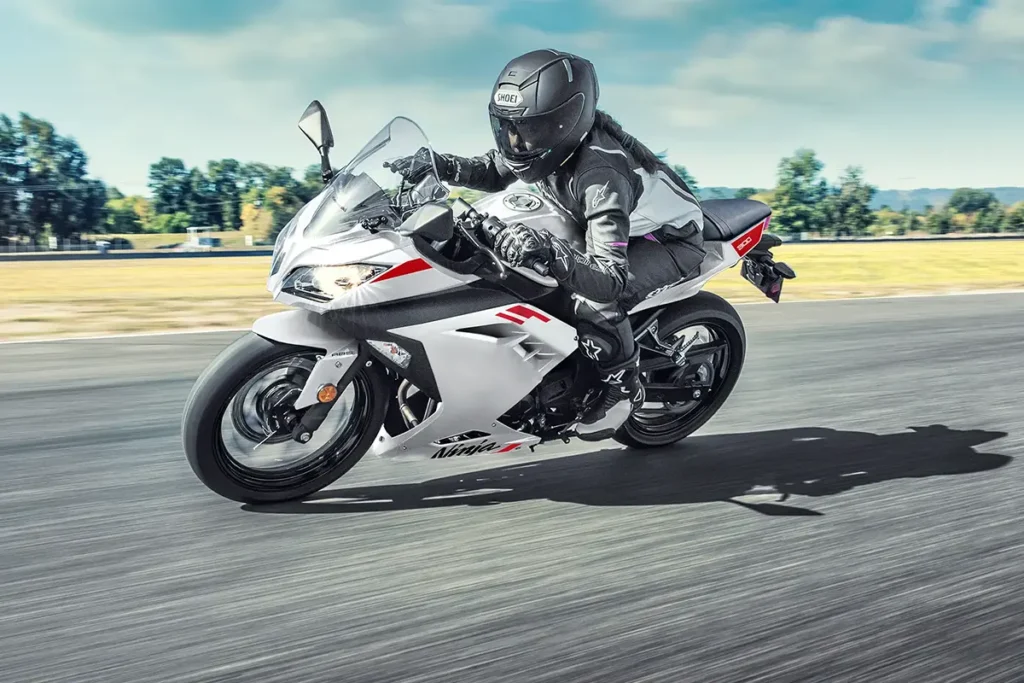
The styling remains unmistakably Ninja. Large-volume bodywork, aggressive dual headlights, a floating-style windscreen, integrated front turn signals, and a sharply styled tail section give the motorcycle the appearance of a much larger machine. A supersport-style fuel tank houses a generous 4.4-gallon capacity, helping extend the distance between fuel stops.
Instrumentation combines an analog-style tachometer with a multifunction LCD showing speed, fuel level, clock, odometer, dual trip meters, and Kawasaki’s Economical Riding Indicator. It is a nice blend of old-school motorcycle charm and modern convenience.
Available now in Pearl Blizzard White, the 2026 Kawasaki Ninja 300 ABS starts at just US$4,999. For riders looking to begin their Ninja journey—or simply those who miss the days when a lightweight sportbike was all you needed to have fun—the return of the Ninja 300 ABS is very welcome news indeed.
Images: Kawasaki.