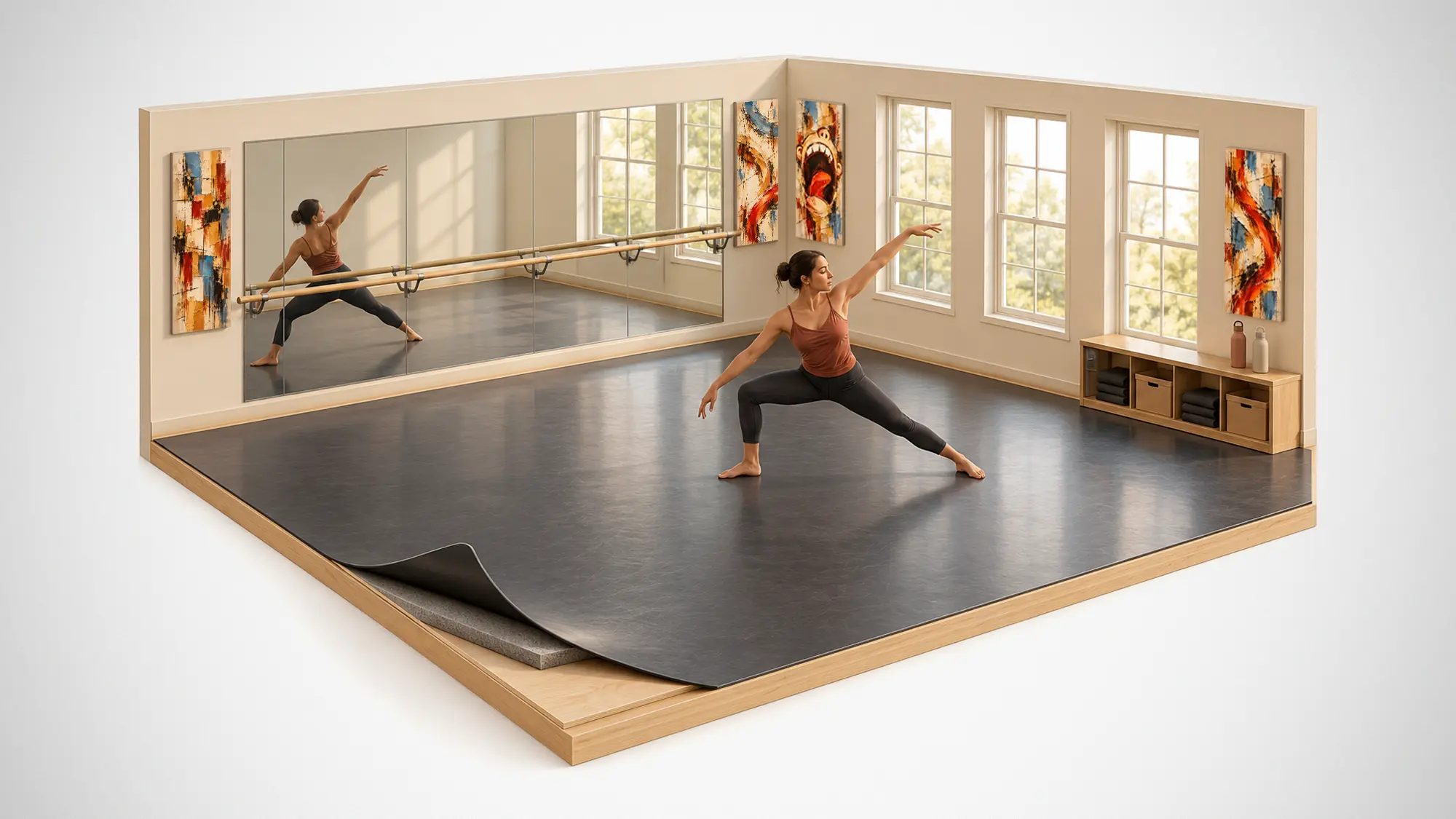
Designing a dance studio requires balancing visual appeal with practical performance features. Studio owners must build an open environment that encourages creative expression, movement freedom, and daily athletic progress.
Smart decisions regarding floor surfaces, lighting, sound control, and room layout transform standard spaces into professional rehearsal rooms. Every single design choice directly impacts dancer safety, energy levels, and artistic performance.
Focus on Professional Floor Selection
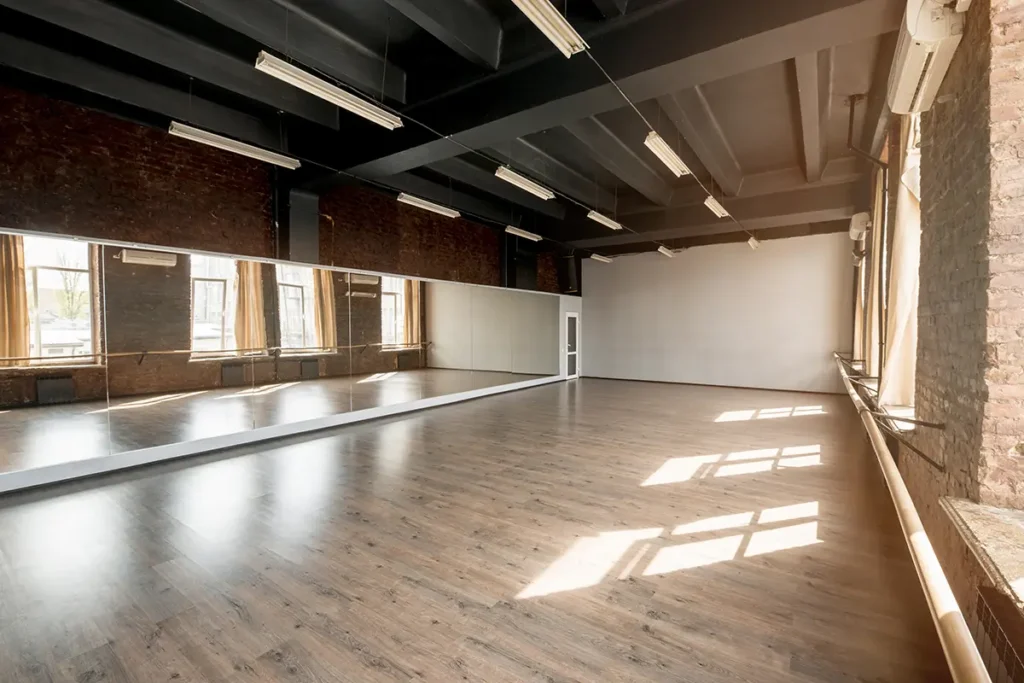
Flooring serves as the primary point of contact for every dancer entering the practice space. Selecting proper floor materials protects athletes during intense footwork and provides stable traction across various dance styles.
Studio owners must select materials that deliver controlled slide alongside steady foot grip. Installing a high-quality marley vinyl dance floor provides the precise surface resistance dancers need for complex routines. This durable roll material supports versatile footwork across ballet, jazz, and contemporary movement routines.
Subflooring systems play an equally important role underneath top surface materials. Floating subfloors absorb heavy impacts, protecting knees and ankles from repeated landings during jump drills.
Prioritize Injury Prevention and Joint Safety
Dance classes put repeated stress on the feet, ankles, knees, and other parts of the body. A good studio floor can help reduce the impact from jumps, turns, and landings. This can make training more comfortable and may help reduce the risk of injuries.
Shock-absorbing floors can reduce some of the force that travels through the body. This is especially useful because dancers often repeat the same movements many times during practice.
A safe floor can help dancers feel more confident when practicing difficult movements. It should provide enough support while still allowing smooth movement. Choosing the right floor is an important part of creating a safer dance studio.
Optimize Lighting for Focus and Energy
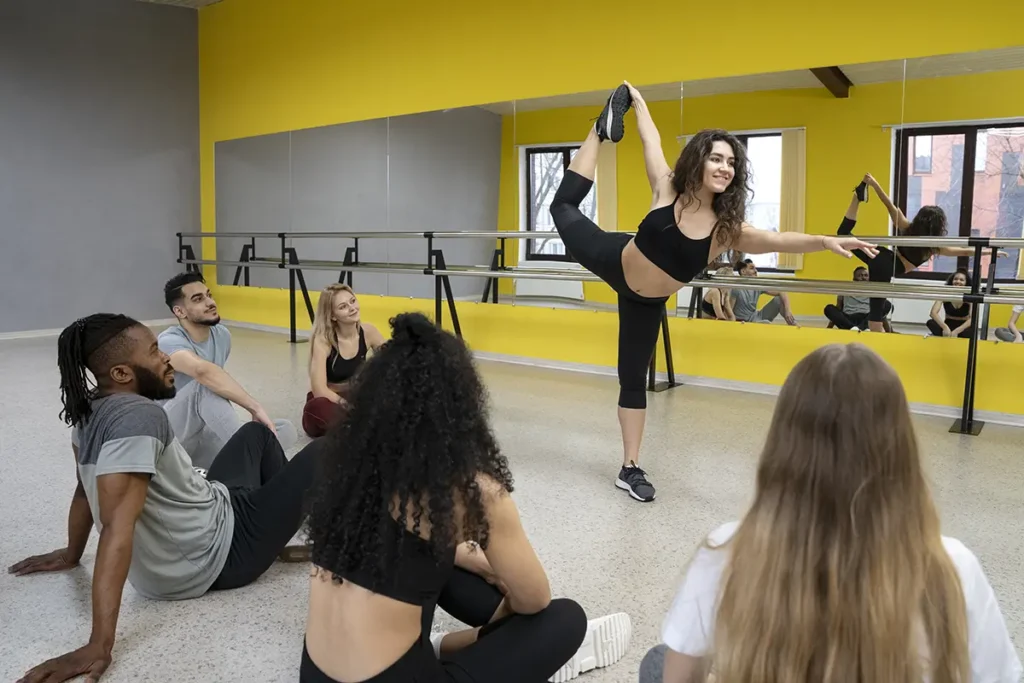
Good lighting can change how a dance studio feels and how well students can see. Bright natural light can make the room feel open and active. This can be useful during morning classes, warm-ups, and energetic dance sessions.
Clear lighting helps dancers see their movements and follow their teacher. Good visibility can make it easier to learn new steps and remember dance routines.
Adjustable lights give teachers more control over the room. Bright light can work well for active classes, while softer lighting can create a calmer feeling during stretching and cool-downs. Different lighting levels can help the studio suit different activities.
Control Sound and Room Acoustics
Good acoustics help dancers hear music and instructors clearly during classes. Hard walls made from brick, glass, or other materials can create strong echoes. These echoes can make it harder to hear instructions and follow the music.
Sound-absorbing panels can reduce unwanted noise and make the room quieter. This helps dancers hear changes in the music and keep the right rhythm. Better sound quality can be especially useful in large studios with many students.
Several simple features can improve the room’s acoustics. Wall panels can absorb sound, while thick curtains can reduce echoes from windows. Mobile partitions can divide large spaces and help control sound during different classes.
- Add acoustic wall panels
- Use thick curtains
- Reduce window echoes
- Add mobile partitions
- Improve music clarity
Install Wall Mirrors for Technique Refinement
Wall mirrors are useful tools in dance studios because they let dancers see their movements while they practice. Students can check their arm position, posture, hips, and head placement without stopping.
Full-length mirrors allow dancers to see their whole bodies during practice. Good-quality mirrors should provide a clear reflection without making movements look distorted.
Curtains can be added to cover the mirrors when needed. This gives teachers more options during classes. Dancers can practice without watching themselves and focus more on how each movement feels.
Create Efficient Storage and Layout Solutions
A dance studio needs enough open floor space for safe movement. Props, yoga blocks, speakers, bags, shoes, and other items should have their own storage areas.
Wall shelves can hold sound equipment and other studio items. Built-in cubbies can give students a place for bags and shoes.
An organized studio looks cleaner and feels more comfortable. Clear floors make it easier for dancers to move quickly between activities. Good storage helps create a safe and welcoming space for students and families.
- Use wall storage
- Add student cubbies
- Store props on carts
- Keep floors clear
- Reduce trip hazards
Choose Purposeful Color Schemes
Color can affect how a dance studio feels during practice. Soft colors such as warm gray, beige, and cream can create a calm space with fewer visual distractions.
Accent colors can add more energy to the room. Soft gold, muted terracotta, or other warm shades can make spaces feel more lively during active dance classes. Using a few bright details can add interest without making the room feel too busy.
The colors of the walls, floors, and trim should work well together. A simple color scheme creates a clean background and helps dancers stand out.
Maintain Air Quality and Climate Control
Good airflow is important in dance studios because dancers can become hot during active classes. Proper ventilation helps remove heat and moisture from the room.
A climate control system can help keep the room at a comfortable temperature throughout the year. Cooler indoor air can help prevent dancers from becoming too hot during demanding workouts.
Air filters can help remove dust and other small particles from the room. Regular cleaning and filter changes can support better indoor air quality. Clean air can make breathing more comfortable during long and active dance sessions.
Incorporate Dedicated Rest and Transition Zones
Dance studios should include spaces where students can rest between classes and practice sessions. Comfortable seating gives dancers a place to drink water, stretch, and prepare for their next activity.
Keeping rest areas away from the main dance floor can help keep entrances and walkways clear. Students can leave their bags and shoes in one place without blocking busy areas.
Useful features can make these areas more convenient. Water fountains, storage cubbies, and charging stations can help students during busy days. A well-planned rest area supports comfort and makes the studio easier to use.
All About Creating an Inspiring Dance Studio
Building an inspiring dance studio requires blending functional flooring, clear lighting, proper acoustics, and smart room layouts. Thoughtful design decisions convert basic floor spaces into supportive environments where artistic expression flourishes.
Investing in high-quality floor surfaces and environmental controls can support dancer comfort and help create a better training environment. Every design choice helps performers build confidence, refine technique, and reach their full athletic potential. If you’d like to learn more, check out more articles on our blog.
Disclaimer: This article is intended for general informational purposes only and should not be considered professional architectural, flooring, health, safety, or medical advice. Flooring requirements, studio conditions, and individual dancer needs may vary. Studio owners and operators should consult qualified professionals and follow applicable building codes, safety standards, manufacturer specifications, and local regulations when designing or modifying a dance studio. Any companies, products, or services mentioned are provided for reference only and do not constitute endorsement.

