Astronomy telescopes are one gadget many geeks would love to own, someday, but never quite get around to buying. Two major factors usually get in the way: price and size. Those reasons are why even grown folks still find themselves poring over Toys“R”Us catalog science sections.
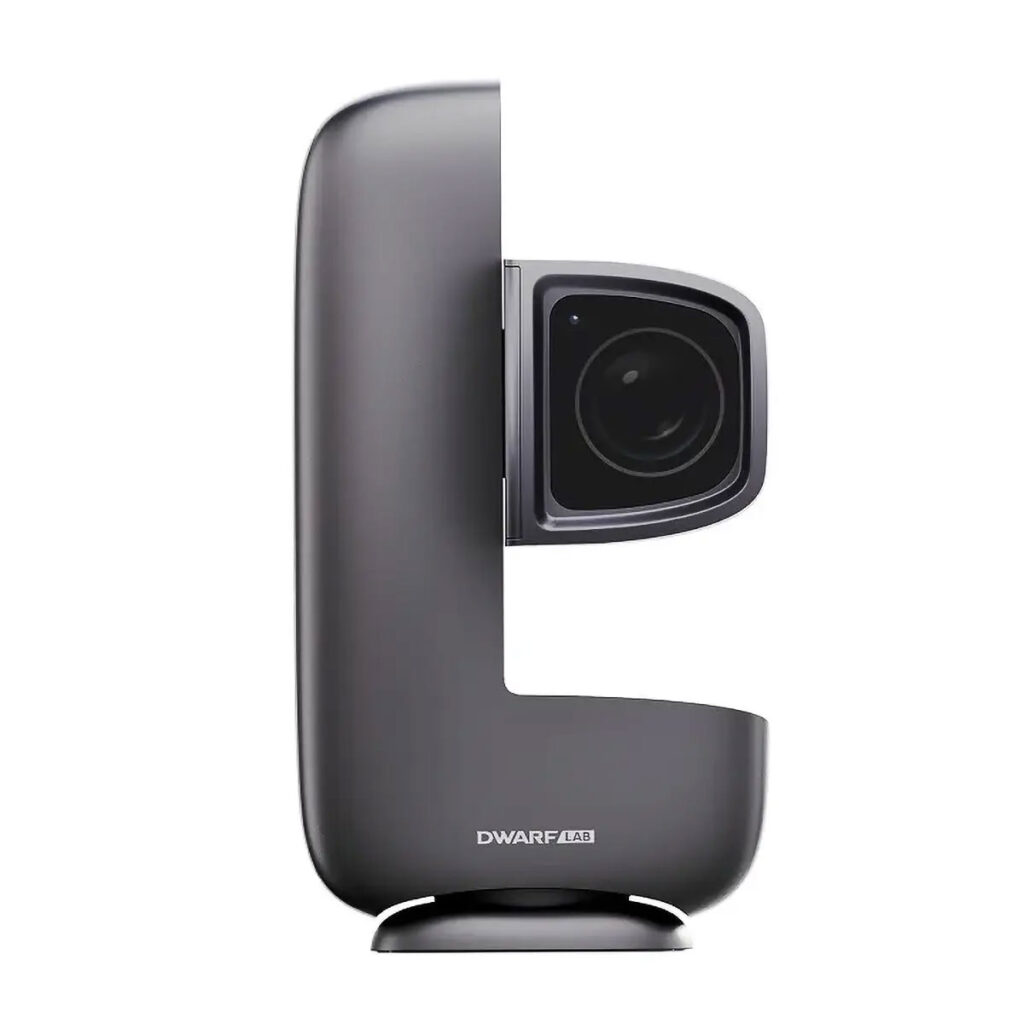
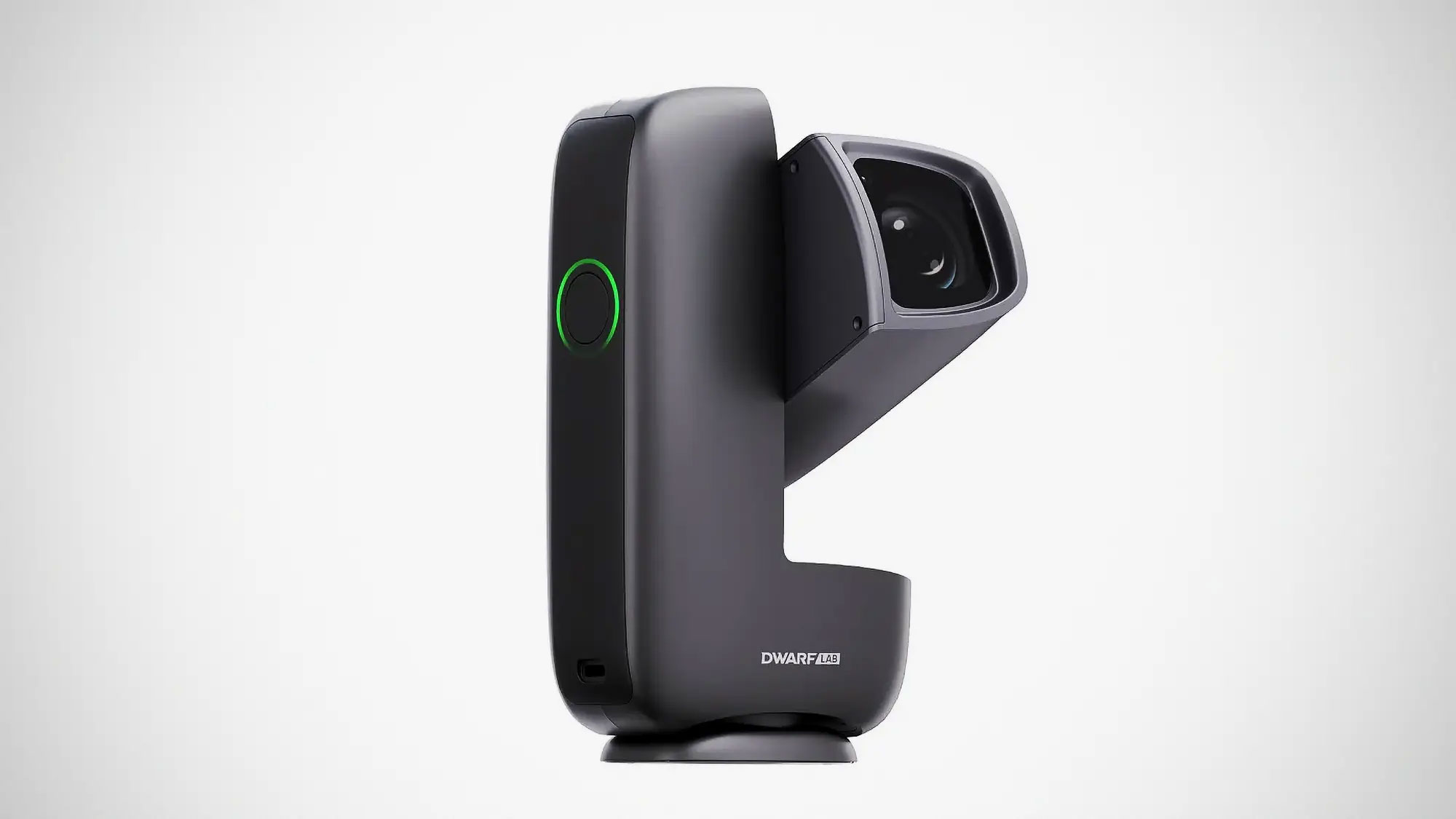
Well, the good news is that you do not really have to anymore, because now there is the Dwarf Mini Astronomy Smart Telescope.
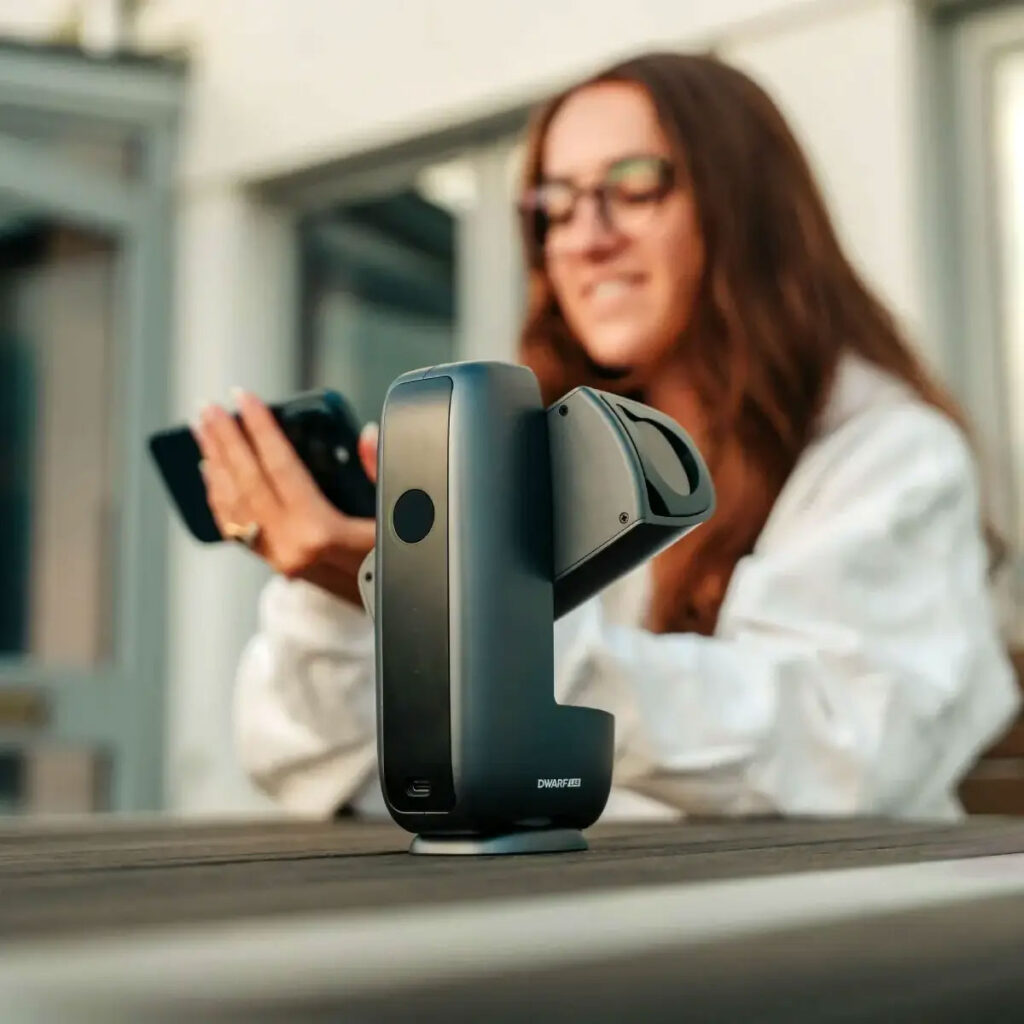
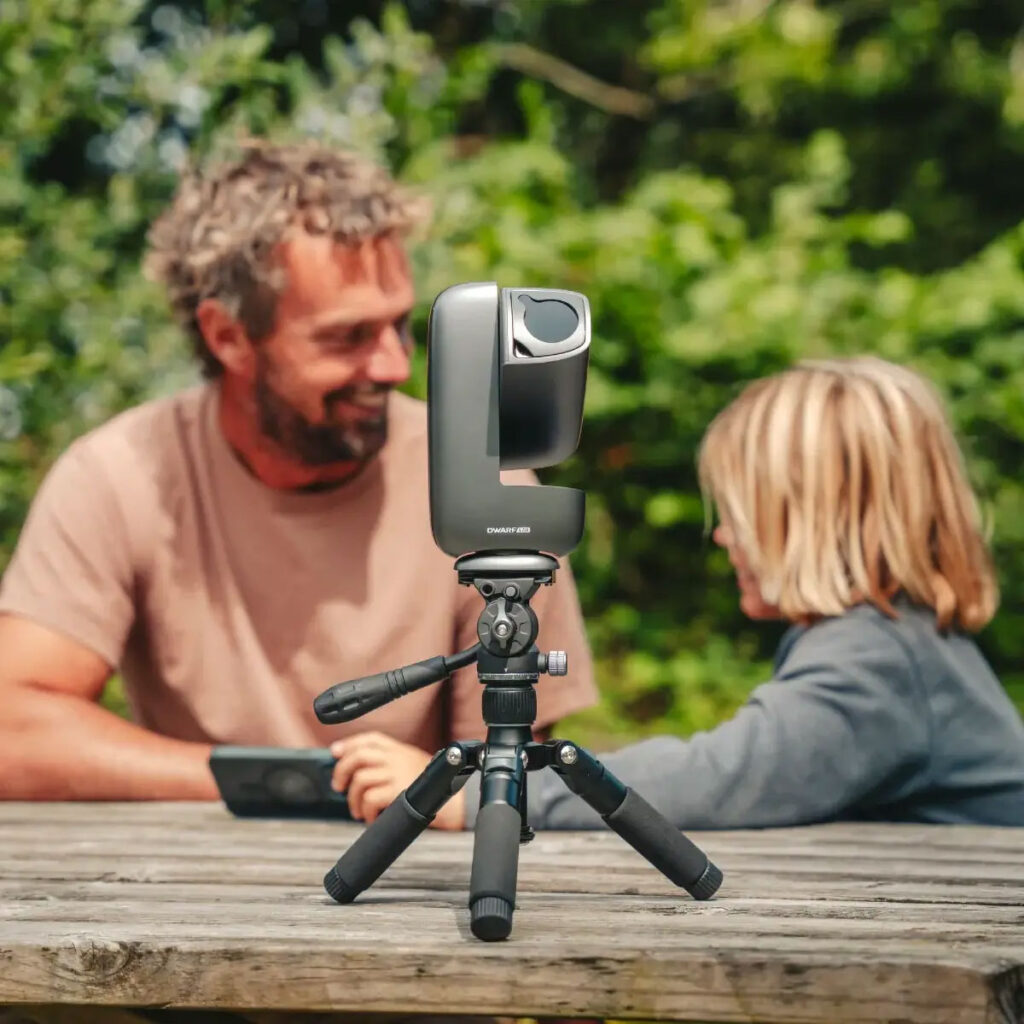
Billed as the world’s smallest smart telescope, this little big guy packs a precision astro camera, an auto-tracking mount, and an intelligent control system into a device measuring just 100.38 mm wide, 183.61 mm tall, and 60.70 mm deep. It tips the scales at only 840 g, which means you can easily slip it into a backpack and bring it to the stargazing spot of your choice.
And the best part is that it is incredibly easy to set up. You could be shooting the stars in a matter of minutes.
At its core is a telephoto astro camera built around Sony’s IMX662 image sensor, featuring a 1/2.8-inch sensor with 2.9 µm pixels. The telephoto lens measures 150 mm (1016 mm equivalent) with a 30 mm aperture, allowing the telescope to capture detailed images of celestial objects. It supports 2 MP RAW photography, which means astrophotography enthusiasts can extract more detail during editing.
For deep-sky photography, the telescope offers Equatorial Mode, allowing up to 90-second extended exposures to capture faint celestial signals. Three built-in filters—Dark-Frame Filter, Astro Filter, and Dual-Band Filter—help reduce noise and enhance nebula detail.
Of course, capturing the image is only half the story. The Dwarf Mini also comes with intelligent processing tools built into its companion app. Using Stellar Studio, the system can automatically correct star points, remove noise, and enhance nebula details, turning raw astrophotography into share-worthy images in under three seconds. For those who prefer more control, the system also supports custom calibration frames for fine-tuning astrophotography results.
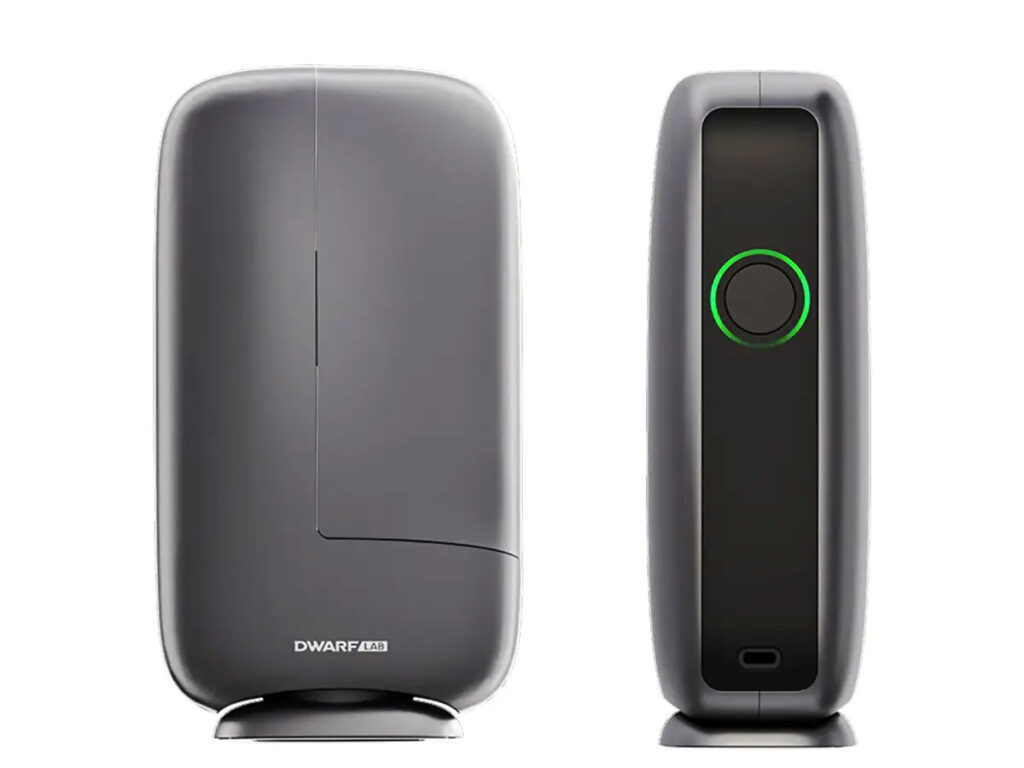
The telescope is also equipped with a secondary wide-angle camera using a 1/2.8-inch OSO2K10 sensor paired with a 6.7 mm lens (45 mm equivalent) and 3.4 mm aperture. This camera helps with framing and wider views, while the telescope itself supports stills, video, burst, time-lapse, and astrophotography modes.
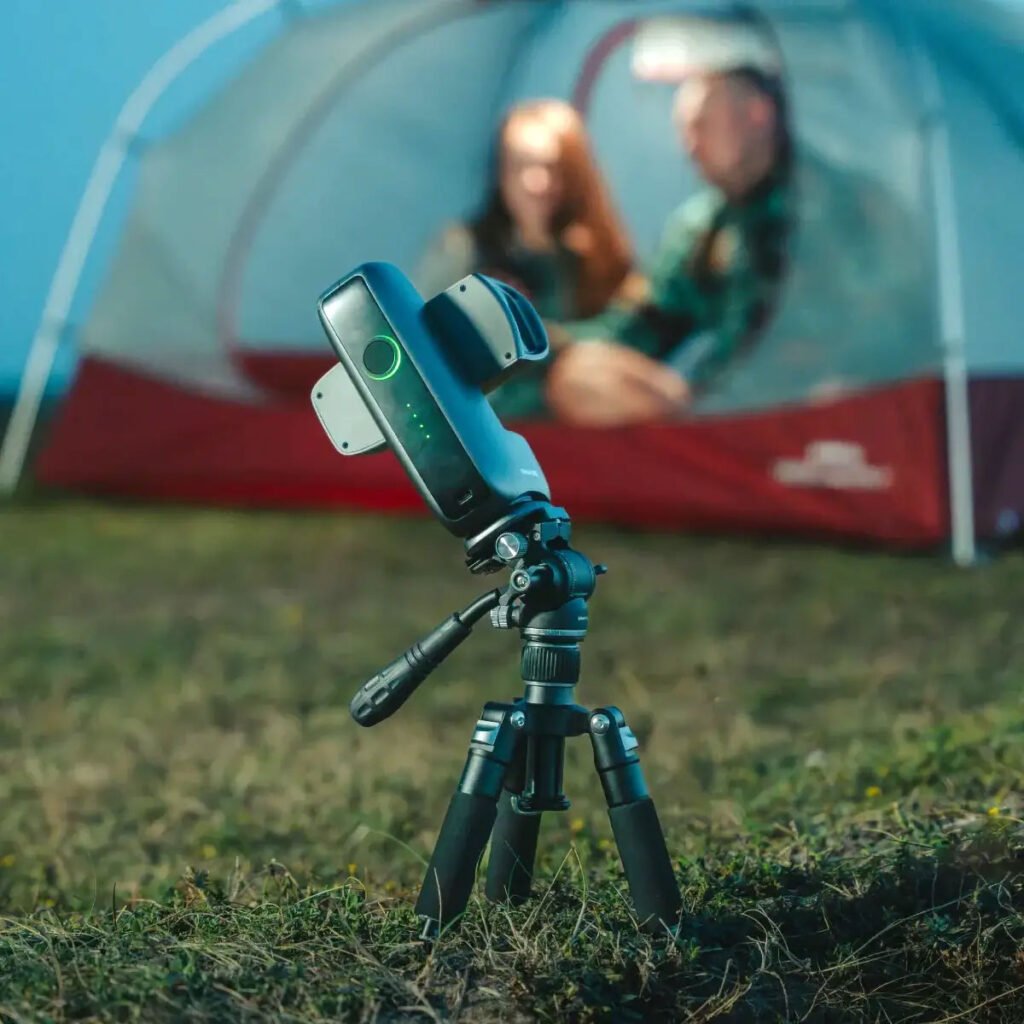
Navigation and tracking are handled by the telescope’s Auto GoTo precision system, which automatically tracks celestial objects once selected. The lens barrel can rotate 225 degrees, while the gimbal offers 360-degree rotation, giving the device excellent positioning flexibility.
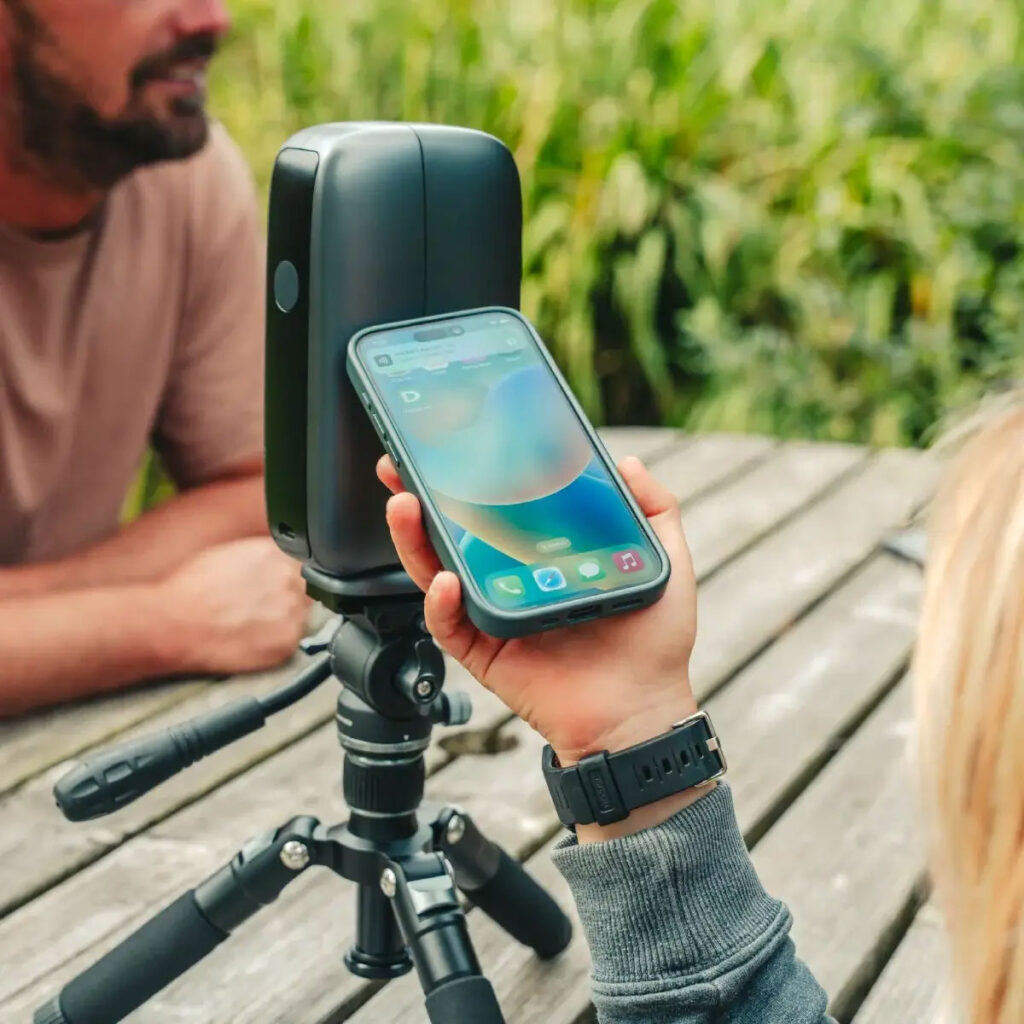
Control is flexible as well. The telescope supports manual operation or app-based control, with connectivity handled through dual-band Wi-Fi (802.11 b/g/n/a/ac) and Bluetooth 5.0. A USB-C port (USB 2.0) is also included for wired connections and charging.
Storage comes in the form of 64 GB of built-in memory, which is enough to hold a good number of stargazing sessions.
Power is supplied by a 7,000 mAh battery, providing up to four hours of astrophotography per charge. You can even set the telescope to capture images automatically while you sleep.
The Dwarf Mini Astronomy Smart Telescope works with both Android and iOS devices.
If anyone’s interested, this pocket-sized gateway to the cosmos is available for US$399.
Images: Dwarf Lab.