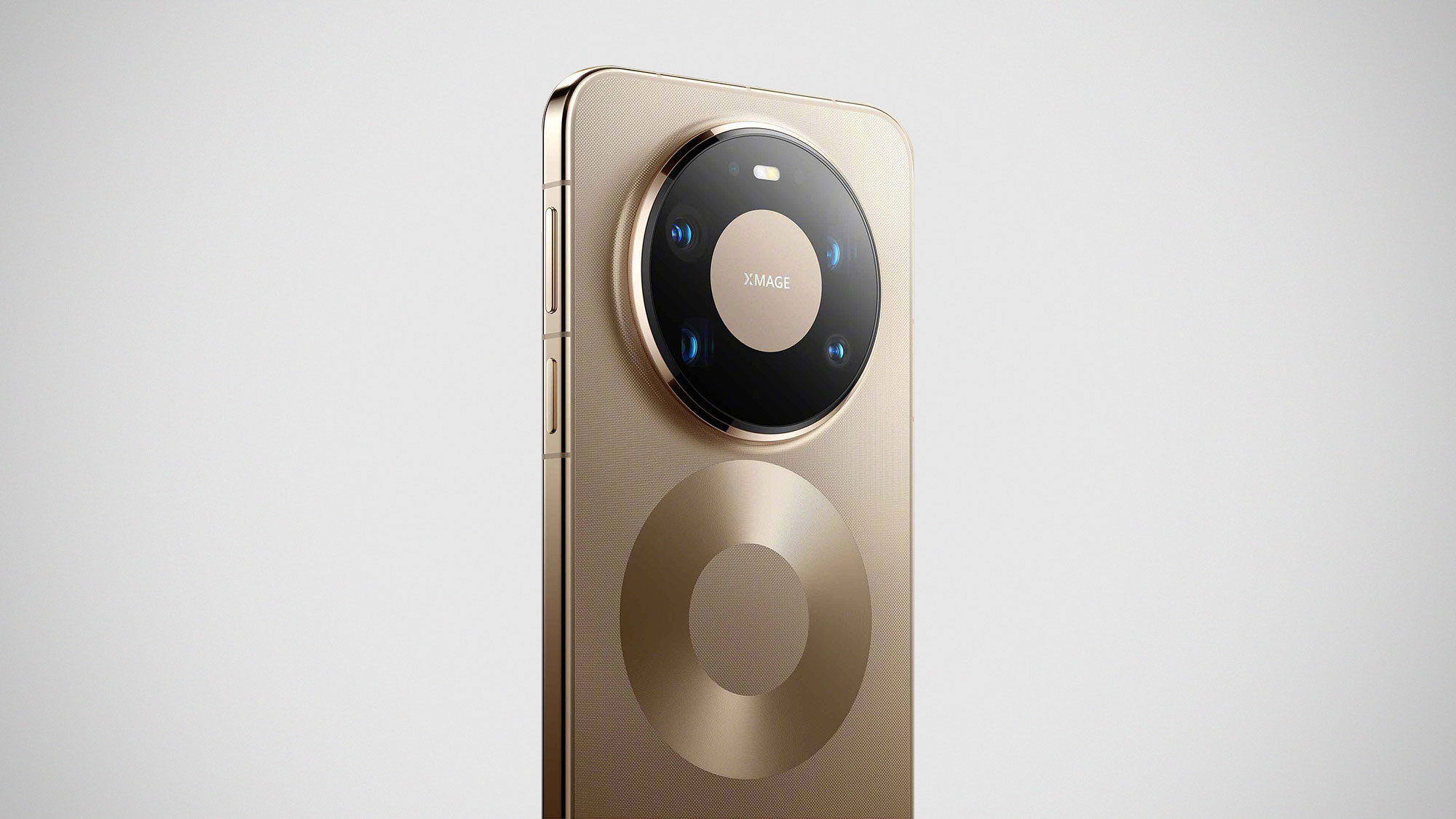
Did the recently launched Huawei Mate 70 Air throw you off about the new Mate 80’s arrival? It probably did. So, yeah, the Mate series has just welcomed the latest generation, which comprises four models, similar to last year’s Mate 70, namely the Mate 80, Mate 80 Pro, Mate 80 Pro Max, and Mate 80 RS. We will delve into the RS in the next article, as there is a lot to talk about. At this point, the Mate series has solidified itself as a classy device, and the new Mate series continues to do so, this time with a design that I think will be very memorable.
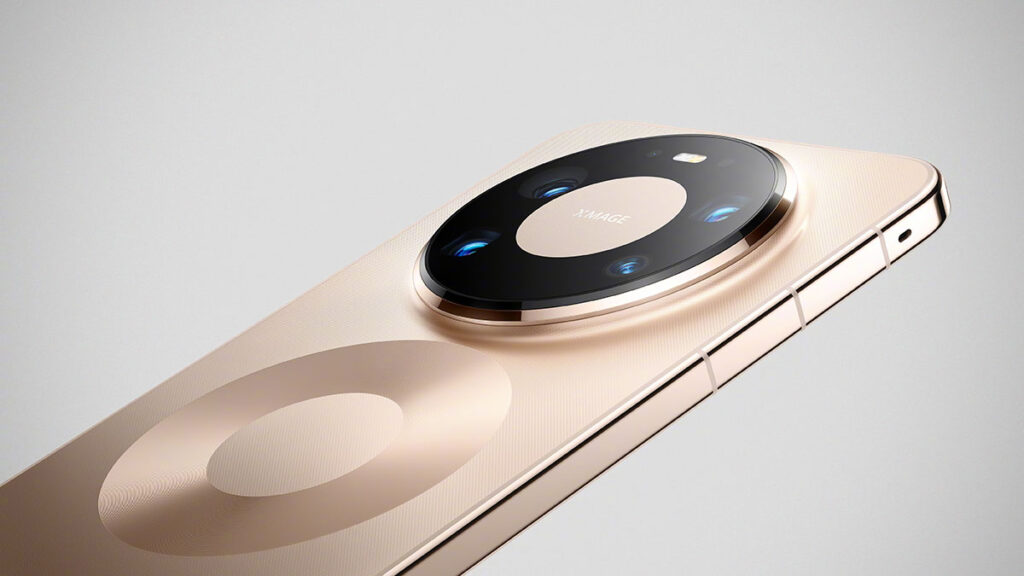
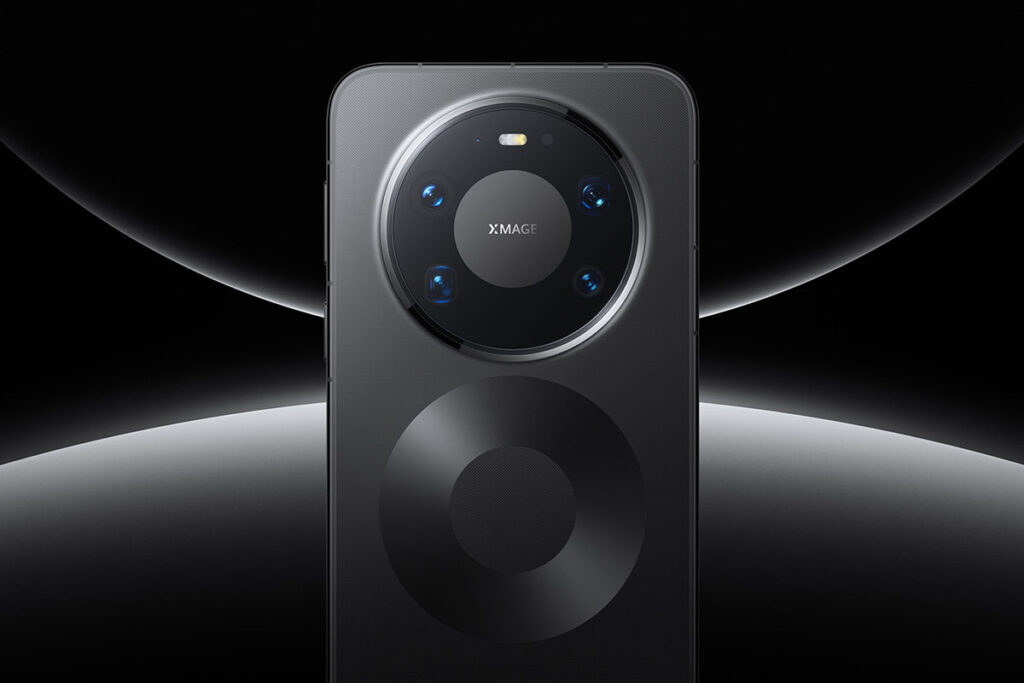
Where most smartphones conceal the fact that they have a coil under the back cover, the new Mate 80 series flaunts it by literally having a circle on the back. This circle and the refined round camera module, which happens to be the same size, seemingly form the number “8,” an auspicious number in Chinese culture.
Huawei Mate 80
Kicking off the lineup is the entry-level flagship, the Mate 80 [CH], which highlights includes a 6.75-inch 1–120 Hz LTPO adaptive refresh-rate OLED display with 2,832 × 1,280 pixel resolution, second-generation Kunlun glass, Kirin 9020 chip, Huawei’s Xuanwu architecture, IP68 rating with water resistance to 6 meters, IP69 high-temperature/high-pressure water spray resistance, 2.4 GHz seamless wireless connectivity, Beidou satellite messaging, a 5,750 mAh battery with 66 W Super Fast Charging and 50 W Huawei Wireless Charging, and a second-generation XMAGE camera system featuring a 50 MP variable-aperture main camera with OIS and RYYB sensor, a 12 MP periscope telephoto camera with OIS and RYYB sensor, and a 40 MP ultra-wide camera. The front gets a 13 MP super-wide-angle selfie camera with a 3D depth-sensing camera.
Other spec-sheet details include Bluetooth 6.0, dual-band WiFi, WiFi 7, SparkLink NearLink E2.0, USB 3.1 Gen1 (Type-C interface), NFC, and a suite of positioning systems and sensors (including IR, 3D face recognition, and more).
Huawei Mate 80 Pro
The Mate 80 Pro [CH] is everything the Mate 80 is, but with a more capable chip—or should I say “chips”—because the Kirin 9030 Pro powers the 16 GB RAM model while the 12 GB RAM model benefits from the Kirin 9030. Available ROM options are 256 GB, 512 GB, and 1 TB. In the imaging department, it shares the same front-facing camera with 3D depth sensing, but the rear features a triple-camera setup comprising a 50 MP variable-aperture main camera with OIS and RYYB, a 40 MP super wide-angle camera with RYYB sensor, and a 48 MP telephoto/macro camera with OIS.
The battery is identical to the base model. However, the Pro enjoys faster charging with 100 W wired charging and 80 W Huawei Wireless Fast Charging. The Pro model features an Outdoor Exploration Mode that offers up to 13 days of extreme battery life and up to 33 hours of screen-off navigation.
Huawei Mate 80 Pro Max
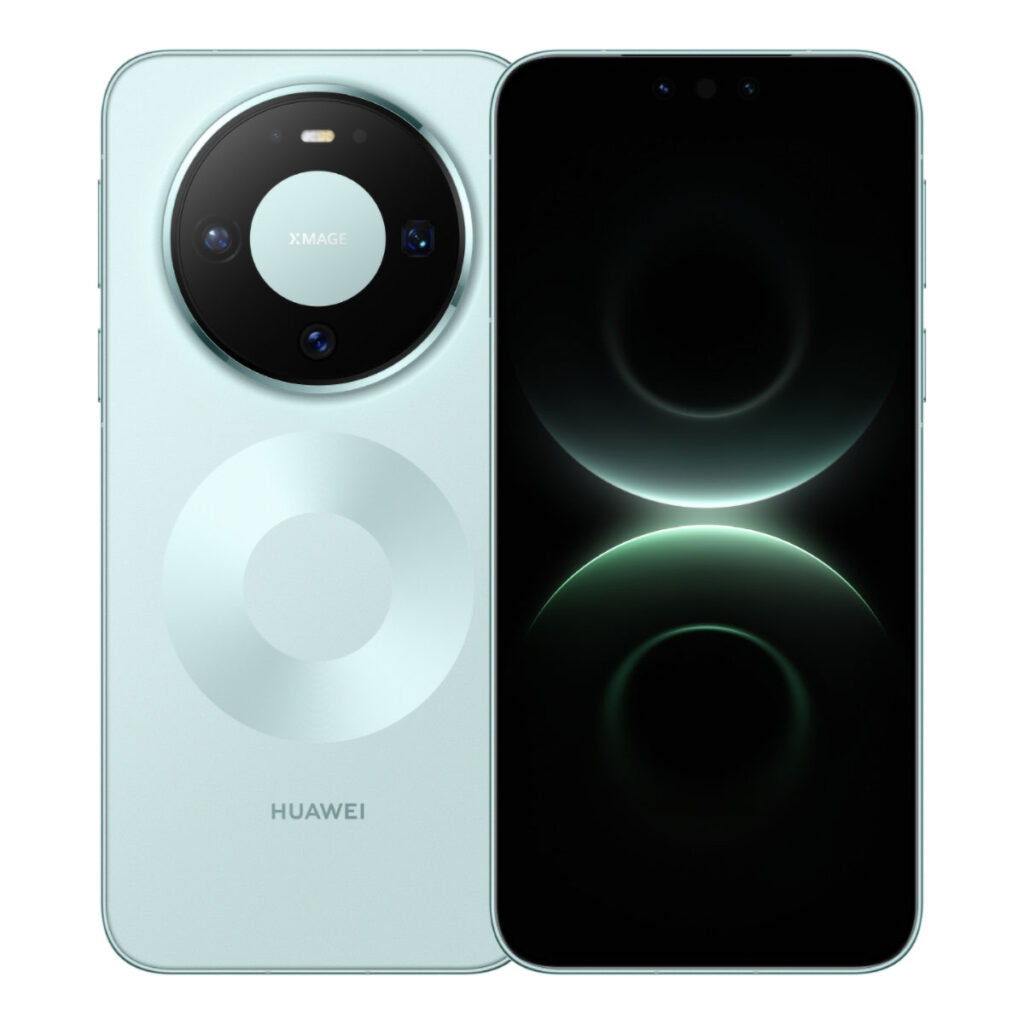
Finally, there’s the Huawei Mate 80 Pro Max [CH] for those who want everything in a single device. It is everything the Mate 80 Pro is, but runs exclusively on the Kirin 9030 Pro chip. Moreover, it features a metal Xuanwu architecture, and in addition to satellite messaging via Beidou, it also boasts satellite calls, texting, and data through Tiantong.
It also features a quad-camera setup with the second-generation XMAGE imaging, a 50 MP variable-aperture main camera with OIS and RYYB sensor, a 40 MP super-wide-angle camera with RYYB sensor, a 50 MP telephoto/macro camera with OIS and RYYB sensor, and another 50 MP telephoto camera with OIS and RYYB sensor. That’s right. It has not one but two telephoto cameras. The front is a 13 MP super-wide-angle camera with a 3D depth-sensing camera. This flagship of flagships also rocks the Outdoor Exploration Mode, but it boasts better endurance than the Pro mode, with up to 14 days of extreme battery life and up to 36 hours of screen-off navigation.
The Pro Max also boasts a larger 6.9-inch display featuring dual-layer OLED, supports 1–120 Hz LTPO adaptive refresh rate, 1440 Hz high-frequency PWM dimming, 300 Hz touch sampling rate, FHD+ 2,848 × 1,320 pixel resolution, 1.07 billion colors, P3 wide color gamut, and second-generation Kunlun glass. Finally, it has a high-capacity battery, coming in at 6,000 mAh, that supports 100 W Super Fast Charging and 80 W Huawei Wireless Fast Charging. All three devices support reverse wireless charging.
Pricing and Availability
The new Huawei Mate 80 series has been launched in China, with the Mate 80 starting at 4,699 yuan [CH], the Mate 80 Pro starting at 5,999 yuan [CH], and the Mate 80 Pro Max starting at 7,999 yuan [CH]. Both the standard and Pro models are available to order now. The Pro Max will be launched on November 30.
Images: Huawei [CH].