For decades, personal computers have worked the same way. You launch an app, click some buttons, type some words, and hopefully the machine does what you want. NVIDIA thinks that era is ending.
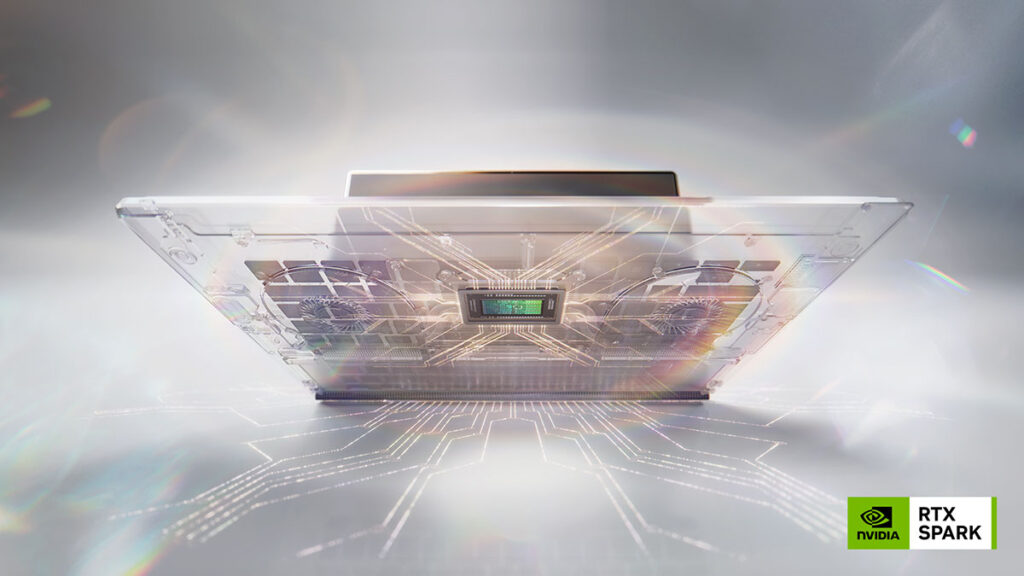
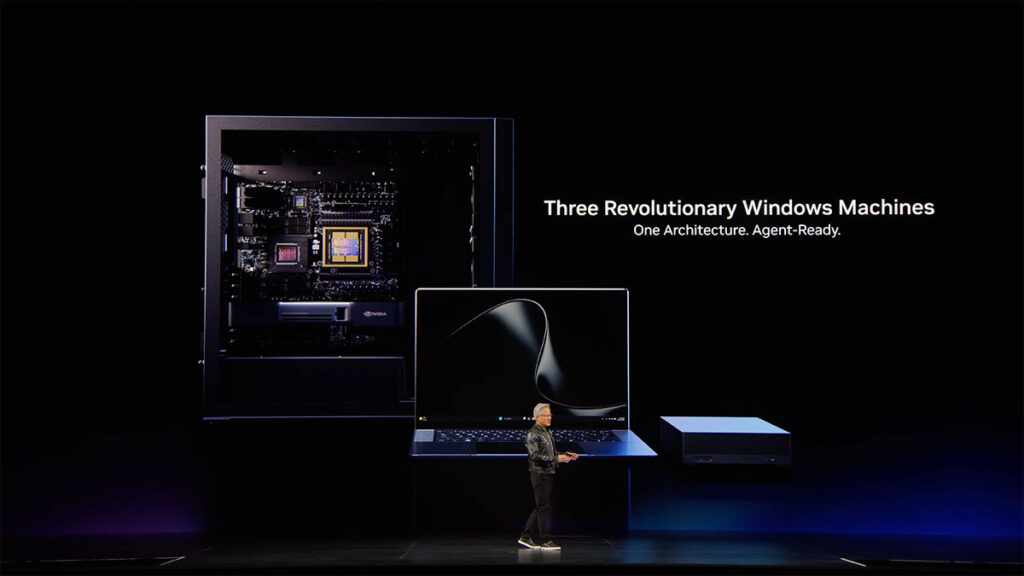
Together with Microsoft, NVIDIA has unveiled RTX Spark, a new computing platform designed for what both companies describe as the age of personal AI agents. Instead of merely running software, future Windows PCs powered by RTX Spark are intended to run AI assistants locally, helping users create content, automate tasks, and handle increasingly complex workloads without constantly relying on cloud services.
If that sounds like marketing fluff, the hardware backing it up is anything but ordinary.
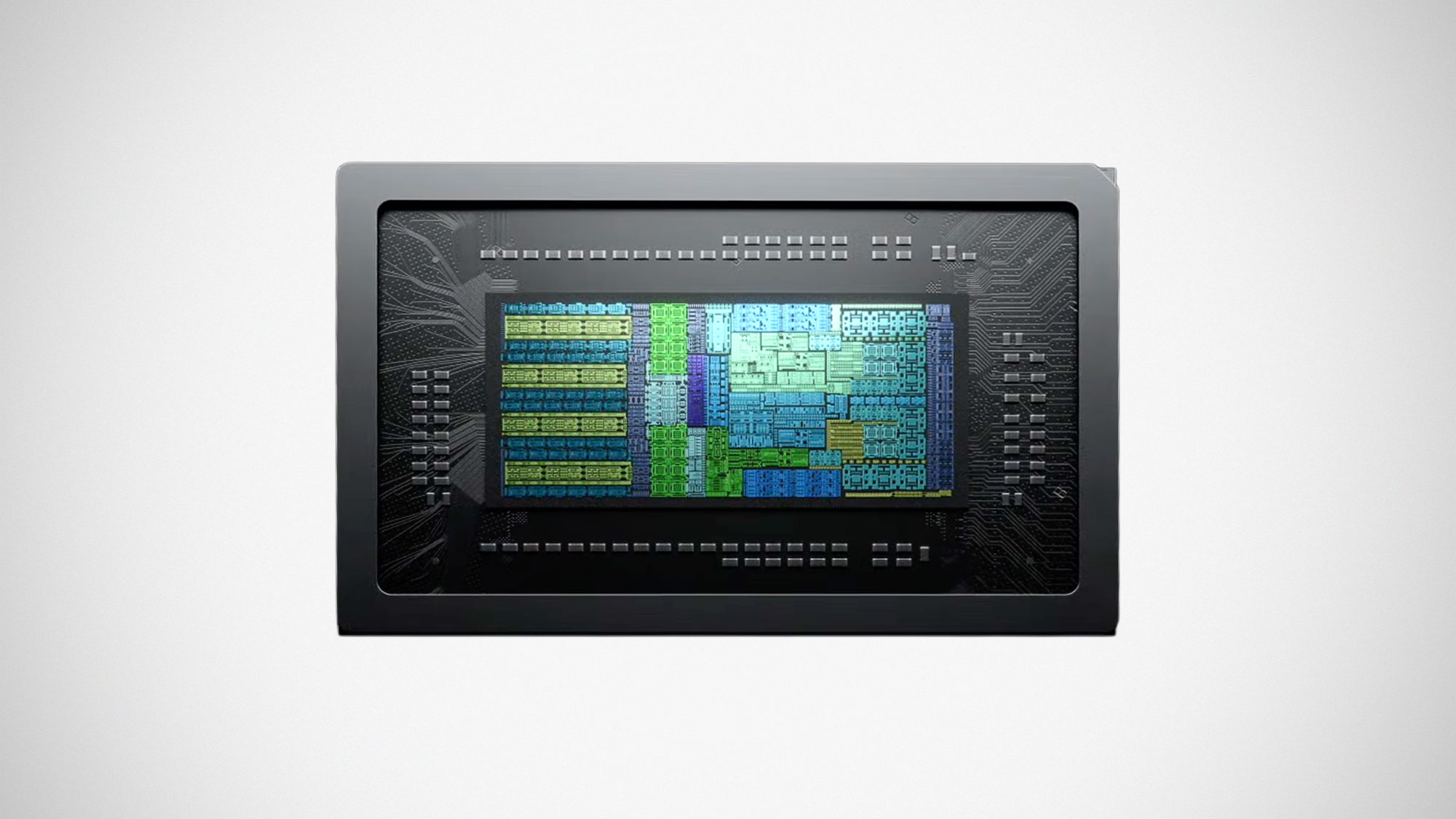
At the heart of RTX Spark is a custom 20-core NVIDIA Grace CPU developed with MediaTek, paired with an NVIDIA Blackwell RTX GPU packing 6,144 CUDA cores. In an industry dominated by Intel and AMD processors, RTX Spark marks NVIDIA’s most serious push yet into the personal computer space. Grace itself is not new—it has already powered data center and AI systems—but RTX Spark brings the architecture into consumer PCs in a big way.
The result is a platform capable of delivering up to one petaflop of AI performance. That is one quadrillion calculations per second, which sounds like the kind of number engineers invent after running out of smaller ones.
NVIDIA is pairing that processing power with up to 128 GB of unified memory connected through NVLink-C2C, allowing the CPU and GPU to access the same memory pool at speeds reaching 600 GB/s. In plain English, data spends less time waiting around and more time getting actual work done.
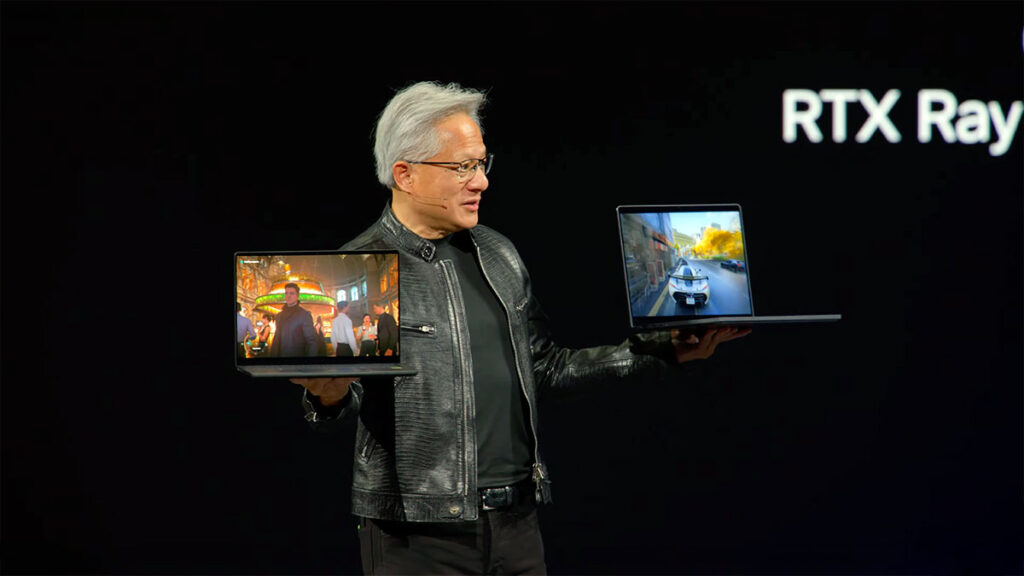
That extra horsepower opens the door to some rather ridiculous capabilities. NVIDIA says RTX Spark systems can run AI models with up to 120 billion parameters locally, complete with context windows reaching one million tokens. For creators, the platform can render 90 GB 3D scenes, edit 12K 4:2:2 video, and generate 4K AI video content. Gamers are not left out either, with NVIDIA claiming 1440p gaming at more than 100 fps using ray tracing and DLSS.
Even Adobe is getting involved. Photoshop and Premiere are being reworked specifically for RTX Spark, with performance gains of up to two times compared to current implementations.
Perhaps the most interesting part is not the hardware itself, but what it represents. NVIDIA is no longer content being the company that sells graphics cards. With Grace CPUs, Blackwell GPUs, unified memory, CUDA, RTX technologies, AI software, and Windows agent integration, it is building an entire computing platform from the silicon up.
The AI PC race was already heating up. RTX Spark feels like NVIDIA showing up with a flamethrower.
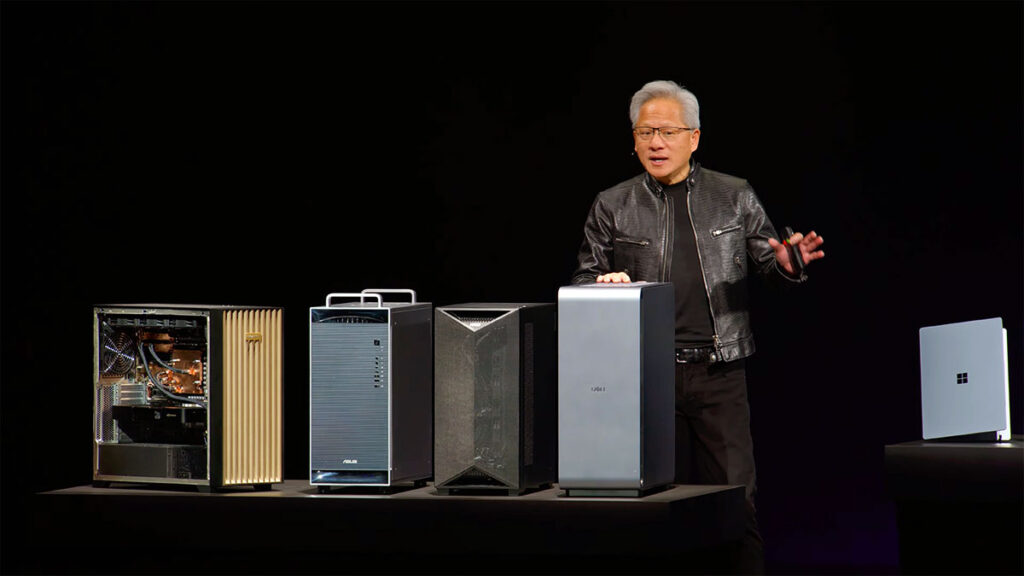
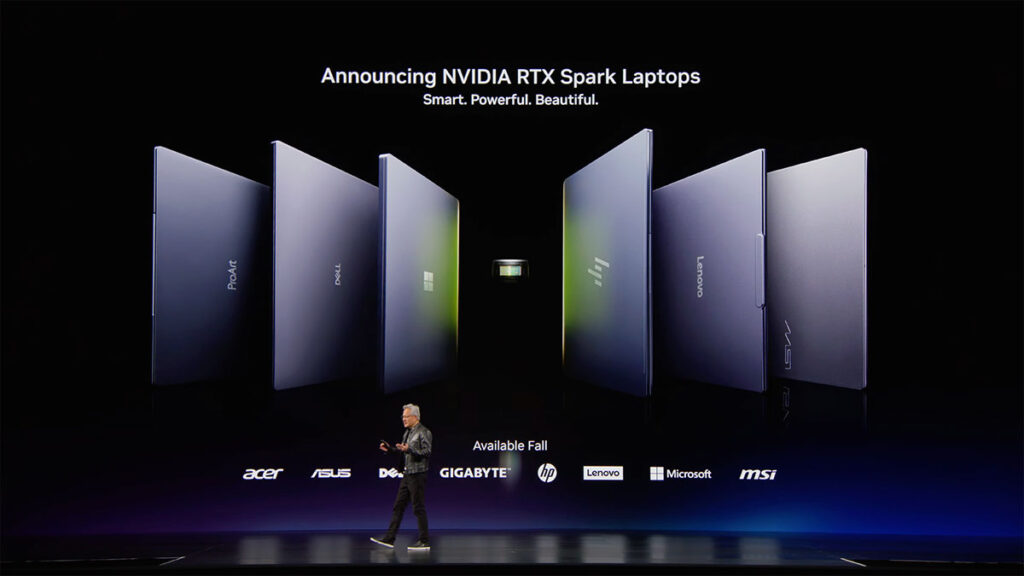
RTX Spark-powered laptops and compact desktops are expected to arrive this fall from ASUS, Dell, HP, Lenovo, Microsoft Surface, MSI, and others. Whether this becomes the future of personal computing remains to be seen, but one thing is clear: NVIDIA no longer wants to sit inside your PC. It wants to define what the PC becomes next.
You can learn more about NVIDIA RTX Spark here.
Images: NVIDIA.