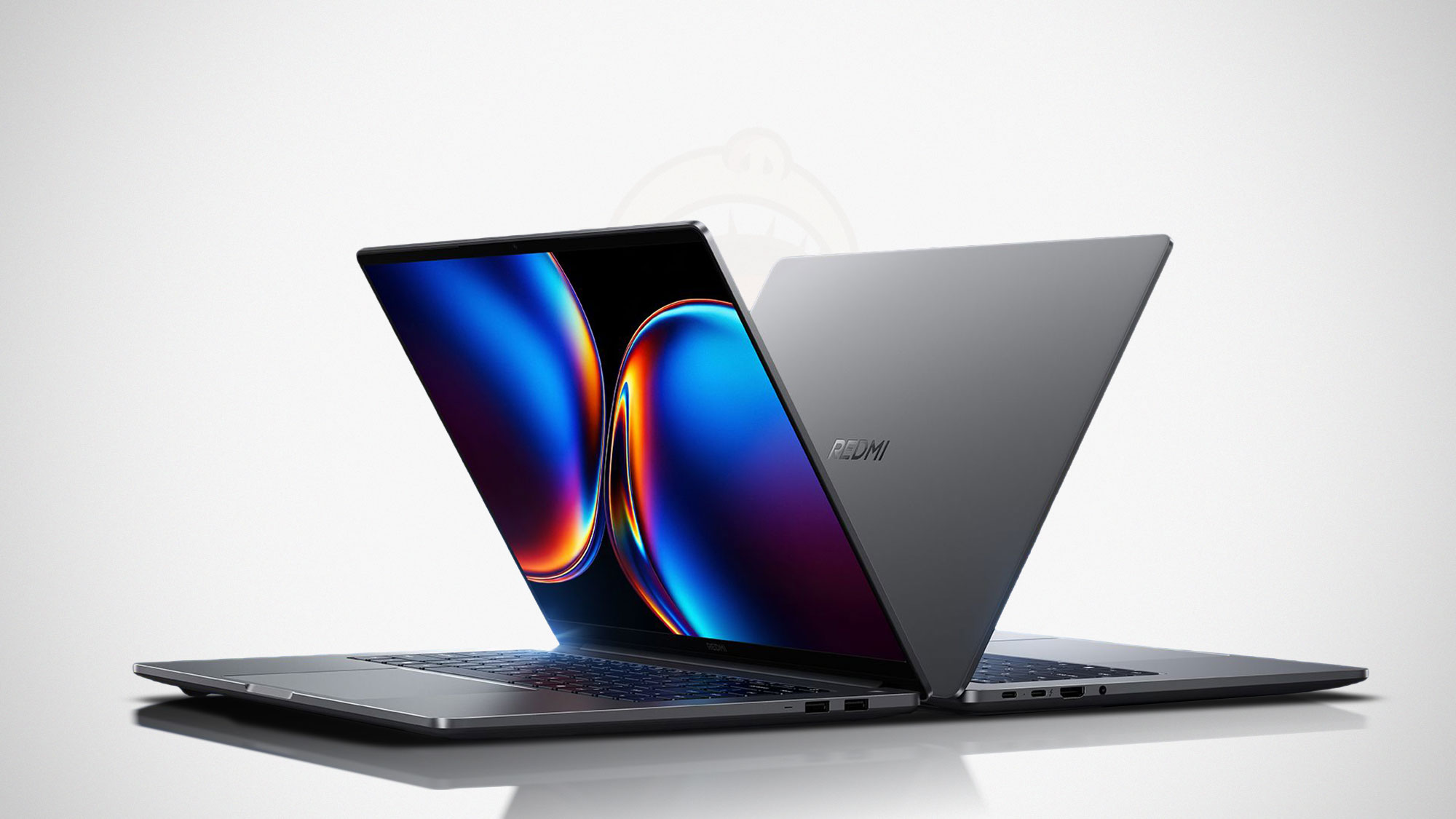
Not many people know that Redmi also has laptops. Then again, which mainstream smartphone maker does not have at least one or two laptop models, right? Anyhoo, the Redmi Book Pro 16 2026 you see here is its latest. It is billed as a “flagship performance, high-performance AI” machine. And yes, it is one of those Windows AI+ PCs. It features Intel’s Series 3 Core Ultra processors with up to 180 TOPS of AI computing power, Intel 18A process technology, and integrated graphics performance said to be improved by as much as 70.4 percent.
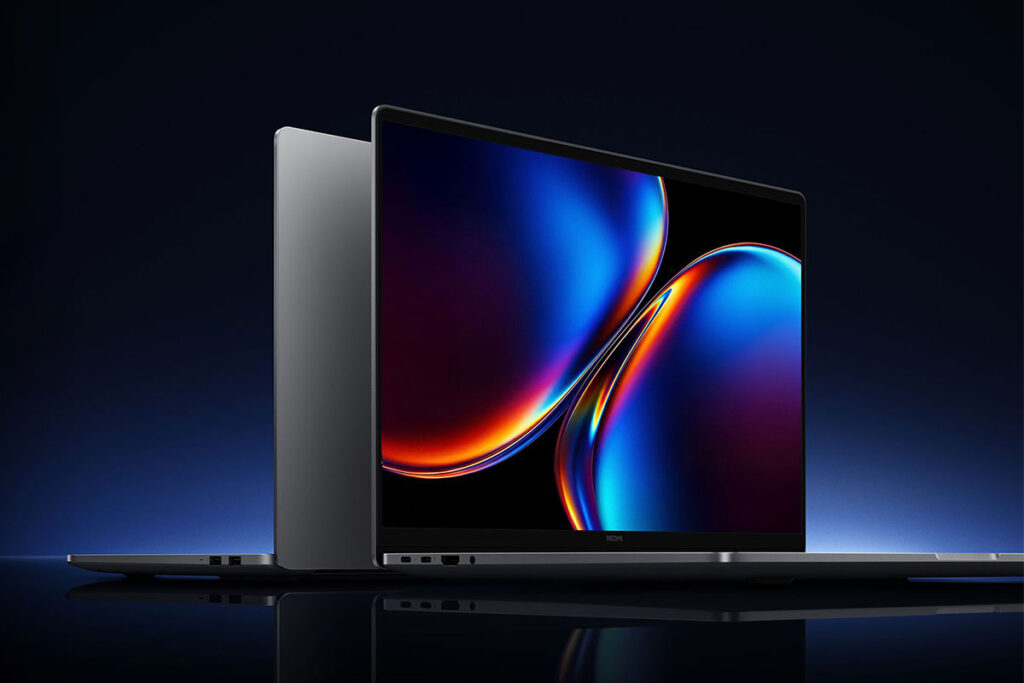
Speaking of graphics, it can be configured with Intel Arc B390 integrated graphics, which Redmi says is capable of handling AAA gaming, 3D rendering, and large-scale video editing. Real-time ray tracing is supported, too. Yes, from an integrated GPU.
CPU options include the 8-core Core Ultra 5 325, the 12-core Core Ultra 5 358H, and the 16-core Core Ultra 7 358H. The CPU and GPU are joined by an NPU dedicated to AI tasks. Memory and storage are equally serious, with up to 32 GB LPDDR5x 9600 MT/s dual-channel RAM, a 1 TB PCIe 4.0 SSD, and even a spare M.2 slot for a second SSD.
If the spec sheet sounds a little overkill for a “Redmi laptop,” wait till you get to the cooling system. Redmi claims the Book Pro 16 2026 can sustain up to 80 W of full-system performance thanks to what it calls a Hurricane Cooling System. It uses dual 12 V fans with long and short blades, oversized cooling plates, plus dual D6 and D8 heat pipes. According to Xiaomi, the cooling area is 40 percent larger than the previous generation.
Battery life is equally ambitious. The laptop packs a huge 99 Wh battery that Redmi says can deliver up to 19.7 hours of simulated real-world usage or 30.4 hours of local video playback. There is also a 100 W GaN charger included, complete with a detachable cable. The machine even supports up to 90 W reverse fast charging over PPS, effectively turning the laptop into a giant power bank for phones and tablets. Redmi claims a REDMI K90 Max can charge up to 22 percent in just 10 minutes.
Naturally, AI is everywhere. Xiaomi’s AI Compute Scheduling dynamically allocates resources based on workload and usage scenarios, while the dedicated XiaoAi assistant key acts as a shortcut into Xiaomi’s growing AI ecosystem. Features include multimodal AI search, local personal knowledge bases that stay off the cloud, and deep search across documents, images, videos, audio files, and even compressed archives. Redmi really wants this laptop to feel like a proper AI workstation instead of just slapping “AI” onto the marketing slides.
The ecosystem angle is another major selling point. Through Xiaomi HyperOS Connect, the Redmi Book Pro 16 2026 integrates into Xiaomi’s “Human × Car × Home” ecosystem. Users can remotely wake or control the laptop through Xiaomi tablets, monitor CPU temperatures through the Mi Home app, and even transfer files with iPhones, iPads, and MacBooks after installing Xiaomi Interconnect Services. Drag-and-drop file sharing between a Redmi laptop and a MacBook was probably not on many bingo cards a few years ago.
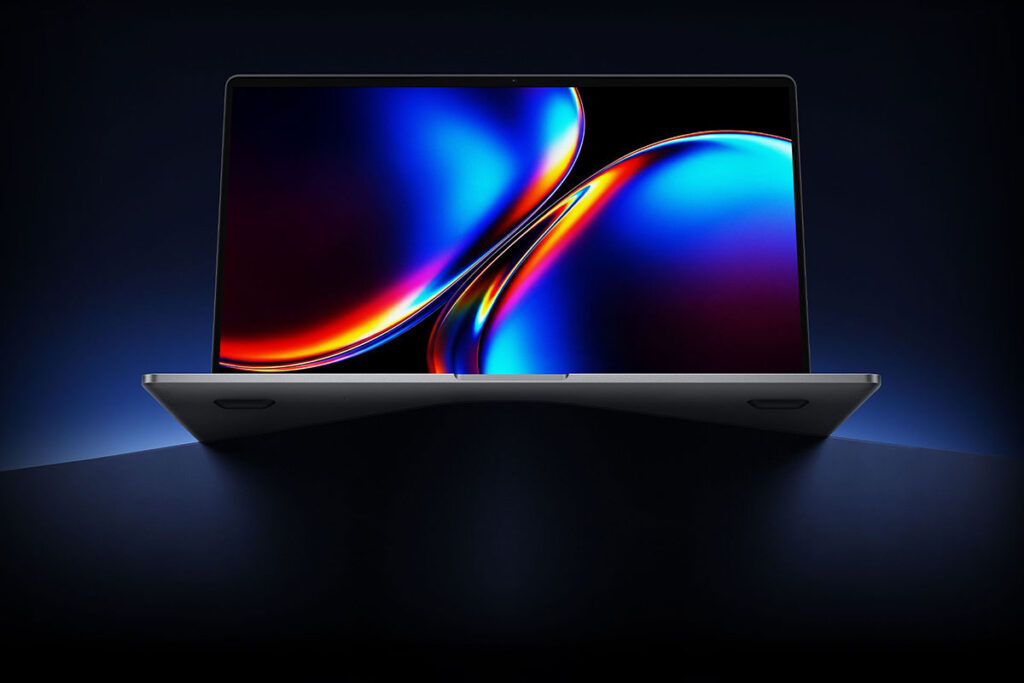
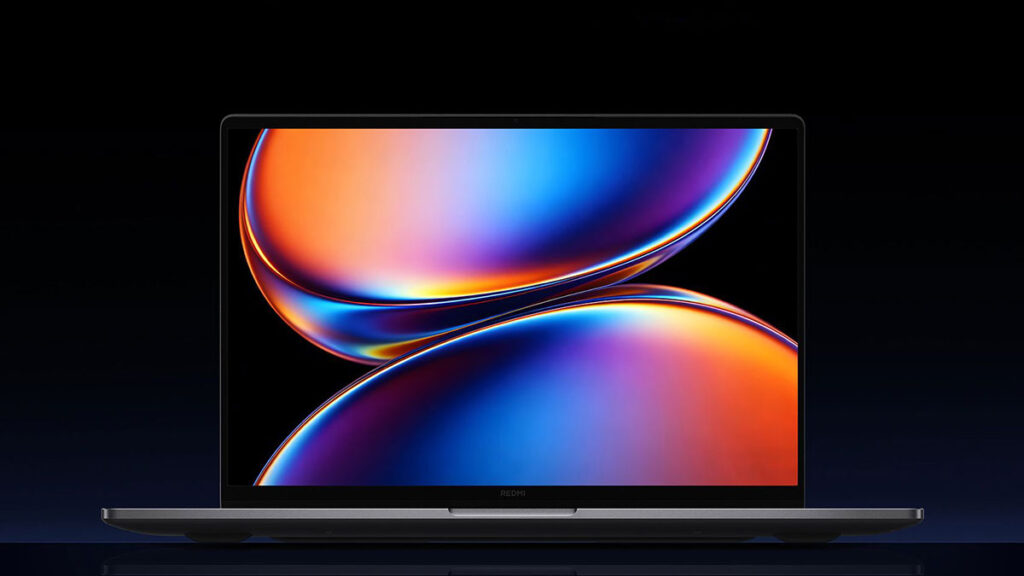
The display is a 16-inch 3.2K panel with a 3,200 × 2,000 resolution, up to a 165 Hz refresh rate, 100 percent DCI-P3 color coverage, and 500 nits brightness. Xiaomi also pushed hard on eye-care features with AI brightness adjustment, DC dimming, TÜV Rheinland low blue light and flicker-free certifications, plus dedicated eye-care, e-book, and programming modes. There is even Xiaomi’s “Qingshan Eye Protection” branding with an S++ visual certification from the China Quality Certification Center.
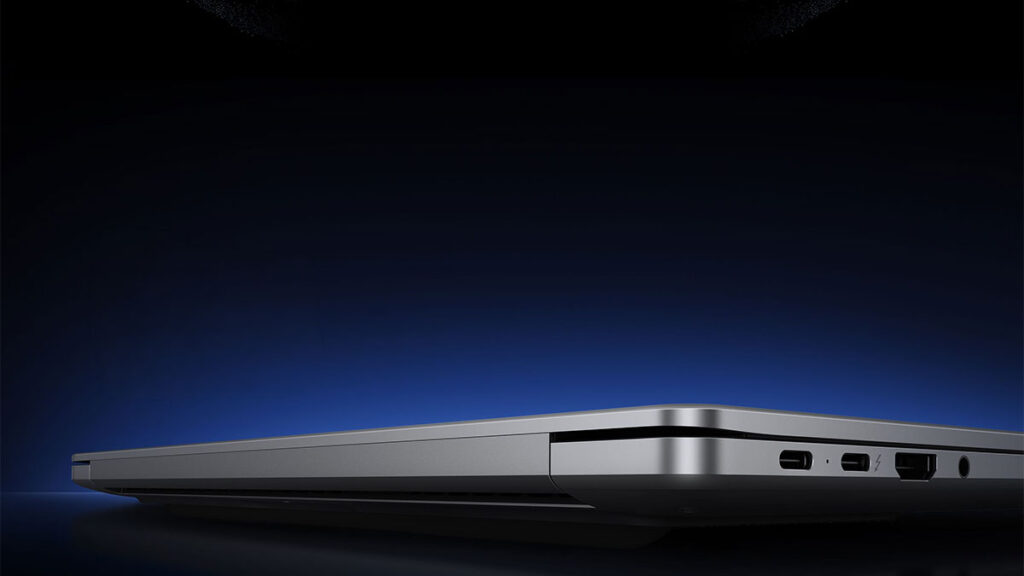
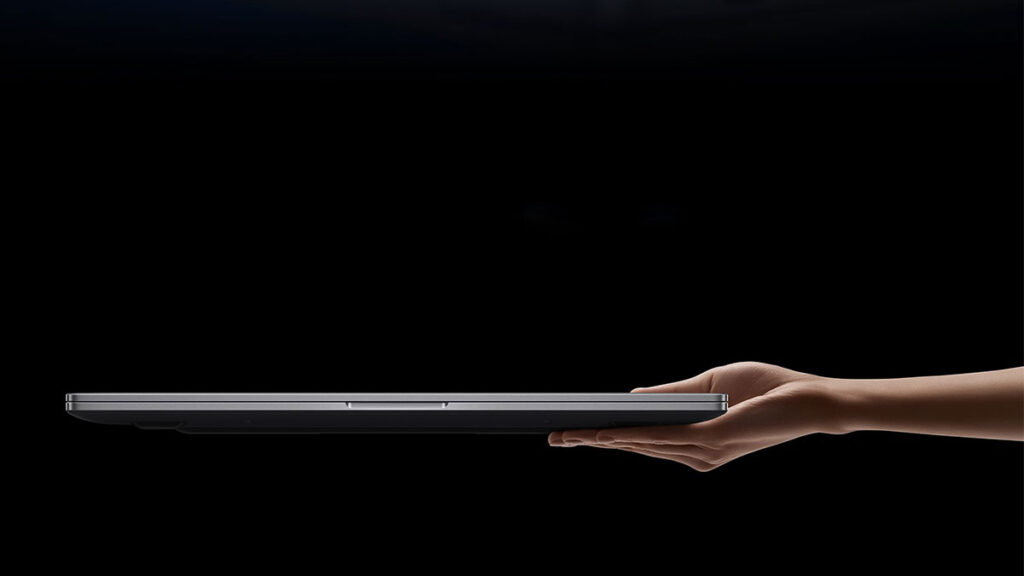
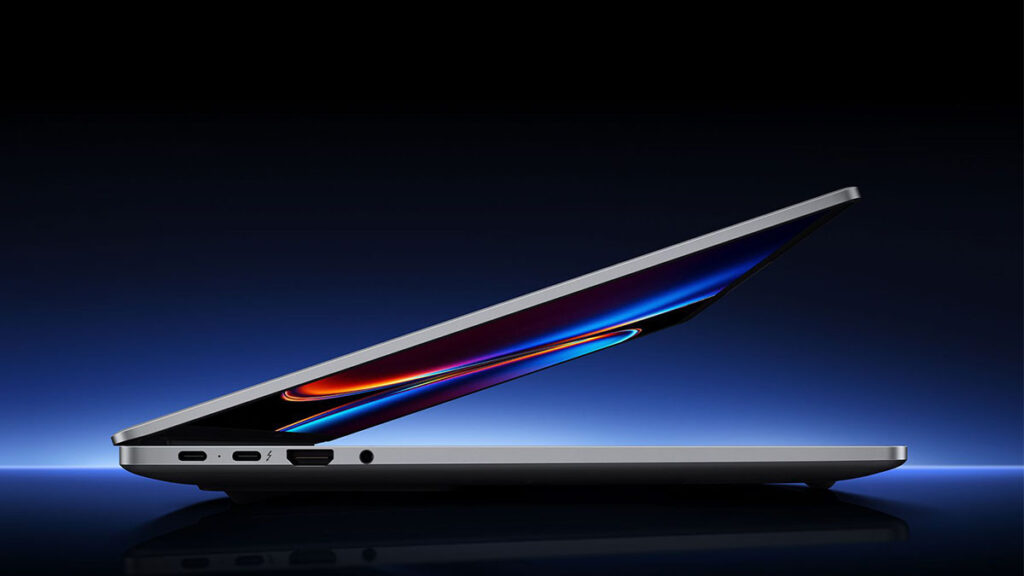
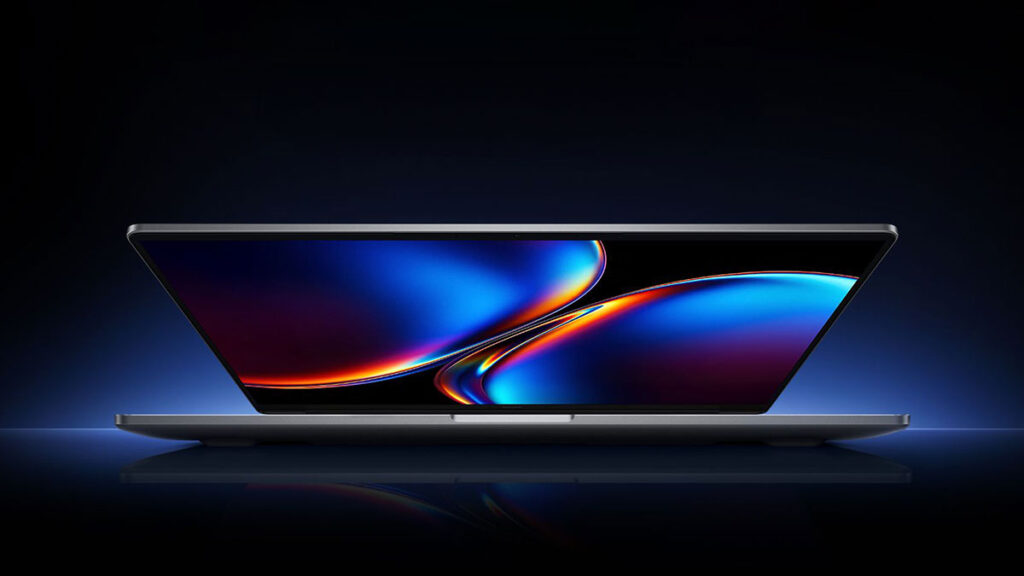
As for design, the Redmi Book Pro 16 2026 keeps things understated. The metal chassis measures approximately 15.9 mm thin and weighs around 1.88 kg (4.14 lbs). Redmi says the body structure and display have been reinforced for better durability, while the flat-lay hinge offers more flexibility in usage angles.
Ports are generous, too, as they are for most Chinese Windows laptops. You get dual USB-A 3.2 Gen 1 ports, full-function USB-C, Thunderbolt 4, HDMI 2.1 TMDS, and a 3.5 mm headphone jack.
Other touches include DTS audio, dual speakers, a 1080p webcam, a large touchpad with gesture support, a fingerprint reader integrated into the power button, and a new gray keyboard with adaptive backlighting and 1.3 mm key travel. It is the kind of laptop that looks restrained on the outside but goes absolutely wild once you start reading the spec sheet. We are not just saying it. It really is the case.
The Redmi Book Pro 16 2026 is available now in China [CH] in a choice of U5-325 24+1T, U5-338H 32+1T, and X7-358 32+1T for 7,199 yuan(~1,059 USD), 8,199 yuan (~1,206 USD), and 9,699 yuan (~1,426 USD), respectively.
Images: Xiaomi [CH].