You shouldn’t have battery anxiety with Android, let alone with rugged phones. But perhaps you will with the RugOne Xever 7 Series smartphones because they have a rather modest battery capacity of 5,550 mAh when compared to other Android phones, rugged or not. Nevertheless, both the Xever 7 and Xever 7 Pro’s 5,550 mAh lithium-ion polymer battery have pretty impressive life, at up to 333 hours of standby and up to 33 hours of talk time.
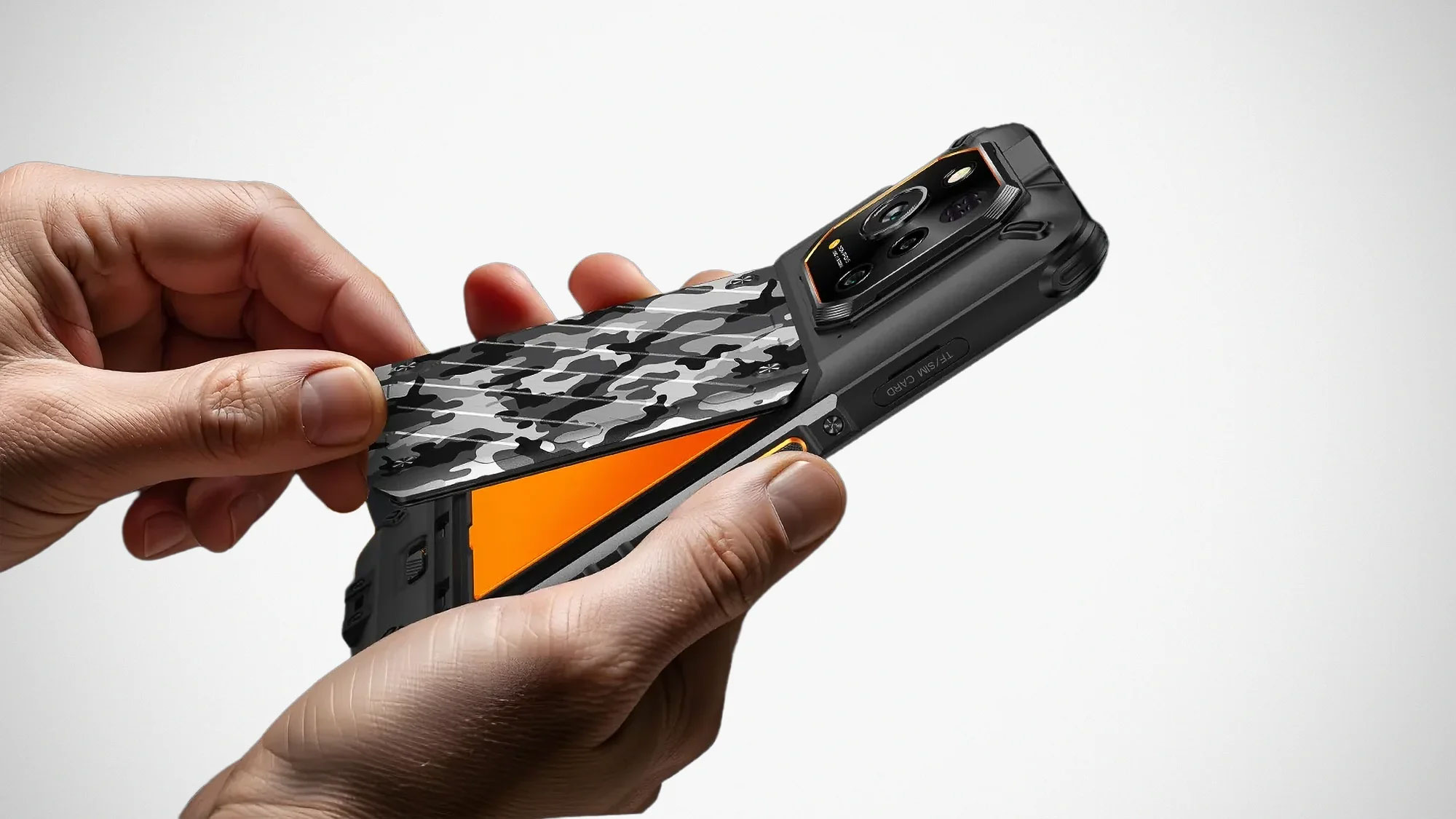
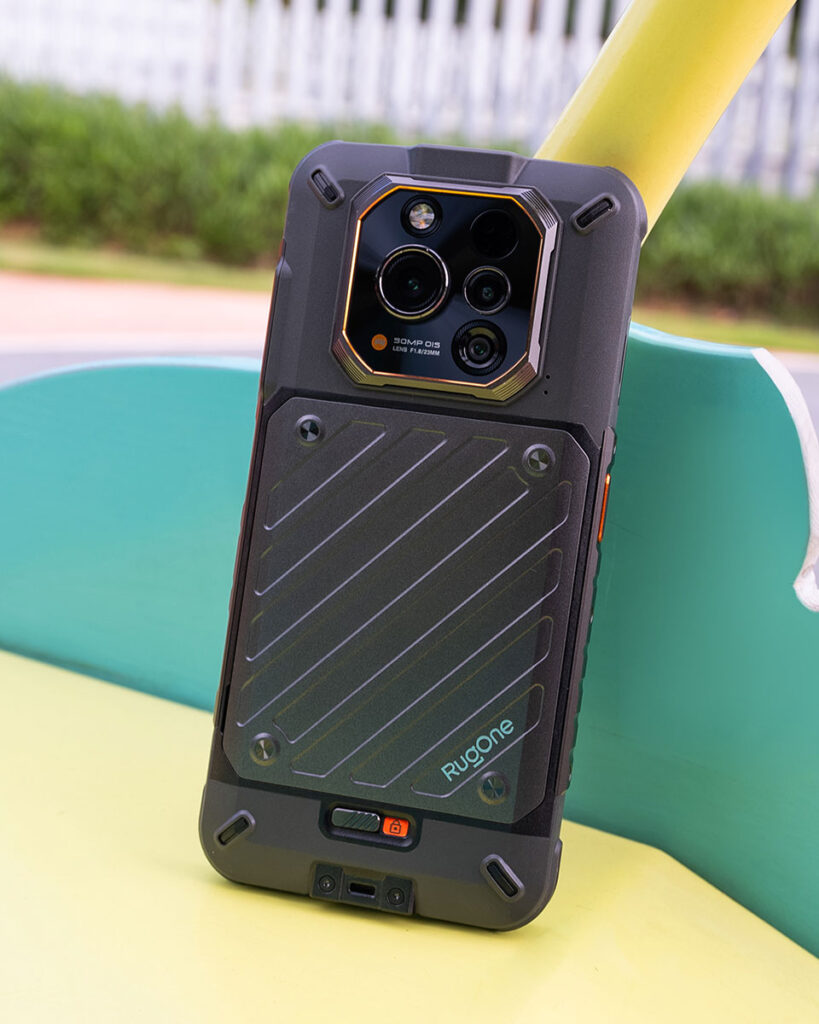
However, the Xever 7 has a trick that will quell users with battery anxiety. It has a swappable battery design, and it comes with two batteries. So technically speaking, you are actually getting a phone with a whopping 11,100 mAh battery, and a theoretical standby time of 666 hours. This allows RugOne to keep the thickness and the weight in check.
But the true tech here isn’t the replaceable battery, or how it managed to retain rugged features along with it. It is the fact that battery swaps can be done in under 180 seconds without powering the device down. Now that’s innovation. I don’t believe any Nokia in the 90s was able to pull this off.
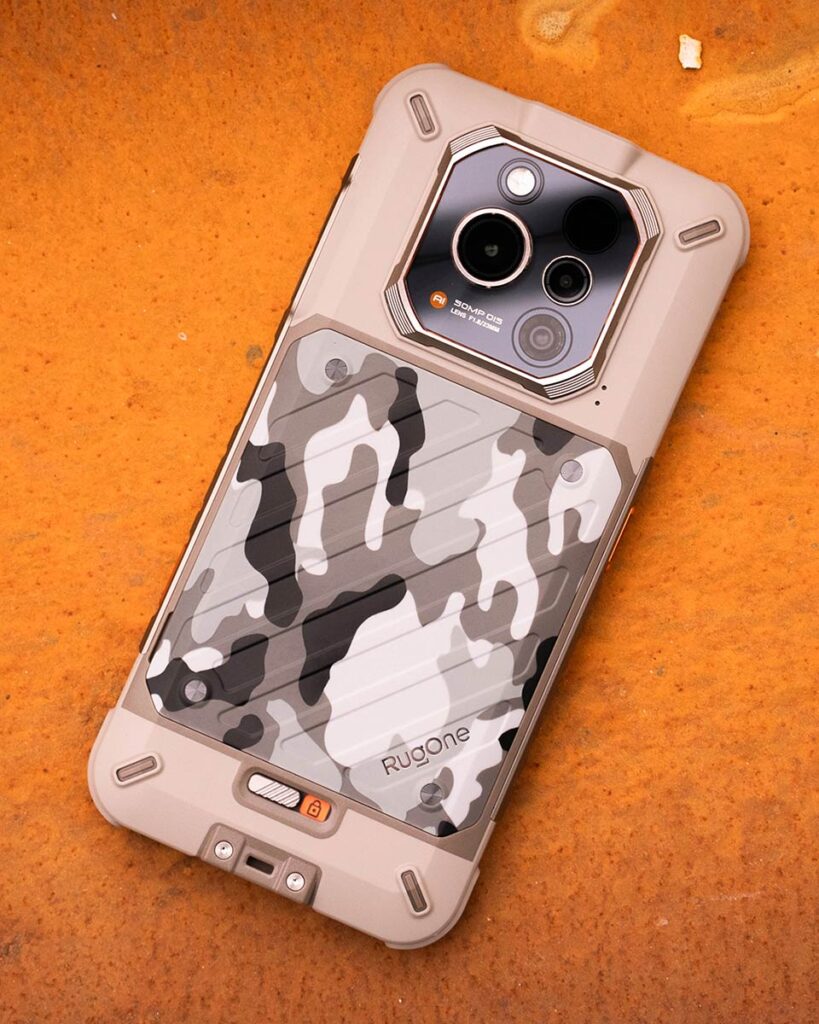
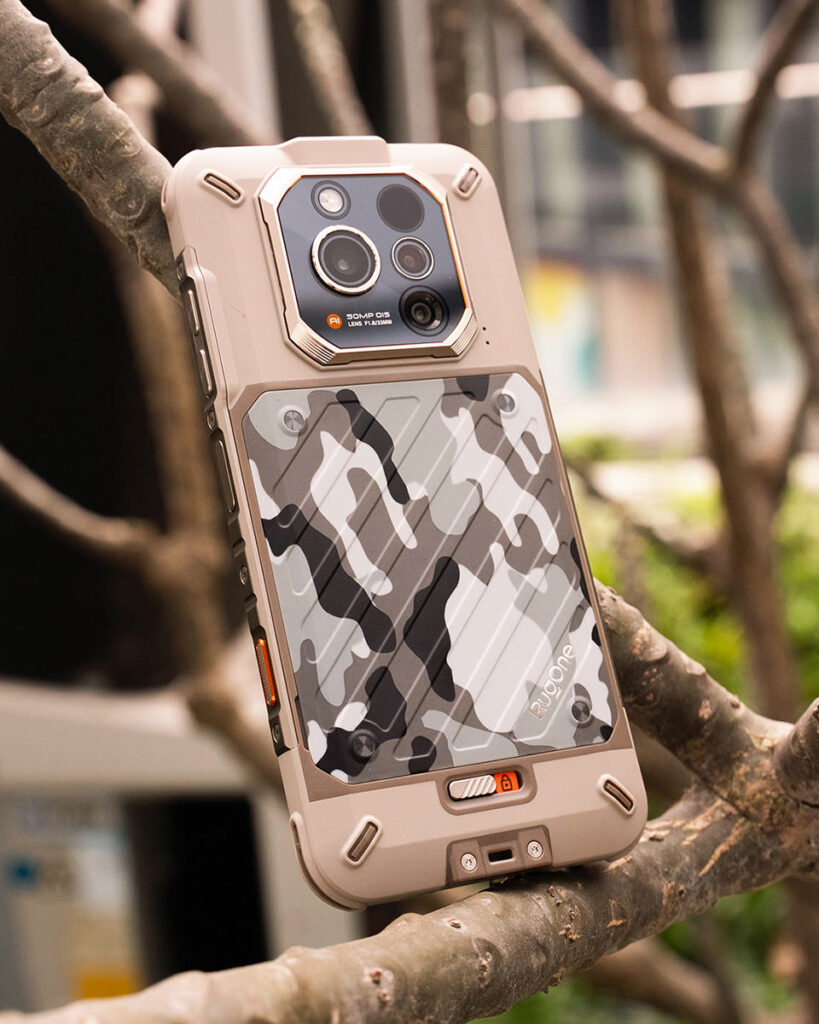
The device was first introduced at IFA 2025, and recently, Ulefone/RugOne brought it to MWC 2026 again. This appearance also introduces a new color: Sand Dune.
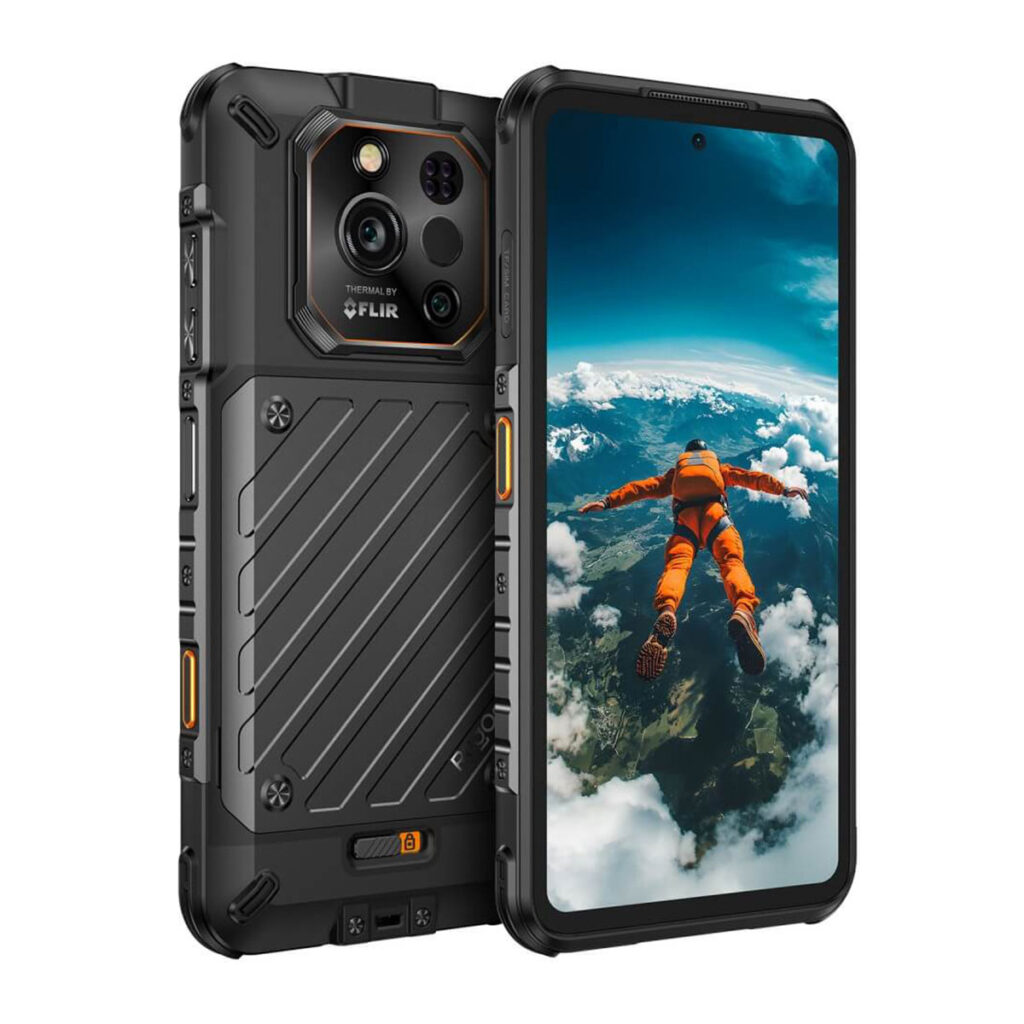
The Xever 7 and Xever 7 Pro are essentially the same, differing mainly in imaging. The standard Xever 7 gets a 50 MP OIS main camera with AI-powered steady motion, a 64 MP night vision camera enabled by quad IR LEDs, plus a 50 MP ultra-wide camera. Meanwhile, the Pro model also has the 50+64 setup, but replaces the ultra-wide with a thermal imaging camera powered by the FLIR Lepton 3.5. It offers 160 x 120 thermal resolution, a frame rate of 8.7 Hz, and 12 μm pixel pitch.
The Xever 7 Series is built to survive. Even with a user-removable battery, the series remains IP68 rated, affording up to 2.0 meters underwater for up to 30 minutes, and it is IP69K rated, too. In addition, it claims to meet MIL-STD-810 standards. Though it is worth noting that MIL-STD-810 has no certification.
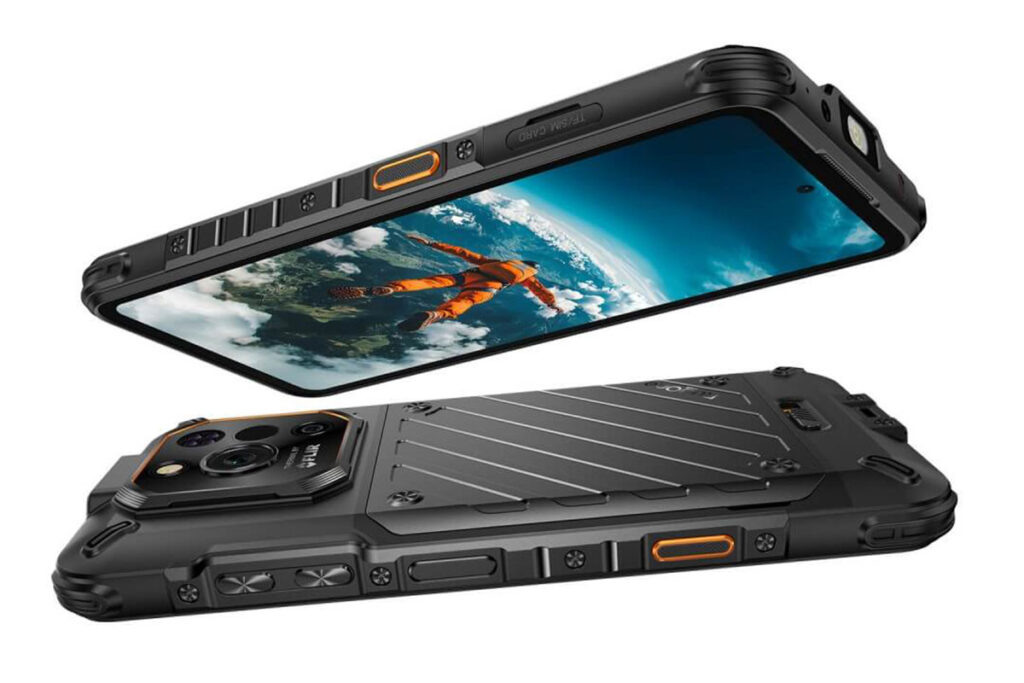
It is a standard based on a set of test methods published by the U.S. Department of Defense. In other words, labs, or in some instances the handset makers themselves, can perform the tests exactly as described, such as in this instance where the device is drop-tested up to 2 meters. So yes, the phone is tested to MIL-STD-810, but not technically certified.
A few other unique features include left and right physical shortcut keys, a built-in lanyard hole, a secure battery cover latch, and a built-in glare flashlight found at the top alongside the 3.5 mm headphone jack and IR blaster.
The RugOne Xever 7 Series is powered by the MediaTek Dimensity 7025 System-on-Chip, a fast mid-range chip featuring an octa-core processor comprising two Arm Cortex-A78 cores up to 2.5 GHz and six Arm Cortex-A55 cores up to 2.0 GHz. It has a maximum clock speed of 2.5 GHz and is paired with an IMG BXM-8-256 GPU running up to 900 MHz.
The phones boast 12 GB RAM and 512 GB storage, expandable up to 2 TB via microSD card.
The battery supports 33 W PD fast charging via the USB-C port. In addition, it has an 18 W Pogo Pin charging for use with the included Pogo Pin Charging Dock. It also supports wired reverse charging up to 10 W.
Up front, the device features a 6.67-inch AMOLED display rocking 2,400 x 1,080 FHD+ resolution. A 120 Hz refresh rate comes standard, along with 2,200 nits peak brightness for bright sunlight visibility. It is a hole-punch display that is also home to a 32 MP front-facing camera, because who doesn’t want a selfie with the friendly owl next to the tree?
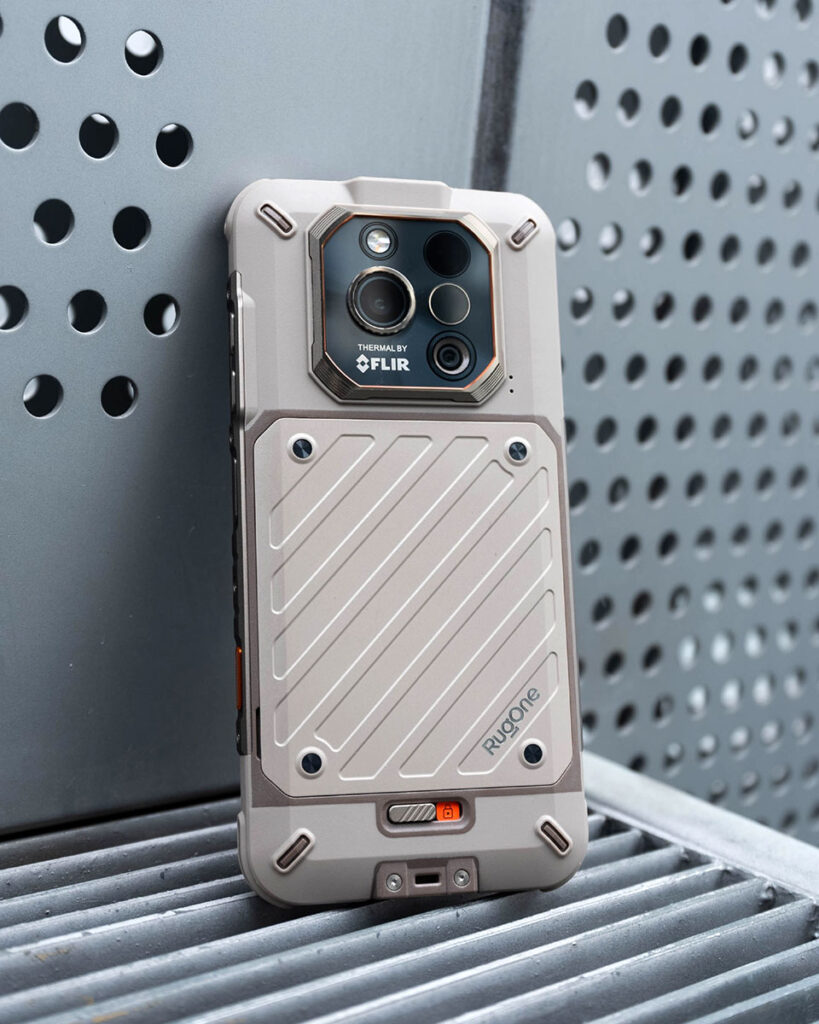
Other notable features include Corning Gorilla Glass 3, a fingerprint-resistant oleophobic-coated screen, a side-mounted fingerprint sensor integrated into the power key, Face Unlock support, dual SIM support, built-in eSIM, and support for 5G through to 2G networks, VoNR, and VoLTE HD calling.
Connectivity includes dual-band Wi-Fi, 802.11 a/ac/b/g/n, Bluetooth 5.2, NFC, a 3.5 mm headphone jack, and an IR blaster, along with the usual collection of sensors and positioning systems, including a digital compass.
Oh, and it has one feature that many Android phones ditched: a tri-color notification light (red/green/blue).
It also has a three-card tray to accommodate two nano-SIM cards plus a microSD card, so there is no sacrificing one SIM for memory expansion, which is a nice touch. Then again, it’s a rugged phone where size is the least of the concerns. Speaking of size, the Xever 7 measures 173.6 mm high, 84.4 mm wide, and 14.1 mm thick, and weighs in at a fairly hefty 325g.
The RugOne Xever 7 is available now for US$529.99, while the Xever 7 Pro goes for US$659.99.
Images: RugOne.