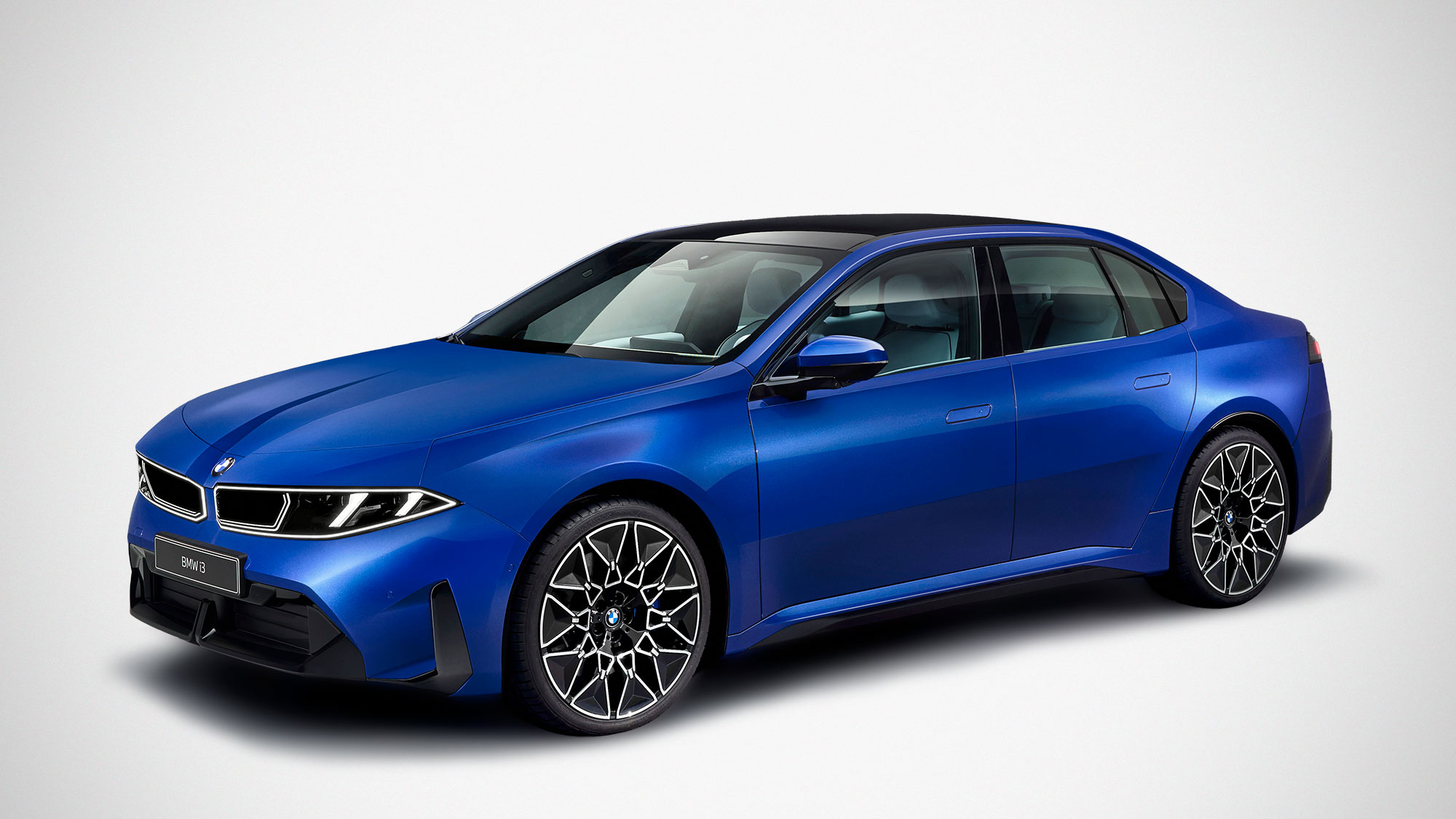
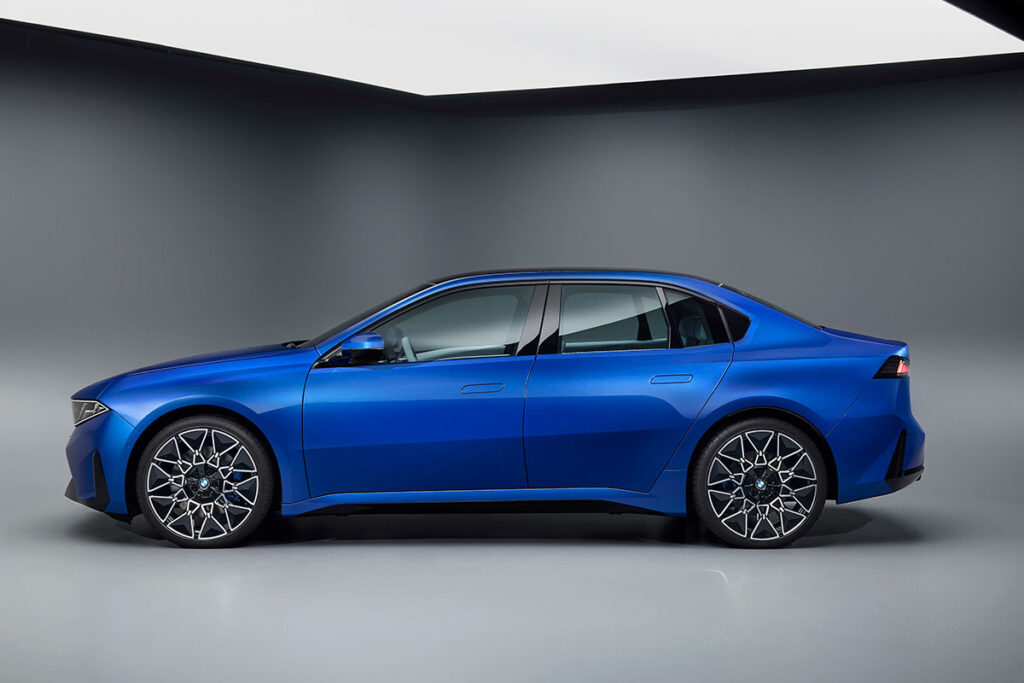
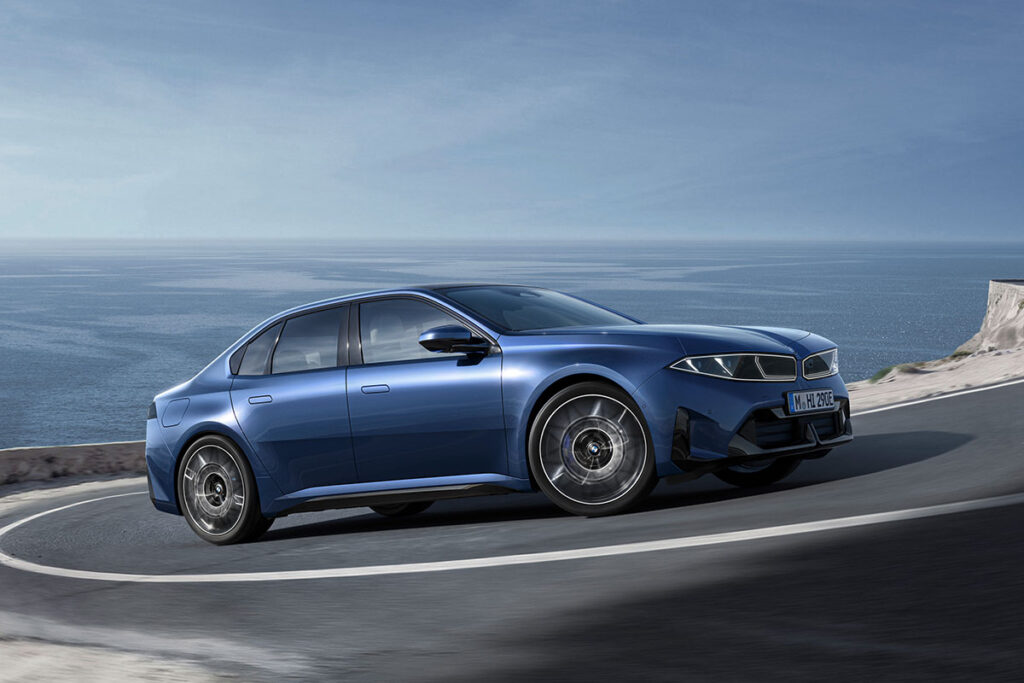
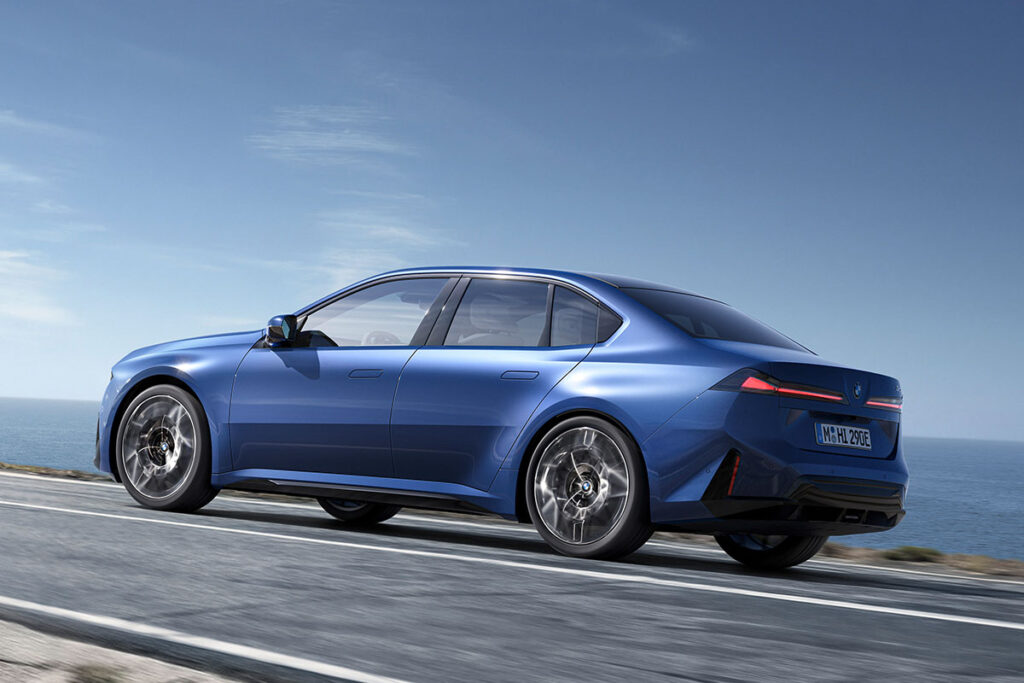
BMW’s first-ever mass-produced EV money can buy, the i3, has been reborn, and this time, it is joining the “Neue Klasse” as the second model after the not-related-to-iX, iX3. And, boy, we are not prepared for the design (in a good way, that is). Gone is the cutesy, tall compact hatch silhouette, and in is the more 3-series, sleek, sporty sedan form (known as 2.5-box design), with an aggressive front-end that retains the signature kidney grilles.
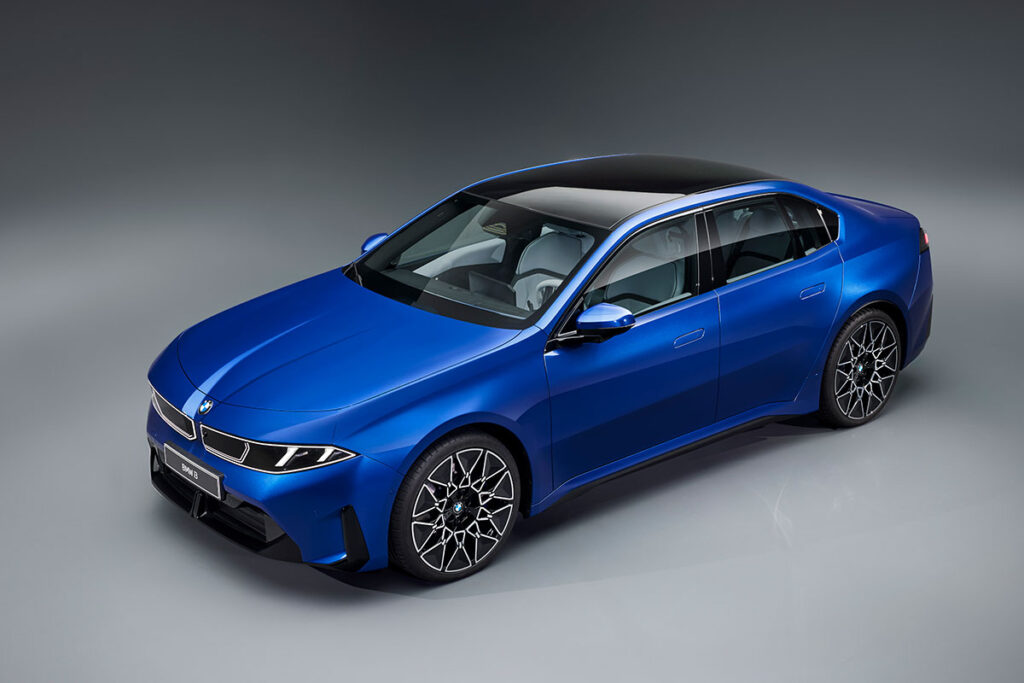
It is sleek. Sleeker than any BMW we’ve seen since the i8 plug-in hybrid. It does not have in-your-face tall nostrils. The signature kidney grilles are significantly compressed. Though the clear “split” front fascia does remind us of the old American muscle cars like the Firebird, Camaro SS, et cetera. Anyhoo, as for its look that is more 3 series, it is intentional because this time this i3 is the fully electric 3 Series, not an electric sub-brand, if that makes any sense.
The 2026 BMW i3 is from an entirely different playbook. It launches as the BMW i3 50 xDrive, powered by sixth-generation BMW eDrive technology with an electric motor on both the front and rear axles delivering 345 kW (469 hp) and 645 Nm of torque. This is paired with BMW Panoramic iDrive, the Heart of Joy driving dynamics controller, and BMW Symbiotic Drive assisted driving tech. In other words, the Neue Klasse is not just a platform. It is a software-defined reset.
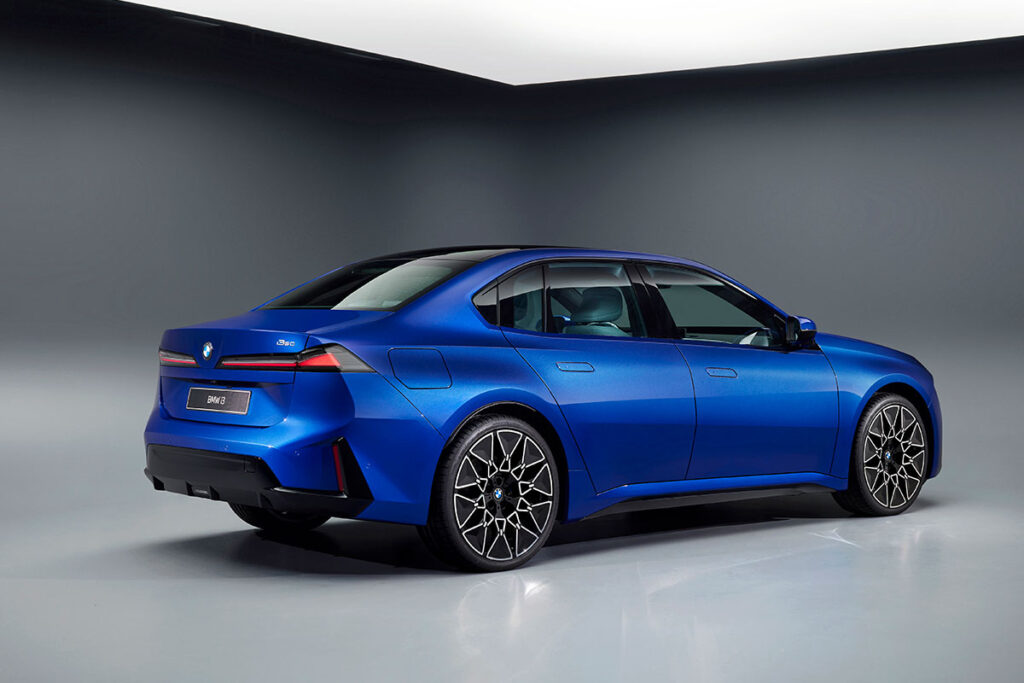
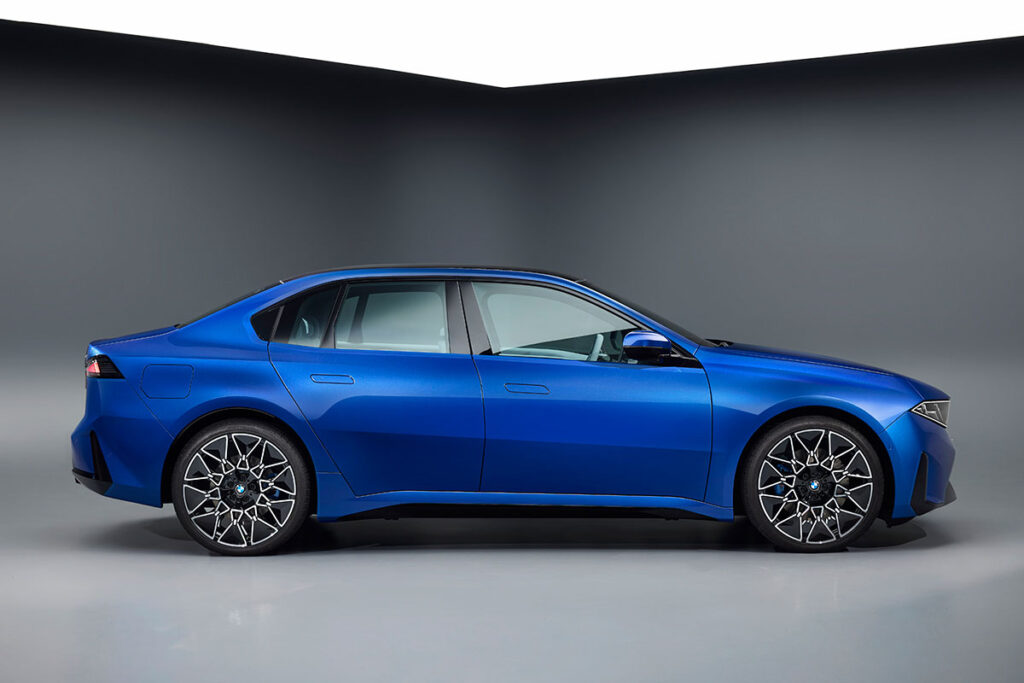
Design-wise, the proportions stay faithful to what makes a 3 Series a 3 Series. Long wheelbase, short overhangs, sloping greenhouse, and flared wheel arches that give it a planted stance. Up front, the familiar four-eyed face merges with a compressed kidney grille into a new light signature. Around the back, horizontal rear lamps stretch across the width to emphasize precision and width. It looks like a 3 Series that has spent time in the future and came back calmer.
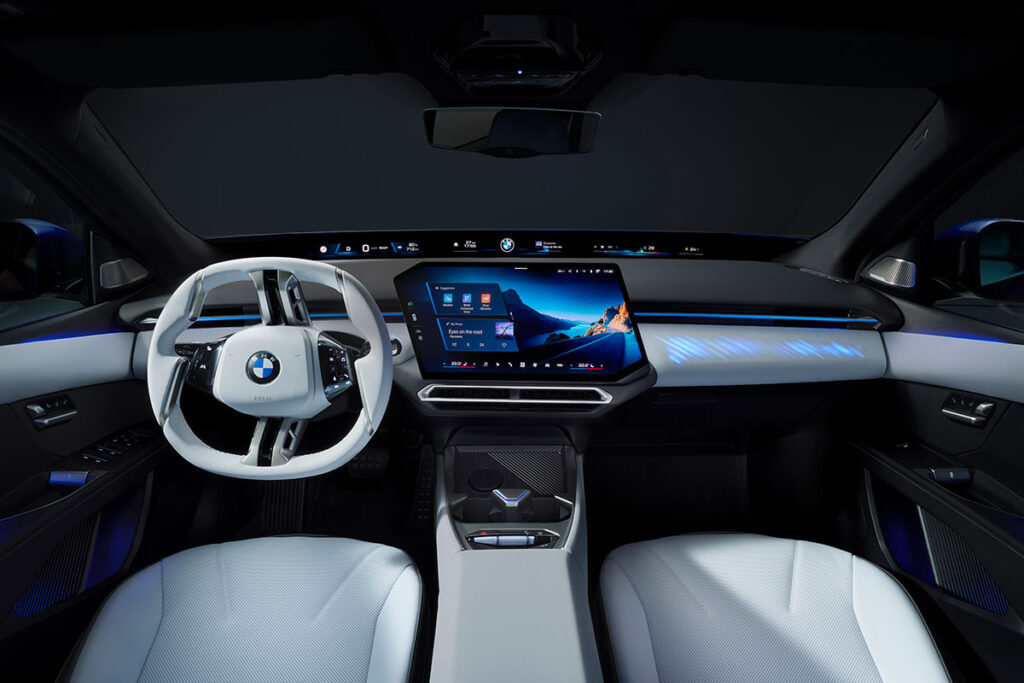
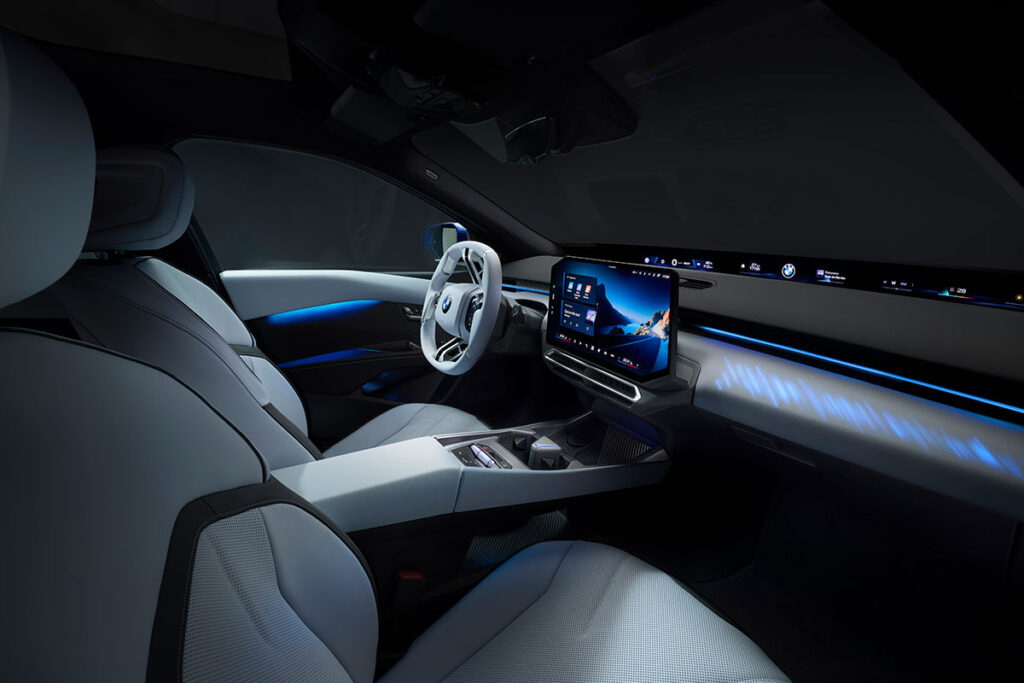
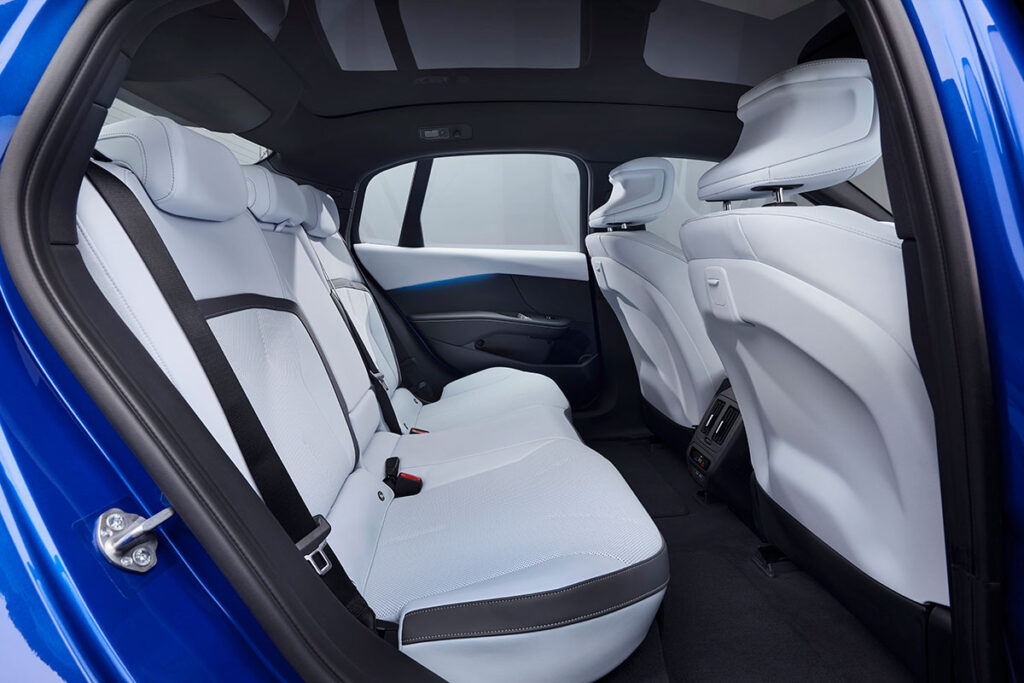
Inside, the cabin takes full advantage of its EV-first architecture. The layout is clean and driver-focused, anchored by BMW Panoramic iDrive, which projects information across the windscreen from pillar to pillar. The new electronics architecture relies on four high-performance “superbrains,” including the Heart of Joy controller that processes drivetrain, steering, braking, and recuperation inputs up to ten times faster than before.
Range is where things get properly serious. The new BMW i3 delivers up to 900 km (WLTP). Charging peaks at 400 kW, allowing up to 400 km of range to be added in just 10 minutes. It also supports bidirectional charging through Vehicle-to-Load, Vehicle-to-Home, and Vehicle-to-Grid functions.
Production begins in Munich from August 2026, with first deliveries expected from autumn 2026.
Pricing is to be announced. In the meantime, you may dig into more details here.
Images: BMW.

