When Porsche first dabbled in electrification, it did so with a brand-new model, the Taycan. I thought going with brand-new models was the route it was taking for its electrification blueprint. But nope. It electrified the Macan last year. And now, its best-selling SUV, the Cayenne, also gets the electric overhaul to become the most powerful Porsche ever.
We are talking about up to 850 kW or 1,156 PS of power, up to 1,500 Nm (1,106 lb-ft) of torque when Launch Control is activated, and a mind-blowing 0–100 km/h (0-62 mph) sprint in a mere 2.5 seconds. The new 2026 Porsche Cayenne Electric further boasts up to 400 kW charging power and up to 642 kilometers of range.
The new all-electric Cayenne family has two models for now. They are Cayenne Electric and Cayenne Turbo Electric—both with all-wheel drive, featuring electronic Porsche Traction Management (ePTM). The Turbo is the model that makes the crazy sprint time of 2.5 seconds. If you put pedal to the metal, it would have reached 200 km/h (124 mph) in another 4.9 seconds. In other words, it’s 0–200 km/h timing is 7.4 seconds, which is faster than most cars would have done in 0–100. It has a top speed of 260 km/h (162 mph).
The Turbo variant further boasts direct oil cooling of the electric motor on the rear axle to ensure high continuous output and efficiency—a technology inherited from motorsport. Obviously, nobody needs 1,000 horses every time, so there is a normal model that offers up to 630 kW (857 PS). When the situation calls for it—like overtaking a vehicle whose driver thinks they are faster than you—an additional 130 kW (176 PS) can be unleashed at the press of a button. However, it is good for just 10 seconds—rocket boosters.
Meanwhile, the entry-level Cayenne model also has such a burst. In Normal mode, it packs 300 kW (408 PS), but with Launch Control activated, it adds 25 kW, resulting in a machine that pushes out 325 kW (442 PS) and an impressive 835 Nm (616 lb-ft) of torque. This allows the non-Turbo Cayenne to wipe the century sprint in 4.8 seconds, sending it on its way to a top speed of 230 km/h (143 mph).
The other star feature of this eSUV is its Formula E levels of recuperation, achieving up to 600 kW of recuperative power. This means in everyday life, about 97 percent of all braking operations can be handled solely by the electric motors. Mechanical friction brakes can take a backseat here. But in case you do need the ancient way of braking, the Turbo does tout the Porsche Ceramic Composite Brake (PCCB) as an option.
Other notables include adaptive air suspension with Porsche Active Suspension Management (PASM), Porsche Torque Vectoring Plus (PTV Plus) limited-slip rear differential (Turbo model only), the option for rear-axle steering, Porsche Active Ride on the flagship model, and an active suspension system familiar from Porsche sports sedans and newly used on the Cayenne.
Let’s talk charging. At the heart of the all-electric Cayenne models is a newly developed 113 kWh high-voltage battery, featuring double-sided cooling for optimum thermal management. This battery reaps up to 642 km (399 miles) for the Cayenne Electric and up to 623 km (387 miles) for the Turbo variant. This car is not fast on wheels; it is fast in charging, too. Its 800-volt technology enables DC charging capacity of up to 390 kW—and under specific conditions even up to 400 kW. The Cayenne’s battery can charge from 10% to 80% in under 16 minutes.
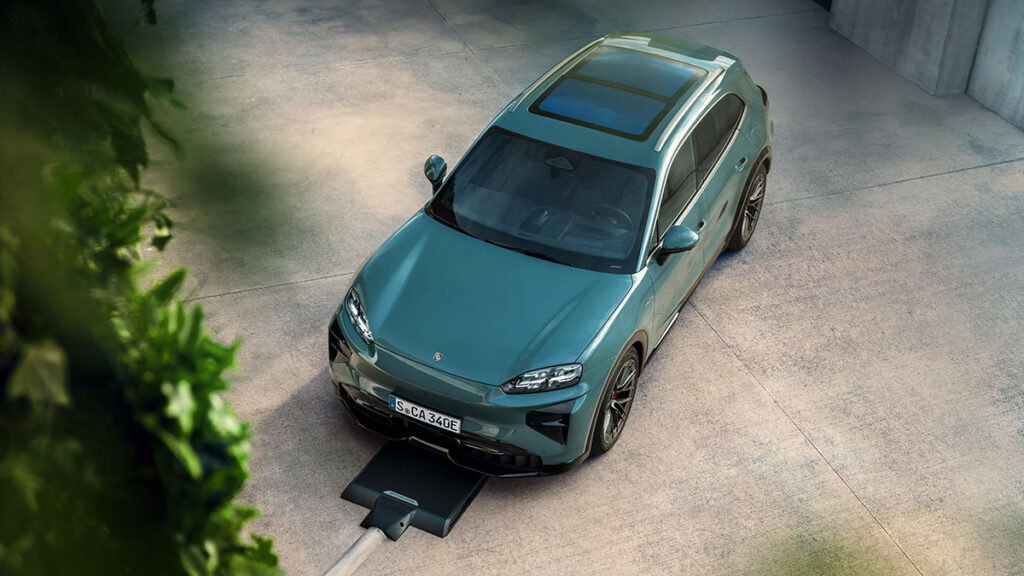
In just 10 minutes, it can add enough energy for about 325 km (202 miles) of driving in the Cayenne, or 315 km (196 miles) in the Cayenne Turbo. Speaking of charging, remember the Porsche inductive charging? The Cayenne Electric is the first Porsche to support it—optionally, obviously. This allows hands-free charging at up to 11 kW. Not the fastest, and most definitely not for anyone who’s in a hurry.
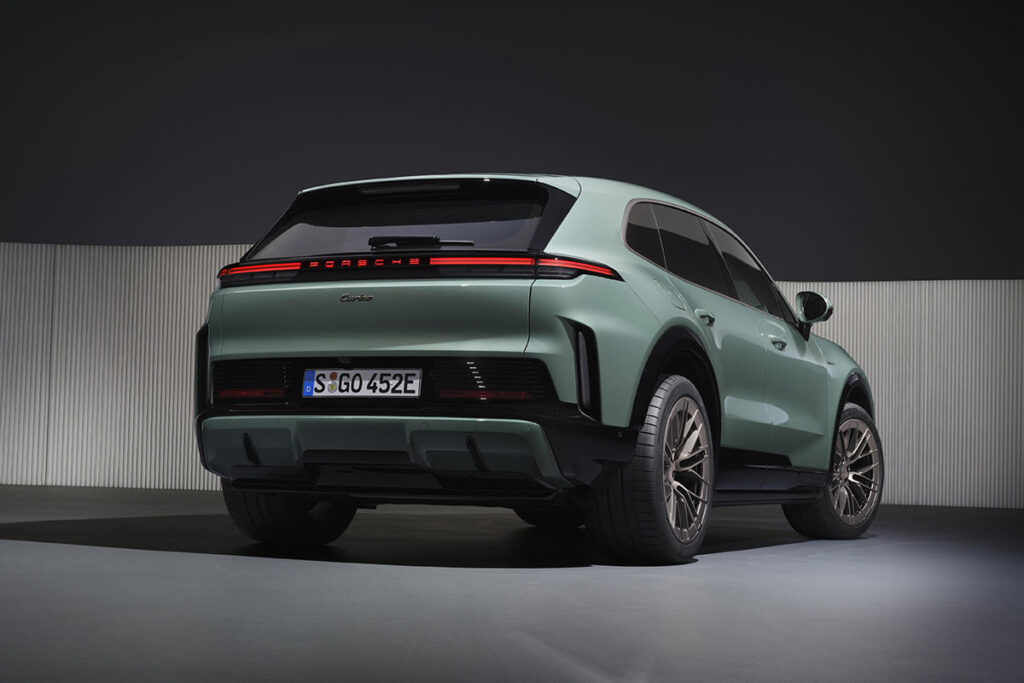
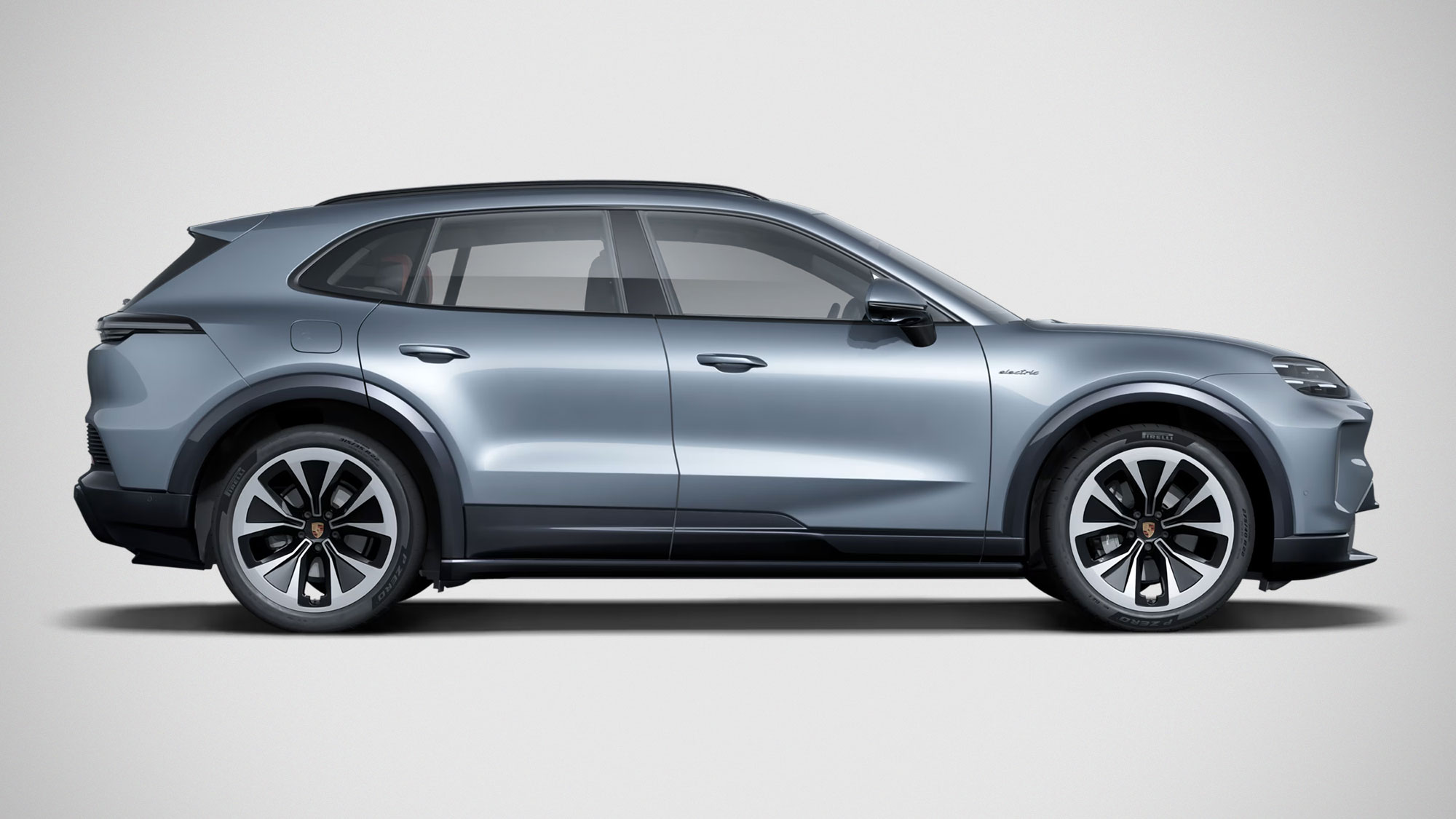
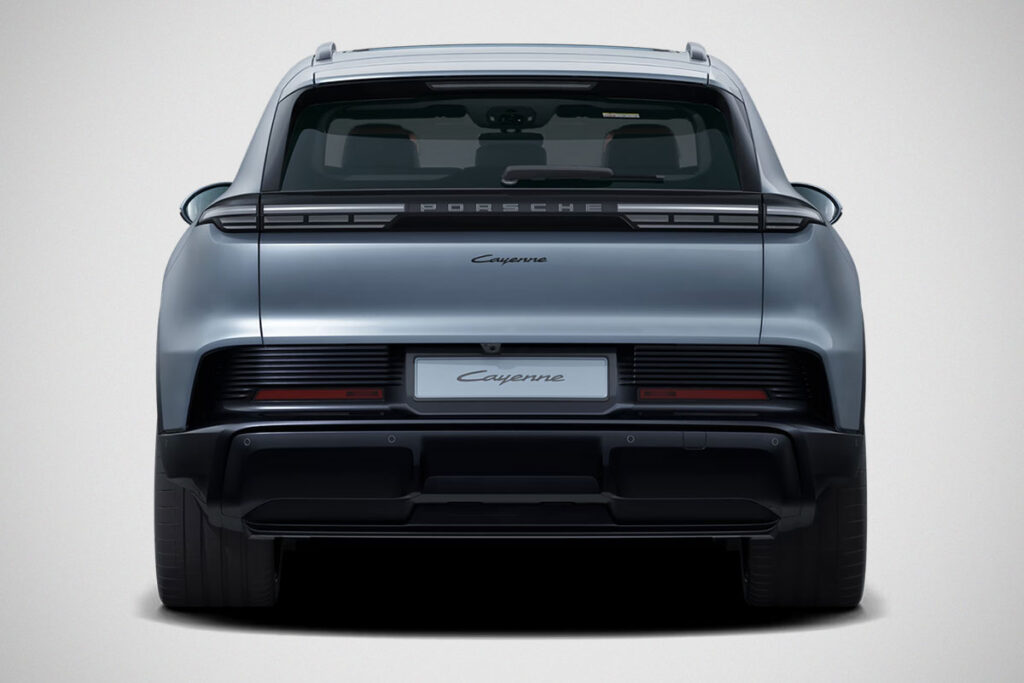
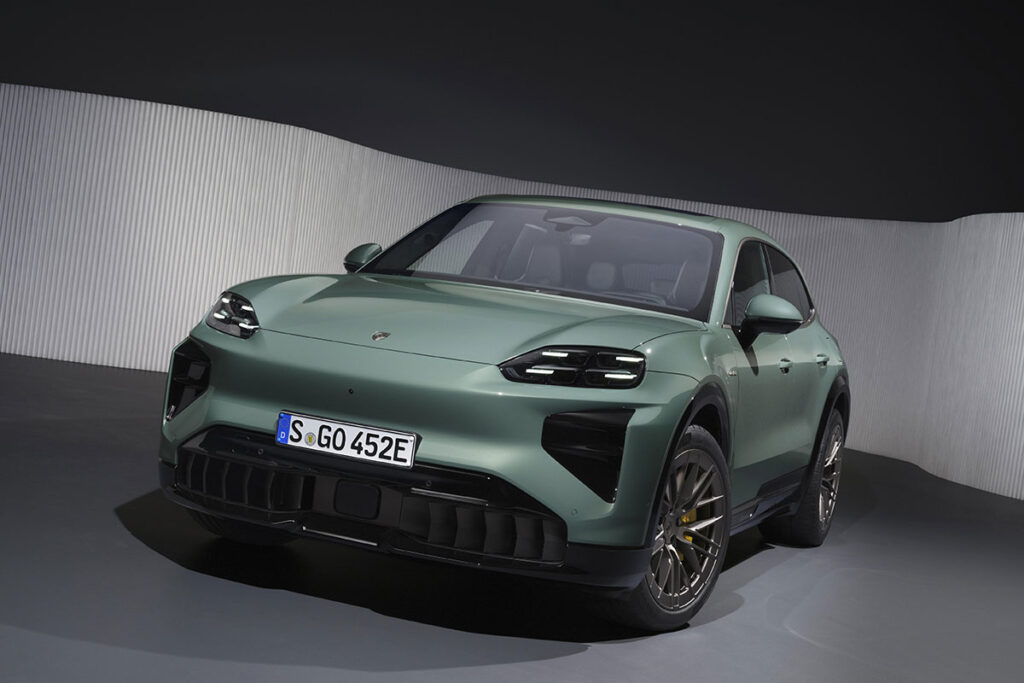
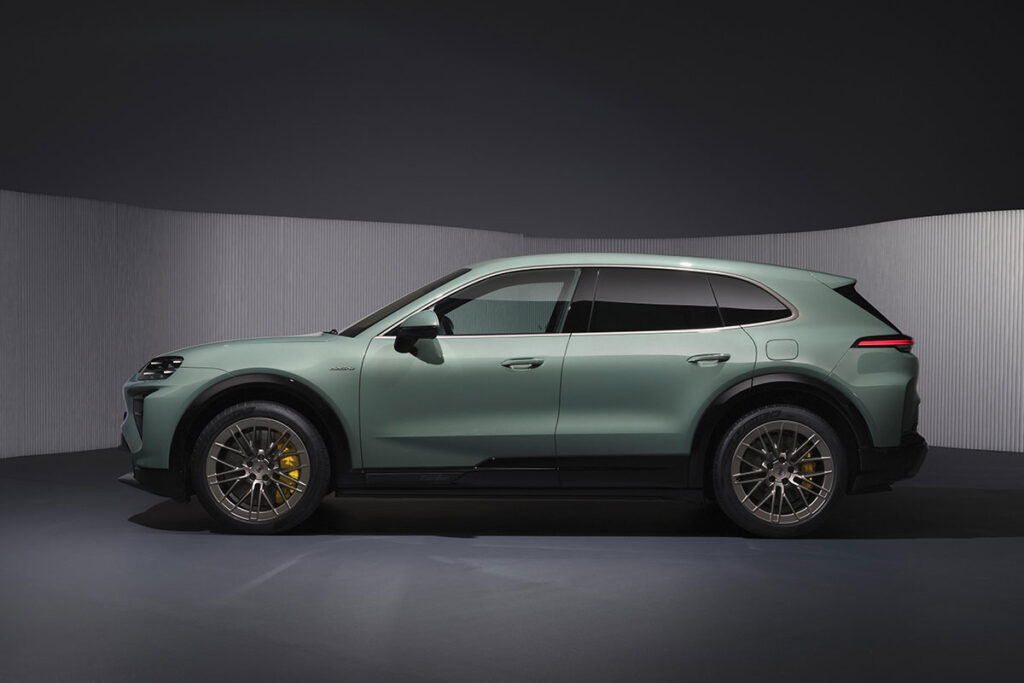
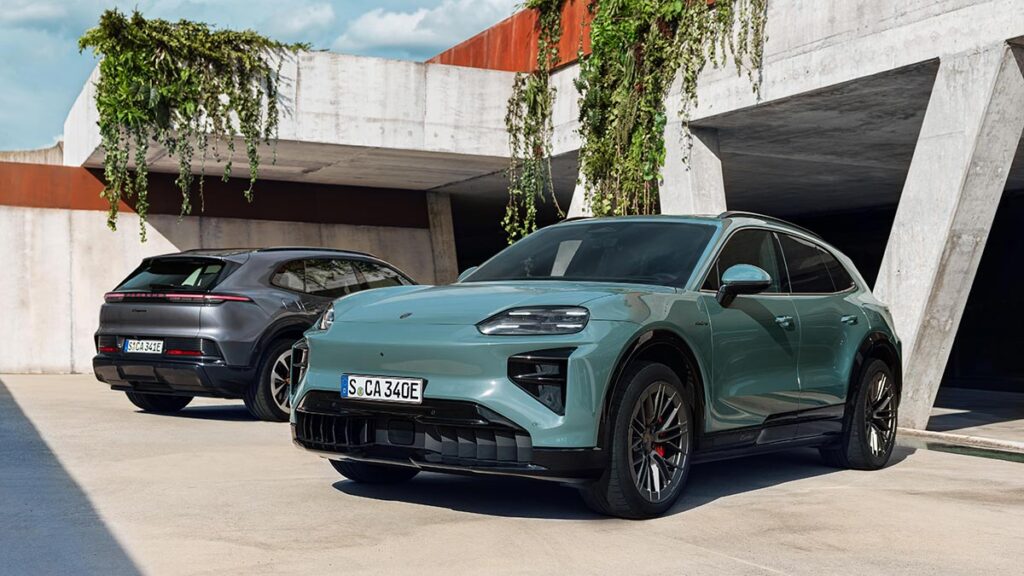
Aesthetically, well… not going to lie. It kind of looks like the Macan Electric. I guess it is the face of electric. In fact, the entire proportion is very, you know, Macan-ish now that I took a few more looks. It is not that it is bad. It’s just very Porsche. Some of the highlights include a low hood with slim Matrix LED headlights, strongly contoured wings, a gently sloping roofline, side skirts with a distinctly three-dimensional design, frameless doors with a striking crease in the door surface, and that iconic flyline.
All told, this big guy has a drag coefficient of just 0.25, making it one of the most aerodynamic SUVs in its class. If that’s not enough, there’s the Porsche Active Aerodynamics (PAA) system that precisely adapts the car’s aerodynamic properties to the driving situation and speed and, alongside an efficient control strategy, contributes to the brand’s unique driving dynamics with added downforce. And yes, it has active aeros, which include movable cooling air flaps in the nose, an adaptive roof spoiler, and innovative active aeroblades at the rear of the Turbo. All these work alongside larger passive aerodynamic measures like the rear diffuser and more.
Size-wise, it is 55 mm longer than the ICE model. It measures 4,985 mm long, 1,980 mm wide, and 1,674 mm high. Plus, it has a slightly longer wheelbase of 3,023 mm, offering almost 13 mm more rear legroom. And then there’s the luggage capacity, which is 781 to 1,588 liters, in addition to the 90-liter front luggage compartment. Finally, it has up to 3.5 tonnes of towing capacity for those who really consider bringing this big guy out for outdoor adventures.
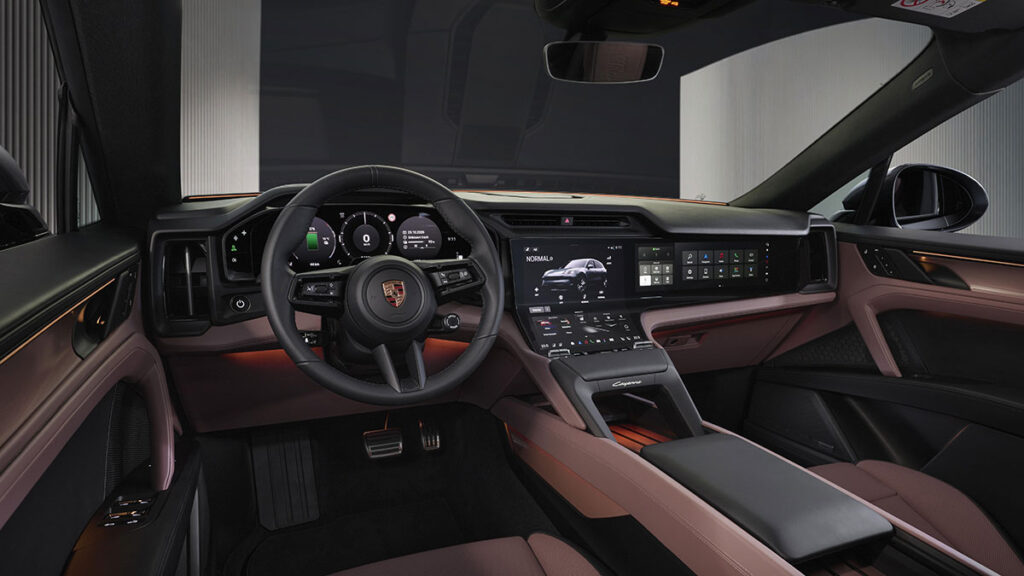
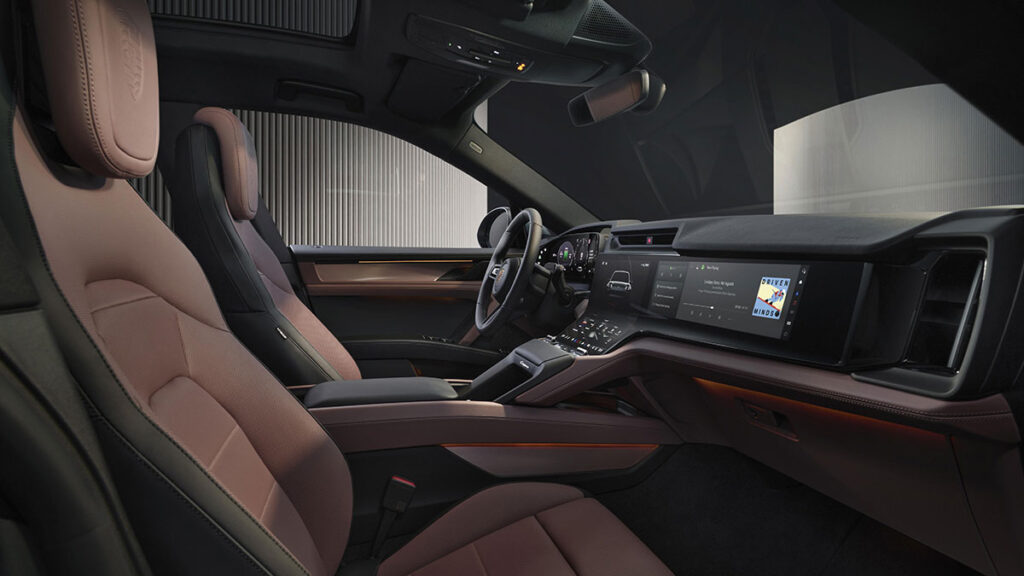
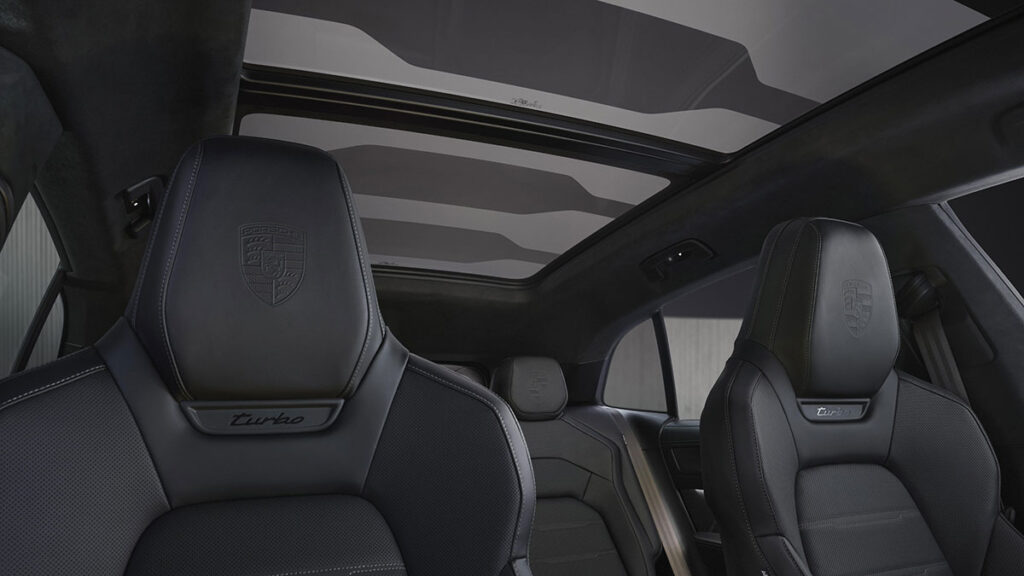
On the inside, there are new Mood Modes that adapt seating position, lighting, climate control, and more based on driving modes and mood. Other interior highlights include a panoramic roof with variable light control, panel heating beyond the seats, extended ambient lighting, and more.
The new 2026 Porsche Cayenne Electric SUV is available to order now, with a starting price of US$109,000.
Images: Porsche.