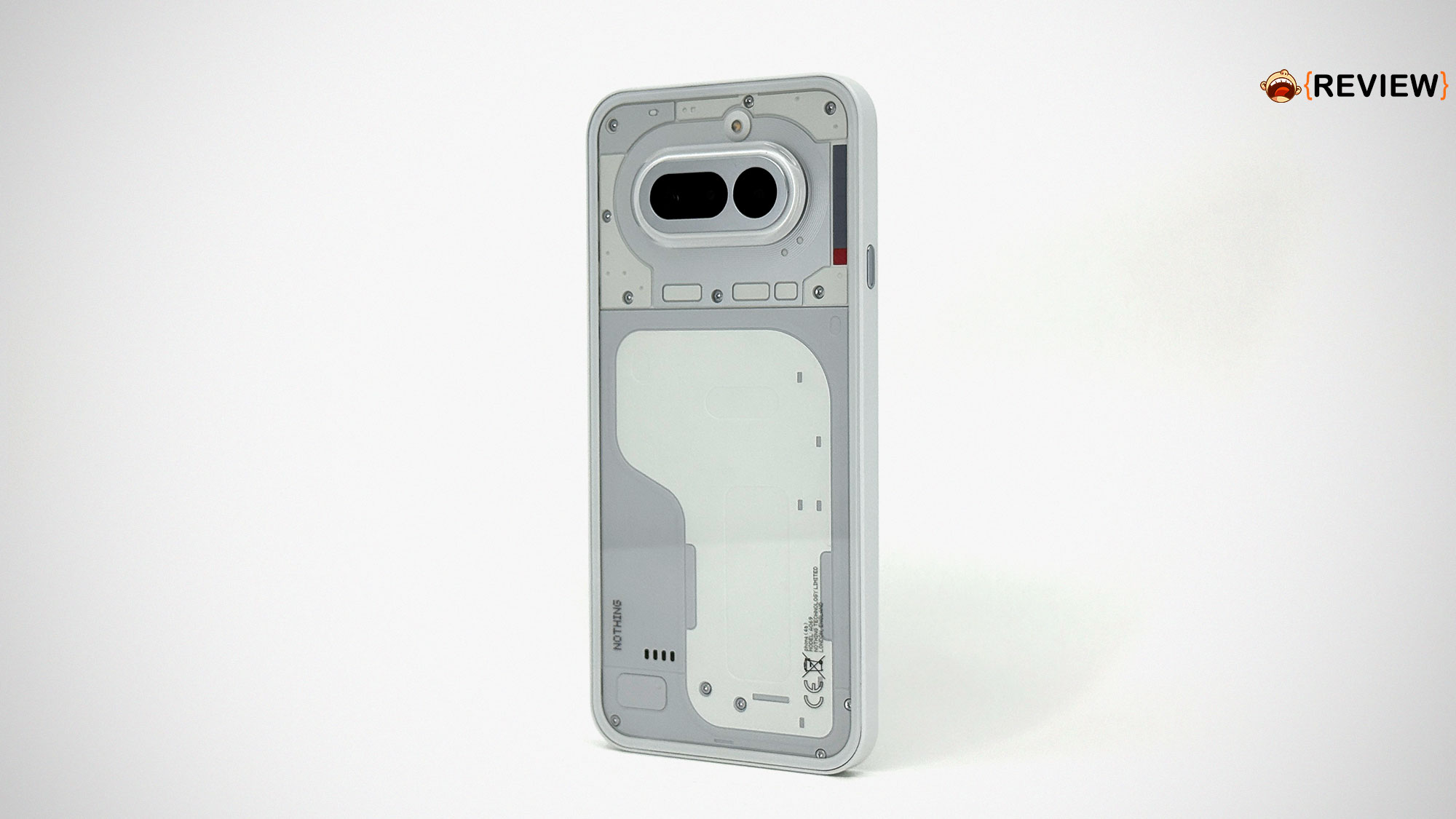
After about a week with the Nothing Phone (4a), one thing became very clear: this is not a phone trying to impress you with spec-sheet bravado. Instead, it wins you over slowly—through polish, thoughtful design decisions, and a surprisingly confident camera system that behaves better than expected in the right conditions.
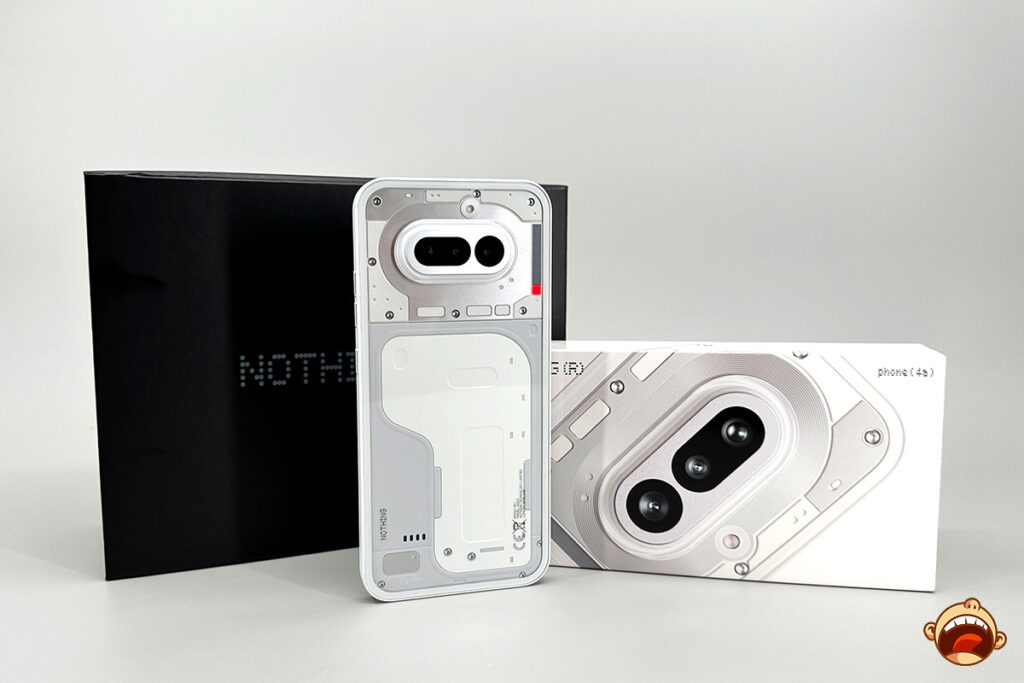
It is also exceptionally light for its size. That was the first thing that stood out. Phones this large usually make their presence known the moment they land in your pocket. This one doesn’t.
And that changes the experience more than you might think. But before we get to what I thought about this phone, here’s a quick rundown of the specifications:
- Display: 6.78-inch AMOLED, 1224 × 2720 resolution, 120 Hz refresh rate
- Processor: Qualcomm Snapdragon 7s Gen 4
- Rear Cameras:
- 50 MP main camera (OIS)
- 50 MP periscope telephoto (3.5× optical zoom)
- 8 MP ultra-wide
- Front Camera: 32 MP
- Battery: 5,400 mAh
- Charging: up to 50 W wired fast charging
- Operating System: Nothing OS 4.1 (Android 16)
- Security: Optical in-display fingerprint sensor
- Speakers: Stereo speakers
- Build: Transparent rear design with Glyph Interface, plastic frame
- Protection: IP64 dust and water resistance
- Glass: Gorilla Glass 7i (front)
- Connectivity: 5G, Wi-Fi 6, Bluetooth 5.x
- Dimensions: 163.9 × 77.5 × 8.5 mm
- Weight: ~205 g
Jump to:
- Design & Build
- Cameras (Daylight & Zoom)
- Performance in Daily Use
- Gaming Performance
- Nothing OS Experience
- Fingerprint Sensor
- Speakers, Calls & Connectivity
- Battery Life
- Display
- Size & Handling
- Final Thoughts
- Where to Buy
A design that still speaks to the inner geek
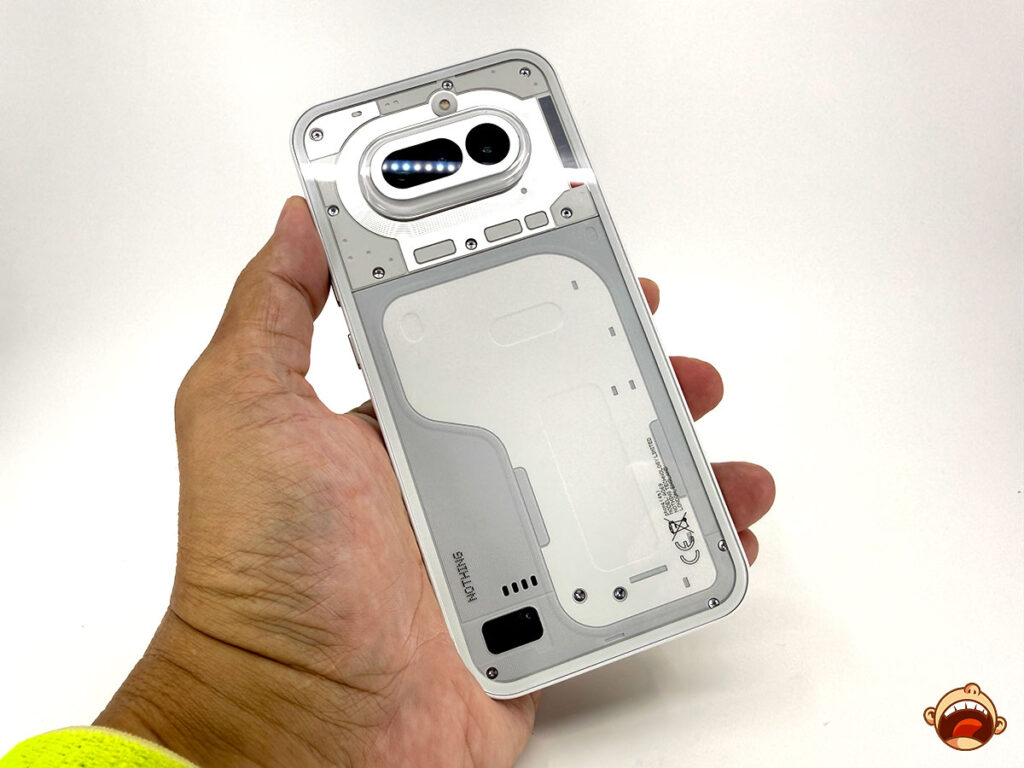
Nothing’s transparent design language continues to be one of the most distinctive looks in the industry, and the Phone (4a) keeps that identity intact without feeling loud about it. The Glyph interface here is more restrained than earlier implementations, which actually makes it easier to live with day to day.
That said, coming from other phones, the Glyph can still feel a little gimmicky at first. I have yet to fully develop the habit of taking advantage of it regularly.
Then there is the red recording indicator. It sounds like a small detail, but it makes video capture feel oddly professional, almost like operating a miniature production tool instead of just another smartphone camera.
Build quality is also better than expected. Despite the plastic frame and sides, the phone never feels cheap. Buttons are tactile and firm in a strangely satisfying way, reinforcing the sense that this device was carefully put together rather than cost-reduced.
Surprisingly capable cameras—especially in daylight
Nothing did not cut corners with the camera system. The triple-camera setup includes a 50MP periscope zoom camera that turns out genuinely pleasing images when lighting conditions cooperate.
Daylight photography is where this phone shines. Colors are well balanced, detail holds up nicely, and the zoom camera performs far better than expected at this price level. The built-in filters for both photography and video are also unusually enjoyable to use. They are not gimmicks. They are tools you actually want to experiment with.

Low-light performance is more predictable. It works, but it is clearly not the focus here, and so it is not a surprise.
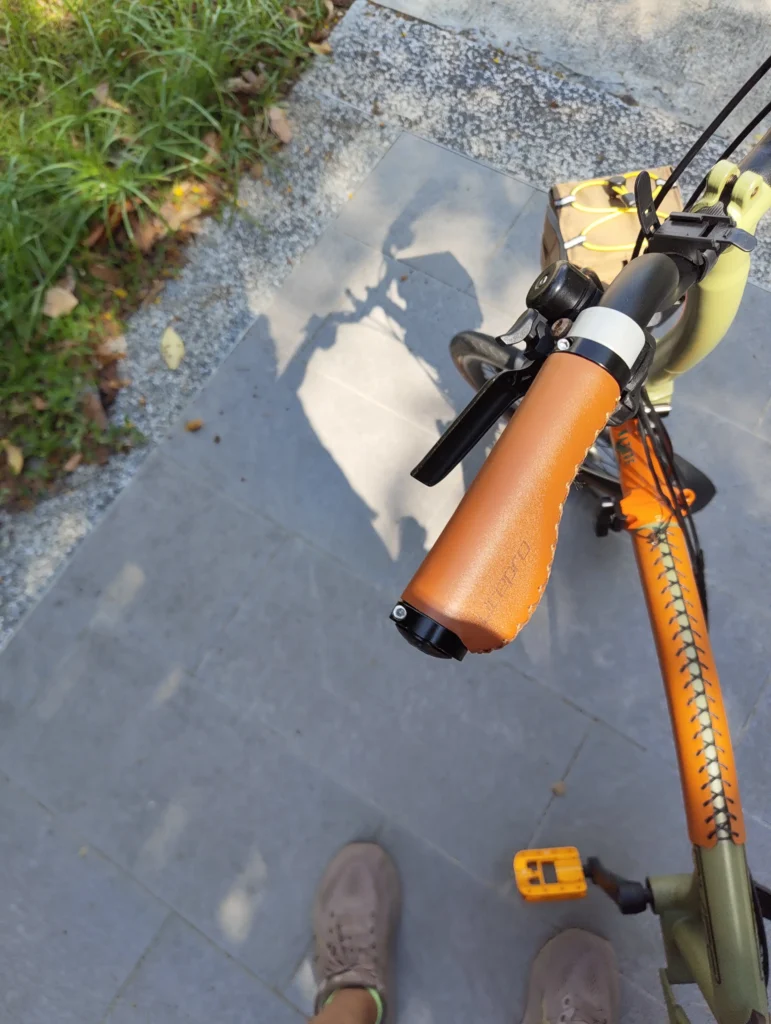
The main camera is its strongest. The telephoto works well, decent, I would say. The quality is good, not great. It is still good even if you do a quick “draw-and-shoot”, as proven by my results below. I tried to capture the Chinook with little reaction time. I was cycling. Dismounted, pulled out the phone, fired up the camera, and made the snap as it flew off.

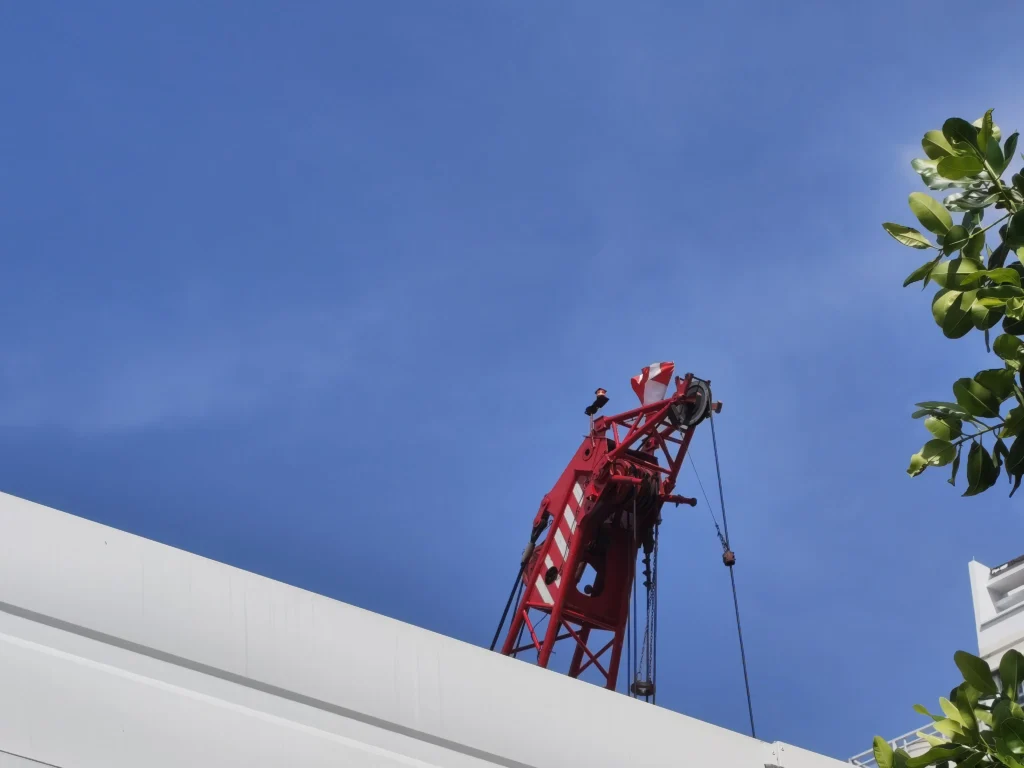
The ultra-wide is not great. It is barely good, IMHO. As you can see, the first photo at the top was taken with the ultra-wide camera, and it’s rather murky. The photo below it was taken at 7x zoom.
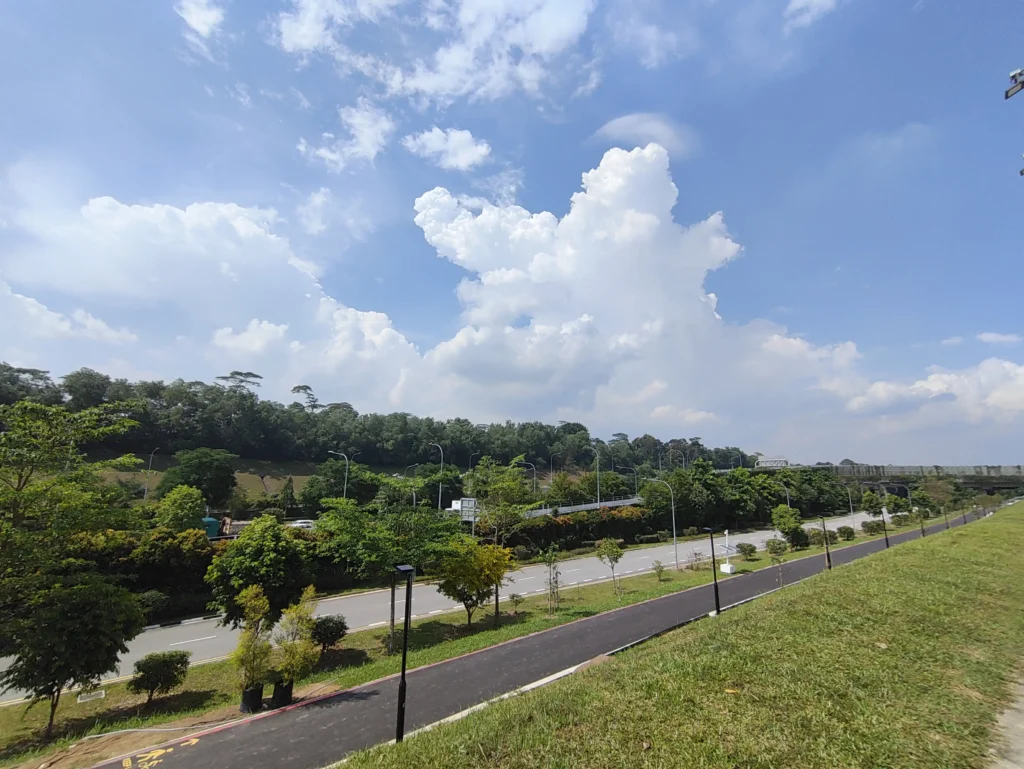
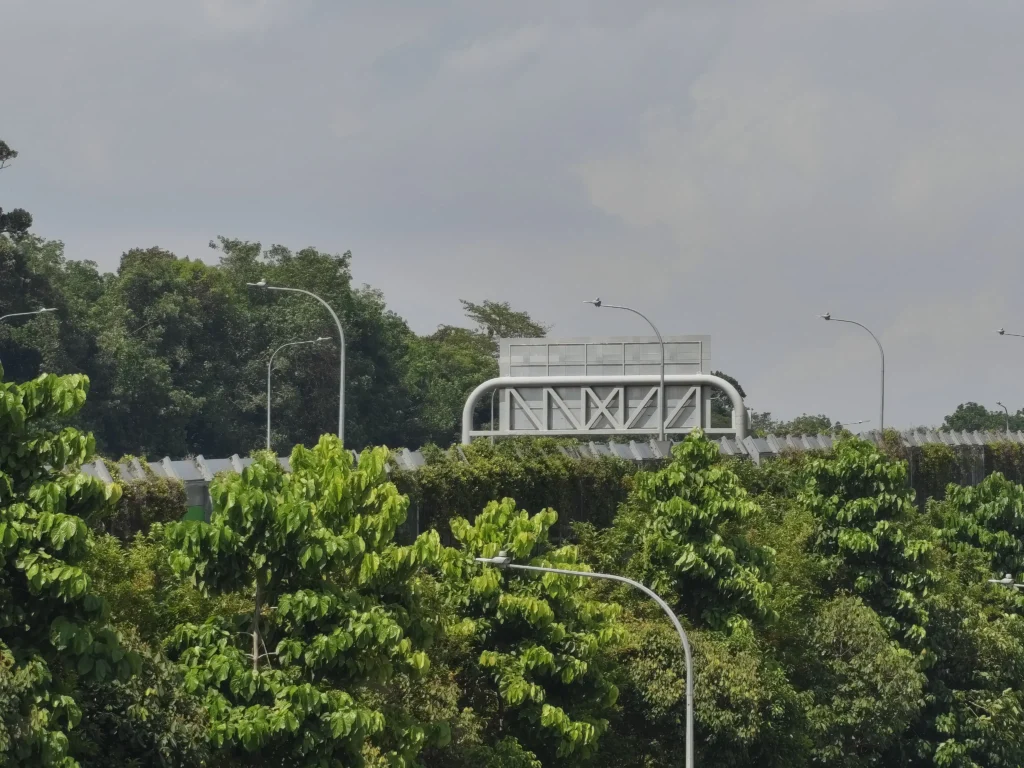
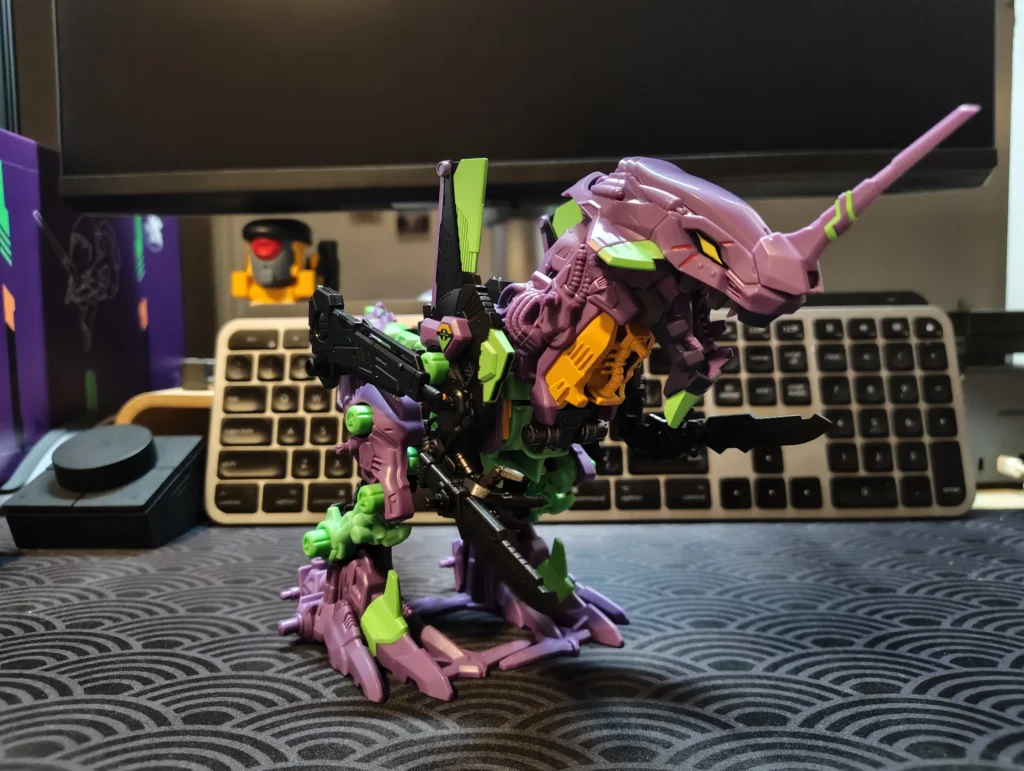
Here’s another example, but this time its main camera versus the telephoto. It is clear as day that the main camera is its strongest suit. I have shot a few photos of toys under studio conditions, and they turn out great. You can find more photos at the end of this review.
Video recording, however, feels especially polished. Between stabilization, color handling, and that subtle red recording indicator, the whole experience feels more deliberate than what you typically get in this category.
Smooth performance where it matters
Powered by the Snapdragon 7s Gen 4, the Phone (4a) feels fast and fluid in everyday use. Apps launch quickly, scrolling remains smooth, and Nothing OS moves with a responsiveness that makes the phone feel more premium than its positioning suggests.
Gaming performance. Well, it can handle Genshin Impact
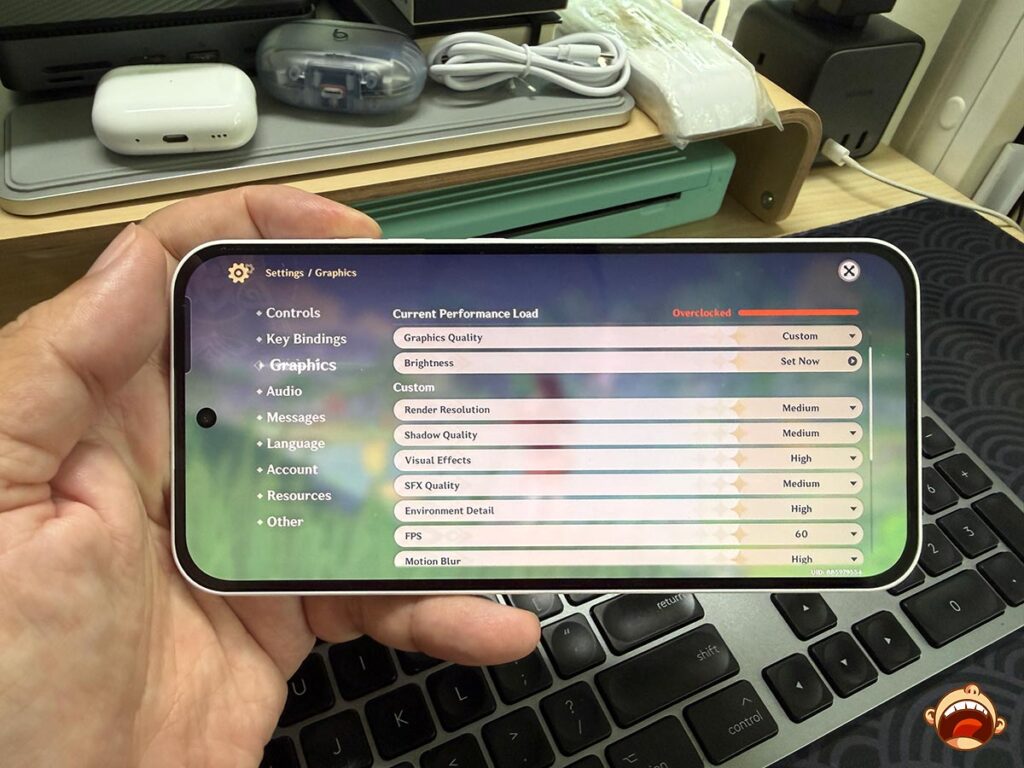
Casual gaming, like playing those usual ad-loaded, free-to-play titles, runs without issue.
Running Genshin Impact tells a more complete story. During large game file downloads approaching roughly 50GB, the phone became noticeably hot. Once installation finished, however, it cooled down quickly. That alone says quite a bit about the cooling implementation, which appears to be doing its job properly.
In gameplay itself, the phone settles into medium graphics at 30 fps. Anything higher triggers an overload warning. Obviously, it is not competing with flagship silicon like Tensor G5, but performance remains stable and predictable. Thirty frames per second is not buttery smooth, but it is perfectly playable—and more importantly, there were no sudden stutters that caused unexpected in-game deaths even after about an hour of play.
The phone does get warm around the camera module area, where the SoC sits, but never uncomfortably hot. I took a measurement. About half an hour into Genshin Impact, just roaming around like a true vagabond, it jumps from 32°C to about 34°C. I can feel the warmth, but nothing alarming. So far, there has been no noticeable throttling.
Nothing OS continues to be a standout
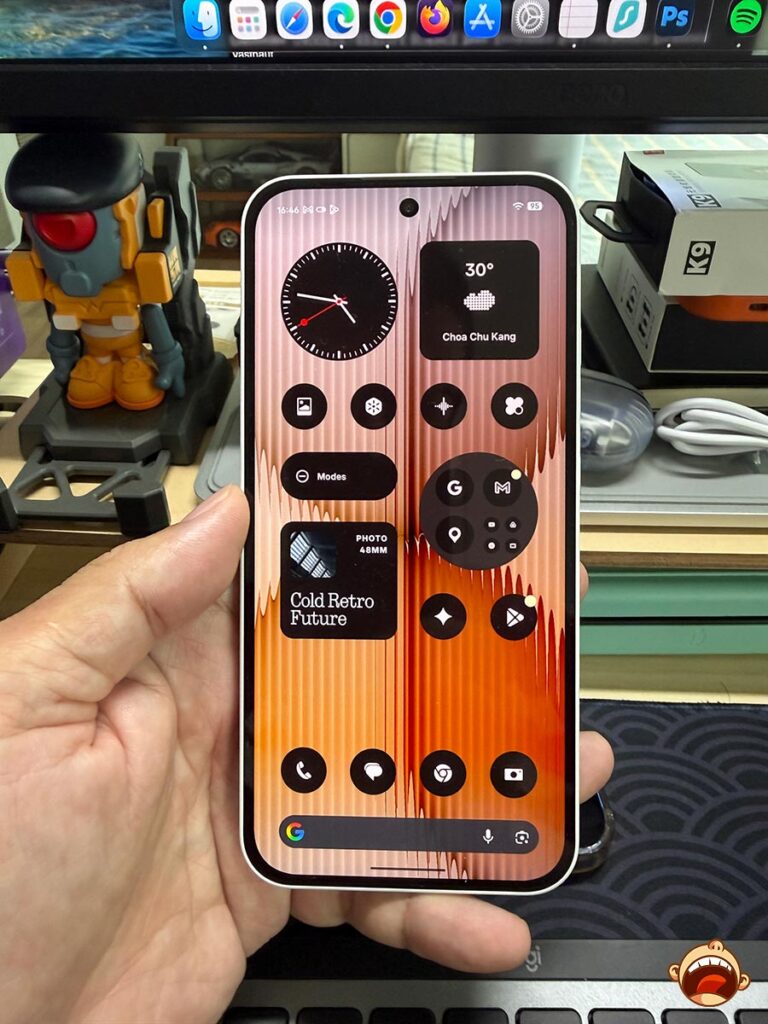
Nothing OS is easily one of the highlights here. The interface is clean, intuitive, and refreshingly free of clutter. Community-developed widgets add personality without sacrificing usability, and the overall experience feels carefully researched rather than assembled from recycled Android conventions.
Normally, the first thing I do with an Android phone is install Niagara Launcher. I have been a Pro user since 2019. But I could not bring myself to do it with this one.
Everything already works the way I want it to.
A fingerprint sensor that quietly outperforms expectations
The optical fingerprint sensor deserves special mention. It is fast, reliable, and consistent in a way that honestly surprised me.
You may think I am exaggerating here, but the Pixel 10’s fingerprint sensor does not always respond as quickly and can occasionally fail to register when it should not. This one never gave me trouble.
Not once.
Speakers, connectivity, and call quality
Nothing did not highlight this much, but the stereo speakers sound better than expected. They are clear, balanced, and comfortably loud enough for videos, podcasts, and casual gaming without feeling thin or strained.
Call quality is exactly what it should be. The phone holds signals reliably indoors, outdoors, and even inside lifts. Speakerphone output is loud and clear, and Bluetooth connectivity has been stable throughout testing. Perhaps you may want to watch that volume because you could be the one annoying folks with its usually loud volume. Lol.
Haptics are fair. They are not especially strong or dramatic, but they get the job done without feeling cheap.
Battery life that keeps out of your way
Battery life has been reassuringly dependable. Not going to lie, it is a refreshing change. While Apple likes to describe its phones as having “battery for powering through your day,” most Android devices already do that—and the Nothing Phone (4a) is no exception.
At the time of writing this review, the phone had not been charged since the day before. Usage included video streaming, messaging, notifications throughout the day, and some gaming. It was not an especially intense workload, but it was realistic daily use—and the phone handled it comfortably.
In short, battery life is not something you worry about here.
Oh. Charging from 16% to full takes about an hour and 40 minutes using the Anker multi-port charging brick that is simultaneously keeping a MacBook Pro hooked up to a BenQ monitor juiced.
Display performance in everyday use
The display is bright, smooth, and vibrant in typical usage. Scrolling feels fluid, colors look lively, and overall presentation is pleasant.
Outdoor visibility, however, could be better. It is not bright enough to compete with the afternoon sun. This becomes especially noticeable when reviewing photos taken outdoors, which is slightly ironic given how well the camera performs in daylight conditions.
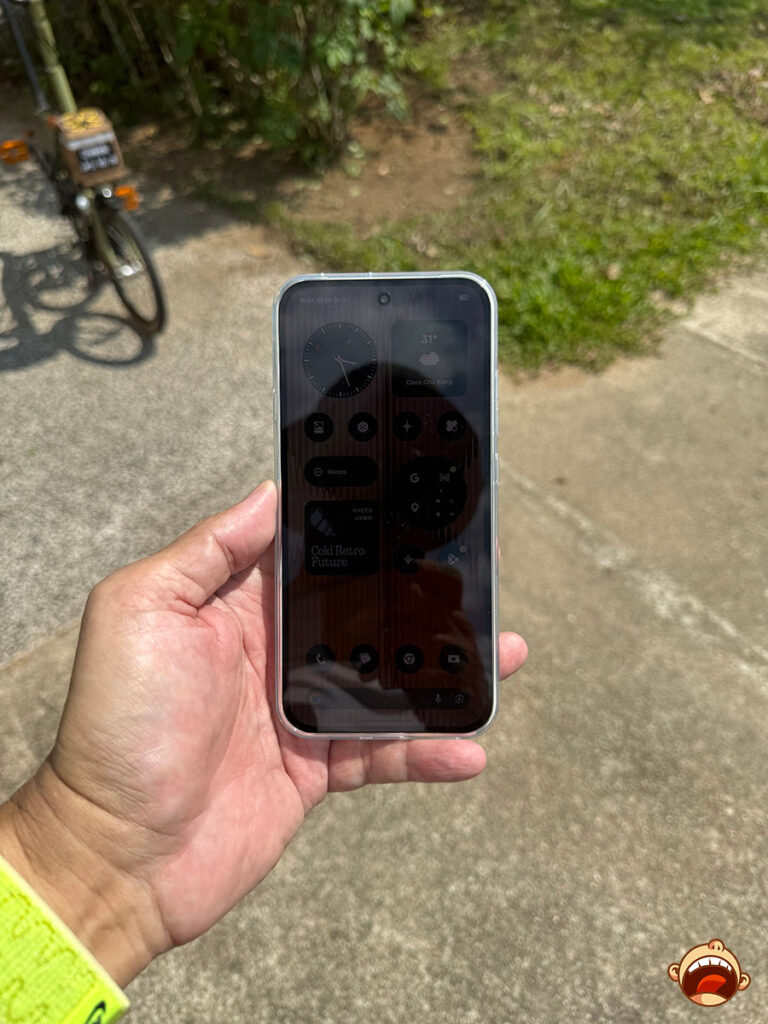
It is not a dealbreaker, but it is something worth noting.
The only real hesitation: size
If there is one thing that keeps the Phone (4a) from being a perfect personal fit for me, it is the footprint. I tend to gravitate toward the Pixel 10, Galaxy S25, and iPhone 16 Pro size range.
This phone is bigger than what I normally carry.
But I am not complaining.
In fact, there is something about its presence that reminds me a little of Iñaki Godoy’s charismatic Monkey D. Luffy—bigger energy than expected, slightly unconventional, and difficult not to like once you spend time with it.
A quick note about the review unit
Nothing provided the Phone (4a) for review, but all impressions here come from my own hands-on use over the past week.
A mid-range phone that feels unusually complete
The Nothing Phone (4a) does not try to compete with flagship devices head-on. Instead, it focuses on delivering a thoughtful, polished experience where it matters most: cameras that perform confidently in good lighting, fluid everyday performance, a genuinely enjoyable software environment, reliable biometrics, dependable battery life, and a distinctive design that still feels practical.
It is also one of the rare mid-range phones that did not make me feel the urge to “fix” anything after the first day.
That alone, in my opinion, makes it stand out. Plus, did not already say it is a very aesthetically pleasing device? It turns heads for sure.
The Pros and Cons in my opinion
Pros 👍
- Lightweight for its size — noticeably easier to carry than most phones in its class.
- Strong daylight camera performance, especially the main sensor and periscope zoom.
- Useful built-in photo/video filters that feel practical rather than gimmicky.
- Fast, reliable fingerprint sensor with consistent unlock performance.
- Surprisingly loud stereo speakers and stable connectivity.
- Dependable battery life that comfortably lasts through typical daily use.
- Distinctive transparent design and restrained Glyph interface that’s easier to live with daily.
- Periscope telephoto at this price tier is unusual and genuinely useful.
Cons 👎
- The ultra-wide camera is the weakest lens in the setup.
- Low-light photography is only average.
- Outdoor display brightness could be better, especially under strong sunlight.
- A large footprint may not suit users who prefer compact phones.
- Glyph interface still feels optional rather than essential.
- Gaming capped around medium settings (~30 fps in Genshin Impact).
Where to buy?
If you are sold, you can pick up the new Nothing Phone (4a) from nothing.tech for 349 quid, or SGD 599, at Nothing’s Singapore store. Folks, in SG can also find it on Amazon.sg for US$538.
Disclosure: This article may include references or links to products or services for which we may earn a commission—at no additional cost to you—if a purchase is made. All recommendations reflect our genuine editorial opinions and are not influenced by compensation.
Here are a couple more looks at the device:
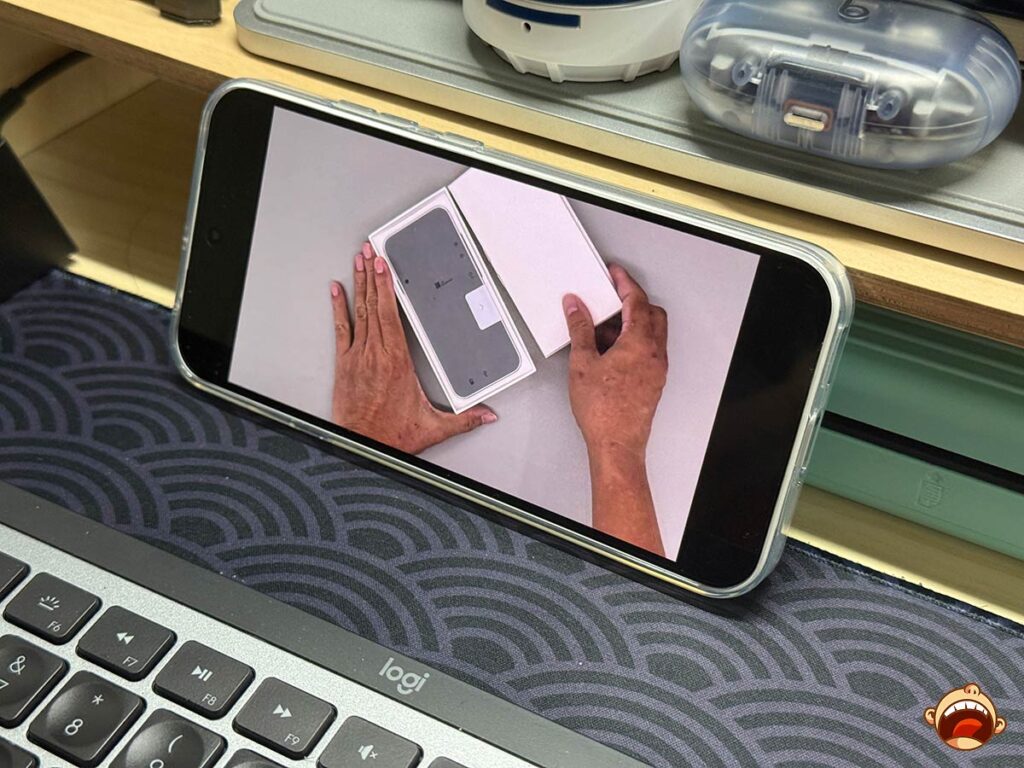
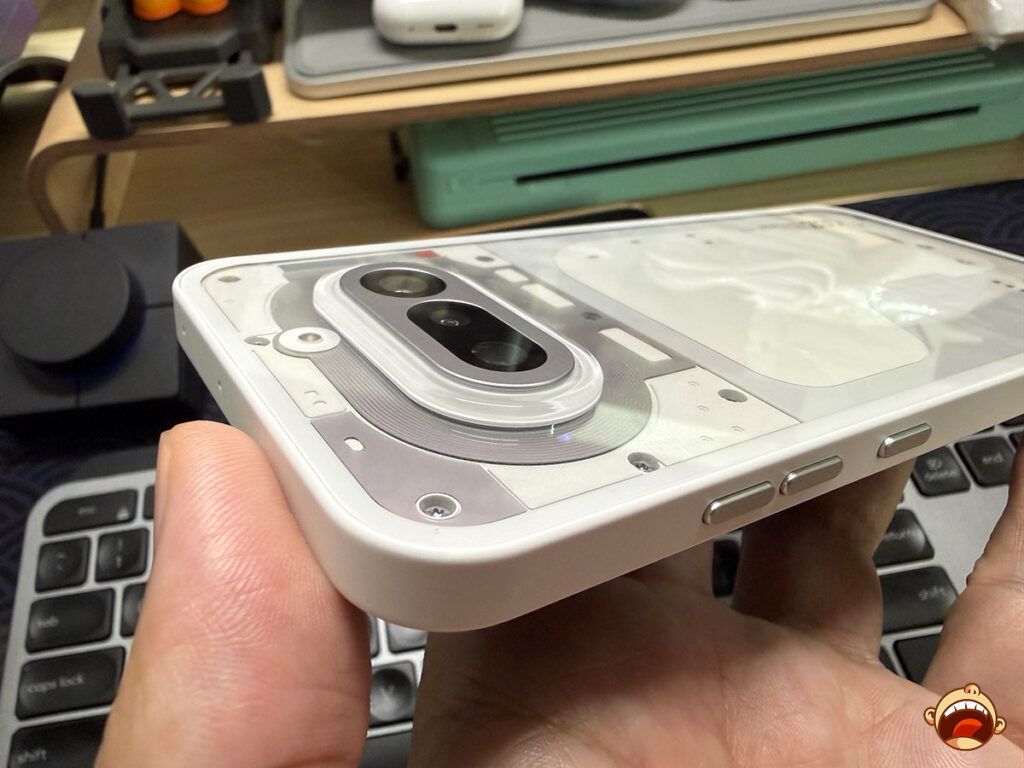
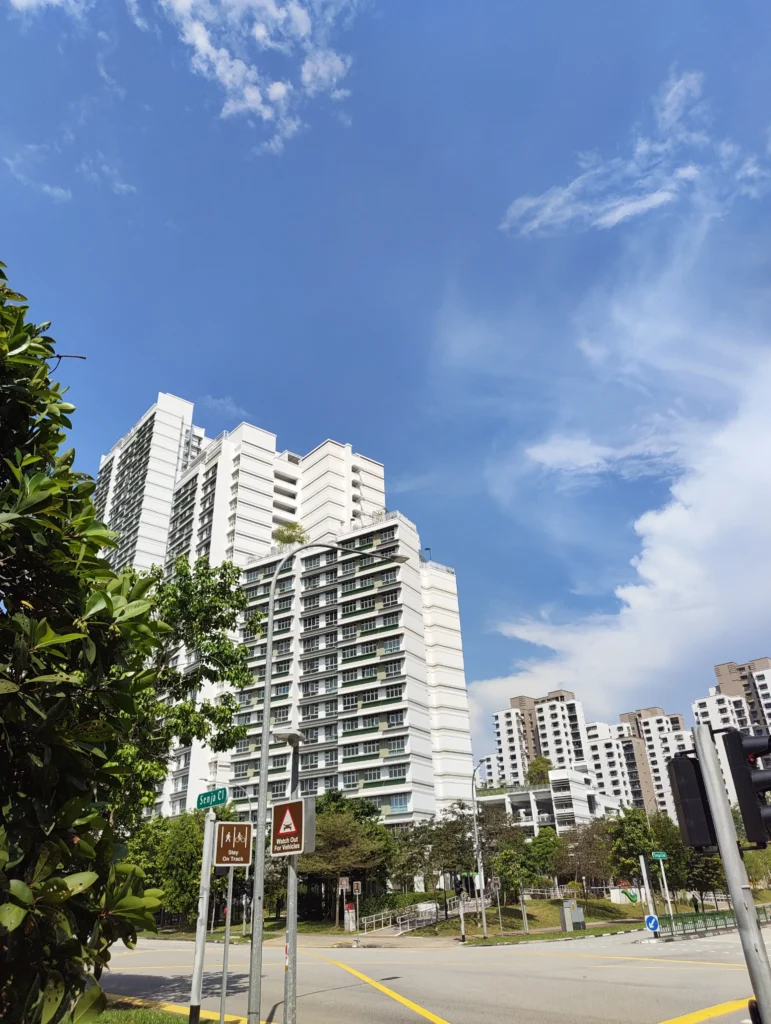
And now, more photos taken by the (4a):










Images: Mike for Mikeshouts