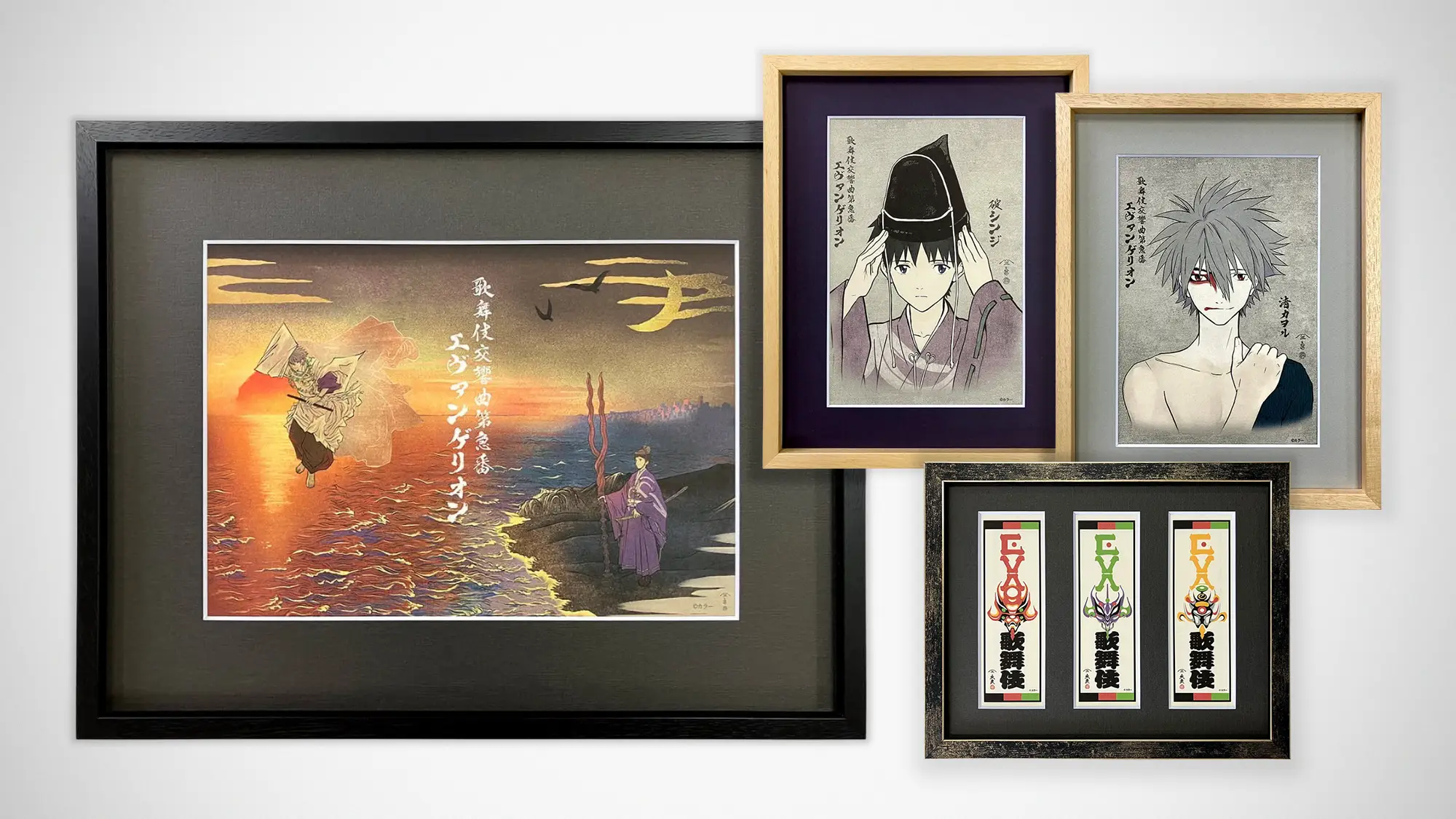
Not only has Godzilla gotten the Ukiyo-e interpretation. Evangelion also. In fact, this is the second installment of “Eva Japonism”, dubbed the “Eva Ukiyo-e” Eva Kabuki series. In this series, there are 7 artworks that reimagine Neon Genesis Evangelion through the lens of traditional Japanese ukiyo-e and kabuki theater. If you have ever wondered what Shinji and Kaworu would look like if they wandered out of an Edo-period woodblock print, well, wonder no more.
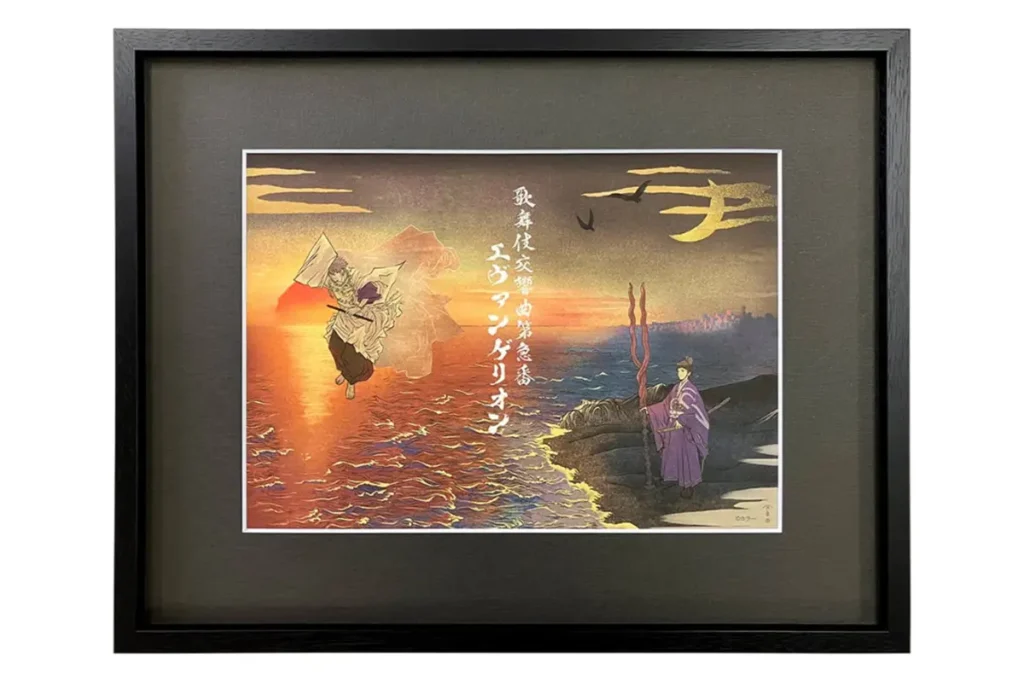
The Eva Kabuki series traces its roots to “Kabuki Symphony Final Act: Evangelion,” a stage performance held during the EVANGELION: 30+ 30th Anniversary of Evangelion event earlier this year. The production’s striking visuals proved so popular that they have now been transformed into a collection of fine art prints under the Eva Japonism project.
Leading the collection is “Sukuse no Yukiai,” a dramatic key visual illustrated by Yoshiyuki Ebata. The artwork depicts Kaworu Nagisa and Shinji Ikari meeting beneath a rising moon and setting sun, surrounded by a crimson sea and a ruined cityscape. It is the kind of imagery that somehow manages to look both beautiful and deeply unsettling. In other words, classic Evangelion. The composition draws inspiration from traditional ukiyo-e masters such as Hokusai and Hiroshige while incorporating mythological motifs and visual references familiar to Evangelion fans.
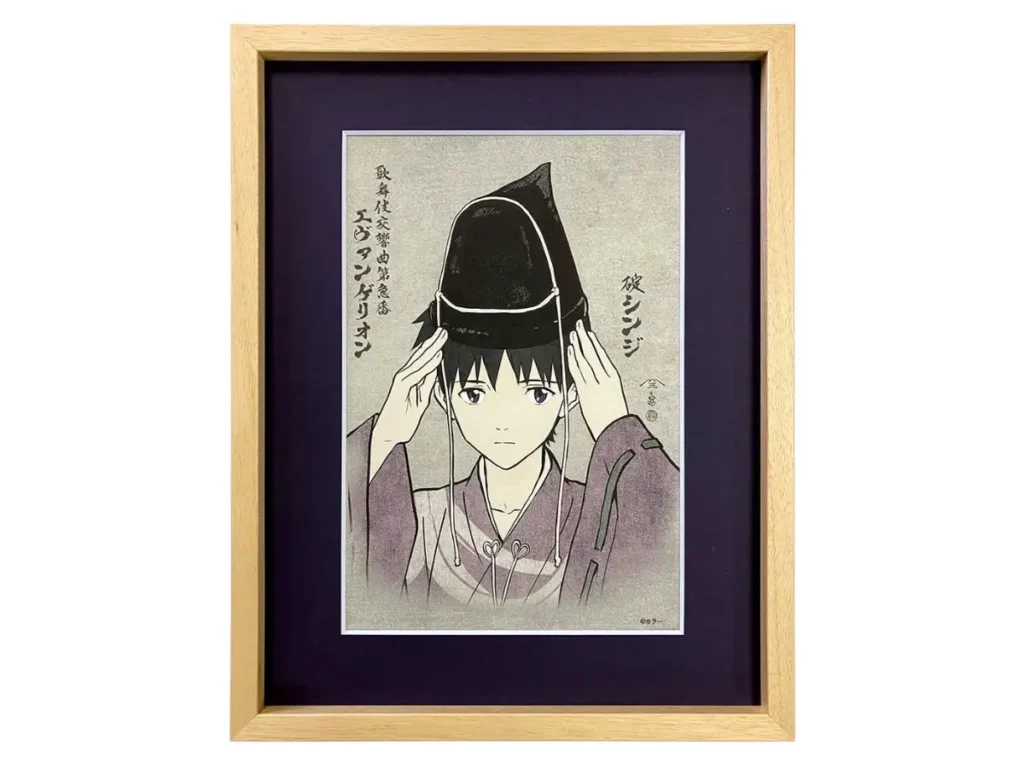
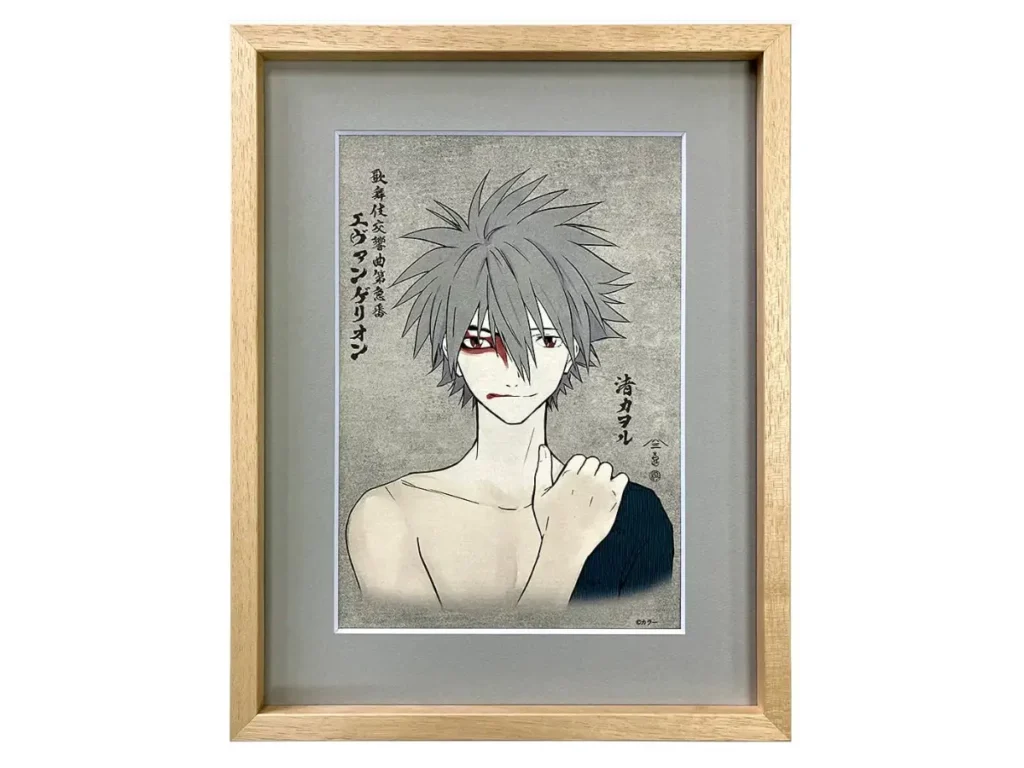
The collection also includes two large-head actor-style portraits, known as okubi-e, featuring Kaworu and Shinji. These close-up portraits focus on subtle expressions and emotional tension. Kaworu appears calm yet melancholic, while Shinji’s gaze captures the familiar mix of determination and uncertainty that has defined the character for three decades.
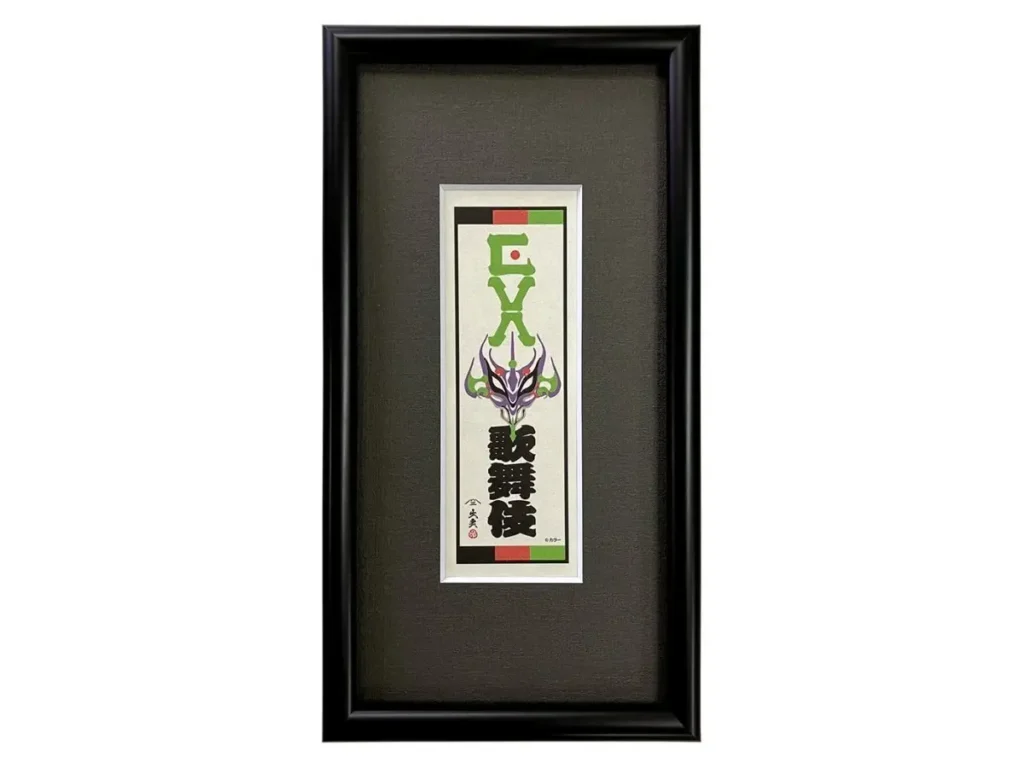
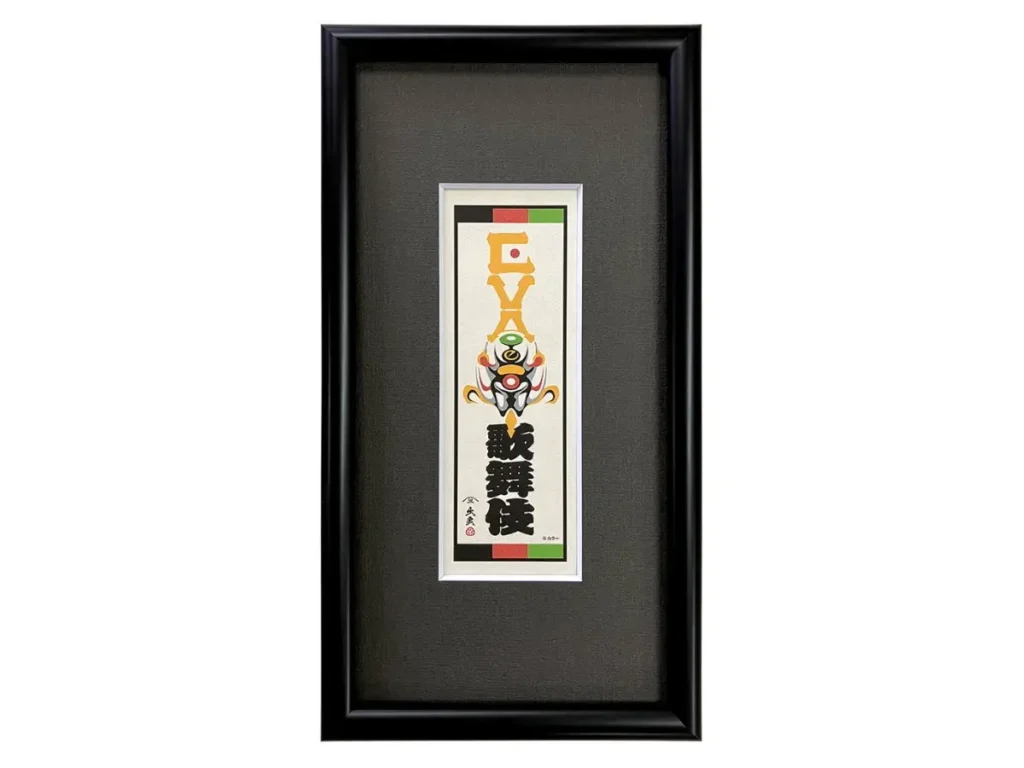
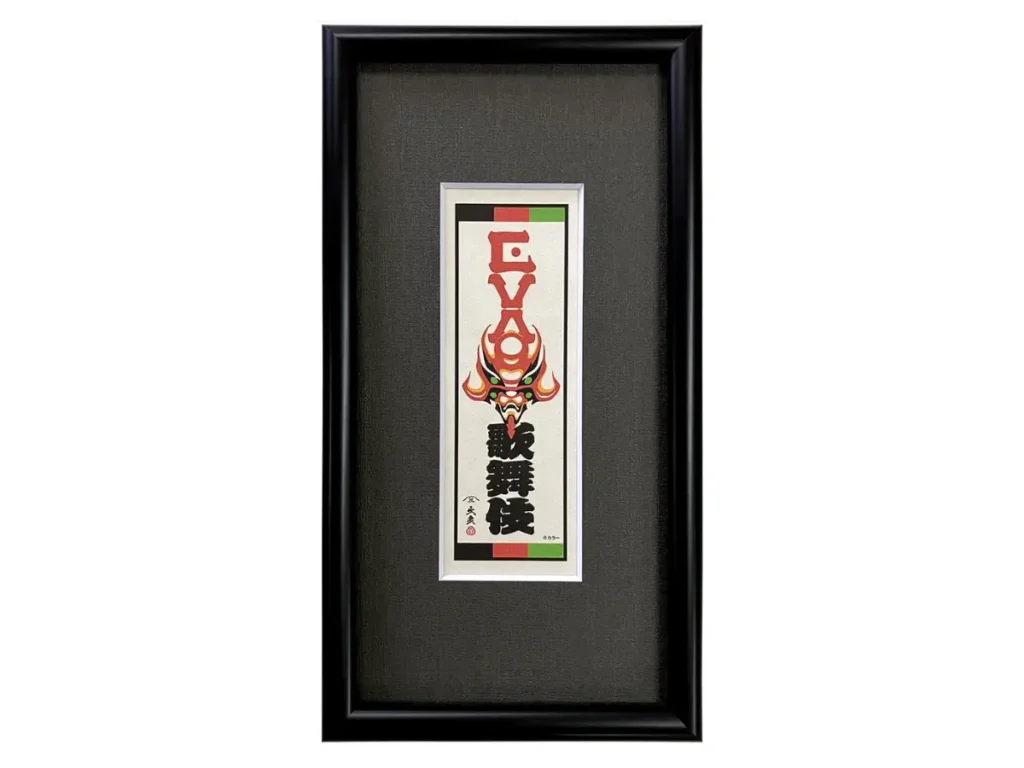
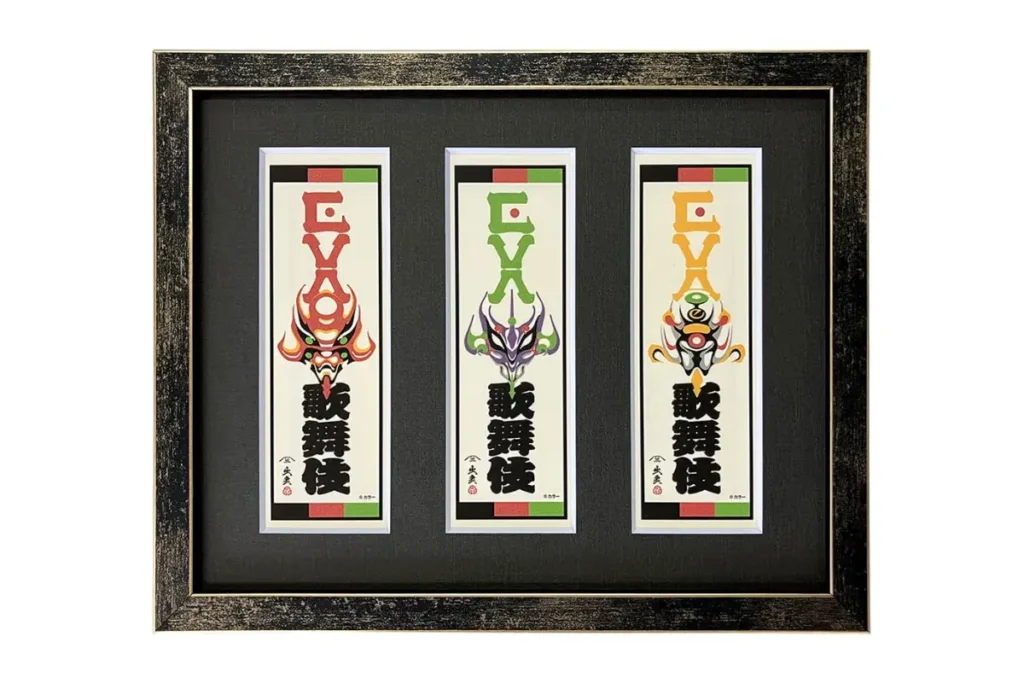
Then there are the three Eva Kabuki Senjafuda pieces featuring Unit-00 [JP], Unit-01 [JP], and Unit-02 [JP]. Traditionally, senjafuda are decorative name slips often seen at shrines and temples. Here, the iconic Evangelion color schemes are reinterpreted using kabuki-inspired kumadori makeup motifs, creating designs that somehow make giant biomechanical mecha feel perfectly at home in Edo Japan.
All seven pieces are produced as giclée prints on handcrafted Echizen washi paper and presented in wooden frames. Several works also come with serial numbers for collectors who like their Evangelion memorabilia with an extra dose of exclusivity.
Thirty years after its television debut, Evangelion continues to find new ways to surprise fans. Giant robots, existential dread, and ancient Japanese art probably should not work together. Yet somehow, here we are.
The Eva Ukiyo-e Eva Kabuki series went on sale through Hanzo’s Ukiyo-e Kobo online store starting March 30, 2026.
Prices start at 12,000 yen (about US$83) for the individual Senjafuda pieces, 18,000 yen [JP] (about US$125) for the three-piece set, 30,000 yen (about US$208) for the Shinji [JP] and Kaworu [JP] portraits, and 39,000 yen [JP] (about US$270) for the flagship “Sukuse no Yukiai” artwork. Prices are before tax.
Images: Ukiyo-e Studio [JP].


